Nobody is born a perfect leader. The journey from individual contributor to effective manager is a profound transformation, a skill that, like any other, requires dedicated development and consistent nurturing. For those stepping into their first management roles, this transition can be particularly daunting, especially in the absence of formal leadership training. The ingrained mindset of personal achievement—the belief that "my skills, my talents, and my technical knowledge have led to my success"—often proves to be a significant hurdle. In reality, clinging to this individualistic script can paradoxically diminish effectiveness. Becoming a successful leader necessitates a fundamental identity shift, a reorientation from personal accomplishment to the empowerment and development of others. This article explores the critical principles and actionable strategies that guide new managers through this essential metamorphosis, fostering admired and impactful leadership.
The Evolving Landscape of Management: Data and Demographics
The modern workplace is characterized by rapid change, increasing complexity, and a growing emphasis on collaborative team environments. As organizations evolve, so too do the demands placed upon their leaders. A 2023 report by the Global Leadership Institute indicated that over 60% of employees surveyed believe that effective leadership is the most critical factor influencing their job satisfaction and overall productivity. Furthermore, the report highlighted a significant gap: only 45% of new managers feel adequately prepared for their roles, underscoring the critical need for targeted development programs.
Historically, promotions into management were often based on technical proficiency and individual performance. However, this paradigm is shifting. Research consistently shows that managers who solely rely on their technical expertise are perceived as less effective in their leadership roles. A longitudinal study by the Center for Creative Leadership (CCL) tracked thousands of new managers over a five-year period and found that those who actively cultivated leadership-specific skills, such as communication, delegation, and emotional intelligence, demonstrated significantly higher team performance and greater career progression than their counterparts who remained focused on their individual technical contributions. This data underscores a crucial insight: success as a manager is not an extension of individual success, but a fundamentally different endeavor.
The Six Pillars of Admired Leadership: A Framework for Growth
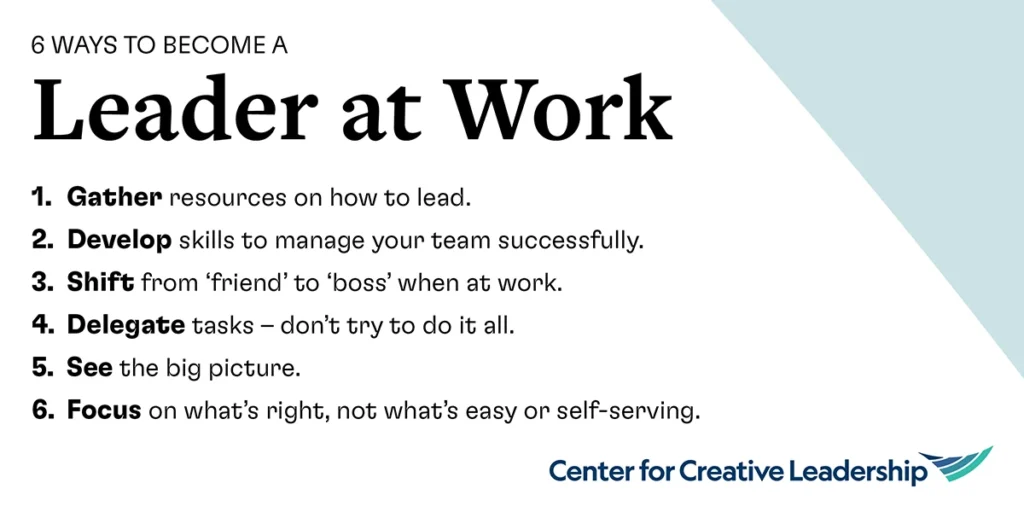
Transitioning into a leadership role requires more than just a change in title; it demands a conscious and sustained effort to adopt new perspectives and develop a distinct set of competencies. While experience is an invaluable teacher, a structured approach can accelerate this learning curve. The following six principles provide a robust framework for new managers, and even seasoned leaders, to cultivate admired and effective leadership:
1. Embracing Continuous Learning: The Open Mindset
The foundational element of effective leadership is a commitment to ongoing learning. As detailed in the seminal work, "Be the Boss Everyone Wants to Work For," successful managers exhibit a distinct mindset shift. They move from the singular focus of being a "great individual contributor" to becoming a "team leader who motivates others to succeed." This involves actively seeking out new knowledge and perspectives. CCL’s research indicates that leaders with this open approach are often driven by intrinsic motivation—the sheer joy, excitement, and engagement derived from learning—rather than solely by external rewards or recognition. This curiosity fuels their ability to adapt to new challenges, embrace innovation, and foster a culture of growth within their teams. This proactive engagement with learning is not merely about acquiring new information; it is about cultivating an agile and adaptable leadership style that can navigate the ever-changing demands of the modern workplace.
2. Cultivating Team Management Skills: Beyond Technical Prowess
While technical expertise may have secured the promotion, it is the development of distinct team management skills that determines a leader’s long-term success. This encompasses a wide range of competencies, including effective communication, active listening, conflict resolution, performance coaching, and the ability to foster a collaborative and inclusive team environment. Managers who solely lean on their prior technical contributions often struggle because they fail to equip themselves with the tools necessary to guide and develop others. The data from the CCL study is unequivocal: managers who were rated as less successful were those who remained primarily focused on their individual technical contributions, neglecting the crucial development of their team leadership skillsets. This highlights a critical distinction: while individual contributors excel at executing tasks, leaders excel at enabling others to execute tasks more effectively.

3. The Art of the Role Shift: From Friend to Manager
One of the most significant psychological hurdles for new managers is navigating the transition from peer to supervisor. Former colleagues, who may have been close friends, now look to them for direction, feedback, and accountability. This requires a conscious shift in role perception. Admired leaders understand that while maintaining positive working relationships is crucial, their primary responsibility shifts to ensuring the team’s collective success. This involves setting clear expectations, treating all team members with fairness, and resolutely avoiding favoritism. Building strong, professional relationships with every direct report, even those with whom there isn’t an immediate personal rapport, is paramount. By clearly defining roles, responsibilities, and performance metrics, and by diligently tracking individual and team progress, new managers can foster greater cohesion and achieve enhanced team performance. The inability to make this "friend to boss" transition often stems from an unwillingness to pivot from a focus on personal relationships to a focus on the professional dynamics of the team as a whole.
4. The Power of Delegation: Empowering Your Team
A common pitfall for new managers is the tendency to "do it all" themselves. This "do it all" mentality, rooted in the lingering individual contributor script, fails to leverage the collective potential of the team. Productive leaders understand that effective delegation is not a sign of weakness but a strategic imperative for driving team results. This involves setting clear goals for team members, providing constructive feedback, and offering opportunities for growth and development. When leaders hoard tasks, they inadvertently communicate a lack of trust in their team’s capabilities. This not only stifles individual growth and leads to stagnation but also significantly hinders overall team productivity and can negatively impact the organization. Conversely, effective delegation demonstrates confidence in the team, fosters a sense of ownership, and ultimately frees up the leader to focus on higher-level strategic initiatives. The practice of delegation is a direct embodiment of trust, a cornerstone of high-performing teams.
5. Cultivating Strategic Vision: Seeing the Bigger Picture
The transition to management often brings an abrupt change in perspective, moving from an "outsider" view to an "insider" understanding of organizational dynamics and politics. First-time managers who embrace this shift and recognize politics as an integral, albeit sometimes challenging, aspect of leadership tend to be more productive and satisfied in their roles. This requires a proactive approach to gathering information about colleagues, stakeholders, and the broader organizational landscape. Understanding the thoughts, behaviors, and needs of those around them allows leaders to navigate complex situations more effectively and make informed decisions. Observing behavior, discerning appropriate responses, and actively seeking information from a diverse range of individuals across the organization are crucial. This cultivation of a broad perspective is not just beneficial for day-to-day management; it is a critical prerequisite for career advancement and long-term leadership success.
6. The Compass of Integrity: Doing What’s Right
At the core of admired leadership lies an unwavering commitment to integrity. Leaders bear the profound responsibility to act in ways that are right and beneficial for the organization and its stakeholders. This demands a conscious effort to move beyond self-interest and to meticulously evaluate the impact of decisions on the team, the company, and all involved parties. Developing a strong moral compass is an ongoing process, honed through consistent practice, especially during challenging circumstances. Leaders must establish a robust ethical framework and hold their decisions against it, ensuring that personal relationships, time pressures, or financial incentives do not compromise their judgment. New managers who prioritize integrity build deep trust with their teams, which is a significant predictor of their career success and their ability to be truly admired leaders. This commitment to ethical conduct forms the bedrock of sustainable and impactful leadership.
The Broader Implications: Fostering a Culture of Effective Leadership
The challenges faced by new managers are not isolated incidents; they reflect a systemic need for robust leadership development within organizations. The investment in training and mentoring for individuals stepping into leadership roles yields significant returns. A 2022 study by the American Management Association found that companies with comprehensive leadership development programs reported a 20% higher employee retention rate and a 15% increase in overall profitability compared to organizations with less developed programs.
The implications of effective leadership extend far beyond individual career trajectories. Strong leadership fosters environments where employees feel valued, empowered, and motivated to contribute their best work. This, in turn, drives innovation, enhances customer satisfaction, and ultimately contributes to the long-term success and sustainability of the organization. Conversely, weak or ineffective leadership can lead to disengagement, high turnover, decreased productivity, and a toxic work environment.
The transition from individual contributor to leader is a journey of continuous learning and adaptation. By embracing the principles of continuous learning, cultivating essential management skills, mastering the art of role-shifting, embracing delegation, developing strategic vision, and upholding unwavering integrity, new managers can navigate this crucial identity shift successfully. The organizations that prioritize and support this development will undoubtedly foster a more engaged, productive, and ultimately, more successful workforce. The path to becoming an admired leader is paved with conscious effort, a commitment to growth, and a profound understanding that true leadership lies not in personal achievement, but in the collective success of the team.