The modern workplace is in a constant state of flux, with roles, responsibilities, and expectations evolving at an unprecedented pace. This dynamic environment has led to increasing scrutiny of traditional performance review processes, with many finding the once-a-year evaluation falling short of fostering genuine employee engagement and development. Instead of serving as a catalyst for growth, these reviews can leave employees feeling uncertain, disengaged, or even anxious. Forward-thinking organizations recognize that performance reviews should not be a dreaded annual obligation, but rather a strategic opportunity to cultivate growth, ensure alignment, and foster a shared sense of purpose consistently. When executed effectively, performance reviews shift from a retrospective judgment of the past to a forward-looking guide for the future. This article delves into practical, people-centric strategies and best practices designed to transform performance reviews into meaningful conversations that align individual aspirations with organizational objectives, thereby building a robust culture of continuous improvement and development.
The Imperative of Effective Performance Reviews
The fundamental purpose of an employee performance review is to facilitate a two-way dialogue that clarifies expectations, assesses progress, and actively supports professional growth. An optimal review transcends mere backward-looking evaluation; it serves as a critical mechanism for aligning employees and managers on what is functioning well, what requires attention, and what the path forward entails. The ultimate goal is to enhance performance, strengthen engagement, and cultivate a thriving environment of ongoing development.
When organizational values, strategic priorities, and performance standards are clearly defined and interconnected, performance reviews evolve beyond simple evaluations. They become the bedrock upon which sustained growth, heightened engagement, and improved employee retention are built. Research consistently highlights the impact of clear expectations: when employees understand what is expected of them and how their contributions are measured against company values, their commitment and motivation naturally increase.
Challenges with Traditional Annual Reviews
The traditional annual performance review, while once a standard practice, is increasingly being recognized for its inherent limitations. One significant challenge is recency bias, where recent events heavily influence the evaluation, potentially overshadowing an employee’s performance over the entire review period. This can lead to inaccurate assessments and stifle professional development. Furthermore, the rigid, infrequent structure of annual reviews often fails to keep pace with the agile and dynamic nature of today’s workforce, which demands continuous performance management and real-time feedback.

The anticipation of an annual review can also trigger anxiety and demoralization among employees, who may fear criticism or negative repercussions. Moreover, these reviews are frequently perceived as one-way communication channels, lacking genuine employee input and engagement. This absence of regular, constructive feedback deprives employees of crucial opportunities for growth and development. Studies by leading HR research firms indicate a significant preference among employees for ongoing feedback and regular one-on-one conversations with their managers over formal review processes or performance ratings as a means to improve their performance.
The Urgent Need for Modernized Performance Management
In response to these challenges, HR leaders are under increasing pressure to implement performance review systems that are more efficient, effective, and engaging. A modern performance management cycle must prioritize continuous evaluation, consistent feedback, and ongoing coaching. By adopting such an approach, organizations can significantly enhance employee engagement, drive performance improvements, and foster overall organizational growth.
More Efficient: In today’s fast-paced business environment, managers and employees are often pressed for time. Cumbersome tools and extensive paperwork can become significant hindrances. HR departments must focus on simplifying and standardizing the review process, making each step as streamlined as possible. User-friendly performance management platforms are no longer a luxury but a necessity. The ideal platform should facilitate the aggregation of performance data and support effective review conversations. Current research indicates that a substantial percentage of employees (around 48%) find their organization’s current performance management approach to be inefficient, underscoring the need for streamlined solutions.
More Effective: The ultimate test of any performance review system is its ability to actually improve employee performance. Every conversation should be centered on clear, measurable goals and actionable feedback that directly contributes to employee growth. Unfortunately, research suggests that only about 49% of employees believe their organization’s performance management approach is truly effective, highlighting a critical gap between intention and outcome.
More Engaging: The performance review process can have a profound impact, whether positive, neutral, or negative, on employee engagement. Organizations should strive to create a transparent, two-way process where employees feel valued and heard. Conversations should remain focused on growth and improvement, with employees actively participating in setting goals, assessing their performance, identifying development opportunities, and discussing career pathing options. Alarmingly, only about 48% of employees find their organization’s performance management approach to be motivating, indicating a significant opportunity to boost engagement through more inspiring review practices.

Pillars of an Efficient, Effective, and Engaging Performance Review Process
Performance reviews offer a vital opportunity for employees and managers to discuss current performance and collaboratively identify pathways for improvement. When executed correctly, these reviews can serve as powerful motivators, aligning individual efforts with organizational goals. Conversely, poorly managed reviews can lead to disengagement and even diminished performance. Several key elements are crucial for designing a successful performance review process:
Frequent and Consistent Touchpoints
To truly cultivate employee success, organizations must move beyond the limitations of the traditional annual review. So much can change within an organization or for an individual employee over the course of a year, making continuous alignment and communication essential. A recommended practice involves quarterly or monthly performance conversations, supplemented by a year-end review that consolidates general themes, notes, progress, and future action steps. This cadence ensures managers and employees remain aligned on goals, progress, and performance expectations.
Research consistently demonstrates the benefits of increased frequency: monthly performance conversations have been shown to lead to 21% more effective reviews, an 11% increase in engagement, an 8% rise in perceptions of fairness, and a 5% improvement in perceived performance. While some organizations may hesitate due to perceived time commitments, frequent conversations do not need to be lengthy or exhaustive to be impactful. This approach equips teams to navigate unexpected changes more effectively.
The Power of Two-Way Dialogue
Performance conversations should not only be frequent but also highly engaging. Both managers and employees should be active participants, with employees equally invested in the preparation process. Constructive feedback is instrumental in helping team members identify areas for improvement and take proactive steps toward personal and professional growth. While a universally applicable format for all performance discussions may not exist, every conversation should aim to foster trust, reduce anxiety, enhance clarity, and reinforce alignment. These discussions can extend beyond performance to encompass broader topics such as career aspirations, professional development needs, and alignment with team goals.
A Forward-Looking Perspective
Traditionally, performance reviews have been heavily weighted towards the past – how the year unfolded, what went well, and what did not. However, focusing solely on past events, which employees cannot change, can be disengaging. While reflection on past performance is important, the majority of performance conversations should be oriented towards the future. Managers and employees should dedicate significant time to planning for the upcoming year, identifying future objectives, and strategizing how to achieve them.

Transparency as a Cornerstone
Performance reviews can be a source of anxiety for employees. Mitigating this anxiety is best achieved by involving employees early and transparently in the process. Managers should collaborate with each employee to develop a clear, shared, and collaborative agenda, outlining the main discussion points. Both parties should have a precise understanding of what to expect, thereby eliminating surprises. Transparency is paramount, and managers should actively solicit honest employee feedback to foster professional growth.
Objectivity Through Data
In an era rich with available data, subjective performance reviews are increasingly becoming obsolete. Managers should leverage data from multiple sources to inform performance reviews. These sources can include formal recognition received, feedback from peers and stakeholders, ratings from talent reviews, notes from one-on-one meetings, and progress toward established goals. It is crucial to focus on specific examples and demonstrable results rather than generalizations. Every statement made during a performance review should be supported by data, not merely by a manager’s personal opinion.
Technology as an Enabler
A clunky and outdated review process will invariably lead to disinterest from participants. Performance review software plays a vital role in simplifying the process and enhancing its effectiveness across the board. Moving performance reviews out of spreadsheets and into a digital platform facilitates the sharing of agendas, documentation of notes, and continuous tracking of performance throughout the year. Such platforms empower managers with diverse data sources, enabling them to act as better coaches, conduct more effective reviews, and minimize subjectivity in evaluations. Research indicates that employees perceive managers who effectively utilize technology as being significantly more effective in their management roles.
Transforming the Review: Traditional vs. Modern Approaches
| Traditional Performance Review | Modern Performance Review |
|---|---|
| Infrequent (annual) | Frequent (monthly, quarterly, ongoing) |
| Manager-driven, one-way communication | Two-way dialogue, collaborative |
| Backward-looking, focused on past performance | Future-focused, centered on development and future goals |
| Subjective, based on opinion | Objective, data-driven |
| Formal, often high-stakes event | Informal, continuous conversations |
| Focus on evaluation and judgment | Focus on coaching and development |
| Limited employee input | High employee involvement and ownership |
| Often a source of anxiety | Designed to reduce anxiety and build trust |
Conducting Performance Reviews: Responsibilities and Methodologies
The responsibility for conducting performance reviews primarily rests with HR and managers, who must collaborate to establish a more efficient, effective, and engaging process.
Preparing for the Performance Review
1. Aligning Criteria, Goals, and Progress: Managers and employees must have a clear understanding of what constitutes strong performance. This begins with organizations clearly communicating performance criteria. Managers should act as interpreters of this data, adding qualitative context, such as goal progress and 360-degree feedback, to performance data. They should adopt a coaching mindset, distilling information to make it easily digestible for employees. Utilizing metrics and measurements provides valuable clarity and focus, serving as a framework for planning future efforts.
2. Gathering Data and Examples: Performance conversations should no longer be based solely on subjective manager opinions. In today’s data-driven world, managers should approach these discussions armed with comprehensive employee data from various sources. This data should guide the conversation and foster a more meaningful manager-employee relationship. Relevant data includes notes from previous one-on-one meetings, progress on goals, role competencies, 360-degree feedback, and recent recognition. This multifaceted approach provides context for both positive and challenging discussions, making them more authentic and impactful. Leveraging performance criteria, specific examples, and employee data enhances the perceived fairness of review outcomes.
3. Preparing Notes and Agendas: No one enjoys entering a meeting unprepared. Performance conversations are no exception. To facilitate meaningful discussions, both managers and employees should collaborate on a shared agenda with key talking points. This reduces anxiety and allows employees to contribute their perspectives and prepare adequately. It also enables employees to suggest topics they wish to discuss, allowing managers to focus on active listening rather than lecturing.
4. Aligning on Expectations: Performance conversations can sometimes be challenging, especially when employees are not meeting goals. These meetings should help identify reasons and outline strategies for improvement. Setting clear expectations for the meeting itself is crucial. This includes understanding the purpose of the review, defining the key discussion areas, and establishing a collaborative approach. Above all, managers and employees should share a common understanding of what good performance looks like. Managers should provide clarity regarding an employee’s role and how their contributions are perceived within the organization. Aligning expectations with established organizational performance criteria ensures employees do not feel misled or alarmed during their review.
Conducting the Review: Key Performance Review Tips
1. Reflect on the Past, Focus on the Future: While acknowledging past performance is important, dwelling on it exclusively will not drive future improvement. Performance conversations should offer employees an opportunity to address and correct performance in real-time and continuously understand how their work aligns with organizational goals. Future-focused reviews also align with employees’ desire for more feedback and development opportunities. They want immediate feedback to improve performance on the go, rather than waiting for an annual review. Furthermore, they want to know that their future, whether within the organization or elsewhere, is valued.
2. Ask the Right Questions: Asking and inviting the right performance review questions is critical for keeping discussions focused on topics important to employee and organizational success. A useful tip is to use performance review templates that encourage honest, genuine feedback and uncover actionable ways to improve performance. Questions should shift the mindset from judge to coach. For example:
- "What are you most proud of accomplishing this past quarter, and what challenges did you face?"
- "What support do you need from me or the team to achieve your goals?"
- "What are your career aspirations for the next year, and how can we work together to support them?"
- "What feedback do you have for me on how I can be a more effective manager?"
It is equally important to encourage employees to ask questions of their managers. By coaching employees and inviting their contributions, managers can effectively collaborate to help them achieve their goals.
3. Choose Phrases Carefully: Words carry significant power and can either motivate or demoralize employees. Managers should be thoughtful and considerate, taking time to prepare their language. Understanding what not to say in a performance review is as important as knowing what to say. Effective phrases often focus on specific behaviors and impacts, such as:
- Instead of: "You’re not a team player." Try: "I’ve observed that in recent projects, collaboration on task distribution could be improved. How can we ensure everyone’s contributions are visible?"
- Instead of: "You need to be more organized." Try: "Let’s discuss strategies for prioritizing your workload to ensure deadlines are met consistently. What tools or techniques might be helpful?"
- Instead of: "You’re doing okay." Try: "Your work on X project was particularly strong, demonstrating Y skill. To further build on this, let’s explore opportunities in Z area."
4. Be an Active Listener: Performance conversations are inherently two-way. Managers must facilitate dialogue and genuinely listen to their employees. Active listening helps managers learn and understand, rather than simply ensuring equal talking time. Asking follow-up questions can help delve deeper and paint a fuller picture. Participating in the conversation isn’t always about sharing one’s own viewpoint; after an employee shares feedback, repeating back what was heard ensures accurate understanding. Allowing ample time for employees to share their feedback and taking notes to document it for later follow-up is crucial.
5. Conclude with Next Steps: A performance conversation should not end when the meeting concludes. Managers and employees should review notes, define clear next steps, and follow up with shared comments and feedback. Without these elements, performance conversations can feel unresolved. To ensure reviews genuinely improve performance, creating an actionable plan is vital. This plan should include specific actions, timelines, and responsible parties.
Diverse Approaches to Performance Reviews
Organizations can benefit from employing various types of performance conversations, each tailored to specific organizational needs and goals. A blend of these approaches helps maintain pace with workplace changes, facilitates faster feedback, and keeps teams aligned.
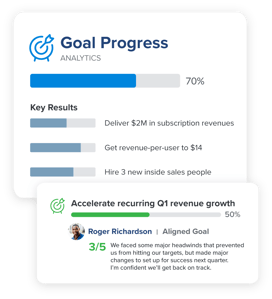
- Annual Performance Review: This is a key moment for reflecting on accomplishments and identifying areas for growth. Managers can acknowledge achievements, address broader concerns, and provide feedback for employee development. It’s an opportunity for reset, alignment on expectations, adaptation to changes, and co-creation of development plans.
- Mid-Year Performance Appraisal: This review serves as an excellent checkpoint for goal progress and allows for adjustments or the setting of new goals. Employees can discuss obstacles and opportunities related to agreed-upon next steps from the annual review. Managers can help address key challenges and course-correct to keep important work on track, supporting employee skill development.
- Quarterly Performance Conversation: These milestone conversations focus on continuous improvement. Tracking goal progress and adapting to changes are vital. Employees can align their efforts and seek necessary training proactively, rather than waiting for their annual review. Managers can coach employees through new obstacles and opportunities.
- Monthly 1-on-1 Meetings: These meetings are crucial for providing consistent and actionable feedback, enabling managers to better manage performance and helping employees feel heard and valued. Managers and employees can discuss specific examples and data, delving into the work and its challenges. Monthly conversations also empower employees to navigate their development and continuously improve through constructive feedback.
- Weekly Check-Ins: These are the bedrock of a strong feedback culture, offering opportunities for quick, timely, and constructive input as work progresses. Encouraging two-way dialogue allows managers and employees to address emerging performance concerns and nurture continuous improvement. Managers can recognize accomplishments in real-time, keeping employees motivated. Weekly check-ins enhance communication, connect team members, and promote a supportive and proactive work environment.
- 360-Degree and Self-Performance Reviews: These reviews gather feedback from multiple sources, including peers, subordinates, and customers, providing a holistic view of performance and identifying areas for improvement. They foster a growth mindset, encouraging skill enhancement and personal development.
Leveraging Performance Review Templates
Well-crafted performance review templates can significantly enhance the feedback process, elevating reviews from a routine administrative task to a strategic initiative that fosters a culture of continuous development and high performance.
Streamlining and Customization
Templates streamline the feedback process, ensuring all managers and employees discuss what is most important. They can be tailored to specific teams and roles, reflecting organizational culture and values. Embracing streamlined and customizable templates nurtures growth, aligns expectations, and boosts employee success.
Aligning with Employee Goals
Clear and attainable performance objectives are critical for effective and fair reviews. Employee goals should align with overarching company and team objectives. Managers and employees should regularly revisit and adapt performance goals as business priorities shift. Goal setting should be a two-way conversation, fostering ownership and commitment.
Incorporating Performance Competencies
Performance competencies help employees focus on job-specific skills and areas for growth, seamlessly aligning with job roles, goals, and development plans. These competencies serve as benchmarks for measuring critical behaviors, skills, and attributes necessary for job proficiency. Employees can develop tangible skills and pursue additional training to advance within the organization.
Performance Review Software for Enhanced Outcomes
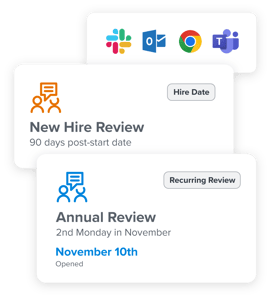
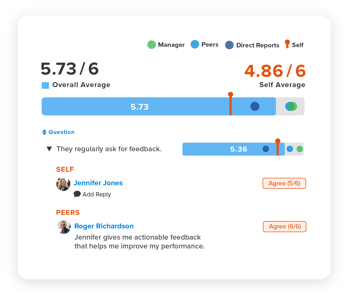
Performance conversations need not be arduous. Performance review software helps keep managers and employees aligned with engaging reviews, providing reliable context for more objective and engaging conversations. Key features include:
- Customization: Flexible review modules can be tailored to fit organizational needs and diverse employee groups.
- Habit Building: Integration into existing workflows helps managers coach effectively, with formal conversation cycles ensuring the right frequency and consistency of touchpoints.
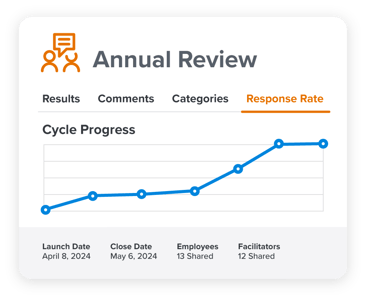
- Tracking: Easy monitoring of review response rates helps teams stay accountable and provides real-time performance insights.
- Goal Integration: Performance goals can be seamlessly embedded into reviews, facilitating objective, effective, and growth-oriented conversations.
- Multi-Rater Feedback: Incorporating feedback from various sources provides valuable insights for development-oriented performance conversations.
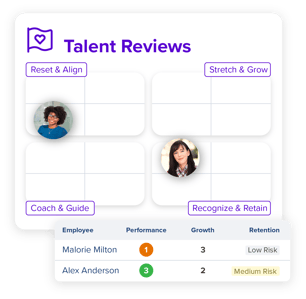
- Data Visualization: Talent dashboards offer a comprehensive view of organizational talent, enabling informed decisions about retention and development.
Effective performance reviews, regardless of the specific approach, require clarity, structure, and consistent follow-through. These performance review tips and best practices transform the experience from a stressful obligation into a meaningful, growth-focused conversation that employees and managers can anticipate, thereby strengthening workplace connections.
Preparing for Success: A Three-Phase Approach
1. Pre-Review Preparation:
- Review Goals and Past Notes: Revisit established goals, performance expectations, and notes from previous reviews or check-ins.
- Collect Supporting Data: Gather objective evidence, including project outcomes, feedback from colleagues, metrics, and any relevant documentation.
- Identify Growth Areas Proactively: Both employee and manager should identify potential areas for development and improvement.
- HR’s Role: HR professionals should ensure managers are trained, provide necessary tools and templates, and oversee the process for fairness and consistency.
2. During the Review:
- Supportive Environment: Create a comfortable, distraction-free setting conducive to open dialogue.
- Balance Strengths and Growth: Begin by acknowledging strengths and achievements before discussing areas for development.
- Two-Way Dialogue: Encourage active participation and listening from both parties.
- Future-Focused Goals: Collaboratively set clear, achievable goals for the next review period.
- HR’s Role: HR can provide guidance to managers on handling difficult conversations and ensure the review aligns with organizational policies.
3. Post-Review Follow-Up:
- Document Agreements: Clearly record agreed-upon actions, timelines, and responsibilities.
- Ongoing Check-Ins: Maintain regular communication to monitor progress and provide support.
- Track Progress: Utilize clear metrics to measure the impact of agreed-upon actions.
- HR’s Role: HR can facilitate follow-up processes, track progress on development plans, and use aggregated data to identify organizational trends.
Empowering Employees and Managers
Performance reviews are most effective when both employees and managers understand expectations and are prepared to engage constructively. The following tips aim to foster transparency, equity, and a focus on growth for all parties involved.
Tips for Employees:
- Prepare Thoroughly: Review your accomplishments, challenges, and areas for development. Gather specific examples to support your self-assessment.
- Be Open to Feedback: Approach the conversation with a willingness to listen and learn.
- Ask Clarifying Questions: Ensure you fully understand your manager’s feedback and expectations.
- Discuss Career Goals: Share your aspirations and seek guidance on how to achieve them.
- Document Key Takeaways: Note down agreed-upon actions and next steps.
Tips for Managers:
- Prepare Objectively: Gather data and specific examples to support your feedback.
- Be a Coach, Not a Judge: Focus on development and support rather than solely on evaluation.
- Listen Actively: Give your employee ample opportunity to share their perspective.
- Provide Specific, Actionable Feedback: Offer concrete examples and suggestions for improvement.
- Collaborate on Goals: Work with your employee to set realistic and motivating future objectives.
- Follow Up Consistently: Ensure agreed-upon actions are addressed and progress is monitored.
Conclusion
Modernizing performance reviews is paramount for HR leaders seeking to cultivate a more engaging and efficient system. By understanding the shortcomings of traditional annual reviews and embracing a dynamic, continuous approach, organizations can significantly enhance employee motivation and productivity. Regular check-ins, meaningful goal setting, and the strategic use of performance review tools are fundamental to success in today’s rapidly evolving workplace. Embracing these best practices can lead to a more positive and impactful performance review process, ultimately fostering a culture of continuous development and high performance. For organizations looking to revolutionize their performance reviews, exploring solutions that support these modern principles is a critical step forward.