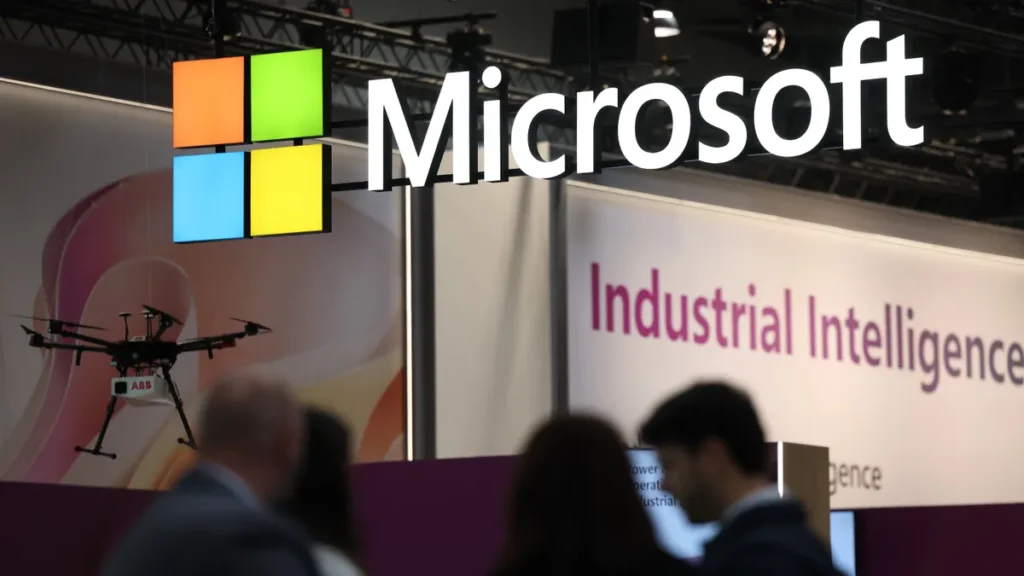
The technological landscape is undergoing a profound transformation, characterized by a strategic paradox: major industry players are simultaneously tightening their workforces while unleashing unprecedented capital into artificial intelligence and cloud infrastructure. Microsoft, a vanguard in this evolution, is actively pursuing a strategy focused on "building high-performing teams that operate with pace and agility," as articulated by CFO Amy Hood. This approach signals a definitive shift towards optimizing operational efficiency and reallocating resources to fuel growth in critical, high-potential domains, particularly AI.
Published on May 1, 2026, this strategic realignment at Microsoft is not an isolated incident but rather a microcosm of a wider trend sweeping across the tech sector. Companies are grappling with the dual imperative of sustained innovation and enhanced profitability in an increasingly competitive and AI-driven market. The implications for the global tech workforce, investor sentiment, and the future trajectory of digital transformation are significant and far-reaching.
Microsoft’s Strategic Imperative: Agility and Targeted Investment
Microsoft’s financial leadership has been explicit about the company’s direction. While precise figures regarding the latest workforce adjustments remain undisclosed, CFO Amy Hood indicated that the company anticipates a further decline in its total headcount on a year-over-year basis in the forthcoming fiscal year. This deliberate reduction follows a period where Microsoft’s global workforce remained stable, reporting approximately 228,000 employees in June 2025, a figure unchanged from the prior year. The emphasis, therefore, is not merely on cost-cutting but on a fundamental re-sculpting of the organizational structure to foster greater responsiveness and accelerate product development cycles, particularly in emerging technologies.
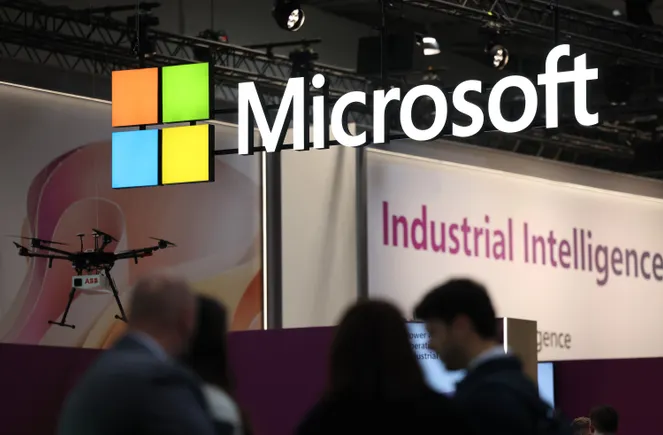
The move toward a leaner, more agile operating model is underpinned by robust financial performance, driven significantly by its burgeoning AI and cloud segments. For the third quarter of fiscal year 2026, Microsoft announced total revenues of an impressive $82.9 billion, marking an 18% year-over-year increase. This growth trajectory is a direct consequence of sustained and escalating demand across its cloud services and rapidly expanding AI offerings. The company’s AI business has emerged as a powerhouse, achieving an annual revenue run rate of $37 billion, reflecting a staggering 123% growth compared to the previous year. Concurrently, Azure cloud revenue surged by 40%, demonstrating robust demand for both AI-specific and general cloud workloads.
CEO Satya Nadella underscored the company’s aggressive posture in AI during a recent investor call. "We are moving aggressively to add capacity aligned to our demand signals we see, and we’ve announced new data center investments across four continents," Nadella stated, highlighting the monumental infrastructure build-out required to support the burgeoning AI ecosystem. Hood further elaborated on this commitment, projecting that capital expenditures are expected to exceed $40 billion in the current quarter, a clear indicator of the massive investments being channeled into bringing more compute and data center capacity online. This substantial capital outlay underscores Microsoft’s unwavering belief in AI as the primary driver of future growth and competitive advantage.
A Broader Industry Landscape of Workforce Rebalancing
Microsoft’s strategic maneuvers are part of a larger pattern observed across the technology industry. The first quarter of 2026 saw a significant acceleration in tech sector layoffs, with 18,720 job cuts announced in March alone, making it the most affected sector. This brought the total for the first quarter of 2026 to 52,050 job eliminations, representing a stark 40% increase from the same period a year prior, according to data from outplacement firm Challenger, Gray & Christmas. This marks the highest first-quarter total for the industry since 2023, a year that witnessed 102,391 cuts as companies began to unwind the rapid hiring sprees prompted by the digital acceleration during the COVID-19 pandemic.
This trend reflects a confluence of factors. Following an unprecedented period of growth and expansion fueled by remote work and digital transformation during 2020-2022, many tech companies now face pressure to optimize operations amidst evolving macroeconomic conditions. Rising interest rates, persistent inflationary pressures, and a general tempering of consumer and enterprise spending have compelled executives to scrutinize operational costs more rigorously. Furthermore, the rapid advancements in AI are creating a demand for new skill sets, leading to a reallocation of talent within organizations. Roles deemed less critical or automatable are being phased out, while aggressive recruitment for specialized AI engineers, data scientists, and machine learning experts continues unabated. This phenomenon is less about a shrinking industry and more about a recalibration and re-skilling effort, signaling a shift in the nature of jobs within the tech sector.

Meta Platforms: A Parallel Path of Efficiency and Innovation
The strategic alignment seen at Microsoft is strikingly mirrored by other tech behemoths, notably Meta Platforms. Meta concluded its fiscal first quarter of 2026 with just over 77,900 employees, representing a 1% decrease from the fourth quarter of the previous year. CFO Susan Li explained this adjustment during a recent earnings call, noting that "the impact of headcount optimization efforts in certain functions was partially offset by hiring in priority areas of monetization and infrastructure." This indicates a targeted approach to workforce management, where reductions in some areas enable strategic investments in others.
Li further elaborated on Meta’s internal communications, revealing plans to further reduce the size of its employee base in May. The rationale echoes Microsoft’s: "We believe a leaner operating model will allow us to move more quickly while also helping to offset the substantial investments we’re making," she stated. This philosophy underscores a prevailing belief within the tech leadership that streamlined operations are crucial for navigating the demanding innovation cycle of AI development and deployment.
Meta’s financial reports further illustrate this dynamic. Total expenses for the quarter reached $33.4 billion, a substantial 35% increase compared to the year-earlier period. A significant portion of this expenditure was attributed to growth in employee compensation, particularly stemming from the recruitment of highly sought-after technical hires over the past year, with a strong emphasis on AI talent. This demonstrates that while overall headcount might be optimized, the investment in specialized, high-value AI expertise is intensifying, reflecting a broader industry-wide talent arms race in the AI domain.
Chronology of Tech’s Evolving Workforce Strategy
The current trends are not entirely new but represent an acceleration of forces that have been shaping the tech industry for several years.

- 2020-2022: A period of unprecedented growth fueled by the pandemic, leading to aggressive hiring across the tech sector as digital transformation accelerated. Many companies expanded their workforces rapidly to meet surging demand.
- Late 2022-2023: Initial waves of significant layoffs began, particularly in companies that had over-hired. Macroeconomic headwinds, including rising inflation and interest rates, prompted cost-cutting measures. Microsoft, for instance, initiated a round of layoffs impacting thousands of employees in early 2023, citing the need to align its cost structure with revenue growth and strategic priorities.
- 2024-Early 2025: A period of continued "optimization" with smaller, more targeted layoffs across various tech companies. The focus shifted from broad cuts to strategic reallocations, with a growing emphasis on AI investments. Major partnerships, such as Microsoft’s deepening collaboration with OpenAI, began to heavily influence strategic resource deployment.
- Late 2025-Q1 2026: The trend of simultaneous workforce reduction and intensified AI investment becomes pronounced. Companies like Microsoft and Meta articulate clear strategies of "leaner operating models" to fund massive capital expenditures in AI infrastructure and attract top AI talent. The data from Challenger, Gray & Christmas for Q1 2026 highlights this acceleration, with tech leading all sectors in job cuts, even as the AI boom drives revenue and strategic spending.
Implications for the Tech Workforce and the Future of Work
The implications of this industry-wide strategic pivot are multifaceted. For the tech workforce, the landscape is becoming increasingly specialized. While generalist roles or those in areas ripe for automation may face increased scrutiny, demand for specialized AI skills—such as prompt engineering, machine learning development, AI ethics, and data science—is skyrocketing. This creates a critical need for continuous upskilling and reskilling among existing tech professionals to remain competitive. Universities and vocational training programs are likewise adapting their curricula to meet this evolving demand.
From an economic perspective, this shift suggests a potential for significant productivity gains driven by AI. A "leaner operating model" coupled with AI-powered tools and processes could allow companies to achieve higher output with fewer human inputs, at least in certain domains. This could lead to increased profitability and potentially free up capital for even greater investment in frontier technologies. However, it also raises questions about job displacement and the broader societal impact of automation.
Investor Sentiment and Long-Term Strategy
Investors are closely monitoring this balancing act. While initial layoff announcements can sometimes trigger positive market reactions due to perceived cost savings, the sheer scale of AI investments also demands scrutiny. Shareholders are looking for clear demonstrations of return on investment (ROI) from these massive capital expenditures. Microsoft’s strong revenue growth in AI and Azure suggests that its strategy is resonating positively, indicating that the market is willing to back aggressive investment in future-defining technologies, provided there are tangible signs of growth and market leadership.
The strategic rationale is clear: by shedding less critical roles and optimizing operational structures, companies aim to free up financial and human capital to aggressively pursue market leadership in AI. This involves not only direct investment in AI research and development but also the construction of vast data center networks to provide the computational backbone for AI models and applications. The long-term vision is to embed AI into every product and service, creating new revenue streams and enhancing existing ones, thereby cementing competitive advantages for decades to come.
The Unfolding Future: AI’s Transformative Role
As we move deeper into 2026, the narrative within the tech industry is unequivocally centered on AI. The ongoing rebalancing of workforces and the monumental capital commitments from industry leaders like Microsoft and Meta signify a fundamental reorientation of strategic priorities. This is not merely an incremental technological shift but a transformative wave that promises to redefine business models, alter the competitive landscape, and reshape the very nature of work.
The focus on "high-performing teams that operate with pace and agility" reflects a recognition that speed and adaptability are paramount in the rapidly evolving AI era. Companies that can effectively harness AI, optimize their talent, and deploy infrastructure at scale are best positioned to capture the immense opportunities presented by this new technological frontier. The coming years will undoubtedly witness continued innovation, intense competition, and further evolution of the tech workforce as the full potential of artificial intelligence begins to unfurl across the global economy.