Texas has emerged as a leading state in the rigorous examination of the H-1B skilled worker visa program, initiating legal enforcement efforts and policy changes that echo the restrictive stance of the federal government under the Trump administration. This heightened scrutiny, coupled with similar actions in other states like Florida and Iowa, signals a complex and increasingly challenging landscape for employers reliant on foreign talent and for the highly skilled individuals seeking to work in the United States. The multi-pronged approach, encompassing investigations into alleged fraud, freezes on new visa applications at public institutions, and significant federal fee increases, has introduced considerable uncertainty and increased operational costs for businesses across various sectors, particularly technology and academia.
Texas Takes a Firm Stance: Investigations and freezes
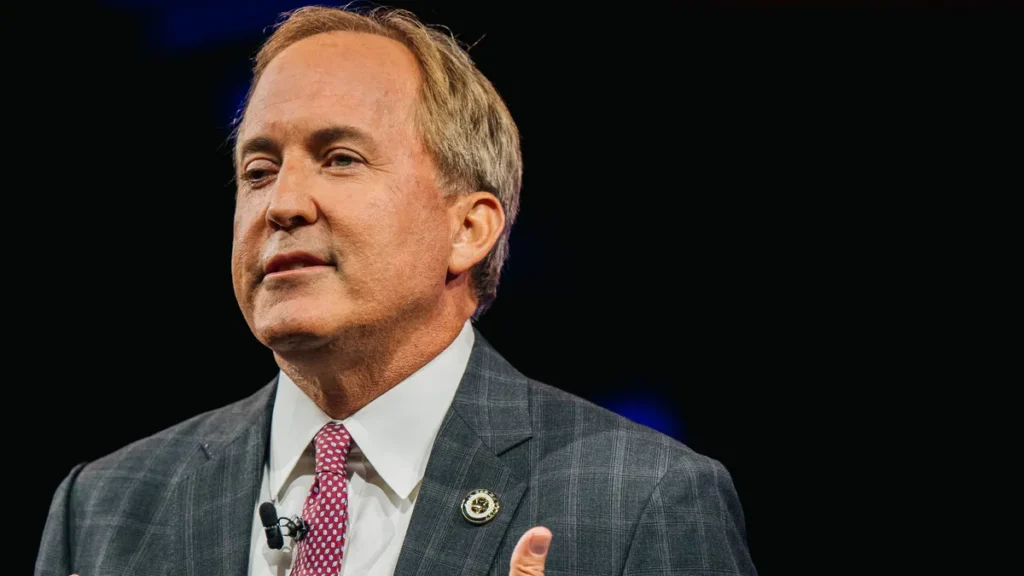
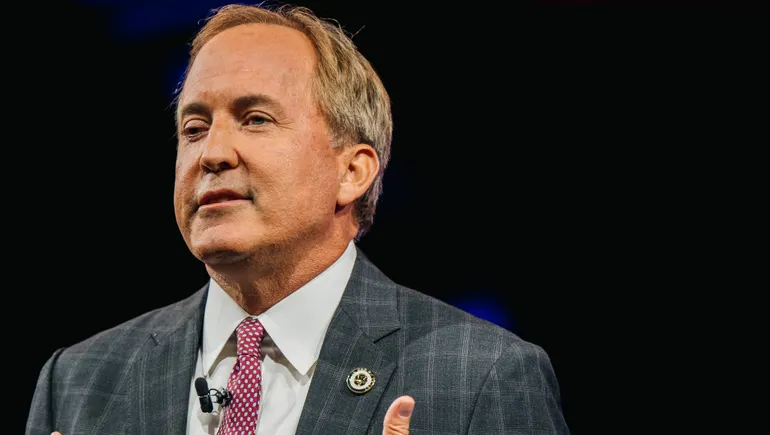
The state of Texas has notably stepped up its involvement in policing the H-1B program. In a significant move, Texas Attorney General Ken Paxton announced in January 2026 a broad investigation into 30 businesses for alleged H-1B visa fraud. This probe targets firms suspected of misusing the visa system, particularly by potentially displacing American workers or engaging in practices that undermine the program’s intent. Among the employers publicly named under investigation are Tekpro IT LLC, Fame PBX LLC, 1st Ranking Technologies LLC, Qubitz Tech Systems LLC, Blooming Clouds LLC, Virat Solutions, Inc., Oak Technologies Inc., Techpath Inc., and Techquency LLC. At the time of the announcement, none of these firms provided immediate responses to requests for comment, leaving the specific allegations and their potential ramifications under close observation.
Concurrently with Paxton’s investigation, Texas Governor Greg Abbott issued an order mandating the state’s public colleges and universities to implement a freeze on all new H-1B applications. This directive, effective through May 2027, aims to prioritize Texas job candidates for equivalent positions within these institutions. Governor Abbott also required these academic entities to disclose the number of new 2025 H-1B petitions and renewals they had submitted, a measure intended to assess their commitment to local talent and potentially identify areas where H-1B reliance could be reduced. This dual approach from the state’s executive and legal arms underscores a coordinated effort to control and scrutinize the influx of H-1B visa holders within Texas.
A Broader State-Level Trend: Florida and Iowa Join the Fray
The actions in Texas are not isolated but reflect a growing trend among several states to exert greater control over the H-1B program, often aligning with a nationalistic rhetoric focused on protecting domestic jobs.
In Florida, the Board of Governors, with the backing of Governor Ron DeSantis, approved a 10-month freeze on H-1B hiring at public universities. This policy, similar to Texas’s, indicates a shared philosophy among some state leaders regarding the perceived impact of foreign workers on the local job market, particularly within publicly funded institutions. The move by Florida’s leadership suggests a strategic effort to re-evaluate the necessity of H-1B visas in academic settings and potentially reallocate resources to hire resident workers.
Further north, Iowa state legislators have advanced a bill, HF 2513, that introduces an even more stringent restriction. This proposed legislation would prohibit state universities from employing H-1B visa holders who are citizens of nations designated as foreign adversaries or state sponsors of terrorism by the U.S. government. While distinct in its focus on national security concerns, this bill nonetheless contributes to the patchwork of state-level policies that are making the H-1B program increasingly complex and restrictive for both employers and prospective employees. Such legislation adds a geopolitical dimension to the employment of skilled foreign workers, potentially limiting the talent pool available to critical research and educational institutions based on nationality rather than skill set.
Federal Context: The Trump Administration’s Overhaul of H-1B
The state-level initiatives gain significant context when viewed against the backdrop of the extensive changes and scrutiny imposed on the H-1B program by the Trump administration at the federal level. The second Trump administration has been particularly aggressive in its approach, driven by a stated goal of prioritizing American workers and combating perceived abuses within the immigration system.
One of the most impactful federal changes was a presidential proclamation imposing an unprecedented $100,000 fee on all new H-1B petitions filed on or after September 21, 2025. This substantial financial burden, a dramatic increase from previous fees, was met with immediate and widespread condemnation from employers, industry groups, and advocacy organizations. Several lawsuits were promptly filed to block the policy, arguing that it exceeded presidential authority and would severely harm American competitiveness and innovation. However, a significant development occurred in December 2025 when a federal judge in Washington, D.C., ruled that the proclamation did not exceed the President’s authority, thereby upholding the legality of the new fee. This ruling, while subject to further appeals, marked a critical victory for the administration’s policy and a setback for businesses that rely heavily on H-1B talent.
Beyond financial barriers, the U.S. Department of Homeland Security (DHS) also proposed new rules fundamentally altering the process by which new H-1B petitions are selected. Historically, selection has been primarily through a lottery system when the number of applications exceeds the annual cap. The new DHS rule introduced a four-tier wage scale, into which new registrations are sorted. Under this revised system, higher-paying offers are granted a greater number of entries in the agency’s selection lottery, effectively prioritizing H-1B applications for positions that command higher salaries. The stated rationale behind this change is to ensure that the H-1B program is used to attract the "best and brightest" and to prevent its use for lower-wage positions that could otherwise be filled by American workers. This wage-based selection criterion aims to reshape the H-1B program from a purely lottery-based system to one that explicitly favors higher-skilled and higher-compensated roles, potentially making it more difficult for entry-level or mid-career foreign professionals to secure visas, even if they possess critical skills.
Understanding the H-1B Visa Program: Purpose and Historical Context
To fully grasp the implications of these changes, it is essential to understand the H-1B visa program itself. Established under the Immigration and Nationality Act, the H-1B visa is a non-immigrant visa that allows U.S. employers to temporarily employ foreign workers in specialty occupations. These occupations generally require a bachelor’s degree or higher in a specific specialty, such as IT, engineering, medicine, finance, architecture, and more. The program is crucial for industries facing domestic talent shortages, particularly the technology sector, which has historically lobbied for an increase in the annual cap.
The annual statutory cap for H-1B visas is currently set at 65,000, with an additional 20,000 visas reserved for those holding a U.S. master’s degree or higher (the "master’s cap"). Demand for H-1B visas has consistently outstripped supply for many years, leading to lotteries being conducted annually. For instance, in recent years, the number of registrations often reaches several hundred thousand, demonstrating the intense competition for these limited visas. The program has always been a subject of debate, with proponents highlighting its role in fostering innovation, filling critical skill gaps, and contributing to the U.S. economy, while critics argue it can depress wages for American workers and be susceptible to fraud.

The Rationale Behind Heightened Scrutiny
The increased scrutiny, both federally and at the state level, is largely driven by a narrative that the H-1B program is vulnerable to abuse and that foreign workers may be displacing American job candidates. Proponents of stricter controls, including figures like Attorney General Paxton and Governor Abbott, argue that these measures are necessary to protect the domestic workforce, ensure fair labor practices, and prevent companies from using H-1B visas as a means to access cheaper labor. The focus on "fraud" and "commitment to providing equivalent positions to Texas job candidates" highlights these concerns.
At the federal level, the Trump administration has consistently framed its policies as a means to "Buy American and Hire American," asserting that previous immigration policies have not adequately served the interests of American workers. The $100,000 fee and the wage-based selection criteria are designed to make the program more exclusive, ensuring that only highly compensated positions, presumably those where domestic talent is truly scarce, benefit from the H-1B scheme. This aligns with a broader push to reform legal immigration to favor merit-based systems and reduce overall immigration levels.
Impact on Employers and the Broader Economy
The cumulative effect of these federal and state policies has created a challenging environment for businesses that rely on the H-1B program. Attorneys specializing in immigration law have repeatedly warned that both the new $100,000 fee and the wage-tier selection process are expected to significantly increase the expense of employing H-1B visa holders. This heightened financial burden, combined with increased administrative complexities and uncertainty, may force some organizations to reconsider their talent acquisition strategies.
Potential implications for employers include:
- Increased Costs: The $100,000 fee, coupled with existing legal and filing fees, makes hiring H-1B workers substantially more expensive.
- Talent Acquisition Challenges: The wage-based lottery system may make it harder for startups, non-profits, or companies in regions with lower prevailing wages to secure H-1B talent, potentially limiting their ability to innovate and grow.
- Administrative Burden: Increased scrutiny, investigations, and reporting requirements add to the administrative load for HR departments.
- Strategic Shifts: Some organizations may be compelled to explore alternatives, such as offshoring certain roles, investing more heavily in domestic talent development, or exploring other, less restrictive visa categories if available.
- Reduced Innovation: Critics argue that restricting access to global talent could stifle innovation, particularly in sectors like technology where foreign-born individuals have historically played a crucial role.
- Uncertainty and Planning Difficulties: The frequent policy changes and legal challenges create an unpredictable environment, making long-term workforce planning difficult for businesses.
Despite the "whirlwind surrounding the program," as some have described it, the demand for H-1B visas remains exceptionally high. U.S. Citizenship and Immigration Services (USCIS) announced that the fiscal year 2027 cap on H-1B visa petitions was hit by the end of March, demonstrating that even with increased costs and restrictions, many employers continue to view the program as indispensable for securing specialized skills. This persistent demand underscores the ongoing talent gaps in certain industries within the U.S. economy.
Reactions and Legal Challenges
The push for stricter H-1B policies has naturally drawn strong reactions from various stakeholders. Tech industry associations, chambers of commerce, and immigration advocacy groups have consistently voiced concerns that these policies could harm American competitiveness, hinder economic growth, and send a message that the U.S. is unwelcoming to skilled foreign talent. The numerous lawsuits filed against the $100,000 fee, including one notable challenge supported by the U.S. Chamber of Commerce, exemplify the industry’s strong opposition. While one federal judge upheld the president’s authority in the D.C. case, these legal battles are often protracted and can have significant implications for the program’s future.

On the other hand, labor unions and some political groups have supported the increased restrictions, arguing that they protect American jobs and ensure that employers are not using the H-1B program to undercut wages or avoid hiring qualified U.S. citizens. These groups often point to instances of alleged fraud or misuse of the program to justify a more restrictive approach.
Broader Implications and the Road Ahead
The concerted efforts at both federal and state levels to reform and restrict the H-1B program signify a pivotal moment for U.S. immigration policy and its impact on the nation’s economy and global standing. The cumulative effect of investigations, application freezes, increased fees, and altered selection criteria paints a picture of a system undergoing a significant transformation.
The long-term implications could include:
- Brain Drain: Highly skilled foreign professionals, facing greater hurdles and uncertainty in the U.S., might increasingly look to other countries like Canada, the UK, or Australia, which have more welcoming immigration policies for skilled workers.
- Shifts in Global Talent Flow: The U.S. risks losing its competitive edge in attracting and retaining top global talent, potentially impacting its leadership in innovation and scientific research.
- Economic Impact: While proponents argue that restrictions protect American jobs, critics contend that limiting skilled immigration could slow economic growth, reduce tax revenues, and hinder the creation of new businesses and technologies.
- Political Polarization: Immigration, and the H-1B program specifically, is likely to remain a highly contentious issue, subject to shifts with each change in political administration.
As states like Texas continue to scrutinize and regulate the H-1B program in conjunction with federal mandates, the environment for international talent and the businesses that seek to employ them will remain dynamic and uncertain. Employers are urged to stay abreast of these evolving regulations, engage with legal counsel, and strategically plan their talent pipelines to navigate this complex and increasingly restrictive landscape. The balancing act between protecting domestic workers and attracting essential global talent will continue to define the debate surrounding the H-1B visa program for the foreseeable future.