Malaysia has launched a comprehensive, workforce-focused economic package, the Progressive Acceleration for Capability and Employment (PACE) initiative, valued at over RM710 million, signaling a strategic commitment to fortify employment stability and cultivate future-ready skills across the nation. Prime Minister Anwar Ibrahim officially announced this significant investment during the national-level Workers’ Day event, a pivotal moment for addressing labour-related policies and welfare. The initiative is meticulously designed as a cornerstone of Malaysia’s broader economic resilience strategy and will be spearheaded by the Human Resources Ministry, with an overarching goal to enhance employability, strengthen the social protection framework, and proactively prepare the national workforce for the inevitable transformations driven by technological advancements and the inherent uncertainties of the global economic landscape.
A Strategic Investment in Human Capital
The RM710 million allocation underscores the Malaysian government’s recognition of human capital as the paramount driver of sustainable economic growth. This substantial investment is segmented across several critical areas, each targeting specific vulnerabilities and opportunities within the labour market. The primary focus areas include expanding social safety nets, particularly for those facing job displacement, investing heavily in upskilling and reskilling initiatives, and extending crucial social security protection to previously underserved segments of the workforce, including the burgeoning gig economy and Malaysians working abroad.
Strengthening Social Protection: The EIS Expansion
A significant portion of the PACE funding, an impressive RM580 million, is earmarked for channeling through the Social Security Organisation (SOCSO), known locally as PERKESO, to substantially expand the benefits available under the Employment Insurance System (EIS). This expansion is a critical intervention aimed at providing a more robust safety net for workers who experience job loss. The core objective is twofold: to offer immediate financial relief and support during periods of unemployment, thereby cushioning the economic shock, and crucially, to facilitate a quicker reintegration of these individuals back into gainful employment.
The EIS, a mandatory social security scheme for all private-sector employees in Malaysia, typically provides temporary financial assistance, job search allowance, and vocational training benefits to insured persons who lose their jobs. With the RM580 million injection, SOCSO is expected to enhance the duration or quantum of benefits, broaden the eligibility criteria, or introduce new support mechanisms to cater to a wider array of scenarios. This move comes at a time when global economic headwinds, supply chain disruptions, and rapid technological shifts like automation and artificial intelligence pose continuous threats to traditional employment structures. By bolstering the EIS, Malaysia aims to mitigate the socio-economic impact of such disruptions, ensuring that workers have the necessary support to navigate periods of transition without falling into long-term unemployment. According to recent statistics from the Department of Statistics Malaysia, while the national unemployment rate has steadily declined post-pandemic, remaining at healthy levels around 3.3-3.4% in early 2024, pockets of vulnerability persist, particularly among certain demographic groups and sectors undergoing restructuring. The enhanced EIS is poised to act as a crucial shock absorber, preventing temporary job losses from spiralling into chronic unemployment and social distress.
Cultivating Future Skills: Training and Placement Initiatives
Recognizing that a dynamic economy demands a continuously evolving workforce, the government is investing RM100 million in targeted training and job placement initiatives. These programs will be implemented under the purview of HRD Corp (Human Resources Development Corporation), the primary agency responsible for driving human capital development in Malaysia. HRD Corp’s mandate is to collect levies from employers and disburse funds for approved training programs, thereby fostering a culture of continuous learning.
This RM100 million allocation will support a diverse range of reskilling and upskilling programs, designed to equip workers with competencies that are in high demand across emerging industries and digital transformation agendas. These could include specialized training in areas such as artificial intelligence, data analytics, cybersecurity, cloud computing, green technology, advanced manufacturing, and digital marketing. The objective extends beyond mere skill acquisition; it also focuses on effective job matching. To this end, additional support will be channeled through MyFutureJobs, the national job portal operated by SOCSO, which leverages technology to connect job seekers with relevant employment opportunities. MyFutureJobs plays a crucial role in reducing information asymmetry in the labour market, streamlining the recruitment process, and providing valuable labour market insights.
The emphasis on training and placement through HRD Corp and MyFutureJobs addresses a persistent challenge in many developing economies: the skills mismatch. Despite robust economic growth, industries often struggle to find talent with the specific skills required for modern, knowledge-based roles. This initiative aims to bridge that gap, ensuring that the Malaysian workforce remains competitive and adaptable, thereby attracting foreign direct investment and fostering domestic innovation. The investment also aligns with the broader goals of the 12th Malaysia Plan (2021-2025), which prioritizes enhancing human capital, promoting digitalization, and fostering a sustainable economy.
Empowering the Gig Economy: Skill Development and Protection
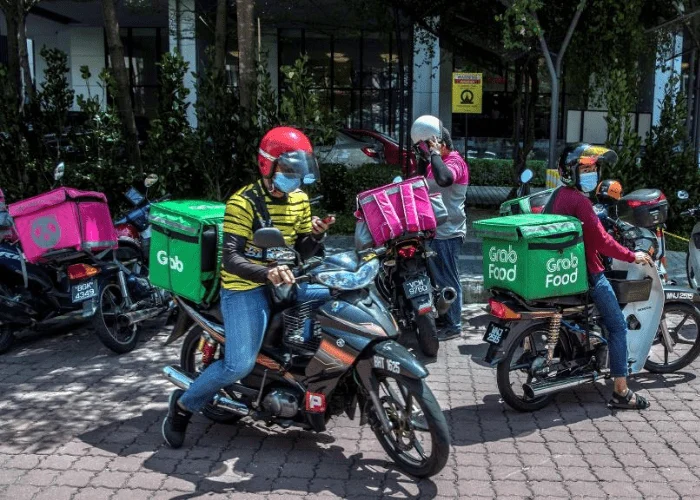
A further RM20 million has been specifically earmarked for skill development among gig workers, a rapidly expanding segment of the Malaysian workforce, particularly those engaged in ride-hailing and delivery services. The gig economy, while offering flexibility and income-generating opportunities, often comes with inherent challenges such as income instability, lack of formal benefits, and limited access to professional development.
This targeted funding recognizes the significant contribution of gig workers to the Malaysian economy and aims to provide them with opportunities to enhance their skills, improve their earning potential, and potentially transition into more stable employment or entrepreneurial ventures. The training programs could focus on areas such as digital literacy, customer service excellence, financial management, basic business acumen, and even specialized skills that could diversify their income streams beyond traditional gig work. This initiative not only empowers individual gig workers but also contributes to the formalization and professionalization of the gig economy, fostering greater economic security and social mobility for a demographic that has historically operated with fewer protections. Estimates suggest that the gig economy comprises a significant percentage of the Malaysian workforce, with hundreds of thousands relying on it for primary or supplementary income. This dedicated allocation signifies a progressive step towards ensuring inclusivity in national development efforts.
Extending Social Safety Nets Beyond Borders: SOCSO for Overseas Workers
In a landmark policy shift reflecting a deeper commitment to the welfare of all Malaysian citizens, the government plans to amend the Self-Employment Social Security Act 2017. This crucial legislative change will extend SOCSO protection to Malaysians working abroad, a move that addresses a long-standing gap in social security coverage for expatriate workers. The initial phase of this expanded coverage will focus on cross-border workers commuting between Malaysia and Singapore, a demographic estimated to exceed 480,000 individuals.
These cross-border workers, often daily or weekly commuters, contribute significantly to both economies but have traditionally lacked comprehensive social security coverage for work-related injuries, disabilities, or death while employed outside Malaysian jurisdiction. The amendment will allow these workers to contribute to SOCSO, thereby gaining access to a range of benefits similar to those enjoyed by workers within Malaysia, including medical benefits, temporary and permanent disablement benefits, constant attendance allowance, dependents’ benefit, and funeral benefit. This initiative provides a critical layer of financial security and peace of mind for a substantial segment of the Malaysian diaspora, many of whom send remittances back home, contributing to the national economy. The move also highlights the government’s recognition of the increasingly globalized nature of work and its responsibility to protect its citizens regardless of their geographical location of employment. The logistical implications of implementing this across borders will require close cooperation with Singaporean authorities, setting a precedent for potential future expansions to other countries with significant Malaysian worker populations.
Bolstering Business Resilience: Support for SMEs
Complementing the workforce-centric measures, the government has also introduced a suite of funding and guarantee facilities aimed at supporting businesses, particularly Small and Medium Enterprises (SMEs). These measures are designed to ease financial pressure on businesses amidst ongoing global disruptions, which include volatile energy prices, supply chain bottlenecks, rising inflation, and fluctuating interest rates.
SMEs are the backbone of the Malaysian economy, accounting for over 98% of all business establishments, contributing significantly to the Gross Domestic Product (GDP), and employing a substantial portion of the national workforce. Their resilience is therefore paramount to overall economic stability. The expanded financing support and relief facilities will likely include access to preferential loans, credit guarantees, and potentially grants for business transformation, digitalization, or adoption of sustainable practices. These measures are critical for helping SMEs weather economic storms, retain employees, and invest in growth, thereby safeguarding jobs and ensuring the continued vibrancy of the domestic economy. Such targeted support prevents insolvencies and helps maintain the productive capacity of the private sector, which is essential for post-pandemic recovery and long-term expansion.
Sustaining Economic Stability: The Role of Fuel Subsidies
In a deliberate policy decision aimed at directly cushioning the impact of global economic fluctuations on ordinary citizens, the Malaysian government has opted to maintain subsidised fuel rates. This decision comes despite the backdrop of rising global oil prices, which would typically translate into higher costs at the pump. The rationale behind this measure is explicitly to mitigate the inflationary pressures on workers, especially those in lower-income groups, who are most vulnerable to increases in the cost of living.
Fuel subsidies are a double-edged sword: while they provide immediate relief to consumers and help control inflation, they also represent a significant fiscal burden on the government. In 2023, fuel subsidies alone cost the Malaysian government billions of ringgit. However, the current administration views this as a necessary expenditure to protect the purchasing power of its citizens and prevent a further erosion of household incomes. By keeping transportation costs stable, the government helps to stabilize the prices of goods and services, which are heavily influenced by logistical expenses. This measure is a testament to the government’s commitment to social equity and ensuring that economic growth is inclusive, not leaving behind the most vulnerable segments of society. The long-term sustainability of such subsidies remains a subject of ongoing debate, but for the immediate future, they serve as a critical component of the nation’s economic stability strategy.
Broader Context: Workers’ Day and National Economic Strategy
The announcement of the PACE initiative on May 1st, International Workers’ Day, is highly symbolic. This day traditionally serves as a platform for governments worldwide to reaffirm their commitment to labour rights, welfare, and economic justice. In Malaysia, it provided the perfect backdrop for Prime Minister Anwar Ibrahim to articulate his administration’s vision for an inclusive, resilient, and future-ready workforce.
The PACE initiative aligns seamlessly with the broader economic framework championed by the current government, often referred to as the Madani Economy. This framework emphasizes sustainable growth, good governance, and equitable distribution of wealth, with a strong focus on strengthening social safety nets and enhancing human capital. The initiative also complements the objectives outlined in the 12th Malaysia Plan, which stresses the importance of fostering a highly skilled workforce, driving innovation, and building economic resilience against external shocks. By investing in its people and their economic security, Malaysia aims to transition into a high-income nation, reduce income disparities, and ensure that its economic development benefits all segments of society.
Anticipated Impact and Expert Perspectives
The comprehensive nature of the PACE initiative is expected to yield multi-faceted benefits across the Malaysian economy. For workers, it promises enhanced job security through better social protection, improved employability via targeted training, and greater equity for previously underserved groups like gig workers and overseas Malaysians. Businesses, particularly SMEs, will benefit from a more stable and skilled workforce, along with crucial financial support to navigate challenging economic conditions.
Industry analysts are likely to view PACE as a timely and necessary intervention. "This initiative demonstrates a clear understanding of the evolving challenges in the labour market," commented a hypothetical senior economist from a Malaysian think tank. "The dual focus on immediate social protection and long-term skill development is crucial for Malaysia’s competitiveness. Extending SOCSO to overseas workers is particularly commendable, addressing a long-standing need for a significant segment of our workforce." However, implementation will be key. The effectiveness of the training programs will depend on their alignment with actual industry needs, and the administrative efficiency of distributing funds and benefits will be critical to achieving the desired impact. The long-term fiscal implications of maintaining substantial subsidies and expanding social security coverage will also need careful management.
In conclusion, the RM710 million PACE initiative represents a pivotal strategic investment by the Malaysian government in its human capital and economic resilience. By addressing the immediate needs of workers and businesses while simultaneously preparing the nation for future economic shifts, Malaysia is positioning itself for sustainable and inclusive growth in an increasingly complex global environment. The initiative underscores a profound commitment to the welfare of its citizens, recognizing that a protected, skilled, and adaptable workforce is the bedrock of a prosperous nation.