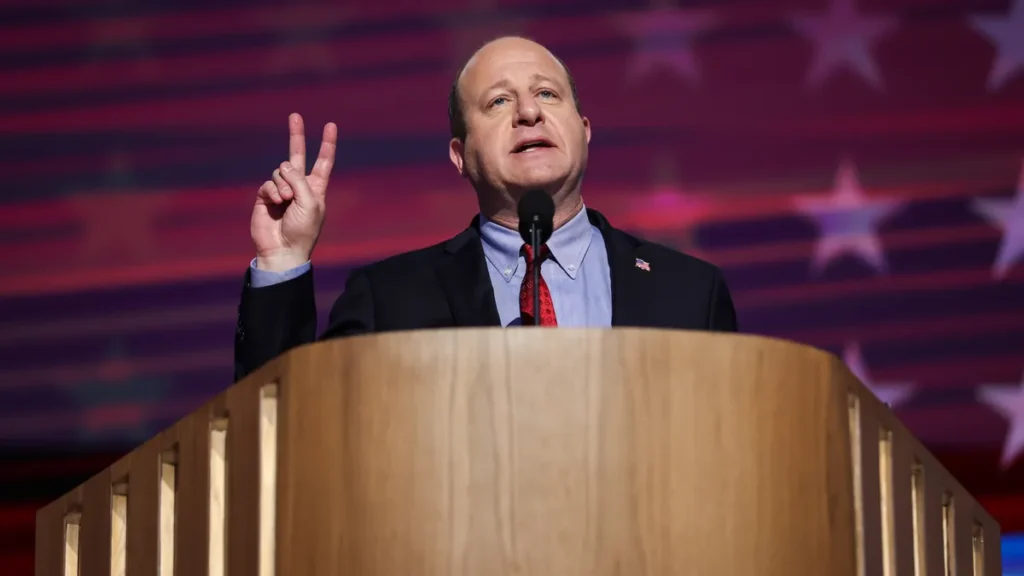
Denver, CO – Colorado Governor Jared Polis is poised to make a critical decision on a groundbreaking piece of legislation that seeks to significantly restrict employers’ use of artificial intelligence (AI) in setting wages. The bill, which has passed both chambers of the state legislature, aims to combat what proponents describe as the "weaponization" of private data to suppress salaries. Governor Polis has yet to publicly declare his intentions regarding the bill, though reports indicate he harbors concerns about its potential impact on free-market principles. This legislative move positions Colorado once again at the forefront of regulating emerging technologies, following its earlier, also contentious, 2024 AI discrimination law.
The proposed legislation arrives amidst a growing national discourse surrounding the ethical implications and societal impact of AI, particularly in sensitive areas like employment. Lawmakers supporting the bill argue that sophisticated algorithms, often powered by vast troves of personal data collected without explicit consent, are being deployed by corporations to determine the lowest possible salary an individual might accept. This practice, they contend, unfairly disadvantages workers, stifles wage growth, and creates an uneven playing field for small businesses that cannot leverage such advanced data analytics.
The Proposed Legislation: An Overview
The bill specifically targets the use of AI in wage-setting mechanisms, asserting that such practices, when exploitative, constitute a deceptive trade practice under the Colorado Consumer Protection Act. If signed into law, violators would face enforcement actions from the state attorney general, potentially including fines and other punitive measures. The core of the bill rests on the premise that individuals’ online activities—from browsing habits and purchasing patterns to social media engagement—are being surreptitiously analyzed to gauge their financial needs and leverage, ultimately influencing salary offers.
According to a release from the Colorado House Democrats, this data-driven approach allows corporations to "price-gouge" job applicants and intentionally present "low-ball salaries." The legislative intent is clear: to push back against these perceived deceptive practices, protect Coloradans’ financial well-being, foster a more competitive market for small businesses, and ultimately boost incomes for the state’s workforce. The legislation aims to bring transparency and fairness to a realm increasingly dominated by opaque algorithmic decision-making.
Driving Forces Behind the Bill: Proponents’ Perspectives
The urgency behind this bill stems from a growing awareness among lawmakers of how rapidly AI is transforming various industries, including human resources and compensation. Proponents, spearheaded by figures like Representative Javier Mabrey, articulate a vision where individual privacy is paramount and technological advancements do not come at the expense of worker rights. "Our online activity, not just what we post and buy, is being used to price-gouge us and intentionally offer low-ball salaries to pad the pockets of mega-corporations," Rep. Mabrey stated in the Democrats’ release. He emphasized the bill’s dual purpose: "We’re pushing back against these deceptive practices to save Coloradans money, allow small businesses to stay competitive in the market and increase incomes for the hardworking people of our state."
The argument posits that the current unchecked use of AI in wage setting creates an information asymmetry, where employers possess an unprecedented level of insight into a candidate’s financial vulnerabilities, geographic mobility, and perceived salary expectations. This allows for hyper-personalized, often lower, wage offers that are not necessarily reflective of market value or an individual’s skills and experience. By classifying such practices as deceptive trade practices, the bill seeks to empower individuals and the state attorney general to challenge these opaque and potentially exploitative uses of technology.
Industry Opposition and Concerns
While lauded by worker advocates, the bill has encountered significant resistance from various segments of the business community, particularly tech-focused groups and broader business chambers. Their primary concerns revolve around the broad definitions within the legislation and the potential for unintended consequences that could stifle innovation and impose undue burdens on companies.
Travel Tech, an association representing members of the travel technology industry, was among the first to voice opposition. In a letter sent to the Colorado House Business Affairs and Labor Committee in March, the organization expressed reservations about the bill "as written," primarily citing "consumer-facing elements" that they believed needed clarification or amendment. While their initial focus was on the consumer pricing aspects, the underlying concern about how algorithms determine pricing—whether for travel services or labor—remains central.
More recently, the Chamber of Progress, another prominent tech-focused advocacy group, explicitly urged Governor Polis to veto the bill. Their opposition also honed in on consumer stipulations, particularly the potential impact on personalized discounts and dynamic pricing models. They argue that such legislation could inadvertently eliminate beneficial practices for consumers, even as it targets wage-setting. The line between using AI for personalized consumer offers and using it to set wages is often blurred in these discussions, highlighting the complexity of regulating AI across different domains.
The Colorado Chamber of Commerce also raised substantial concerns about the bill in March. They specifically highlighted the expansive nature of the definitions used in the proposed law. "Because the definitions in the bill are so broad, they could capture common tools such as scheduling systems, HR software and performance analytics platforms," the Chamber stated. This concern underscores a fear that the legislation, while well-intentioned, might inadvertently criminalize or severely restrict the use of widely adopted, non-malicious HR technologies that use data analytics for operational efficiency rather than wage suppression. Companies leverage AI-powered HR software for tasks ranging from optimizing shift schedules and managing employee performance to identifying skill gaps and streamlining recruitment. If these tools, even tangentially, influence compensation decisions through performance metrics or resource allocation, they could fall under the bill’s purview, creating a compliance nightmare for businesses operating in Colorado.
Governor Polis’s Deliberation and Past Precedent
Governor Jared Polis’s decision on this bill is highly anticipated, especially given his prior cautious approach to AI regulation. He has 30 days to either sign or veto the surveillance bill from the moment it reaches his desk. While he has not yet made a public statement regarding this specific legislation, a spokesperson for his office reportedly told The Denver Post in April that the Governor is "concerned about policies that interfere with the free market." This sentiment provides a crucial insight into his potential leanings, suggesting a cautious stance on regulations that could be perceived as governmental overreach into economic activities.

This current deliberation echoes the Governor’s actions regarding Colorado’s 2024 AI discrimination law. That landmark legislation, signed by Polis, requires employers and other entities utilizing AI in hiring and employment decisions to exercise "reasonable care" to protect against algorithmic discrimination. While groundbreaking, Polis signed that bill with "some concern," specifically noting that it "could hamper development in the state." His previous comments indicate a delicate balancing act between fostering innovation and protecting citizens, a tension that is clearly present in the current wage-setting bill.
Colorado’s Broader AI Regulatory Landscape: A Chronology
Colorado has emerged as a national leader, and sometimes a lightning rod, for AI regulation. The state’s legislative efforts reflect a proactive approach to addressing the societal implications of rapidly advancing technology.
- 2024 AI Discrimination Law: In the spring of 2024, Colorado passed Senate Bill 24-205, becoming the first state to comprehensively regulate AI in employment decisions. This law mandates that developers and deployers of high-risk AI systems take "reasonable care" to prevent algorithmic discrimination based on protected characteristics like race, gender, and disability. It also requires impact assessments and transparency reports. Governor Polis signed this bill, albeit with public reservations about its potential impact on technological innovation within the state.
- Implementation Delays and Industry Pushback: Originally slated to take effect in February of the current year, the implementation of the 2024 AI discrimination law was subsequently delayed until late June. This postponement was a direct result of significant feedback from the business community and tech industry, which sought more time to understand and comply with the complex regulations, as well as to push for amendments to its particulars. The delay highlighted the practical challenges of translating broad regulatory principles into actionable compliance measures.
- Legal Challenges: The 2024 law has also faced legal challenges. Most notably, Elon Musk’s AI company, xAI, filed a lawsuit alleging that the Colorado AI bias law is unconstitutional, arguing it stifles innovation and free speech. That lawsuit is currently on hold, pending further clarity from Colorado lawmakers on how the law will be implemented and interpreted. This legal battle underscores the significant economic and constitutional stakes involved in AI regulation.
- The Current Wage-Setting Bill: The present bill targeting AI in wage setting is a direct continuation of this regulatory trajectory. It signals Colorado’s intent to extend its oversight beyond hiring and into the core aspects of employment compensation, reflecting a deeper dive into the economic impacts of AI.
This chronology illustrates Colorado’s pioneering, yet often contested, role in shaping the legal and ethical framework for AI. Each step has been met with both acclaim from advocates and apprehension from industry, creating a dynamic and evolving regulatory environment.
The Rise of AI in Human Resources and Wage Setting
The debate in Colorado is set against the backdrop of a significant global trend: the increasing integration of AI into human resources functions. AI-powered tools are now widely used across the employee lifecycle, from recruitment and onboarding to performance management and compensation.
- Recruitment and Hiring: AI algorithms assist in sifting through vast numbers of resumes, identifying candidates whose profiles match job descriptions, and even conducting initial interviews through chatbots or video analysis.
- Performance Management: AI can track employee productivity, analyze communication patterns, and provide data-driven insights for performance reviews and development plans.
- Compensation and Benefits: This is where the Colorado bill directly intervenes. AI is increasingly utilized to analyze market data, internal equity, individual performance metrics, and even external socioeconomic factors to recommend salary ranges, bonuses, and benefits packages. Some systems go further, leveraging predictive analytics on employee turnover risk or individual financial profiles to optimize wage offers.
The purported benefits of AI in HR include increased efficiency, reduced bias (by standardizing evaluation criteria, though this is debated), and data-driven decision-making. Industry reports indicate that the global HR AI market is projected to grow significantly, with AI-powered tools expected to be utilized by over 70% of large corporations for various HR functions by 2030. However, the risks are substantial. Algorithmic bias, often embedded in historical data that reflects past discrimination, can perpetuate and even amplify existing inequalities. The lack of transparency in how these algorithms make decisions—often referred to as the "black box" problem—makes it difficult for individuals to challenge outcomes or understand the rationale behind a salary offer. Experts suggest that algorithmic bias can exacerbate wage gaps by 5-10% in certain sectors if not properly mitigated, disproportionately affecting marginalized groups. This lack of transparency also creates a power imbalance, where employers hold all the cards, leaving employees with little recourse.
Potential Economic and Social Implications

The Governor’s decision will have far-reaching implications, not just for Colorado but potentially for the national conversation on AI regulation.
- For Employees: If signed, the bill could usher in an era of greater transparency and fairness in wage setting. Employees might feel more protected from opaque algorithmic practices and have stronger legal grounds to challenge perceived unfair offers. This could lead to an overall increase in incomes for Coloradans, as employers might be compelled to justify wage offers with more transparent and objective criteria, rather than relying on sophisticated algorithms to drive wages down. It would also serve as a crucial step towards safeguarding individuals’ private data from being weaponized against them in economic transactions.
- For Businesses: The immediate impact would be increased compliance burdens. Companies operating in Colorado would need to audit their HR and compensation systems to ensure they do not violate the new prohibitions. This could lead to a re-evaluation of current AI tools and potentially a shift towards more transparent, explainable AI models. Small businesses, which often rely on third-party HR software, might face challenges in determining compliance. There is a legitimate concern among business groups that the broad definitions could stifle innovation, making Colorado a less attractive state for tech companies developing advanced HR solutions. It might also impact personalized pricing models in other sectors if the interpretation of "deceptive trade practice" extends beyond wage setting. The cost of compliance, including legal reviews and system overhauls, could be substantial, particularly for companies with sophisticated global HR operations.
- For the Tech Industry: Colorado’s stance sends a clear signal to AI developers: the era of unregulated AI deployment, especially in high-stakes areas like employment, is drawing to a close. This could spur the development of "ethical AI" solutions that prioritize transparency, fairness, and accountability by design. However, it also creates a fragmented regulatory landscape, potentially requiring different AI products for different states, adding complexity and cost.
- Precedent for Other States: Colorado has consistently acted as a "bellwether" state in various policy areas, and its approach to AI regulation is no exception. A successful implementation of this wage-setting bill could inspire similar legislation in other states, creating a ripple effect across the nation. States like California, New York, and Illinois, which are also actively exploring AI regulation, will undoubtedly be watching Colorado’s experience closely. The success or failure of this bill, both in legislative terms and in its practical application, will inform future regulatory efforts nationwide.
Looking Ahead: The Governor’s Decision and Beyond
Governor Polis’s decision, expected within the next few weeks, will be a pivotal moment for Colorado’s economic and technological future. If he signs the bill, it would take effect in August, setting a new standard for how AI can be used in employment compensation. Such a move would likely be met with applause from labor advocates and privacy groups, while also facing continued scrutiny and potential legal challenges from the business community, much like its predecessor. Companies would need to move swiftly to assess and adapt their practices to avoid being deemed in violation of the Colorado Consumer Protection Act.
Conversely, a veto from Governor Polis would signify a prioritization of free-market principles and a cautious approach to governmental intervention in technological innovation. This would be a win for the business and tech sectors, potentially easing concerns about a heavy regulatory hand. However, it would also likely disappoint proponents of worker rights and data privacy, who would then need to explore alternative legislative or advocacy pathways.
Regardless of the outcome, the debate surrounding AI’s role in wage setting is far from over. It is a microcosm of the larger societal challenge: how to harness the immense potential of artificial intelligence while mitigating its risks and ensuring it serves human flourishing rather than undermining it. Colorado’s legislative journey on this issue will undoubtedly continue to contribute to the evolving national and international conversation on responsible AI governance.