The contemporary business environment is characterized by unprecedented flux, driven by the rapid advancement of artificial intelligence and significant shifts in the global political and economic order. These transformative forces are fundamentally reshaping the demands placed upon leaders, necessitating a re-evaluation of established leadership paradigms. This analysis delves into the critical changes impacting leadership today, drawing on recent research and historical perspectives to illuminate the evolving role of those at the helm of organizations.
The Decoupling of Employee and Organization: Leading a "Voluntary Army"
One of the most profound shifts in leadership dynamics over the past half-century is what experts term the "decoupling" of the employee from the traditional organizational structure. Historically, the industrial age fostered a hierarchical model where leaders could issue directives, and employees, bound by employment contracts and societal expectations, would largely comply. This "boss-subordinate" relationship, deeply embedded in corporate culture and HR practices, is now facing obsolescence.
The modern workforce operates more akin to a "voluntary army." Today’s professionals, including contingent workers and increasingly, AI-powered "Superworkers," bring with them a distinct set of needs, aspirations, and challenges that extend beyond mere job security. Their engagement is not a given; it is a daily "opt-in" decision. Consequently, traditional levers of power—authority and hierarchy—are proving less effective. They are being superseded by a more ephemeral, yet crucial, currency: trust.
Building this trust requires a deliberate focus on several key areas. Leaders must excel at articulating a clear and compelling mission, empowering individuals with autonomy and opportunities for growth, and actively soliciting and valuing new ideas. In an era of hyper-specialization, where individual expertise can surpass that of management, fostering an environment where employees feel safe to challenge and innovate is paramount. As one industry analyst observed, "The idea that a leader has all the answers is a relic of the past. Today’s challenges demand collective intelligence, and that can only be unlocked through genuine empowerment and active listening."
This decoupling, a process that has been gradually unfolding for decades, has been dramatically accelerated by the advent of sophisticated AI technologies. A single engineer or a highly skilled professional, armed with cutting-edge knowledge and tools, possesses the potential to radically innovate or even disrupt an entire industry. This reality compels leaders to adopt a posture of continuous engagement, empowerment, and openness to insights from all levels of their organization. The ability to harness the collective intelligence of the workforce, rather than relying solely on top-down directives, is now a defining characteristic of effective leadership.
The Imperative of Iteration: Shifting from Perfection to Agility
A second critical transformation in leadership is the shift from an emphasis on "doing it perfectly" to "doing it now." The rapid proliferation of AI technologies presents organizations with powerful, yet inherently unpredictable, tools. The pressure to adopt these innovations is immense, with the unspoken threat that failure to do so could jeopardize organizational survival. This often triggers a natural inclination to meticulously research, strategize, and aim for a flawless implementation before any action is taken.
However, as observed in recent engagements with leading corporations such as IBM, Standard Chartered, and Mastercard, the pursuit of a "perfect" solution in the context of AI is frequently a recipe for stagnation and failure. In the industrial age, it was common to await the release of a fully polished, version 1.0 product before bringing it to market. This approach is no longer tenable in the current landscape.

Leaders must cultivate a comfort level with imperfection. Companies like IBM, for instance, demonstrated this agile mindset by transitioning from Workday to SuccessFactors within an ambitious 18-month timeframe, acknowledging that the initial implementation would not be flawless. Similarly, Microsoft is actively deploying its Copilot AI agents across various functions, even as new use cases and potential refinements are continuously being discovered. The era of waiting until a solution is "completely ready" has effectively ended.
The journey from an initial concept to a fully realized outcome is rarely a straight line. Instead, it is a dynamic process characterized by a series of iterations, unavoidable mistakes, and incremental improvements. The leader’s role, therefore, evolves from that of a perfect planner to that of a strategic facilitator. They must maintain the organization’s focus on the core problem or customer need, while simultaneously fostering an environment where teams are empowered to experiment, learn from failures, and adapt rapidly. This iterative approach allows organizations to remain agile and responsive in a constantly changing technological and market environment.
The Resurgence of Trust, Ethics, and Inclusion
A third significant evolution in leadership is the renewed emphasis on core values, ethical conduct, and inclusive practices. The current media landscape is often dominated by instances of political discord and the pervasive spread of misinformation, sometimes amplified by AI-generated content. In this environment, discerning verifiable truth can be an increasingly arduous task.
Leaders are tasked with actively counteracting this trend. The underlying rationale is that the vast majority of individuals possess an intrinsic ethical compass and a desire to align themselves with organizations they can trust. When leaders compromise their integrity, bend ethical rules, or engage in unfair treatment, the consequences extend far beyond legal repercussions. Such actions can profoundly damage employee morale, stifle innovation, and erode the very foundation of organizational culture.
As highlighted in extensive research on organizational success, "the unquenchable power of the human spirit" remains the most potent, yet often overlooked, business asset. This inherent human drive for meaning and fairness is deeply connected to an organization’s ethical standing and its commitment to inclusivity.
The Decline of Institutional Trust and the Leader’s Mandate
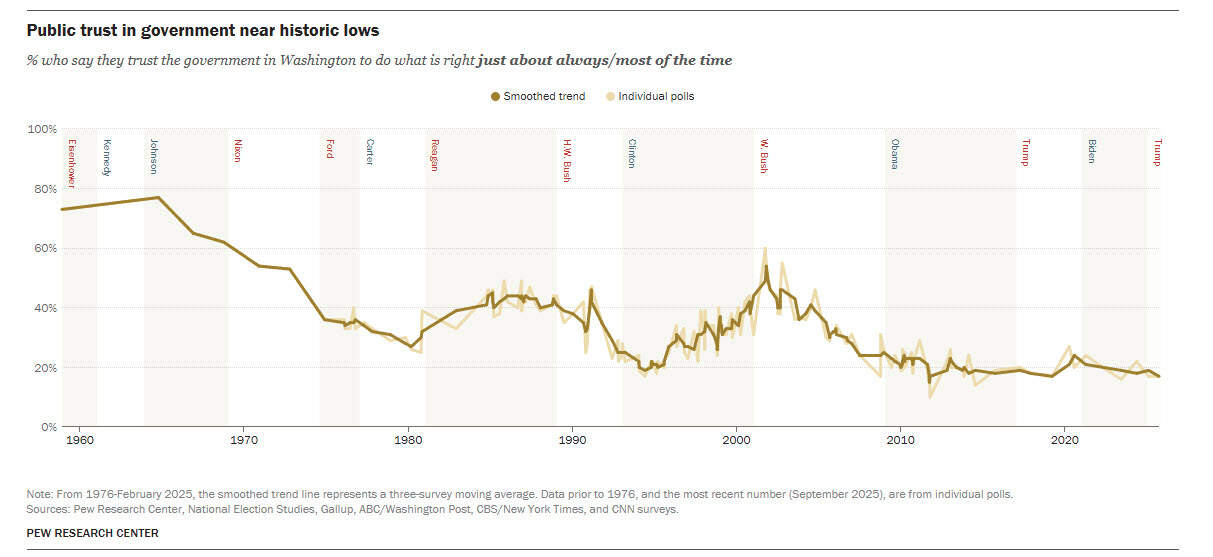
The contemporary era is marked by a significant and concerning decline in public trust across various institutions. In the United States, for example, data from the 1960s indicates that approximately 80% of Americans expressed trust in their government. By contrast, recent surveys reveal this figure has plummeted to around 17%. This erosion of confidence creates a vacuum that leaders within organizations are increasingly expected to fill.
This mandate to rebuild trust is not merely a matter of public relations; it is a fundamental requirement for sustained organizational health and performance. The implications are far-reaching, impacting everything from employee retention and customer loyalty to brand reputation and long-term strategic viability. Organizations that fail to address this trust deficit risk alienating stakeholders and undermining their own capacity for growth.
To effectively bridge this trust gap, leaders must prioritize open communication, actively listen to their employees, and remain steadfast in their commitment to core values. In an environment where discussions around diversity, equity, and inclusion (DEI) are sometimes met with resistance, leaders must nonetheless champion these principles. Speaking truth to power, taking principled stands on critical issues, and fostering an environment where diverse perspectives are genuinely heard are not just progressive ideals; they are essential leadership behaviors for the modern age. These actions demonstrate a commitment to a shared moral compass and contribute to building a more resilient and trustworthy organization.
The Critical Importance of Leadership Development
In conclusion, the overarching imperative for organizations today is to critically reassess and revitalize their leadership models. The capacity of any organization to adapt to rapid change and navigate complex challenges is inextricably linked to the quality of its leadership. Leaders who can effectively drive transformation, inspire energy and engagement, and consistently uphold organizational values are no longer merely beneficial; they are indispensable assets.
The development of these forward-thinking leaders is therefore more crucial than ever. Organizations must invest in programs and initiatives that cultivate the skills and mindsets required for this new era of leadership. This includes fostering adaptability, promoting ethical decision-making, and building capabilities in areas such as AI integration and human-centric management.
The Path Forward: Embracing the "Supermanager" Concept
Recent research, particularly the emerging "Supermanager" framework, offers valuable insights into the evolving demands of leadership. Supermanagers are characterized by their ability to effectively manage talent, optimize team performance, and drive organizational impact through a combination of strong strategic vision and empathetic, people-focused practices. They excel at identifying and nurturing high-potential individuals, fostering collaboration, and creating environments where employees can thrive.
The ongoing development of AI tools, such as Galileo, aims to democratize access to leadership development resources. These platforms leverage extensive research and data to provide personalized guidance, skill-building modules, and best-practice frameworks for leaders at all levels. By offering AI-powered leadership academies and assessment tools, organizations can equip their managers with the knowledge and competencies necessary to lead effectively in the age of AI and beyond.
As the business landscape continues its rapid evolution, the focus on developing adaptive, ethical, and trust-building leaders will only intensify. Organizations that proactively embrace these changes and invest in their leadership pipeline will be best positioned to thrive in the complex and dynamic future that lies ahead. The upcoming annual research conference, "Irresistible 2026," is set to launch significant new offerings in this domain, underscoring the critical and ongoing dialogue surrounding the future of leadership.