
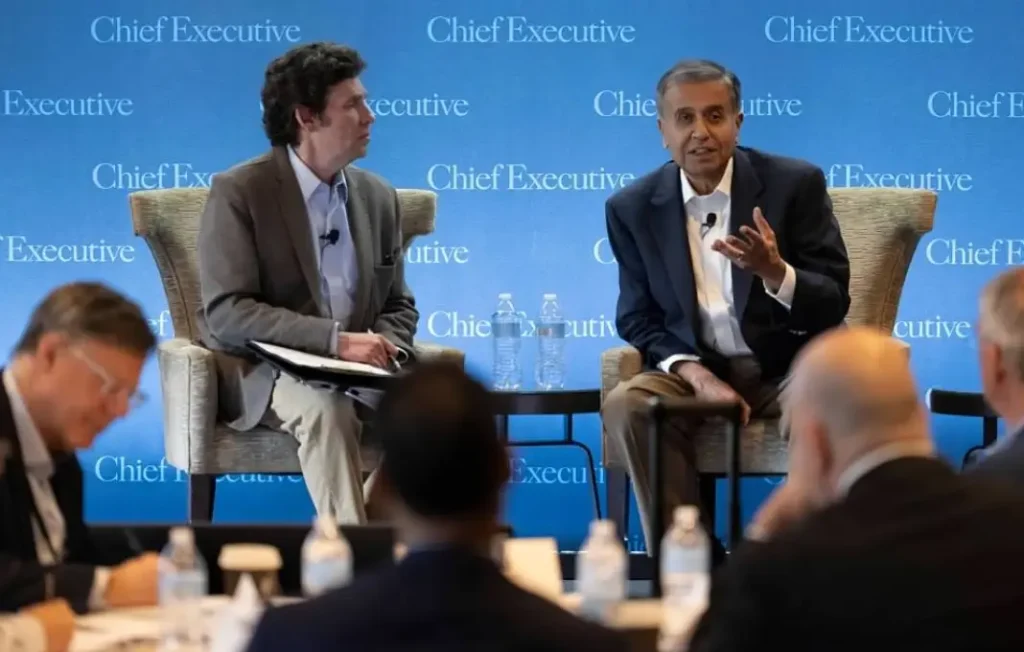
The relentless currents of global economic uncertainty, punctuated by escalating tariffs, geopolitical tensions with China, the transformative potential of Artificial Intelligence (AI), and persistent margin pressures, are fundamentally reshaping the manufacturing landscape. Amidst this dynamic and often volatile environment, a crucial insight has emerged from the heartland of American industry: the most potent and enduring competitive advantage lies not in technology alone, but in the cultivation of a deeply engaged and empowered workforce. This principle was a central theme at the recent 2026 Manufacturing Leadership Summit held in St. Louis, Missouri, a three-day gathering that underscored the profound and often underestimated power of human capital in driving manufacturing excellence.
The St. Louis Model: A Blueprint for People-First Manufacturing
The summit, which brought together manufacturing leaders and innovators, provided a unique opportunity to witness firsthand the "St. Louis Model" of manufacturing operations. This approach, exemplified by companies such as Barry-Wehmiller, The Gund Company, Cambridge Air Solutions, and Wadlow Electric, challenges the conventional wisdom that prioritizing people and maintaining high-performance business operations are mutually exclusive. Instead, these organizations have demonstrated that these two imperatives are intrinsically linked, forming the bedrock of their sustained success.
Attendees of the summit engaged in site visits and discussions with leadership teams from these prominent St. Louis-based manufacturers. The common thread weaving through their operational philosophies was a commitment to cultivating a culture where genuine care for employees is not a philanthropic endeavor but a strategic imperative. This people-centric approach, coupled with rigorous operational discipline and a relentless pursuit of continuous improvement, has yielded remarkable results, defying industry norms and setting new benchmarks for operational efficiency and financial performance.
Quantifiable Success: The Data Behind the "St. Louis Model"
The efficacy of the St. Louis Model is not merely anecdotal; it is demonstrably backed by robust financial and operational data. The Gund Company, for instance, consistently ranks within the top 2.5 percent of publicly traded companies based on key financial metrics. This impressive performance is directly attributed to their unwavering focus on employee well-being and engagement.
Cambridge Air Solutions offers another compelling case study. Over the past decade, the company has consistently achieved an average bottom-line profit of 12 percent. Furthermore, in a testament to their operational efficiency and workforce productivity, they have experienced a remarkable 40 percent increase in revenue per employee over a five-year period. Perhaps one of the most striking indicators of their people-first culture is their regrettable turnover rate, which hovers between a mere 1-3 percent. This stands in stark contrast to the industry average of approximately 45 percent, highlighting the profound impact of a supportive and engaging work environment on employee retention.
Rich Gund, a key figure in the St. Louis manufacturing community, articulated this philosophy with clarity: "You’re not going to produce a product by a bunch of random acts. You have to build processes and systems." He further emphasized that this principle extends to the very fabric of organizational culture, suggesting that a thriving culture is itself a meticulously constructed system, not a spontaneous occurrence.
A Legacy of Shared Best Practices: The Interconnectedness of Innovation
A significant aspect of the St. Louis Model is its inherent replicability and the willingness of its proponents to share their hard-won knowledge. The success of these companies is not the result of isolated breakthroughs but rather a testament to a continuous evolution of best practices, often borrowed and adapted from one another and from established methodologies.
The leadership at The Gund Company, for example, openly acknowledges that their people-first culture was not invented in isolation. They benchmarked their practices against those of Barry-Wehmiller, a company renowned for its deep commitment to its workforce. Barry-Wehmiller, in turn, has drawn inspiration from other forward-thinking organizations and has been a significant influence on lean manufacturing principles, tracing its roots back to the foundational practices of Toyota.
John Kramer of Cambridge Air Solutions echoed this sentiment, underscoring the collaborative spirit that fuels innovation within the St. Louis manufacturing ecosystem. This cross-pollination of ideas and strategies has created a fertile ground for sustained improvement, allowing companies to build upon each other’s successes and collectively elevate the standards of the industry.
The Playbook: Practical Strategies for Cultivating a People-First Culture
The "playbook" derived from the St. Louis Model is rich with actionable strategies that any manufacturing organization can implement to foster a more engaged and productive workforce. These practices, far from being esoteric, are grounded in fundamental principles of human connection and organizational discipline. Key elements include:
- Daily All-Company Stand-Up Meetings: These brief, structured gatherings foster transparency, alignment, and a sense of shared purpose. They provide a platform for quick updates, problem-solving, and reinforcing company values.
- Structured Listening Programs: Actively seeking and responding to employee feedback is paramount. These programs ensure that concerns are heard, ideas are captured, and employees feel valued and respected.
- Frontline-Owned Continuous Improvement Time: Allocating dedicated time (e.g., 30 minutes daily) for frontline employees to identify and implement improvements empowers them to take ownership of their work processes and drive incremental gains.
- Servant Leadership Training for Every Manager: This approach emphasizes that leaders’ primary role is to serve their teams, removing obstacles, fostering growth, and creating an environment where employees can thrive.
- Individual Development Conversations: Moving beyond traditional performance reviews, these conversations focus on an employee’s long-term aspirations. Questions like "Where do you want to be in five years?" instead of "Here’s your performance rating" shift the focus from evaluation to empowerment and career development.
These strategies, when implemented consistently, create a virtuous cycle: engaged employees are more productive, innovative, and committed to the company’s success, which in turn leads to better financial performance and a more sustainable business.
Navigating the Uncertainties: The Enduring Relevance of People
The insights gleaned from the St. Louis manufacturing community are particularly relevant in today’s challenging economic climate. The complexities of global trade, the rapid advancements in AI and automation, and the ever-present risk of workforce disruptions necessitate a strategic approach that prioritizes human resilience and adaptability.
- Tariffs and Geopolitical Shifts: In an era of unpredictable trade policies and shifting global alliances, companies that can rely on a loyal, skilled, and adaptable workforce are better positioned to pivot and weather economic storms. Employee engagement fosters a willingness to embrace change and find innovative solutions to supply chain disruptions or market access challenges.
- The AI Revolution: While AI and automation are poised to revolutionize manufacturing, their successful integration depends on human oversight, creativity, and problem-solving. A highly engaged workforce is more likely to embrace new technologies, collaborate effectively with AI systems, and leverage these tools to enhance, rather than replace, human capabilities. The focus shifts from simply automating tasks to augmenting human potential.
- Margin Pressure: In a competitive market where profit margins are constantly under scrutiny, a highly productive and efficient workforce is a critical differentiator. Engaged employees are more likely to identify cost-saving opportunities, reduce waste, and contribute to higher output with fewer resources. The high retention rates seen in St. Louis-based companies directly translate to reduced recruitment and training costs, further bolstering margins.
- Workforce Risk: The ongoing challenges of talent acquisition and retention in the manufacturing sector are well-documented. Companies that invest in their people, foster a positive work environment, and offer clear career development paths significantly mitigate this risk. The St. Louis Model demonstrates that prioritizing employee well-being is not a cost center but a strategic investment in human capital that yields substantial returns in stability and performance.
Broader Implications for the Manufacturing Sector
The success of the St. Louis Model offers a compelling vision for the future of manufacturing. It suggests that the pursuit of technological advancement need not come at the expense of human well-being. In fact, the two can and should be synergistic. As AI and automation continue to permeate the factory floor, the differentiator will increasingly be the quality of human interaction, the depth of employee engagement, and the strength of organizational culture.
Industry analysts have noted that companies that fail to invest in their people risk falling behind. As technology becomes more commoditized, the human element—creativity, problem-solving, collaboration, and adaptability—will become the paramount source of competitive advantage. The St. Louis community has provided a tangible, data-driven demonstration of how this can be achieved, offering a scalable and replicable blueprint for manufacturers worldwide. The ongoing dialogue and shared learning fostered by initiatives like the Manufacturing Leadership Summit are crucial for disseminating these vital lessons and building a more resilient and prosperous manufacturing future. The era of disruption may be upon us, but the tried-and-true path to enduring success remains firmly rooted in the power of engaged people.








