
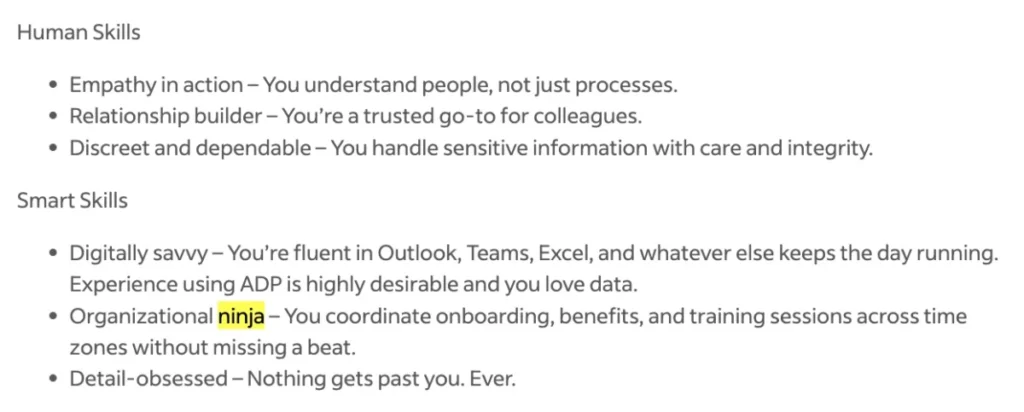
In the competitive landscape of modern talent acquisition, job postings serve as a crucial first impression, often dictating whether an organization attracts or repels top-tier candidates. However, a pervasive issue of "cringeworthy" job advertisements continues to undermine recruitment efforts, creating secondhand embarrassment among job seekers and significantly damaging employer brands. These ill-conceived postings, ranging from the overtly unprofessional to the subtly biased, not only fail to attract suitable applicants but actively deter qualified individuals, signaling a disconnect between a company’s aspirations and its practical approach to talent engagement.
The Evolution of Job Advertisements and Shifting Candidate Expectations
Historically, job advertisements were straightforward, functional listings, primarily disseminated through print media or internal bulletin boards. With the advent of the internet in the late 20th century, and subsequently specialized job boards and professional networking sites like LinkedIn, the medium transformed. Early online postings often mirrored their print predecessors, emphasizing technical skills and a laundry list of requirements. The turn of the millennium brought a desire for more engaging content, leading to the rise of informal, often playful language intended to project a dynamic company culture.
However, the post-2010 era, marked by increasing transparency, the rise of employer review platforms (e.g., Glassdoor), and a growing emphasis on work-life balance and diversity, equity, and inclusion (DEI), fundamentally shifted candidate expectations. Today’s job seekers are not merely looking for a role; they are evaluating a potential employer’s values, culture, and commitment to employee well-being. This shift has rendered many traditional or overly casual approaches to job descriptions obsolete, transforming them from appealing to appalling in the eyes of discerning candidates. What once might have been seen as quirky or innovative now often registers as unserious, vague, or even exclusionary.
Identifying the Usual Suspects: A Taxonomy of Cringeworthy Job Postings
The "ick" factor in job postings stems from several common, recurring tropes and missteps that signal a lack of professionalism, clarity, or awareness.
1. The "Rockstar/Ninja/Unicorn" Phenomenon:
This linguistic trend, once prevalent in startup culture, aimed to convey a dynamic and innovative work environment by seeking exceptional, almost mythical, talent. Phrases like "coding ninja," "marketing rockstar," or "HR unicorn" are still surprisingly common. However, their overuse has rendered them clichés, stripping them of any original appeal. Instead, they now communicate a company that is either out of touch, unable to articulate specific requirements, or seeking an individual to solve all its problems single-handedly. Research indicates that such informal, often exaggerated language can alienate serious professionals who prefer clear, results-oriented descriptions over hyperbolic metaphors. A 2022 study by LinkedIn found that job titles using such jargon were 15% less likely to receive applications from senior professionals.
2. The "Must Thrive in a Fast-Paced Environment" Cliché:
This ubiquitous phrase has become a significant red flag for many candidates. While intending to convey dynamism, it often masks underlying issues such as chronic understaffing, unrealistic deadlines, or a culture of constant "fire drills" and burnout. Modern candidates prioritize work-life balance and seek clarity regarding workload expectations. A 2023 survey by Deloitte revealed that 77% of employees have experienced burnout in their current job, making vague descriptions of "fast-paced" environments a major deterrent. Instead of this ambiguity, specific details about project cycles, team structures, and support systems are far more appealing.
3. "Work Hard, Play Hard"—A Relic of Outdated Culture:
This once-popular mantra, often associated with startup perks like ping-pong tables and free snacks, has largely lost its luster. It frequently implies a culture that glorifies overwork and blurs professional boundaries, with "playing hard" being a superficial compensation for excessive demands. Candidates are increasingly wary of cultures that reward long hours over efficiency and well-being. A 2024 report by Gallup highlighted that companies prioritizing employee well-being over "work hard, play hard" slogans saw a 23% increase in employee engagement and a 10% decrease in turnover. Emphasizing genuine support for balance, flexible hours, and professional development is a more effective and honest approach.
4. Gendered or Biased Language:
Subtle linguistic cues in job postings can inadvertently deter diverse applicants. Words like "aggressive," "dominant," or "competitive" can be unconsciously coded as masculine, while "supportive," "nurturing," or "collaborative" might be coded as feminine. While none of these words are inherently negative, their imbalanced use can shape who perceives themselves as a fit for the role. Harvard Business School research, cited by Heather Barbour Fenty, found that vague job ads caused qualified women to apply 25% less often than men, but specific requirements reversed this trend. This isn’t merely a matter of preference; it has significant implications for DEI efforts and legal compliance. Tools like Ongig’s text analyzer are crucial for identifying and neutralizing such biases, ensuring a broader and more inclusive applicant pool.
5. Unrealistic Experience Requirements: The Time Paradox:
A frequent source of amusement and frustration for candidates is the demand for "10+ years of experience in a tool that’s only been around for 5." This error, often a byproduct of reusing outdated templates or a lack of communication between hiring managers and HR, instantly erodes a company’s credibility. It signals disorganization and a failure to understand the actual market and technological landscape. Such inaccuracies not only frustrate legitimate candidates but also discourage innovative thinkers who may have relevant skills acquired through non-traditional paths. A 2023 study by the Society for Human Resource Management (SHRM) indicated that overly rigid and unrealistic experience requirements are a leading cause of qualified candidates opting out of application processes.
6. Vague "Flexible Workplace" Claims:
In the post-pandemic era, "flexibility" has become a highly sought-after perk, yet its vague application in job postings is a major pitfall. Terms like "hybrid" or "flexible workplace" without specific details leave candidates guessing. Does it mean two days in the office, or four? Is it synchronous or asynchronous? The lack of clarity can lead to significant disillusionment if expectations are not met, resulting in early turnover. Explicitly detailing the number of expected office days, remote work policies, and core collaboration hours fosters trust and accountability, preventing frustrating surprises down the line. A 2023 survey by Buffer found that 98% of remote workers would recommend remote work to others, but clear expectations around hybrid models were paramount for job satisfaction.
7. Excessive Keyword Stuffing:
While keywords are essential for optimizing job postings for Applicant Tracking Systems (ATS) and search engines, their excessive and unnatural use can backfire. An obviously keyword-stuffed job description reads as artificial, AI-generated, and designed for algorithms rather than humans. Astute job seekers, especially younger professionals, are likely to skip positions that appear to prioritize searchability over genuine communication. Canva’s analysis highlighted that jargon-heavy language, often a result of keyword stuffing, alienates younger and underrepresented talent. The focus should shift to a candidate-first approach, emphasizing career advancements, learning opportunities, and a human tone that resonates with applicants.
8. The "Culture Fit" Conundrum:
The pursuit of "culture fit" was once a popular hiring strategy, aiming to bring in individuals who seamlessly integrated into existing team dynamics. However, this concept has increasingly been criticized for inadvertently promoting homogeneity and stifling diversity. Seeking candidates who "fit our vibe" can be particularly triggering for neurodivergent talent or individuals from underrepresented backgrounds, who may interpret it as a signal that their unique perspectives are unwelcome. The prevailing wisdom now advocates for "culture add" – seeking individuals who can inject fresh ideas, diverse perspectives, and innovative approaches, thereby enriching the existing organizational culture rather than simply conforming to it. This shift reflects a broader understanding of DEI’s role in driving innovation and growth.
9. Tricky Salary Ranges:
Pay transparency has become a gold standard in modern recruitment, with several U.S. states and cities implementing laws requiring salary ranges in job postings. However, merely including a range isn’t enough. Extremely broad salary ranges (e.g., $60,000 – $100,000) can be as detrimental as omitting pay details entirely. Such wide spreads can be perceived as unprofessional, deceptive, and indicative of potential loopholes for underpaying talent. Top candidates, who are well-informed about market rates, may view these as red flags and avoid applying. For attracting the best talent, salary spreads should ideally be kept within 15-20%, or any significant disparity must be explicitly justified (e.g., different tiers for varying experience levels). Data from a 2023 Robert Half survey indicated that 70% of professionals believe salary ranges should be included in job postings, and vague ranges often lead to distrust.
10. The "Bottomless Interview" Process:
The candidate experience (CX) is paramount. A job posting that fails to outline the hiring roadmap – including the number of interview stages, expected timelines, and typical response times – can lead to frustration and candidate drop-off. Forbes reported that nearly half of companies lose star talent due to overly complex and opaque hiring processes. Lengthy interview rounds, biased questions, or demanding, uncompensated assessments (e.g., full-fledged product presentations in early stages) contribute to a poor CX. Transparently detailing the recruitment journey empowers applicants, manages expectations, and demonstrates respect for their time and effort, ultimately increasing the likelihood of securing top talent.
Broader Implications and Impact
The proliferation of cringeworthy job postings extends beyond mere annoyance; it carries significant strategic implications for organizations:
- Employer Branding Erosion: Job postings are often the first, and sometimes only, direct interaction a candidate has with a company. A poorly crafted ad can instantly tarnish an employer’s reputation, making it harder to attract talent for future roles.
- Reduced Talent Pool and Diversity: Biased or vague language actively discourages diverse candidates, narrowing the talent pool and undermining DEI initiatives. This not only limits ethical progress but also stifles innovation that comes from varied perspectives.
- Increased Time and Cost-to-Hire: Ineffective job descriptions lead to a higher volume of unqualified applicants, increasing screening time and costs. Conversely, qualified candidates may never apply, prolonging the search for the right fit.
- Candidate Disillusionment and Turnover: Misleading or vague promises in job ads (e.g., about flexibility or culture) can lead to early employee disillusionment and higher turnover rates, incurring further recruitment and training costs.
- Legal Risks: Gendered language or other forms of implicit bias can expose companies to legal challenges related to discrimination, particularly in jurisdictions with strict anti-discrimination laws.
Strategies for De-Cringing Your Job Postings
Rectifying these common missteps requires a strategic, candidate-centric approach:
- Embrace Real, Specific Language: Abandon jargon and clichés. Describe responsibilities, challenges, and success metrics in clear, actionable terms. If the role involves tight deadlines, state it explicitly and explain how the team manages them. If collaboration is key, describe the collaborative processes.
- Leverage Technology for Bias Review: Implement AI-powered tools, such as Ongig’s text analyzer, to identify and suggest alternatives for gender-coded words, corporate jargon, and other potentially exclusionary language.
- Regular Audits and Updates: Treat job descriptions as dynamic marketing documents, not static templates. Review and update them quarterly, especially for high-volume roles, to ensure they reflect current market realities, technological advancements, and evolving company culture.
- Candidate Feedback and Testing: Before wide publication, pilot job descriptions with a small group of target candidates or individuals outside the immediate hiring team. Ask for honest feedback: "Would you apply to this? Does anything sound off? Is it clear?"
- Adopt Outcome-Based Descriptions: Instead of a lengthy list of duties, focus on what success looks like in the role, particularly within the first 90 days. This creates a sense of purpose and helps candidates envision their impact and growth trajectory.
- Prioritize Pay and Process Transparency: Clearly state salary ranges within a reasonable spread (15-20%) and outline the entire hiring process, including interview stages and expected timelines. This builds trust and respects candidate time.
- Shift from "Culture Fit" to "Culture Add": Frame the search for candidates who can bring unique perspectives and experiences, explicitly stating a commitment to diversity and inclusion.
- Emphasize Skill-Based Hiring: Work with HR and hiring managers to differentiate between "must-have" skills and "nice-to-have" qualifications. Rethink rigid academic requirements that may unnecessarily narrow the talent pipeline.
The Future of Job Descriptions: A Strategic Asset
In an era where talent is increasingly discerning and social media amplifies every positive and negative candidate experience, job postings are no longer mere administrative documents. They are strategic assets, critical components of employer branding, and powerful tools for shaping the talent pipeline. A well-crafted job description is clear, inclusive, specific, and authentic. It respects the candidate’s time, accurately reflects the company’s culture, and sets realistic expectations without resorting to puffery or outdated clichés. By investing in the quality and integrity of job postings, organizations can move beyond the "ick" factor, attract top-tier talent, and solidify their reputation as employers of choice. As Heather Barbour Fenty aptly notes, if you cringe when you read your job posting, your candidates will too. The time for a comprehensive overhaul of recruitment language is now.






