
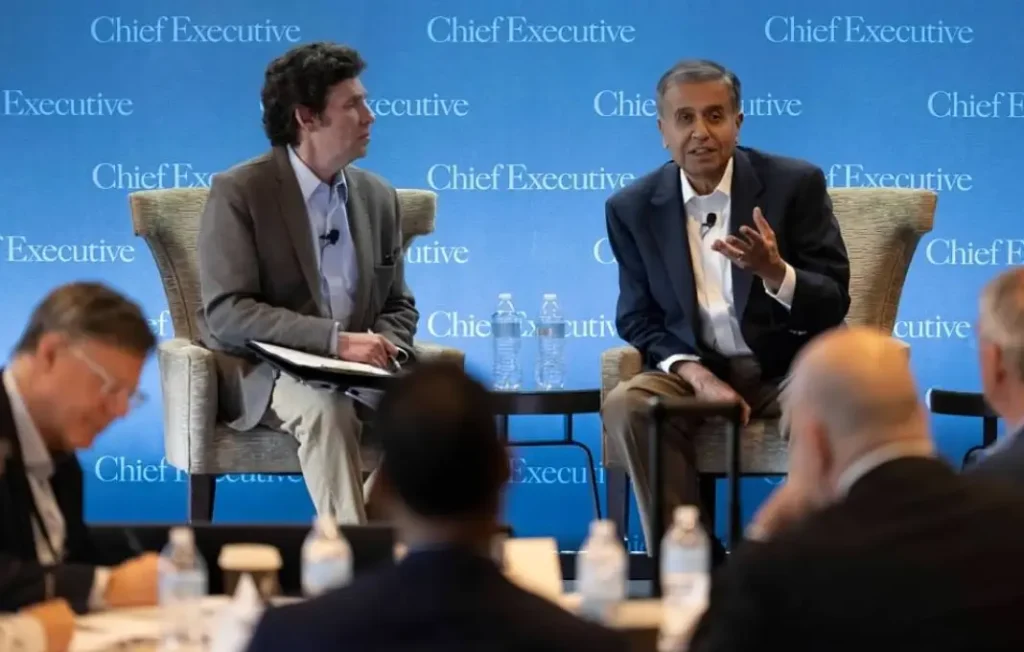
The complexities of global trade, characterized by escalating tariffs and geopolitical shifts, alongside the rapid advancements in artificial intelligence (AI) and automation, are undeniably reshaping the manufacturing landscape. Coupled with persistent margin pressures and an undercurrent of economic uncertainty, businesses are relentlessly seeking strategies to maintain and enhance their competitive edge. Amidst these formidable challenges, a recent gathering in St. Louis underscored a timeless truth: the most potent and sustainable advantage lies not solely in technological innovation or cost optimization, but in the cultivation of a highly engaged and skilled workforce.
The 2026 Manufacturing Leadership Summit, held over three days in St. Louis, provided a compelling platform for industry leaders to explore innovative approaches to manufacturing excellence. The summit’s itinerary included in-depth site visits and discussions with prominent local manufacturing firms, such as Barry-Wehmiller, The Gund Company, Cambridge Air Solutions, and Wadlow Electric. Attendees gained firsthand insight into operational philosophies that have not only weathered economic storms but have fostered remarkable growth and employee satisfaction. The overarching takeaway from these interactions was a resounding affirmation that, even in an era dominated by Industry 4.0 technologies like AI and widespread automation, the human element remains the most critical determinant of a company’s long-term resilience and competitive differentiation.
The "St. Louis Model": A Synthesis of People and Performance
A distinct operational ethos, increasingly referred to as the "St. Louis Model," appears to be quietly taking root within the city’s vibrant mid-market manufacturing community. This model is characterized by a profound and intentional integration of people-centric practices with rigorous, high-performance business operations. Far from being mutually exclusive, these two aspects are viewed as intrinsically linked, each reinforcing the other to create a powerful synergy. The success stories emerging from companies that embody this philosophy provide compelling empirical evidence.
For instance, The Gund Company, a participant in the summit’s site visits, has consistently demonstrated exceptional financial performance, ranking within the top 2.5 percent of publicly traded companies based on key financial metrics. Cambridge Air Solutions, another exemplary firm, has achieved an average bottom-line growth of 12 percent annually over the past decade. Moreover, their commitment to workforce development has translated into a remarkable 40 percent improvement in revenue per employee within a five-year span. Perhaps most striking is the contrast in employee retention: The Gund Company reports a regrettable turnover rate of a mere 1-3 percent, starkly diverging from the industry average, which often hovers around a challenging 45 percent. These figures are not isolated anomalies but rather indicators of a systemic approach to business management that prioritizes human capital.
A Blueprint for Replication: The Pillars of the St. Louis Model
A crucial aspect of the St. Louis Model is its inherent replicability. The leaders of these successful manufacturing firms are not guarded with their strategies; rather, they are eager to share their playbooks. This collaborative spirit of knowledge transfer is a hallmark of the model itself. The Gund Company’s leadership, for example, readily acknowledges that their employee-focused culture was not an invention but an evolution. They benchmarked their practices from Barry-Wehmiller, which in turn drew inspiration from other forward-thinking organizations, ultimately tracing its roots back to principles pioneered by Toyota. John Kramer of Cambridge Air Solutions echoed this sentiment, emphasizing the iterative and borrowed nature of their successful methodologies.
The core components of this replicable playbook include several key practices:
- Daily All-Company Stand-Up Meetings: These brief, daily gatherings foster open communication, transparency, and a shared sense of purpose across all levels of the organization. They serve as a critical touchpoint for disseminating information, addressing immediate concerns, and reinforcing collective goals.
- Structured Listening Programs: Beyond superficial feedback mechanisms, these programs are designed to systematically gather insights from frontline employees, ensuring their voices are heard and their perspectives are valued. This can involve regular surveys, focus groups, or dedicated "listening sessions" where management actively solicits input.
- Frontline-Owned Continuous Improvement Time: A dedicated 30 minutes each day is allocated for frontline employees to identify, propose, and implement process improvements within their own work areas. This empowers those closest to the work to drive innovation and efficiency, fostering a culture of ownership and problem-solving.
- Servant Leadership Training for Every Manager: A fundamental tenet of the St. Louis Model is the widespread adoption of servant leadership principles. Managers are trained to prioritize the needs of their teams, empowering them, removing obstacles, and fostering an environment of support and development.
- Individual Development Conversations: Instead of focusing solely on performance ratings, these conversations are centered on employees’ long-term aspirations. The core question shifts from "Here’s your performance rating" to "Where do you want to be in five years?" This forward-looking approach fosters employee engagement, loyalty, and a clear path for professional growth within the organization.
Rich Gund, a leader at The Gund Company, articulated the underlying philosophy succinctly: "You’re not going to produce a product by a bunch of random acts. You have to build processes and systems." He further emphasized that this principle extends directly to organizational culture, asserting that "Culture, he reminded, is no different." This perspective underscores the disciplined and intentional approach required to build and sustain a thriving, people-first manufacturing environment.
Navigating the Currents of Disruption: Lessons from the Summit
The insights gleaned from the St. Louis Manufacturing Leadership Summit offer a robust framework for navigating the current era, characterized by a confluence of significant challenges:
Tariffs and Global Trade Volatility
The imposition of tariffs and the resulting unpredictability in international trade have created significant operational hurdles for many manufacturers. Companies reliant on global supply chains or export markets face increased costs, reduced margins, and the imperative to build more resilient, localized sourcing strategies. The St. Louis Model’s emphasis on a strong, adaptable workforce is crucial here. Engaged employees are more likely to be innovative problem-solvers, capable of quickly adapting to shifting market dynamics, identifying alternative suppliers, and optimizing internal processes to mitigate the impact of external trade disruptions. A highly motivated team can also be instrumental in developing new product lines or exploring untapped domestic markets as traditional export channels become less viable.
The Rise of Artificial Intelligence and Automation
The rapid integration of AI and automation technologies presents both opportunities and challenges. While these technologies promise enhanced efficiency, productivity, and precision, they also raise concerns about job displacement and the need for upskilling. The St. Louis Model’s focus on people-centric development offers a proactive approach to this technological shift. By investing in continuous learning and development programs, companies can equip their workforce with the skills necessary to operate, maintain, and even develop these advanced systems. Instead of viewing automation as a replacement for human labor, the model encourages seeing it as a tool that augments human capabilities, allowing employees to move into higher-value, more complex roles. This approach fosters a sense of security and opportunity within the workforce, turning a potential threat into a catalyst for growth.
Margin Pressure and Economic Uncertainty
In an environment of rising input costs, inflation, and fluctuating consumer demand, maintaining healthy profit margins is a constant struggle. Economic uncertainty further exacerbates this, making long-term planning and investment decisions more complex. The demonstrable financial success of companies like Gund and Cambridge Air Solutions, achieved through people-first strategies, highlights a critical connection. A highly engaged workforce is inherently more productive, committed to quality, and invested in the company’s success. This translates directly into reduced waste, improved efficiency, lower error rates, and enhanced customer satisfaction, all of which contribute to stronger financial performance and greater resilience in the face of margin pressures. Furthermore, a company known for its positive culture and employee development is better positioned to attract and retain top talent, which is itself a significant competitive advantage in uncertain economic times.
Workforce Risk and Talent Scarcity
The manufacturing sector has long grappled with a shortage of skilled labor. This challenge is amplified by an aging workforce, a lack of interest from younger generations, and the increasing demand for specialized technical skills. The St. Louis Model directly addresses this "workforce risk" by cultivating a deeply loyal and skilled employee base. By investing in individual development, offering clear career paths, and fostering a supportive work environment, companies can significantly reduce turnover and become employers of choice. The emphasis on structured listening and frontline ownership also ensures that valuable institutional knowledge is retained and disseminated, mitigating the loss of experienced personnel. This proactive approach to talent management is not just about filling immediate vacancies but about building a sustainable, high-performing team for the future.
Broader Implications for the Manufacturing Sector
The lessons learned from the St. Louis Manufacturing Leadership Summit carry significant implications for the broader manufacturing industry. They suggest a paradigm shift away from a sole reliance on capital-intensive technological solutions towards a more balanced approach that recognizes the indispensable role of human capital. The success of these mid-market manufacturers demonstrates that a people-first philosophy is not a cost center but a strategic investment that yields tangible returns in productivity, innovation, and financial performance.
For companies struggling to adapt to the evolving economic and technological landscape, the St. Louis Model offers a clear, actionable path forward. It emphasizes that building a competitive moat in the future requires a deliberate and sustained commitment to fostering a culture of trust, respect, and continuous development. The "playbook" shared by these companies is not a secret formula but a testament to the enduring power of human connection and disciplined execution. As the manufacturing world continues its rapid transformation, the principles exemplified in St. Louis serve as a powerful reminder that the most valuable asset in any organization remains its people. The summit’s attendees left with a renewed conviction that by prioritizing and nurturing their workforce, manufacturers can not only survive but thrive amidst the complexities of the modern industrial era.








