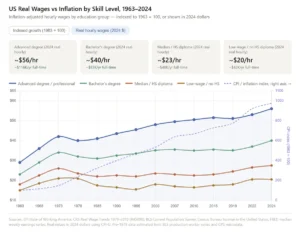
The prevailing narrative surrounding Artificial Intelligence (AI) often paints a grim picture of widespread job displacement. However, a closer examination of real-world data and emerging trends suggests a more nuanced and ultimately optimistic reality: AI is not primarily an eliminator of jobs, but rather a powerful catalyst for their evolution, making them more interesting, valuable, and rewarding. This perspective is supported by extensive research and daily observations in the fields of human resources and HR technology. The upcoming book, "Superwork and Superjobs," will delve into these transformations in detail.

Challenging the Job Elimination Narrative
While AI undoubtedly automates tasks and streamlines routine activities, its broader impact is geared towards augmenting human capabilities rather than replacing them entirely. This phenomenon is not new; technological advancements throughout history have consistently reshaped the labor market, leading to shifts in job roles and skill requirements rather than mass unemployment. The current discourse around AI often overlooks this historical pattern and the inherent human capacity for adaptation.
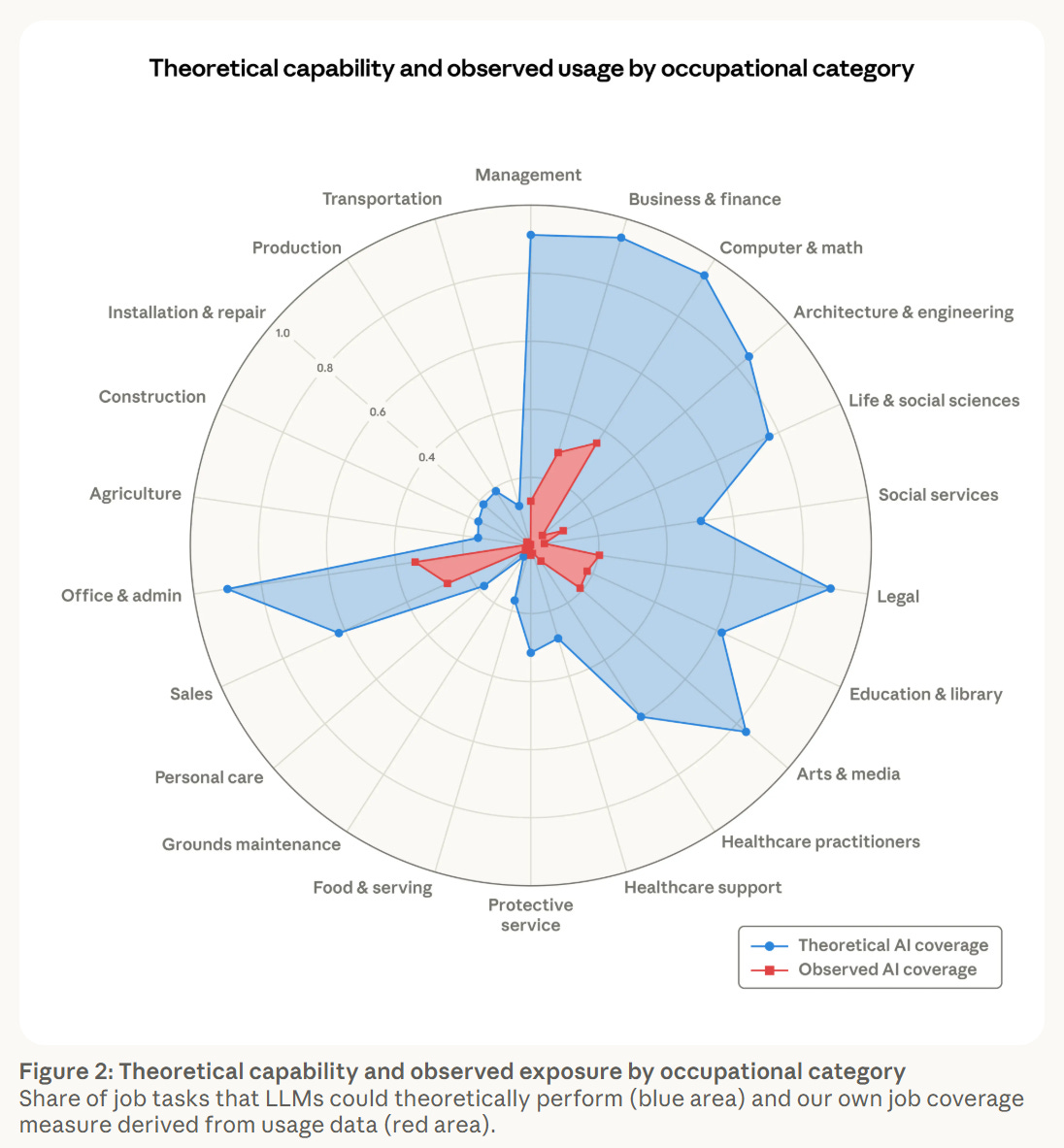
The notion that AI will lead to significant job losses is frequently amplified by certain research, such as studies predicting high percentages of "work" being automatable by Large Language Models (LLMs). However, this perspective often fails to account for the complex, multifaceted nature of human roles, which extend far beyond the execution of discrete tasks.

The Software Engineering Sector: Augmentation, Not Annihilation
The software engineering field serves as a prime example of how AI is transforming, rather than eliminating, jobs. This sector, encompassing design, coding, testing, maintenance, and integration, represents a significant portion of the global workforce, driving trillions of dollars in salary expenses and corporate projects.
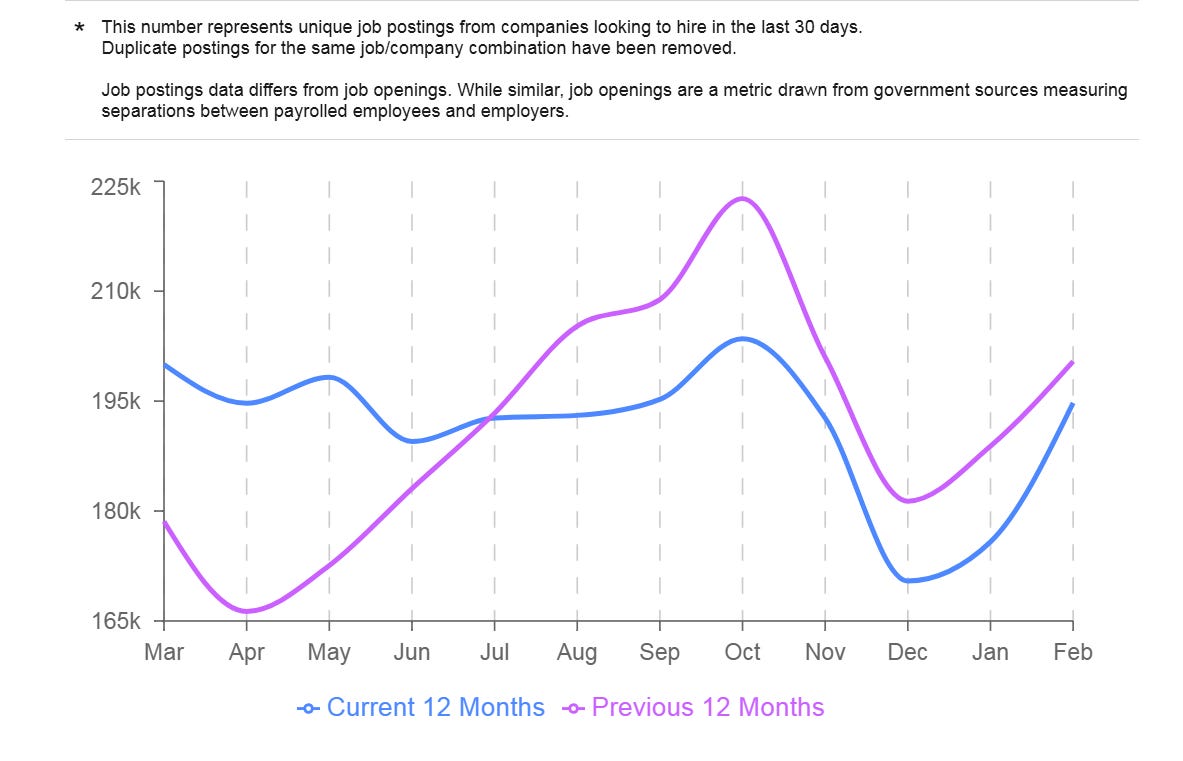
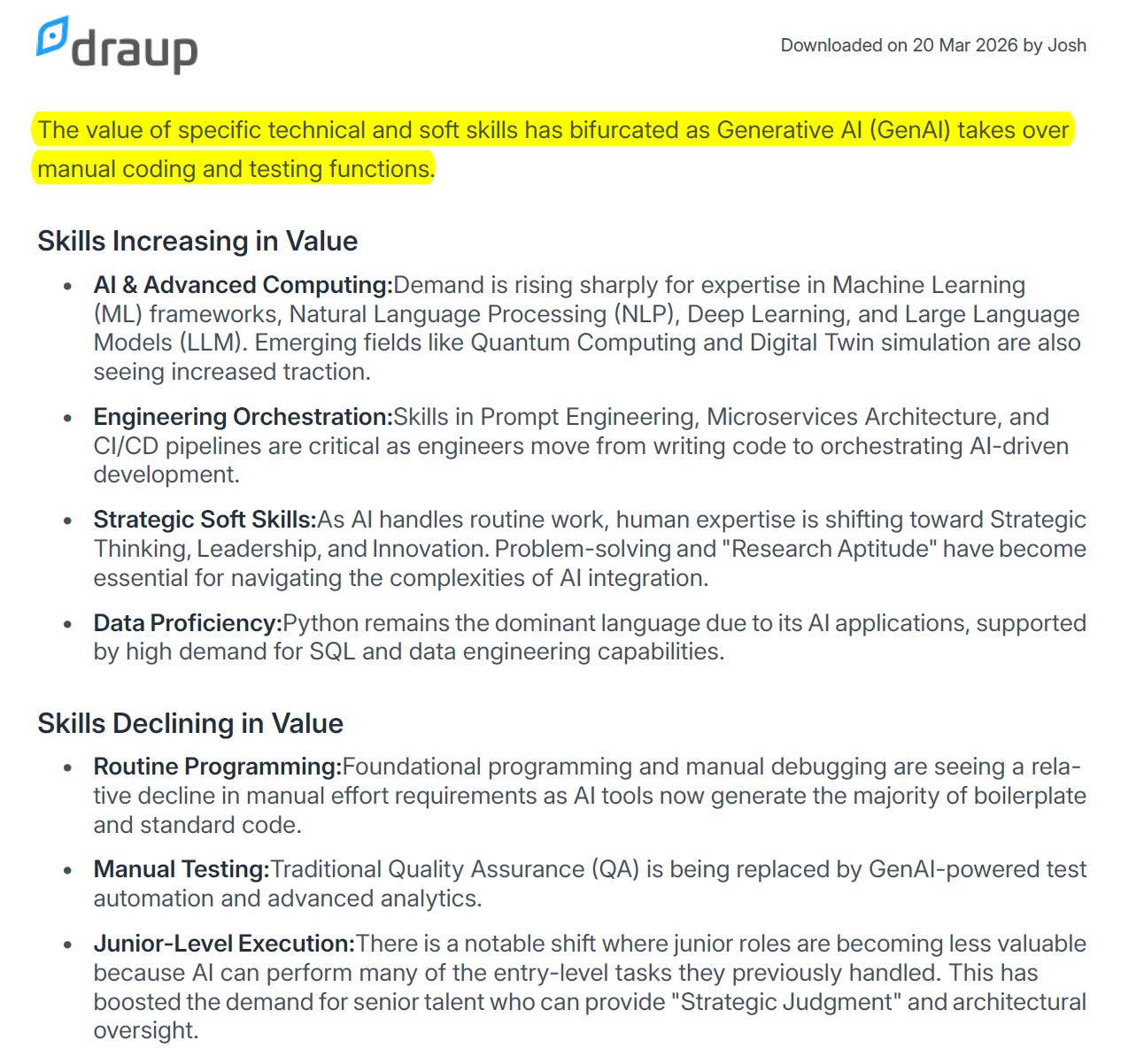
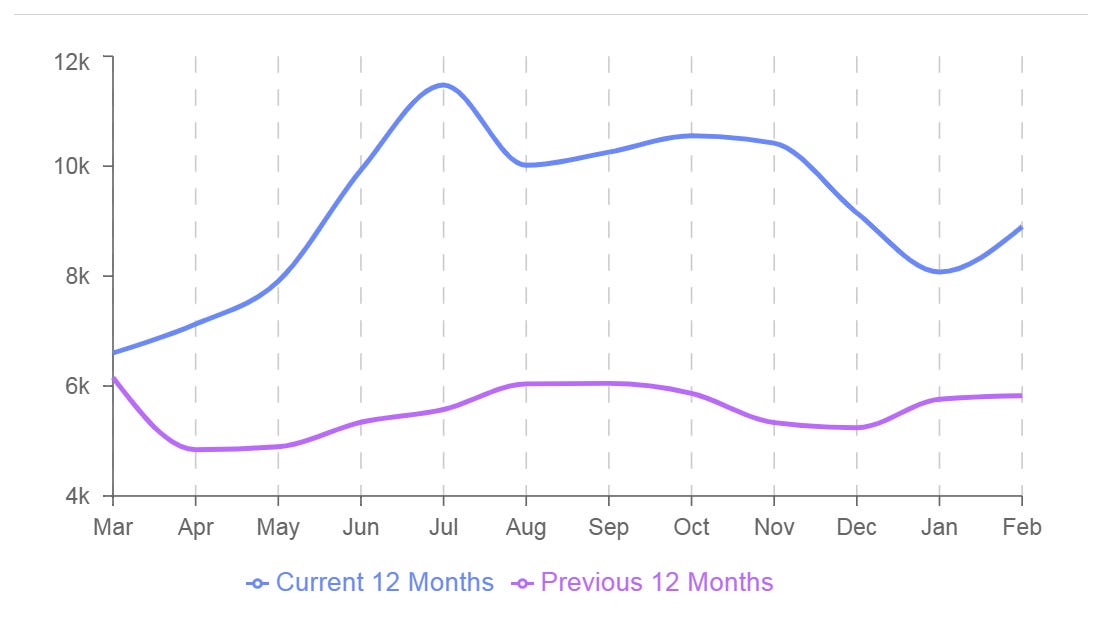
Contrary to predictions of obsolescence, data from labor market analytics firms like Lightcast and Draup indicates a steady demand for software engineers. While the nature of their work is evolving, the overall number of job openings has remained robust. This is particularly evident when analyzing the skills employers are seeking. While entry-level coding and testing tasks may be increasingly handled by AI tools, there is a growing demand for more sophisticated skills.
Evolving Skill Demands in Software Engineering:
- Declining: Routine coding, basic testing, and Quality Assurance (QA) tasks are seeing a gradual decrease in demand as AI tools become more adept at handling them.
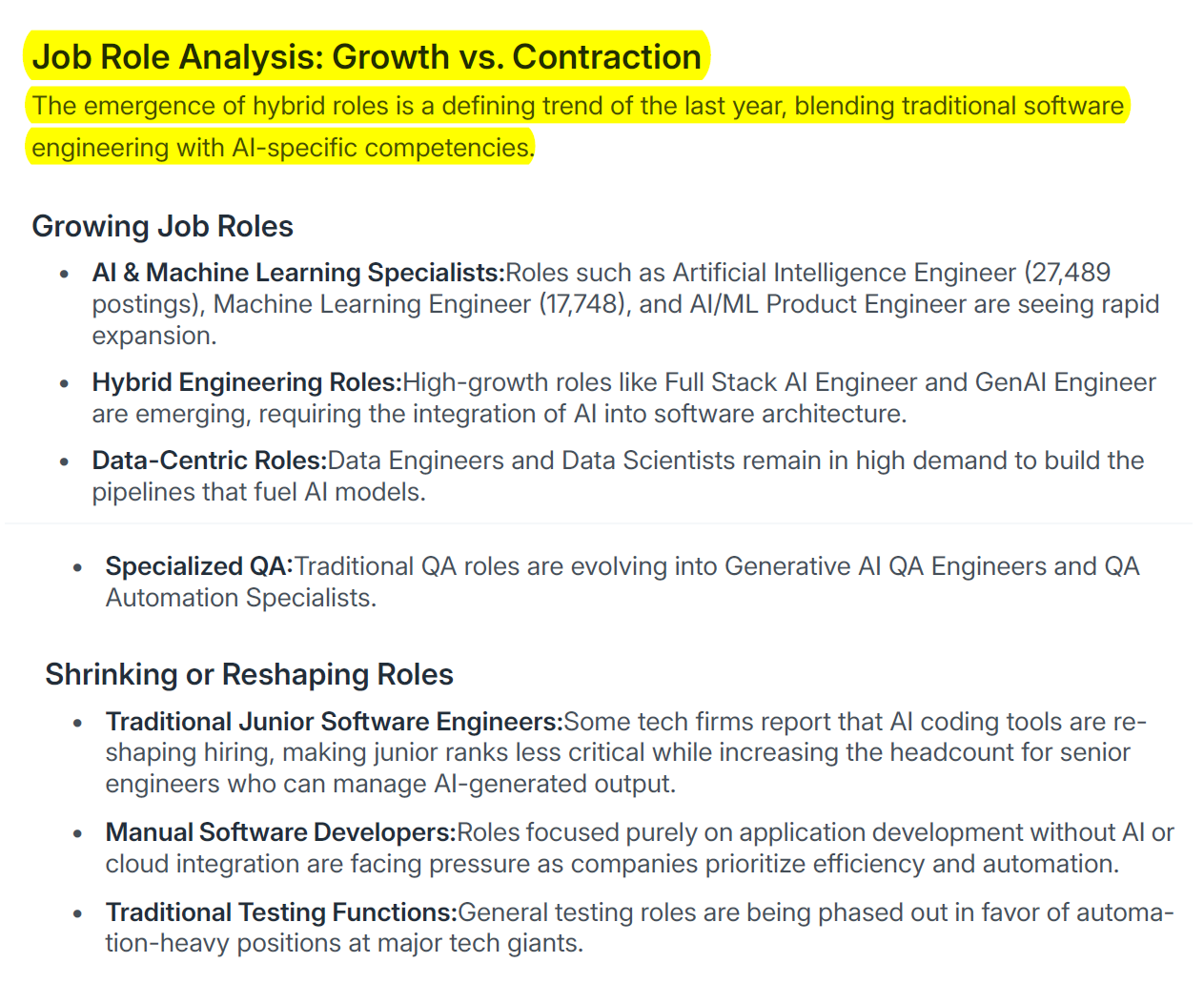
- Increasing: Roles such as "Full Stack AI Engineer," "GenAI Engineer," and "AI/ML Product Engineer" are on the rise. These positions require a deeper understanding of AI principles, the ability to integrate AI models into complex systems, and the capacity to design and manage AI-driven solutions.
This shift mirrors historical technological transitions, such as the decline of the "steno pool" with the advent of word processors or the evolution of secretarial roles with the proliferation of communication technologies. The focus moves from rote execution to strategic oversight, problem-solving, and creative application of technology.
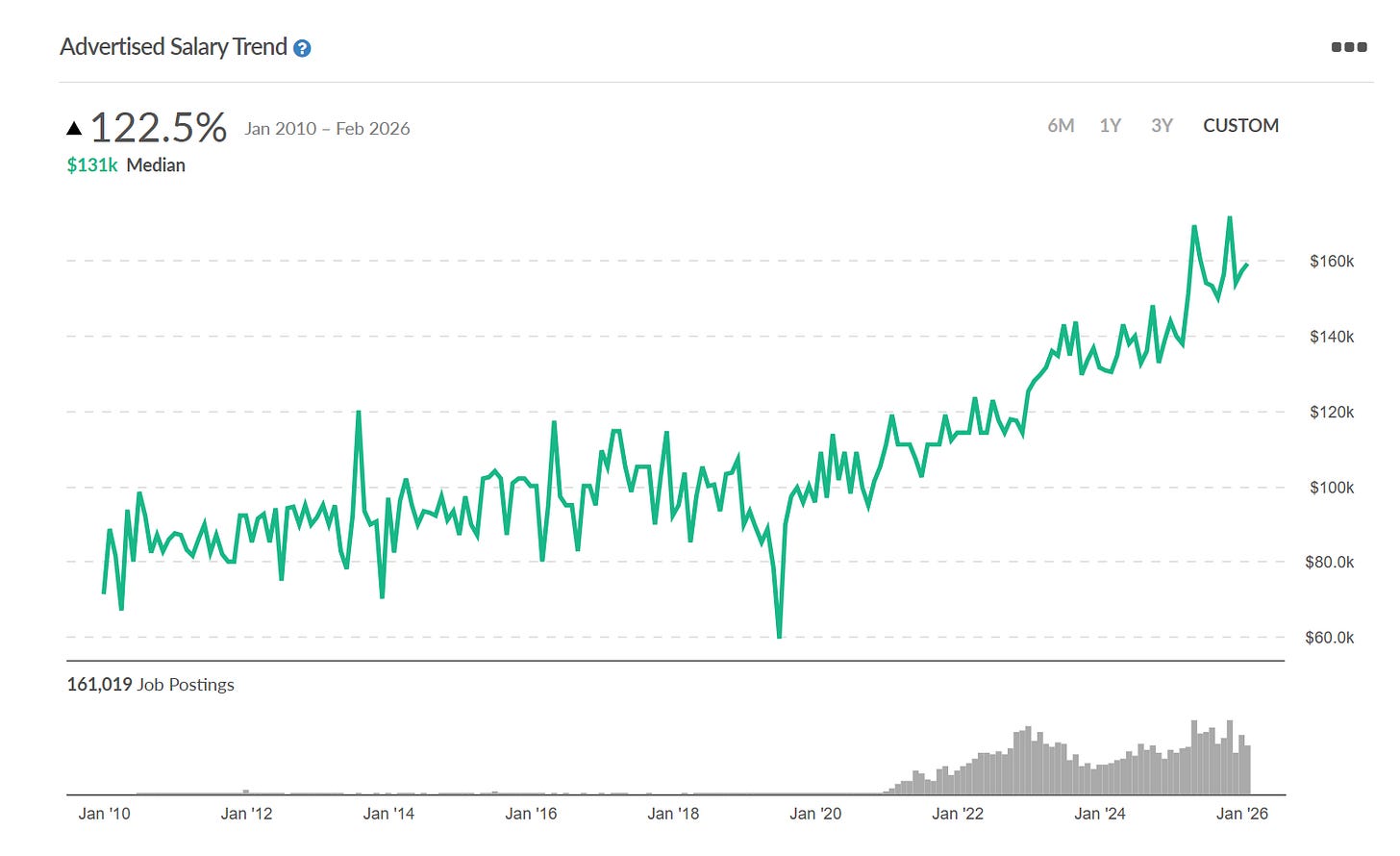
Furthermore, the data shows a significant increase in software engineering salaries. Over the past 15 years, overall software salaries have more than doubled, with a notable surge of over 15% in the last year alone. This upward trend directly contradicts the narrative of AI leading to depressed wages in the sector, suggesting that the enhanced productivity and value generated by AI-equipped engineers are being recognized and rewarded.
Healthcare: Enhancing Diagnostics and Patient Care
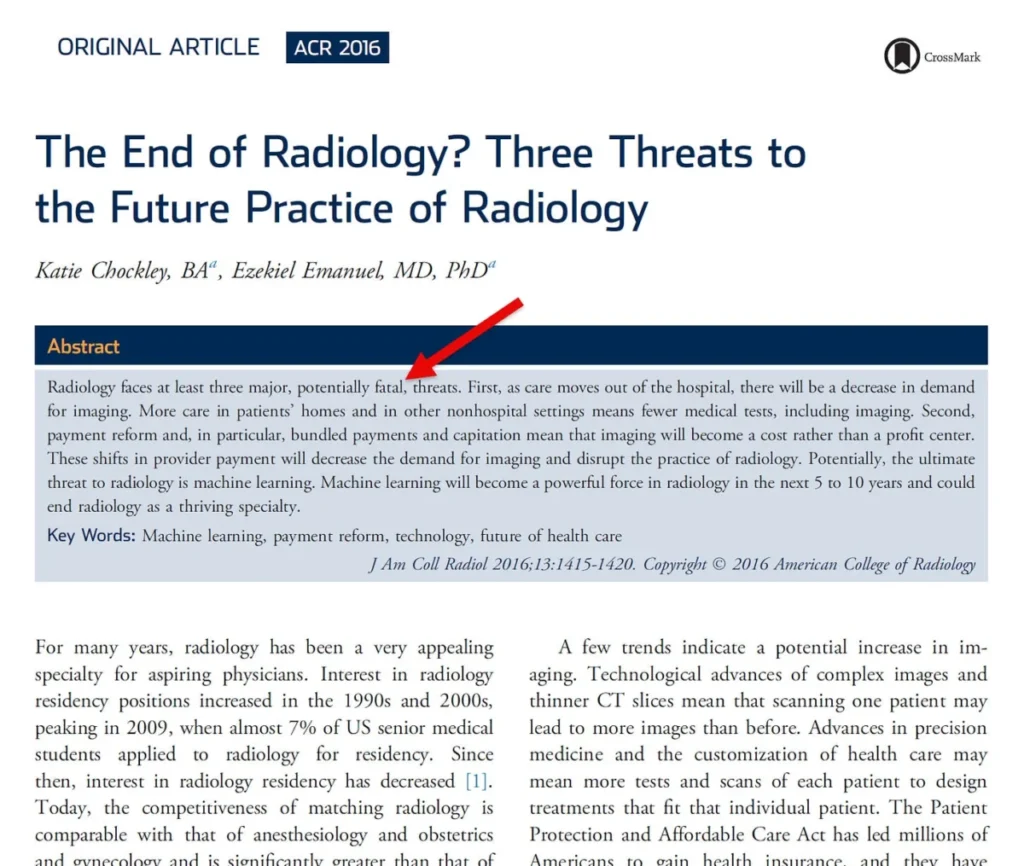
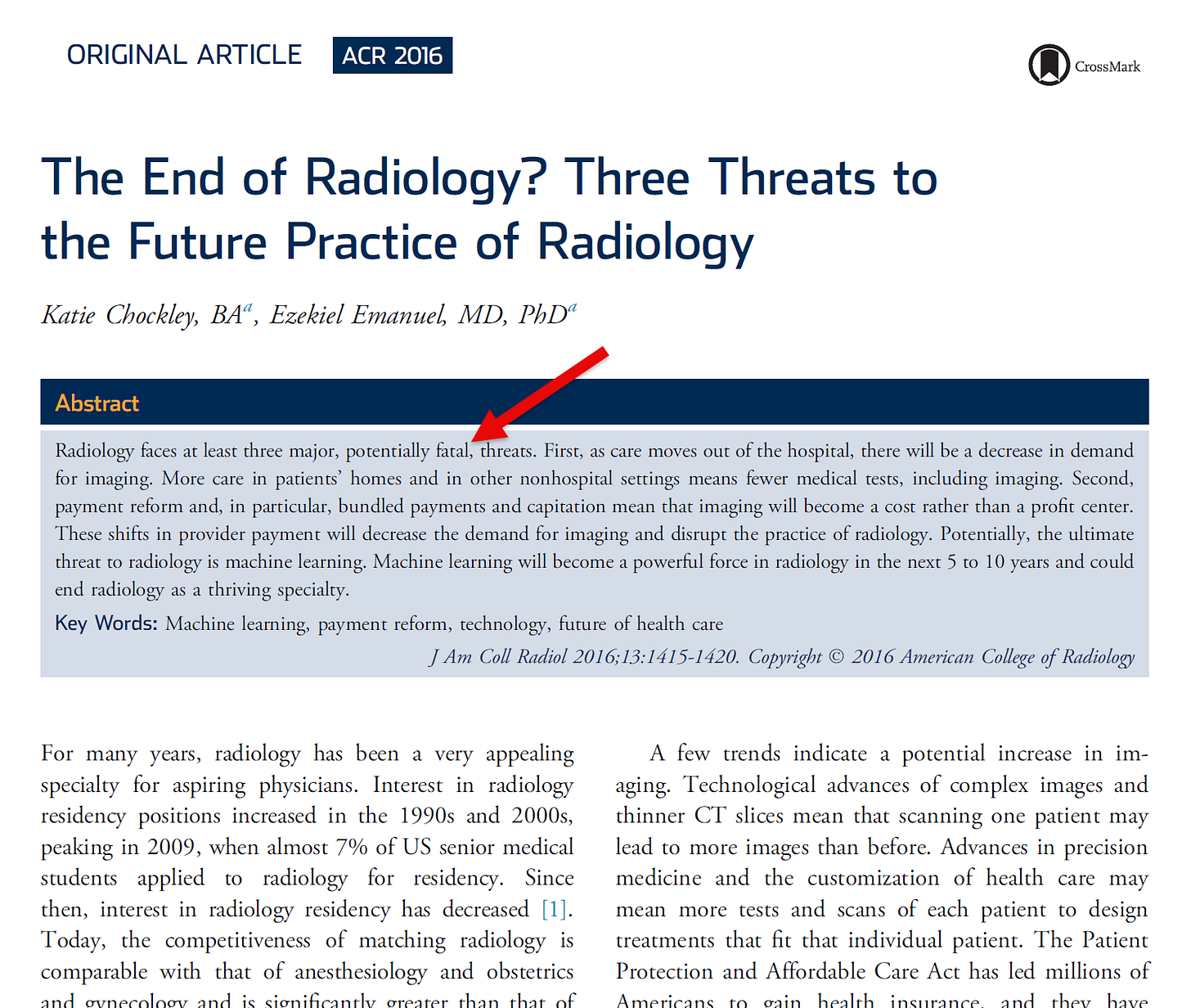
The healthcare industry offers another compelling case study. For years, there have been predictions that professions like X-ray technicians and diagnosticians would be rendered obsolete by advancements in medical imaging and AI-powered analysis. However, the reality on the ground tells a different story.
Studies from institutions like the Journal of the American College of Radiology (JACR) have explored the potential impact of AI on medical diagnostics. While AI algorithms can process medical images with remarkable speed and accuracy, identifying anomalies like cancer or damage, this has not led to a reduction in the need for human professionals.
Transforming Roles in Medical Diagnostics:
- Increased Demand: Data from Lightcast reveals a 35% year-over-year increase in job postings for imaging and medical diagnostics. This surge indicates that the enhanced capabilities of AI have, in fact, driven greater demand for these services.
- Shift in Skillsets: The role of an X-ray technician, for instance, is evolving from a purely technical one to a more comprehensive position. While AI assists with initial diagnostics, human technicians are increasingly focused on patient care, managing complex imaging workflows, data interpretation, and patient communication. New roles are emerging in areas like AI-driven data management and advanced patient interaction.
- Improved Efficiency and Access: The integration of AI has led to significant cost reductions and increased efficiency in medical imaging. This has, in turn, made these diagnostic services more accessible and affordable, contributing to the overall increase in demand. A personal anecdote illustrates this point: a recent experience with a persistent cough led to a swift and efficient X-ray process, with results communicated promptly, highlighting the streamlined and patient-centric approach enabled by AI integration.
The salaries for these roles, while not experiencing the same exponential growth as in the software sector, have shown steady increases, reflecting the growing value and demand for skilled healthcare professionals augmented by AI.
The "Superworker" Phenomenon: Adaptation and Value Creation
The overarching trend observed across various industries is the emergence of the "Superworker." These are individuals whose roles have been enhanced and made more valuable through the integration of AI and other advanced technologies. This transformation is not about job elimination, but about job evolution.
The inherent adaptability of humans, honed over millions of years of evolution, is a critical factor. Unlike machines, humans possess a unique capacity for learning, problem-solving, and creative thinking. This "genetically powered" ability allows us to adapt to new tools and challenges, making us more effective in dynamic environments.
Key Characteristics of Superworkers:

- Augmented Capabilities: Superworkers leverage AI tools to automate mundane tasks, freeing them to focus on higher-level cognitive functions, strategic thinking, and complex problem-solving.
- Enhanced Value Creation: By combining their human ingenuity with AI’s computational power, Superworkers can achieve greater levels of productivity and innovation, thereby increasing their value to organizations.
- Adaptability and Resilience: Superworkers demonstrate a proactive approach to learning and skill development, embracing technological change rather than resisting it. This resilience is crucial in a rapidly evolving economic landscape.
- Focus on Human-Centric Skills: As AI takes over routine tasks, the demand for uniquely human skills such as critical thinking, emotional intelligence, collaboration, and complex communication continues to grow.
This phenomenon is consistent with historical precedents. Throughout history, technological advancements have spurred new industries and job categories, often creating more opportunities than they eliminated. The US unemployment rate, which has remained relatively stable for years, serves as a testament to this adaptive capacity.
Leadership’s Role in Facilitating Transformation
The responsibility for navigating this transition lies significantly with leadership. Instead of succumbing to fears of job displacement, leaders must actively facilitate, support, and drive the adoption of AI and other technologies in ways that empower their workforce. This involves:
- Investing in Upskilling and Reskilling: Providing employees with the training and development necessary to acquire the skills needed for AI-augmented roles.
- Fostering a Culture of Continuous Learning: Encouraging employees to embrace new technologies and adapt to evolving job requirements.
- Redesigning Job Roles: Strategically re-evaluating and redefining job descriptions to leverage AI effectively while capitalizing on human strengths.
- Promoting Collaboration: Encouraging seamless integration between human workers and AI tools, fostering a synergistic work environment.
The COVID-19 pandemic provided a stark reminder of humanity’s ability to adapt to unforeseen challenges. Similarly, individuals facing disabilities or chronic diseases consistently demonstrate remarkable ingenuity in adapting and thriving. This innate drive to overcome obstacles and improve circumstances is a fundamental human trait that will be instrumental in navigating the AI revolution.
The Future of Work: Growth and Opportunity
The narrative of AI as a job destroyer is a limited and often misleading perspective. Instead, AI is a powerful tool that, when harnessed effectively, can:
- Reduce Drudgery: Automate repetitive and time-consuming tasks, allowing humans to engage in more fulfilling and intellectually stimulating work.
- Enhance Productivity: Significantly boost output and efficiency across various sectors.
- Drive Innovation: Unlock new possibilities and create entirely new industries and job roles.
- Increase Value: Elevate the importance and impact of human contributions within organizations.
The future of work is not one of mass unemployment, but one of amplified human potential. By embracing AI as a partner rather than a threat, businesses and individuals can unlock unprecedented opportunities for growth, innovation, and personal fulfillment. The "Superworker" is not a future concept but a present reality, shaped by the intelligent integration of technology and the enduring strengths of human capability.
Further Exploration and Resources
For those seeking to delve deeper into the evolving landscape of work and the impact of AI, several resources are available:

- Podcasts: Regularly updated podcasts offer insights, vendor discussions, and real-world case studies on AI and its implications for the workforce.
- Conferences: Events like "Irresistible 2026" provide platforms for leaders to engage with peers, share knowledge, and discuss the future of work.
- Research Platforms: Comprehensive research databases and platforms offer access to extensive studies, models, and daily updates on AI trends, vendors, and case studies, akin to a professional terminal for HR and business leaders.
- Superworker Studies: Dedicated research into the concept of "Superworkers" provides detailed analysis and case examples of individuals and roles transformed by technology.
- Historical Perspectives: Examining past technological shifts, such as the transition from manual labor to automation, offers valuable context for understanding current trends.
By understanding these dynamics and actively engaging with the transformative power of AI, we can move beyond apprehension and embrace a future where technology amplifies human potential, leading to more interesting, valuable, and rewarding careers for all.