
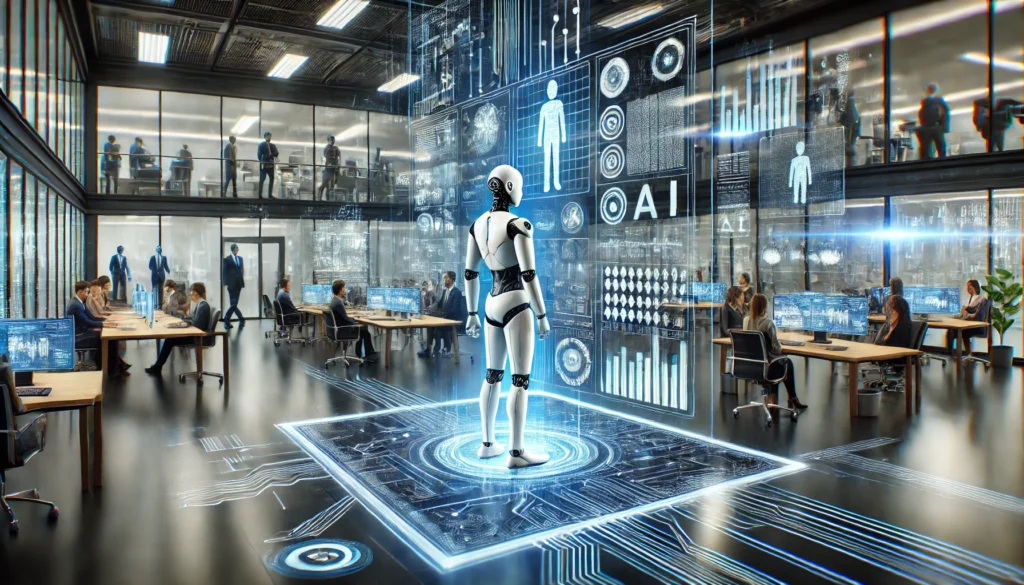
Artificial intelligence is no longer theoretical for employers; it is already profoundly embedded in the hiring process, though often not to the employer’s immediate advantage. The burgeoning chasm between the sophisticated AI tools readily available to job candidates and the often nascent AI capabilities within human resources (HR) and talent acquisition (TA) departments presents a significant and escalating risk. This disparity is creating vulnerabilities ranging from increased candidate abandonment to a heightened susceptibility to fraud, demanding urgent attention and strategic adaptation from organizations worldwide.
The Evolving Landscape of Talent Acquisition and AI Integration
The digital transformation of the workplace has been a consistent theme for decades, but the rapid advancements in artificial intelligence, particularly generative AI, have introduced an unprecedented dynamic. Job candidates are quickly leveraging AI tools to optimize their resumes, rehearse for interviews with virtual coaches, and streamline application processes. These tools offer significant efficiency and perceived competitive advantages to individuals navigating a competitive job market. Conversely, many organizations find themselves mired in the complexities of establishing robust governance structures, navigating intricate compliance reviews, and preparing vast internal data sets for effective AI adoption. This creates a critical imbalance, where the individuals seeking employment are often more technologically advanced in their job search strategies than the teams tasked with evaluating them.
Jason Putnam, CEO of Vetty, a platform focused on high-velocity hiring and verification, underscores this challenge: "AI does introduce new complexities, but it’s simply the next arena of risk management. HR and talent acquisition teams are not unfamiliar with high-impact, highly regulated environments. The challenge now is accelerating the governance skills and operational processes required to manage AI responsibly." His perspective highlights that while the technology is new, the fundamental principles of risk management and strategic adaptation remain paramount.
The "Chicken-or-Egg" Dilemma in AI Adoption
A core impediment for many organizations is the classic "chicken-or-egg" dilemma: should companies wait until comprehensive governance structures and ethical guidelines are fully defined before building AI capability, or should they forge ahead, allowing these structures to evolve concurrently with practical implementation? Research from advisory firms like Kyle & Co. strongly suggests that delay is the riskier path. While the initial instinct might be to err on the side of caution, prolonged inaction carries its own severe consequences, including diminished operational efficiency, a less competitive talent acquisition posture, and increased exposure to various forms of fraud.
The global pace of AI adoption illustrates this urgency. According to a 2023 IBM study, 42% of enterprises have already deployed AI, with an additional 40% exploring its potential. However, the adoption rate within HR functions often lags behind other departments like IT or sales. This disparity means that while an organization might be leveraging AI for customer service or data analytics, its HR department might still be operating with legacy systems and processes, creating internal inconsistencies and inefficiencies.
Consequences of Delayed AI Savviness
The lack of AI savviness within HR and TA teams introduces several critical risks:
- Rising Candidate Abandonment: Candidates, accustomed to streamlined, AI-assisted application processes, may become frustrated with clunky, slow, or outdated employer systems. A 2023 survey by Talent Board found that a negative candidate experience can lead to 42% of candidates declining a job offer. If AI can simplify and accelerate the candidate journey, a lack of AI integration by employers directly contributes to this attrition.
- Growing Vulnerability to Fraud: As candidates employ AI to craft polished resumes and prepare for interviews, HR teams without AI-driven verification tools may struggle to distinguish authentic applications from those heavily influenced or even generated by AI. This can lead to misjudgments in candidate quality and, in extreme cases, the hiring of individuals whose true capabilities are misrepresented. The potential for deepfakes in video interviews or AI-generated credentials further complicates due diligence.
- Competitive Disadvantage: Organizations that fail to embrace AI in HR will increasingly fall behind competitors who leverage it for more efficient sourcing, smarter screening, and enhanced candidate experiences. This impacts not only the speed and cost of hiring but also the quality of talent attracted.
- Compliance and Ethical Risks: Without clear AI governance, organizations risk unintentional bias in hiring algorithms, non-compliance with evolving data privacy regulations (like GDPR or CCPA), and potential discrimination lawsuits arising from opaque AI-driven decision-making processes.
Building AI Capability: A Multi-faceted Approach
The first step toward responsible AI adoption is comprehensive awareness. Many enterprises unknowingly have AI present across different parts of the organization, sometimes subtly embedded within existing software tools, and at other times used informally by specific teams. HR and TA leaders frequently lack full visibility into where these capabilities exist, how they operate, and critically, how they influence crucial decision-making processes. This fragmented awareness necessitates a strategic, cross-functional approach to AI integration.
1. Visibility and Cross-functional Alignment:
Effective AI governance is predicated on robust cross-functional alignment. HR, TA, IT, compliance, legal, and procurement must collaborate to define how AI systems operate, what ethical boundaries must be respected, and how human judgment will be incorporated into these processes. Clear lines of responsibility are essential to ensure organizations maintain the appropriate balance between automation and human oversight. Technology can dramatically accelerate workflows, but ultimate accountability for hiring decisions must always remain human. This collaboration is not merely about policy creation but also about sharing knowledge, identifying existing AI touchpoints, and developing a unified strategy.
2. Human-AI Collaboration: The Synergistic Model:
AI functions most effectively when it augments human expertise rather than attempting to replace it entirely. Consider background screening, a critical component of the hiring process. Determining the specific criteria required for a role, identifying what aspects should be verified, which credentials truly matter, and how various compliance requirements apply—these are fundamentally human decisions informed by experience, industry knowledge, and regulatory acumen.
Once these criteria are meticulously established, AI can then automate labor-intensive validation tasks. This might include continuously monitoring professional licenses for validity, flagging inconsistencies across different documentation, or cross-referencing information against vast public databases. When applied correctly, this interdependent approach significantly reduces administrative burden, accelerates the screening process, and simultaneously strengthens verification standards. Human judgment defines the rules and ethical parameters, while technology helps enforce them efficiently and consistently. This creates a system that not only reduces risk but also streamlines hiring timelines.
3. AI Literacy Across the Tech Stack:
Applying this human-AI collaborative model consistently necessitates a broader level of AI literacy throughout an organization’s entire HR tech stack. This literacy is increasingly a prerequisite for managing modern HR technology. Organizations must navigate complex and evolving legislation governing background checks, privacy standards, and automated decision-making processes. Concurrently, their core HR systems – ranging from applicant tracking platforms (ATS) to assessment tools and onboarding software – are increasingly integrating AI capabilities of their own.
When these disparate systems operate at varying levels of AI maturity, the complexity multiplies. Candidates might be employing cutting-edge generative AI tools during the hiring process, while employers are managing a patchwork of technologies with diverse levels of automation and oversight. Without a coherent strategy and a unified understanding of AI capabilities and limitations, this imbalance inevitably creates significant operational inefficiencies and compliance risks.
Strategic Adoption: A Phased Approach
The challenge then becomes how to build this essential AI capability without unduly overcomplicating the process or paralyzing progress with excessive bureaucracy. Analysts at Kyle & Co. advocate for a pragmatic approach: begin with smaller, well-defined AI use cases before scaling to more complex applications. Organizations are not expected to solve enterprise-wide AI adoption overnight.
A single pilot program, focused on one measurable Key Performance Indicator (KPI), or the optimization of a specific functional workflow, can serve as a robust foundation for broader adoption. For instance, an organization might start by using AI to analyze anonymized resume data for skill matching, or to automate the scheduling of initial interviews. Each successful implementation contributes to growing internal AI literacy, deepens understanding of the technology’s practical applications, and informs the iterative development of a long-term AI playbook.
To move forward effectively, organizations should focus on several key priorities:
- Conducting an AI Audit: Identify all existing AI touchpoints within HR and TA, both formal and informal. This includes embedded AI in current software and any shadow IT usage.
- Developing a Cross-functional AI Strategy: Establish a working group with representatives from HR, IT, legal, compliance, and even marketing to define a unified vision and roadmap for AI adoption.
- Investing in AI Literacy Training: Provide targeted training for HR and TA professionals on AI fundamentals, ethical considerations, data privacy, and the responsible use of AI tools.
- Prioritizing Pilot Programs: Select small, low-risk, high-impact AI use cases to test and learn, demonstrating tangible benefits and building internal confidence.
- Establishing Clear Governance and Ethical Guidelines: Develop policies for AI usage, data handling, bias mitigation, and human oversight in AI-driven decisions.
- Partnering with Reputable Vendors: Choose HR tech providers with transparent AI methodologies, strong data security, and a commitment to ethical AI practices.
- Fostering a Culture of Continuous Learning: Recognize that AI is an evolving field and encourage ongoing education and adaptation within the HR function.
Broader Implications and Future Outlook
The implications of AI integration extend beyond mere efficiency. It reshapes the very nature of HR and TA roles, requiring professionals to evolve from administrative task managers to strategic partners capable of leveraging advanced analytics and technological insights. The future HR professional will need to be a hybrid of a data scientist, an ethicist, and a human-centric strategist.
Ethical considerations, particularly concerning bias in algorithms, remain paramount. Organizations must proactively design, test, and audit their AI systems to ensure fairness and prevent discrimination across all protected characteristics. The "explainability" of AI decisions—the ability to understand how an AI arrived at a particular conclusion—will also become increasingly important, especially as regulatory bodies worldwide begin to enforce stricter guidelines, such as the EU AI Act.
Ultimately, the organizations that act on these priorities now will be best positioned to thrive in the evolving talent landscape. What organizations absolutely cannot afford to do is wait. AI is already profoundly shaping how candidates approach hiring, influencing everything from their initial application to their interview preparation. Employers that delay building their own AI capabilities risk falling further behind, not only in terms of operational efficiency and cost-effectiveness but also in trust, compliance, and critical competitive advantage. In the dynamic world of hiring, as in most complex systems, the organizations that consistently succeed are those that adapt early, embrace innovation responsibly, and cultivate the operational discipline required to manage continuous technological change.
About Jason Putnam
Jason Putnam is the innovative CEO at Vetty, a high-velocity hiring platform streamlining verification and onboarding at scale. With over 15 years of executive experience in SaaS, go-to-market strategy, and revenue growth, he specializes in building high-impact teams, scaling startups, and delivering meaningful customer value. Previously, Jason served as Chief Revenue Officer at Plum, leading global enterprise initiatives and transforming talent decision-making through psychometric data. His leadership journey includes various senior roles across the HR tech landscape, driven by a relentless focus on trust, innovation, and strategic execution. Honored as a two-time Executive of the Year by both the Stevie (2022) and the Globie Awards (2021) and a two-time Inspiring Leader (Inspiring Workplaces, 2025 & 2024), Jason thrives on fostering energy, clarity, and a culture of growth. He also advises high-growth companies and communities like Catalyst Constellations, EDEN, and CareerXroads. At Vetty, Jason is passionate about transforming how great organizations hire great people—faster, smarter, and with greater confidence.








