
The persistent question of what elevates some teams to extraordinary levels of achievement while others languish has long been a central focus for organizational leaders, researchers, and HR professionals alike. Far beyond simply assembling individuals with the requisite skills, the creation of a truly high-performing team is a deliberate process of cultivating specific characteristics, fostering essential behaviors, and embedding best practices. This article delves into the core components that define these elite groups, explores why their effectiveness is critical to organizational success, and outlines actionable strategies for building and sustaining such teams.
At its core, a high-performing team is a synergistic unit where individuals harness their collective skills, diverse perspectives, specialized knowledge, and complementary strengths to tackle ambitious objectives. These teams exhibit an intense focus on achieving clear, outstanding results, driven by a foundational bedrock of trust, robust collaboration, and an unwavering shared sense of purpose. However, the formation of such teams is not a matter of chance; it necessitates a strategic approach to performance management that actively empowers individuals to collaborate, innovate, and collectively excel.
The Imperative of High-Performing Teams

The success of any organization is intrinsically linked to the performance of its people. High-performing teams are the engines that drive innovation, facilitate the efficient execution of work, and ensure the attainment of critical goals. When team members are aligned in their efforts, receive constructive feedback and coaching, and are equipped with the necessary resources, they possess the capacity to dismantle obstacles and deliver exceptional outcomes. In today’s dynamic business landscape, where agility and adaptability are paramount, the ability of teams to perform at their peak is not merely an advantage but a necessity for survival and growth.
Characteristics That Define Excellence
While each team possesses unique dynamics, a consistent set of characteristics underpins the success of high-performing units. Understanding and cultivating these traits is fundamental for any organization aiming to elevate its team performance.
-
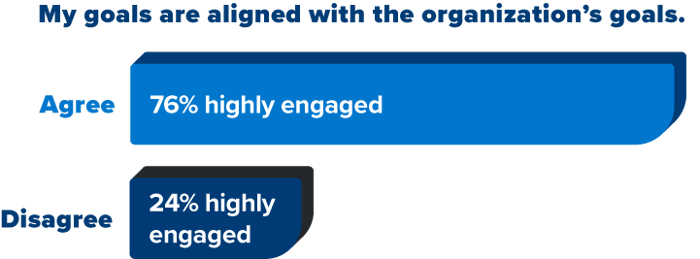
Alignment with Organizational Mission: A fundamental hallmark of high-performing teams is their profound understanding of how their individual contributions directly support the overarching mission and strategic objectives of the organization. When employees grasp the "why" behind their work, their engagement and productivity naturally increase. This clarity fosters a shared vision that guides their collective efforts. Research consistently indicates that highly engaged employees, often found in high-performing teams, demonstrate superior commitment and output.
-
Clear, Prioritized Goals: High-performing teams operate with a laser-like focus, ensuring their objectives are tightly aligned with both team and organizational priorities. They excel at setting well-defined team and individual goals that serve this shared vision. Crucially, these goals are not only aligned but also articulated with precision, leaving no room for ambiguity regarding individual responsibilities and the pathways to achievement. Data from Quantum Workplace research reveals a significant correlation: employees are 3.2 times more likely to be engaged when their individual performance goals are demonstrably aligned with broader organizational objectives. This alignment ensures that all efforts are directed towards common, impactful outcomes.
-
Defined Roles and Responsibilities: To mitigate unnecessary conflict and optimize efficiency, high-performing teams establish clear delineations of roles and responsibilities. This clarity prevents confusion, duplication of effort, and the potential for interpersonal friction. When each member understands their specific contribution and how it interlocks with others, the team can operate with greater harmony and effectiveness.
-
Effective and Respectful Communication: Communication breakdowns are a significant impediment to team performance. High-performing teams prioritize establishing clear expectations and creating robust channels for communication. This ensures that information flows efficiently, individuals know when and where to engage, and who to connect with for specific needs. While conflict is an inherent part of any team dynamic, these teams possess the maturity to navigate disagreements constructively, minimizing their impact on progress.
-
Embrace of Two-Way Feedback: A culture of continuous improvement is cultivated through open, constructive, and reciprocal feedback. Team members in high-performing environments feel empowered to voice ideas, concerns, and suggestions without fear of reprisal. Managers actively solicit feedback, valuing employee perspectives and leveraging these insights to foster team growth. This feedback loop not only enhances individual performance but also strengthens team cohesion and adaptability. The insights gleaned from feedback can also directly inform development opportunities, further propelling employee growth. A compelling case study from the Professional Services industry highlights this impact: Salute, a prominent firm, reported that leveraging Quantum Workplace’s feedback mechanisms provided invaluable insights, enabling them to "fine-tune our performance management and create a culture where continuous improvement and accountability are at the forefront."
-
Priority-Based Work Management: High-performing teams possess a keen understanding of the relative importance and urgency of tasks. They adeptly manage projects by focusing on those with the highest priority and greatest impact, ensuring their efforts remain closely aligned with overarching organizational goals and drive sustainable growth.
-
Strong Manager-Employee Alignment: Regular one-on-one meetings serve as a vital cornerstone for high-performing teams, fostering clarity and connection between managers and their direct reports. These sessions transcend mere status updates, offering a dedicated platform for discussing goals, progress, and challenges on an individual basis. Managers utilize these interactions to understand employee aspirations, provide guidance, and offer essential support. This nurturing of the manager-employee relationship cultivates a sense of belonging and commitment that is integral to team success.
-
Mutual Trust and Respect: The depth of collaboration required for high achievement is directly contingent on a foundation of trust and mutual respect. Team members in these environments value each other’s contributions and trust their colleagues to fulfill their responsibilities. They embrace diversity of thought and experience, recognizing that these differences are a source of strength. This culture of trust empowers individuals to operate with greater confidence and autonomy.
-
Celebration of Success and Recognition of Contributions: High-performing teams understand that collective effort is the engine of success. They celebrate wins together and consistently recognize and appreciate each member’s contributions. This not only strengthens the team’s culture of collaboration but also ensures that every individual feels valued and connected to the team’s achievements. Quantum Workplace’s research consistently underscores that while ratings, rankings, and pay-for-performance have limited impact on engagement, recognition has a profound effect. Data shows that highly engaged employees are 70% more likely to agree with the statement, "If I contribute to the organization’s success, I know I will be recognized."
-
Commitment to Continuous Learning: Even the most accomplished teams recognize the ongoing need for growth. High-performing teams foster a feedback culture and invest in employee development, learning from mistakes and actively seeking opportunities for improvement. This commitment to continuous learning fuels innovation, enhances adaptability, and propels the team toward even higher levels of achievement.
-
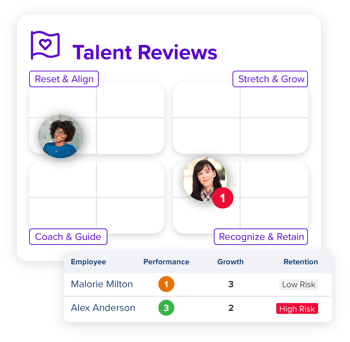
Balancing Short-Term Goals with Long-Term Vision: High-performing teams adeptly navigate the dual demands of achieving immediate objectives and fostering sustainable long-term growth. While focused on delivering results in the present, they also invest in learning, development, and career pathing to ensure future readiness. Strategic tools like talent reviews and succession planning are integral to this approach, ensuring a pipeline of capable leadership. This dual focus on immediate wins and enduring growth positions these teams to thrive in a constantly evolving business environment.
Distinctive Practices of Top-Tier Teams
Beyond inherent characteristics, high-performing teams actively engage in specific behaviors that set them apart:
-
Embracing Innovation and Adaptability: In an era defined by constant change, high-performing teams are not daunted but energized by it. They proactively challenge the status quo, seek novel ideas, and embrace innovation. Their agility allows them to adapt swiftly to evolving circumstances, remaining resilient and capable of capitalizing on emerging opportunities. To foster this, they require the autonomy, support, tools, and technology to experiment and learn from both successes and failures, often focusing on organizational impact rather than solely on arbitrary Key Performance Indicators (KPIs).
-
Cross-Functional Collaboration: Organizational silos are systematically dismantled by high-performing teams. They actively foster collaboration across departments, disciplines, and teams, encouraging the free exchange of knowledge, leveraging diverse strengths, and working towards shared objectives. This collaborative spirit amplifies their collective impact and strengthens interdepartmental relationships.
-
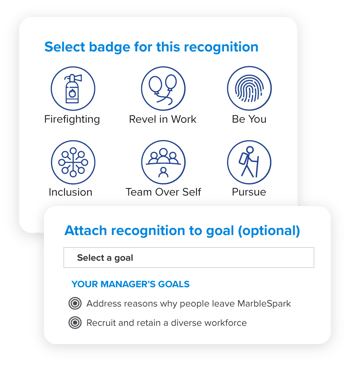
Focus on Recognition and Achievements: High-performing teams understand that meaningful recognition is often personalized. They leverage data to celebrate milestones, both large and small, proactively and reactively acknowledging contributions to the broader team. This cultivates a contagious culture of appreciation that motivates individuals to perform at their best.
-
Leveraging Engaging Performance Processes and Technology: The efficacy of a high-performing team is intrinsically linked to the quality of the processes and tools that support them. They avoid being bogged down by disparate systems and siloed data, instead utilizing integrated solutions that facilitate seamless collaboration, provide data-driven insights, and automate routine tasks.
-
Mutual Accountability: These teams do not shy away from responsibility. They embrace collective accountability, holding each other—and themselves—responsible for the team’s overall performance and outcomes. This shared ownership fosters a sense of unity and commitment to collective success.
Actionable Strategies for Cultivating High-Performing Teams
Building a high-performing team is an ongoing endeavor that requires sustained commitment and investment in development. Key strategies include:
- Forge a Shared Purpose: Instill a unified sense of purpose through clear goals and team alignment. Managers should regularly evaluate priorities, communicate organizational goals, and utilize one-on-one meetings to ensure individual work aligns with team objectives, fostering a collective drive towards shared success.
- Streamline Communication: Establish clear communication protocols and expectations to ensure team agility and focus. Utilizing a mix of communication platforms, such as instant messaging for informal updates and project management tools for detailed task tracking, can prevent information silos and ensure clarity. Encouraging cross-functional knowledge-sharing through workshops and team-building exercises further enhances creativity and camaraderie.
- Empower Decision-Making: Grant team members the autonomy to make decisions and take ownership of their work. Encourage initiative and recognize that empowering employees fosters a culture of trust and accountability. Regularly acknowledging contributions reinforces how individual efforts benefit the broader organization.
- Recognize and Reward Achievements: Acknowledge and celebrate both individual and team successes. Recognition boosts morale, reinforces desired behaviors, and motivates continuous effort. Weekly one-on-one meetings offer a consistent touchpoint for discussing progress and achievements. It is crucial to recognize a range of contributions, from significant wins to consistent performance and exceptional effort. Understanding individual preferences for recognition is key to maximizing its impact. Encouraging peer-to-peer recognition through channels like team shout-out Slack channels further strengthens a positive work environment.
- Invest in Employee Development: Cultivate a culture of continuous learning by investing in employee growth. Identify development opportunities that align with team needs, organizational priorities, and individual career aspirations. This empowers employees and equips them to excel in their roles.
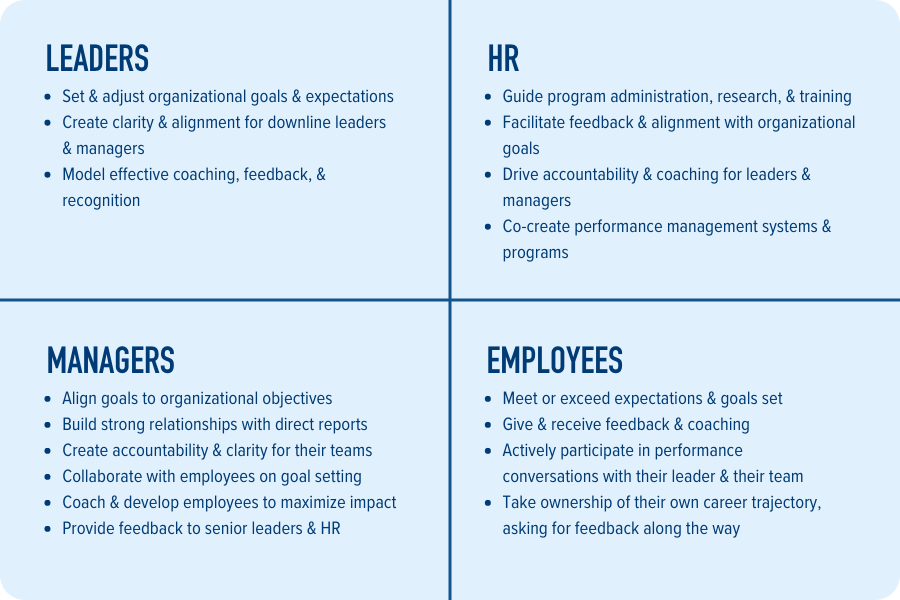
Shared Responsibility in Building High-Performing Teams
The creation of high-performing teams is not the sole responsibility of any single department; it is a collective effort involving all levels of an organization.
- Senior Leaders: Responsible for setting strategic direction, articulating organizational goals, and modeling effective performance, accountability, and coaching. They must focus on outcomes and impact, leading by example.
- Human Resources: Plays a vital role in facilitating feedback, aligning performance metrics with organizational goals, and holding leaders accountable for coaching. By co-creating and continuously refining performance management systems, HR drives employee impact, development, and business success.
- Managers: Translate organizational goals into team objectives, foster employee growth, build strong relationships with direct reports, provide consistent feedback, and ensure clarity of expectations. They are instrumental in setting goals, providing coaching, and allocating resources.
- Employees: Active participation is crucial. Employees must strive to achieve goals, engage in feedback and coaching, take ownership of their development, and proactively seek support when needed.
Leveraging Technology for Enhanced Performance
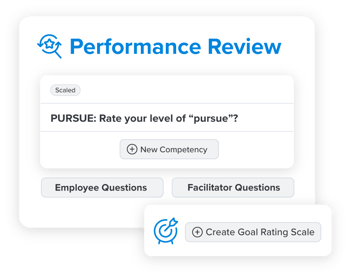
Specialized performance management software can significantly streamline the process of building and nurturing high-performing teams. Tools designed for goal management facilitate clear objective setting and progress tracking. Robust feedback mechanisms, including 360-degree, peer, and upward feedback, foster a culture of continuous improvement. Performance review software simplifies the conversation around achievements and development areas. Real-time recognition platforms enable timely appreciation of contributions, boosting morale and engagement. Furthermore, tools that support one-on-one meetings and talent reviews enhance clarity, connection, and strategic talent development.
In conclusion, the journey to building high-performing teams is a strategic imperative. By understanding their defining characteristics, embracing their distinct practices, and implementing actionable strategies supported by effective technology, organizations can cultivate environments where teams not only meet but consistently exceed expectations, driving unparalleled success.