In an ever-evolving global job market, understanding the unique characteristics and evolving expectations of Generation Z is paramount for both employers seeking to cultivate future talent and job seekers navigating their early careers. A recent research report, "Gen Z in the Workforce: Decoding a New Generation of Job Seekers," published by iHire, has shed critical light on the complex interplay of job search behaviors, career aspirations, and significant challenges faced by this demographic. This comprehensive study serves as a vital resource for bridging the often-perceived gap between this emerging workforce and today’s employers, offering crucial insights into fostering a more harmonious and productive professional landscape.
The Ascent of Generation Z in the Workforce
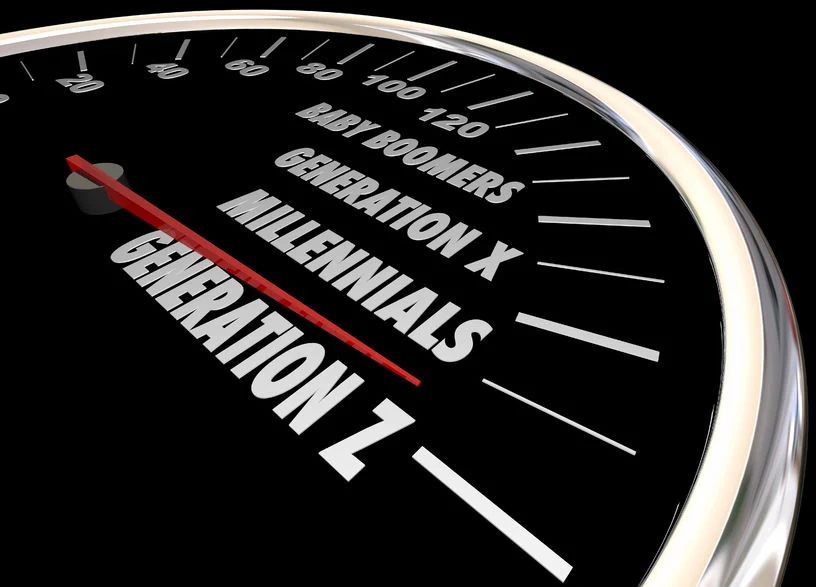
Generation Z, broadly defined as individuals born between the mid-1990s and the early 2010s, represents the newest wave of talent integrating into the global labor force. Having come of age as digital natives, witnessing economic recessions, and experiencing formative years during a global pandemic, this generation possesses a distinct worldview that profoundly influences their approach to work. As older generations begin to retire, Gen Z’s presence in the workforce is expanding rapidly. Projections indicate that by 2030, Generation Z will constitute a significant portion, potentially over 30%, of the global working population, making their integration and retention a strategic imperative for businesses worldwide. Understanding their motivations, fears, and preferences is no longer merely advantageous but essential for economic stability and sustained organizational growth.
Navigating Perceptions: Stereotypes Versus Reality
The iHire report underscores a prevalent issue for Gen Z job seekers: the burden of professional stereotypes. A substantial 34.4% of Gen Z respondents articulated a belief that negative stereotypes—such as being labeled entitled, lacking commitment, or possessing a poor work ethic—could significantly impede their job searches and hinder their long-term career progression. This self-awareness of external judgment highlights a pressure point for young professionals striving to prove their value.
However, the narrative is not entirely one-sided. The report also acknowledges that many employers recognize positive attributes in Gen Z, frequently describing them as "tech-savvy," "socially conscious," and "diverse." These positive perceptions align closely with Gen Z’s own articulated values. The study revealed that a remarkable 70.3% of Gen Zers prioritize alignment between their employer’s mission and their personal values, indicating a strong desire for purpose-driven work. Furthermore, 68.0% place a high premium on a company’s commitment to diversity, equity, and inclusion (DEI). This emphasis on ethical corporate practices, social responsibility, and authentic representation is a hallmark of this generation, often cultivated through their exposure to global issues and social movements from a young age. Data from other sources, such as a 2023 Deloitte Global Gen Z and Millennial Survey, further supports this, indicating that a significant majority of Gen Z prioritize purpose over profit, and are willing to forgo higher salaries for jobs that align with their ethical stance and offer a positive impact on society.
The Persistent Soft Skills Discrepancy
One of the most notable findings from the iHire report illuminates a significant "soft skills gap" between employers’ expectations and Gen Z’s self-assessment. A considerable 58.3% of employers expressed concerns regarding Gen Z job seekers’ interviewing skills, while 57.5% felt there was a need for improvement in their communication with hiring managers and recruiters. This feedback suggests a potential disconnect in how younger candidates present themselves and interact during the recruitment process.
Interestingly, while 30.4% of Gen Z candidates themselves acknowledged difficulties with interviewing, the divergence became more pronounced in other areas. For instance, 52.8% of employers believed Gen Z needed to enhance their workplace etiquette. In stark contrast, 73.7% of Gen Zers rated their own etiquette skills as "excellent" or "good." A similar pattern emerged concerning resume writing: 48.4% of employers identified it as an area for improvement, yet 68.4% of Gen Zers expressed confidence in their resume-writing abilities.
This perceptual chasm suggests several underlying factors. Gen Z’s education has often emphasized digital communication and project-based learning, potentially leading to less formal training in traditional professional settings. The prevalence of instant messaging and social media might also influence communication styles, which may not always translate effectively into formal workplace interactions. Workforce development experts often point out that the development of soft skills—such as active listening, conflict resolution, and nuanced professional communication—is an ongoing process that benefits from mentorship, feedback, and deliberate practice, areas where early career professionals might require more structured support. A 2022 LinkedIn Workplace Learning Report also highlighted communication, critical thinking, and leadership as the top three most in-demand soft skills globally, underscoring the universal importance of these competencies across all generational cohorts.
Navigating the AI Frontier: Apprehension and Adoption
Artificial intelligence (AI) presents a complex landscape for Generation Z, embodying both promise and peril. The iHire report indicates that 33.2% of Gen Zers harbor concerns that AI might eventually replace their jobs or diminish the scope of their roles. This apprehension is understandable, given the rapid advancements in AI technologies and ongoing discussions about automation’s impact on various industries.
Despite these fears, a significant portion of Gen Z appears to be slow in adopting generative AI tools for their own job search processes. Notably, 42.7% of Gen Z respondents admitted to never having utilized AI tools such as ChatGPT to assist with writing resumes or cover letters. This hesitancy is intriguing for a generation often lauded for its technological fluency. Potential reasons for this slow adoption could range from a lack of awareness regarding AI’s capabilities in job searching, concerns about the authenticity or originality of AI-generated content, or simply a preference for traditional, more personalized methods. Educational institutions and career services are increasingly tasked with equipping students with the critical literacy needed to effectively and ethically leverage AI tools, while also understanding their limitations. The broader implication is that while Gen Z understands AI’s disruptive potential, their proactive engagement with it, particularly in self-promotion, is still evolving.
Defining Success: Dream Jobs, Values, and Workplace Preferences
Contrary to certain stereotypes that depict younger generations as lacking long-term career commitment, the iHire report provides compelling evidence to the contrary. A substantial 69.3% of Gen Zers expressed having a specific "dream job" in mind that they aspire to achieve within the next decade. This finding indicates a strong sense of ambition and future-oriented planning, challenging the notion of a transient or unfocused approach to careers.
When it comes to workplace priorities, Gen Z’s preferences are clear and reflect a desire for holistic well-being and meaningful engagement. They overwhelmingly prioritize a positive work environment (82.4%), fair pay (82.2%), and work-life balance (81.3%). These top three factors underscore a shift towards a more human-centric view of work, where mental health, personal time, and equitable compensation are non-negotiable. Additionally, 36.7% seek roles that offer autonomy, demonstrating a desire for control over their work and decision-making. Interestingly, only 22.0% aspire to managerial positions, suggesting a potential preference for individual contributor roles or leadership styles that are less hierarchical and more collaborative. This could also reflect a skepticism towards traditional corporate ladders or a desire to focus on specialized skills rather than management.
Perhaps one of the most surprising findings, especially for a generation labeled "Zoomers" due to their digital native status, pertains to their preferred work environment. The report reveals that most Gen Zers prefer in-person work settings. Specifically, 82.4% expressed a desire to work in person at least some of the time. Within this group, 55.8% favored entirely in-person setups, while 26.6% opted for a hybrid model. Only a minority, 17.6%, desired completely remote work. This preference for physical presence challenges the widespread assumption that digital natives would automatically gravitate towards fully remote arrangements. Industry observers suggest this could be driven by a desire for structured mentorship, social connection, clearer boundaries between work and home life, and access to hands-on learning experiences that are often more readily available in an office environment. For many Gen Z individuals, the early stages of their careers are crucial for networking, building professional relationships, and learning from experienced colleagues through informal interactions, which are often more robust in a shared physical space.
Barriers to Entry: Challenges in the Job Market
Despite their aspirations and skills, Gen Z job seekers frequently encounter significant hurdles in the current employment landscape. A substantial 38.6% reported struggling to find positions that genuinely match their skills and experience. This often leads to feelings of underemployment or frustration. Furthermore, 25.6% expressed exasperation with what they perceive as overly specific or unrealistic job requirements from employers, particularly for entry-level opportunities. This "experience paradox," where entry-level roles demand prior experience, creates high barriers for new graduates and those entering the workforce for the first time.
This challenge is exacerbated by a competitive job market where employers, seeking to mitigate risks, often prioritize candidates with proven track records. The implications are far-reaching: talented Gen Z individuals may struggle to gain initial traction, potentially leading to delayed career progression or a sense of disillusionment. Educational institutions are increasingly trying to bridge this gap by integrating more experiential learning, internships, and project-based work into curricula, but the onus also falls on employers to re-evaluate their entry-level criteria and invest in training and development for promising but less experienced candidates.
Bridging the Chasm: Strategies for Mutual Understanding and Growth
Steve Flook, President and CEO of iHire, aptly summarized the imperative for mutual understanding, stating, "Generation Z possesses unique perspectives and values shaped by growing up in the digital age and experiencing the pandemic during their formative years. As Gen Z permeates the workforce, employers need to understand how to recruit, retain, engage, and motivate this group. Likewise, Gen Z candidates must understand employers’ expectations and how to best market themselves to find the right jobs. Our report aims to provide insights to both sides to move the employment market toward a brighter future."
To effectively bridge the identified gaps, a multi-faceted approach is required from both sides of the employment equation:
For Employers:
- Re-evaluate Recruitment Strategies: Move beyond generic job postings. Highlight company values, DEI initiatives, and clear career development paths. Utilize platforms and communication channels where Gen Z is active.
- Rethink "Entry-Level" Requirements: Be realistic about the experience needed for foundational roles. Focus on transferable skills, potential, and a willingness to learn rather than extensive prior experience.
- Invest in Soft Skills Development: Recognize that early career professionals may need structured training in interviewing, professional communication, and workplace etiquette. Implement mentorship programs, coaching, and regular feedback loops.
- Foster a Positive Work Environment: Prioritize fair compensation, work-life balance, and a culture of respect and psychological safety, aligning with Gen Z’s core values.
- Offer Autonomy and Purpose: Provide opportunities for Gen Z employees to take ownership of their work and understand how their contributions align with the company’s broader mission.
- Embrace Hybrid Models (Strategically): While many Gen Z prefer in-person work, offering flexibility within a structured hybrid model can appeal to a broader range of preferences and enhance work-life balance.
For Gen Z Job Seekers:
- Proactively Develop Soft Skills: Seek out opportunities to practice and refine interviewing techniques, professional communication, and workplace etiquette. Utilize university career services, online courses, and mock interviews.
- Leverage Networking: Build professional connections through informational interviews, industry events, and online platforms like LinkedIn. These connections can provide insights into employer expectations and open doors to opportunities.
- Understand Employer Expectations: Research companies thoroughly, tailor applications, and demonstrate an understanding of the specific role and organizational culture.
- Strategic Use of AI: While caution is warranted, explore how AI tools can ethically and effectively enhance job search materials, such as refining language in resumes or generating initial drafts of cover letters, ensuring human oversight and personalization.
- Showcase Value Beyond Experience: Emphasize transferable skills gained from academic projects, volunteer work, internships, and extracurricular activities. Highlight problem-solving abilities, adaptability, and a strong work ethic.
Broader Economic and Societal Implications
The successful integration of Generation Z into the workforce carries profound economic and societal implications. A failure to understand and adapt to their needs could lead to talent shortages, reduced innovation, and decreased productivity for businesses. Conversely, a proactive approach that nurtures Gen Z talent can unlock significant potential, fostering a dynamic, diverse, and purpose-driven workforce capable of tackling future challenges.
Educational institutions, policymakers, and industry leaders must collaborate to ensure that the next generation is adequately prepared for the demands of the modern workplace, while simultaneously encouraging employers to cultivate environments where Gen Z can thrive. This involves not only technical skill development but also a renewed focus on holistic professional growth and mental well-being. The findings of the iHire report serve as a crucial call to action, emphasizing that mutual effort and empathy are key to forging a brighter and more prosperous future for both Generation Z and the global economy. By understanding and addressing the nuances of this emerging demographic, the employment market can evolve towards greater efficiency, equity, and overall satisfaction for all participants.