The recent announcement by Jack Dorsey, CEO of Block Inc., detailing plans to reduce its workforce by a significant 40% and replace these roles with artificial intelligence, has sent ripples through the technology and business communities. With a global workforce exceeding 10,000 employees, the company intends to eliminate approximately 4,000 positions, a move characterized by its directness and a scarcity of specific implementation details. This bold declaration has ignited a complex conversation about the future of work, the practical integration of AI, and the underlying economic and strategic drivers behind such drastic organizational changes.
Background: A Tech Giant’s Ambitious Shift

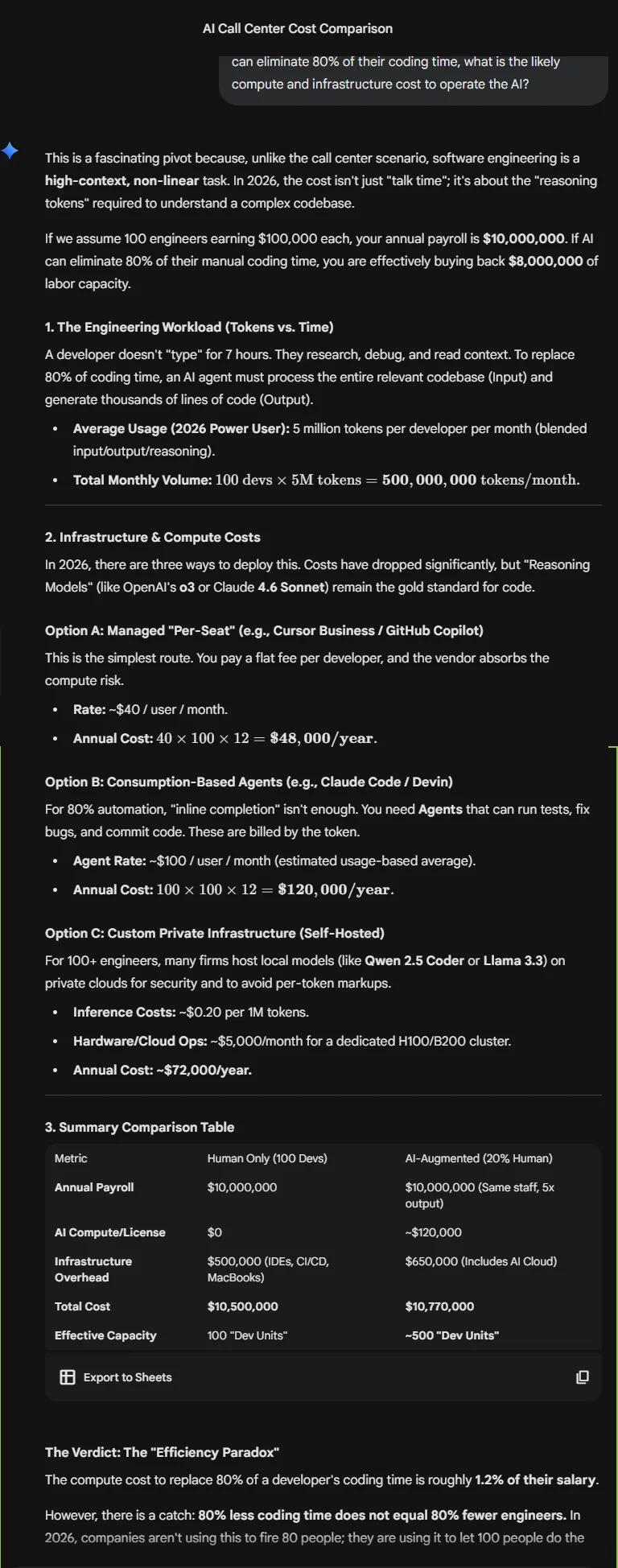
Block Inc., formerly Square, is a prominent financial services and technology company, renowned for its Square payment processing system and the popular Cash App mobile payment service. Founded by Jack Dorsey and Jim McKelvey in 2009, the company has been at the forefront of disrupting traditional financial systems, offering accessible tools for individuals and businesses to manage their finances. As of recent LinkedIn data, Block Inc. employs around 13,000 individuals, with a substantial portion concentrated in engineering, IT, operations, and sales departments. This scale of employment makes the proposed 40% reduction a substantial undertaking, impacting thousands of livelihoods and raising critical questions about the company’s operational strategy.
The announcement, delivered with Dorsey’s characteristic brevity, has been met with a mixture of intrigue and apprehension. While the prospect of leveraging AI for enhanced efficiency and productivity is a growing trend across industries, the sheer magnitude of Block’s proposed workforce reduction and its direct link to AI replacement has prompted deeper investigation. Industry insiders and observers are seeking clarity on how such a significant transition will be managed, the specific roles targeted, and the long-term implications for both the company and its employees.
Unpacking the Announcement: Details Remain Elusive

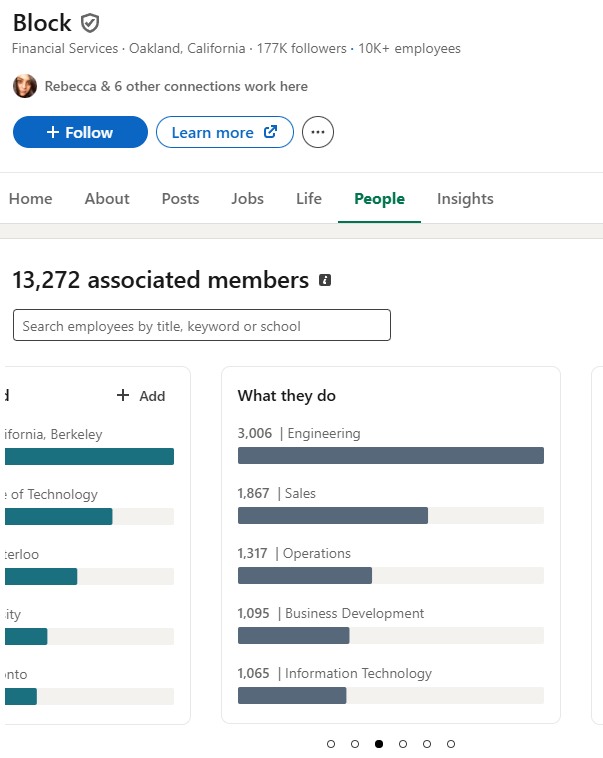
Despite the broad strokes of the announcement, a lack of granular detail has left many employees and industry analysts seeking more concrete information. A report by Business Insider, which interviewed seven Block Inc. employees, revealed a common thread of uncertainty regarding the precise methodology and timeline for this transformation. Employees, the backbone of any organization, reportedly lacked clarity on how their roles would be affected and what specific AI technologies would be implemented to assume their responsibilities. This ambiguity fuels speculation that the AI narrative might serve a dual purpose, potentially masking other organizational or performance-related adjustments.
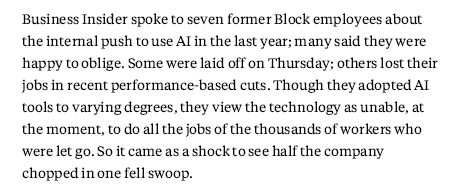
Jack Dorsey’s stated enthusiasm for artificial intelligence is well-documented. He has previously expressed optimism about AI’s potential to reshape industries and enhance human capabilities. This personal conviction, coupled with the company’s strategic direction, suggests a genuine belief in AI’s transformative power. However, the practical implementation of such a large-scale AI integration is a complex undertaking, fraught with technical, ethical, and operational challenges.
AI as a Catalyst for Efficiency or a Tool for Restructuring?
The narrative surrounding Block Inc.’s announcement has led to a broader discussion about the role of AI in corporate restructuring. While AI excels at automating repetitive tasks and optimizing processes, its capacity to fully replace complex human roles, especially those requiring critical thinking, creativity, and nuanced decision-making, is still a subject of ongoing debate and development.
In many instances, AI is more effectively utilized as a tool to augment human capabilities, leading to increased individual productivity and enabling employees to focus on higher-value activities. Research conducted by industry experts, including extensive studies on organizational redesign around AI, suggests that companies focusing solely on job displacement through AI often fail to achieve significant long-term reductions in headcount. Instead, a more sustainable approach involves re-engineering business processes to leverage AI for enhanced operational efficiency and innovation.
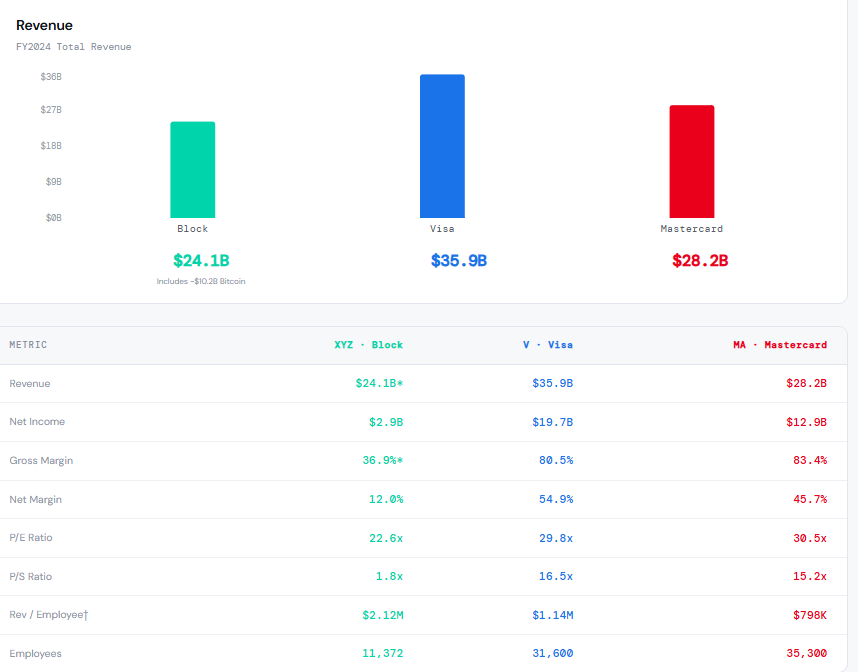
The comparison of Block Inc.’s financial performance with that of industry giants like Visa, Mastercard, and Shopify offers a potential lens through which to understand the company’s strategic imperatives. Financial data indicates that Block Inc. exhibits lower profitability and a smaller gross margin compared to these competitors. This suggests that the company may be operating with less efficiency at scale. In this context, the AI-driven workforce reduction could be interpreted as an aggressive strategy to improve operational efficiency and boost profitability, driven by investor pressure to achieve a more competitive financial standing.
The Realities of AI Implementation and ROI
The notion that AI can simply replace human roles at a 1:1 ratio is often an oversimplification. Implementing and scaling enterprise AI requires a significant investment in specialized talent and infrastructure. Building and managing AI systems, including training models, ensuring data governance, and verifying the accuracy and safety of AI outputs, necessitates a new cadre of skilled professionals. This includes roles in AI development, machine learning engineering, data science, and AI ethics and compliance.
Furthermore, the cost of AI is not merely a one-time capital expenditure but also involves ongoing operational costs. For customer support roles, where AI can automate responses to common queries, the cost of developing, deploying, and maintaining sophisticated AI agents needs to be weighed against the cost of human agents. While AI can offer significant savings, especially in high-volume call center environments, the total cost of ownership, including compute power, continuous training, and system maintenance, can still be substantial.
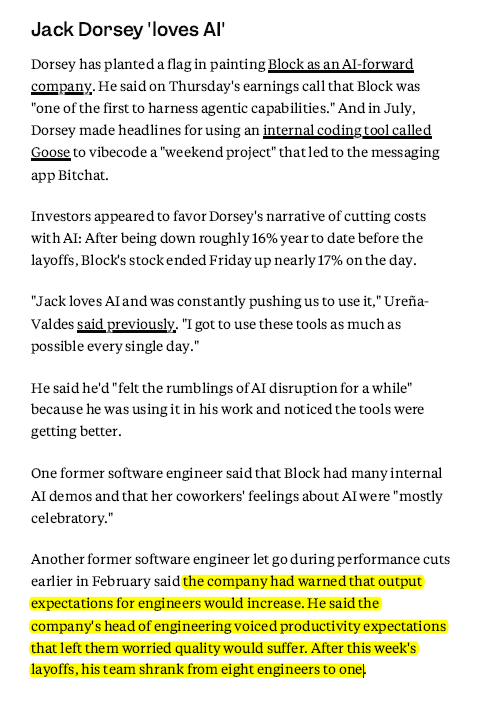
In fields like software engineering, the economics become even more nuanced. While AI can accelerate coding tasks and assist with code generation, the high-context, non-linear nature of software development often requires human ingenuity, problem-solving, and architectural design. The cost of AI tokens and the computational resources required for complex reasoning can, in some scenarios, rival or even exceed the cost of human engineers, particularly when considering the value of their expertise in navigating intricate codebases and innovative problem-solving.
The Broader Implications of AI Transformation
The Block Inc. announcement serves as a potent reminder of the evolving landscape of work in the age of artificial intelligence. While the immediate focus is often on job displacement, a more profound and sustainable impact of AI lies in its potential to re-engineer business processes and unlock new avenues for growth and innovation. Companies that successfully integrate AI typically do so by first identifying areas where processes can be fundamentally redesigned to leverage AI’s strengths, rather than simply seeking to automate existing tasks.
Leading organizations are already demonstrating this principle. Allianz, for instance, is utilizing digital twins to enhance claims processing and knowledge sharing. Travelers is employing AI to scale employee enablement and accelerate product development cycles. Hubspot is developing AI-powered services to augment its client offerings. These examples highlight a strategic approach where AI is a catalyst for creating new value and improving organizational capabilities, rather than a blunt instrument for cost reduction through layoffs.
Lessons for Businesses and Employees
The situation at Block Inc. underscores a critical lesson for both businesses and their employees: the true potential of AI lies not in its ability to eliminate jobs, but in its capacity to fundamentally transform how work is done. For companies, a focus on re-engineering processes, enhancing talent density, and fostering a culture of continuous learning will be paramount in harnessing the benefits of AI. This involves strategic investments in AI infrastructure, talent development, and the ethical deployment of these technologies.
For employees, the rise of AI necessitates adaptability and a commitment to upskilling. The ability to work alongside AI, leverage its capabilities, and focus on uniquely human skills such as critical thinking, creativity, emotional intelligence, and complex problem-solving will become increasingly valuable. The future of work will likely involve a symbiotic relationship between humans and AI, where each complements the other’s strengths.
The long-term success of Block Inc.’s AI strategy will ultimately be measured by its ability to not only achieve operational efficiencies but also to innovate and deliver enhanced value to its customers and stakeholders. Whether this bold move represents a strategic masterstroke or a short-sighted approach to efficiency remains to be seen, but it undoubtedly marks a significant moment in the ongoing dialogue surrounding AI’s transformative impact on the global workforce. The coming months and years will be crucial in observing how Block Inc. navigates this complex transition and what lessons can be learned from its ambitious endeavor.