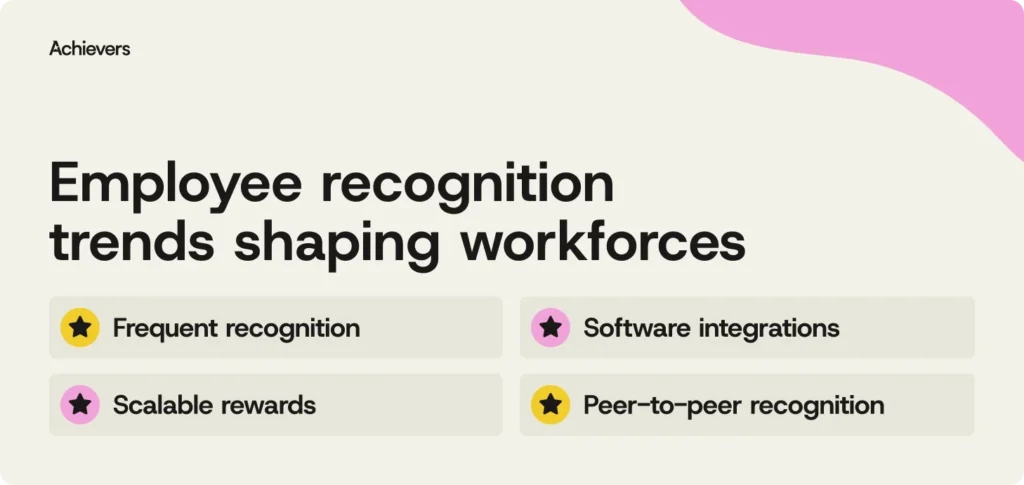
The modern workplace is undergoing a profound transformation in how it acknowledges and values its employees. Gone are the days when a steady paycheck and infrequent verbal affirmations sufficed. Today’s workforce demands a more consistent, specific, and impact-driven approach to recognition, signaling a significant shift in organizational culture and employee engagement strategies. Research consistently points to a disconnect between employee expectations and current practices, with a substantial portion of the workforce feeling underappreciated. This gap has significant implications for employee morale, productivity, and retention, prompting leading organizations to re-evaluate and innovate their recognition programs.
The 2025 State of Employee Recognition Report, a pivotal study by Achievers, underscores this evolving sentiment. The report reveals that a mere 19% of employees report receiving weekly recognition, highlighting a critical shortfall in regular appreciation. This lack of consistent acknowledgment has a cascading negative effect, diminishing employee engagement, eroding trust, and ultimately increasing turnover. Conversely, the data offers a compelling upside: employees who experience meaningful weekly recognition are nine times more likely to feel a strong sense of belonging and more than twice as likely to be performing at their peak. This correlation emphasizes that when recognition is implemented effectively, it becomes a powerful engine for strengthening company culture, reinforcing core values, and driving tangible business results from within. As organizations look ahead to 2026 and beyond, understanding and acting upon these emerging recognition trends is paramount for fostering a thriving and productive work environment.
Frequent Employee Recognition: Moving Beyond Annual Appraisals
The traditional annual performance review, once a cornerstone of employee feedback and recognition, is rapidly becoming an outdated model. Employees today are seeking and expecting praise and acknowledgment in a more continuous and immediate fashion. The expectation in 2026 is that regular recognition will be the norm, not an infrequent bonus. This shift necessitates a move away from sporadic, event-driven acknowledgment towards a culture of continuous appreciation.
A significant aspect of this trend is the growing emphasis on "micro-recognition." This approach focuses on celebrating everyday contributions, acknowledging quick wins, and providing real-time feedback on progress. These smaller, more frequent acknowledgments accumulate over time, creating a visible and pervasive atmosphere of appreciation throughout the organization. The State of Recognition Report further substantiates the impact of this frequent acknowledgment, indicating that employees recognized on a weekly basis are 2.6 times more likely to be their most productive selves at work. The beauty of frequent recognition lies in its accessibility; it doesn’t require elaborate programs or significant budget outlays. Organizations are increasingly leveraging simple, integrated methods to foster this culture.
Personal and Purposeful Recognition: The Power of Specificity
The era of generic praise, such as a simple "great job," is fading. Employees now desire recognition that is specific, insightful, and clearly articulates the value of their contribution. A vague compliment fails to resonate because it doesn’t connect the action to its impact or explain why it was important. Thoughtful, tailored recognition reinforces desired behaviors, making it far more likely that those behaviors will be repeated. To cultivate a habit of meaningful recognition, organizations are focusing on several key strategies. This includes encouraging managers to be more observant of individual contributions and to articulate the specific impact of an employee’s work. Furthermore, empowering employees to recognize each other for specific achievements fosters a more robust and interconnected appreciation system.
Integrating Recognition into Tech Stacks: Seamless Appreciation
One of the most impactful shifts in employee recognition is its integration directly into the technology platforms employees use daily. Recognition is no longer confined to separate, standalone programs that require additional logins or navigation. Instead, it’s being embedded within existing communication and collaboration tools, such as instant messaging platforms, project management software, and HR information systems. This seamless integration makes giving and receiving recognition a natural, almost subconscious part of the workflow, eliminating friction and increasing adoption rates. Leading companies are actively embedding recognition functionalities directly into their existing tech stacks, ensuring that appreciation is always within reach.
Offering Scalable, Personalized Rewards: Beyond the Branded Mug
While a branded mug might have once been a standard token of appreciation, its impact in today’s diverse workforce is often limited. In 2026, the emphasis is on rewards that are not only scalable to accommodate organizations of any size but also deeply personal and meaningful to the individual recipient. This means moving beyond one-size-fits-all incentives and offering a range of options that cater to diverse preferences and life circumstances.

To achieve this, organizations are exploring a variety of personalized reward strategies. This includes offering flexible reward catalogs where employees can choose from a wide array of experiences, gift cards to their favorite retailers, or contributions to charitable causes they care about. Furthermore, companies are increasingly utilizing point-based systems that allow employees to accumulate recognition points and redeem them for rewards that hold personal significance. This approach ensures that the reward itself becomes a genuine expression of appreciation, rather than a perfunctory gesture. Personalized rewards are particularly crucial for supporting remote and global teams, granting employees the autonomy to select incentives that resonate with their individual needs and preferences, regardless of their geographical location.
Adopting an Accessible Employee Recognition Platform: Inclusion for All
A critical evolution in employee recognition is the commitment to accessibility. Recognition programs that are limited to office-based employees or specific departments fail to capture the full potential of an organization’s talent pool. Modern recognition platforms are designed to be inclusive, catering to employees across all devices, locations, and languages. This ensures that every member of the workforce, from frontline staff to remote team members, has an equal opportunity to give and receive recognition.
To achieve this broad accessibility, organizations are seeking platforms with features such as multi-language support, mobile-first design, and offline capabilities. This ensures that recognition can occur seamlessly, regardless of an employee’s connectivity or work environment. This focus on accessibility is particularly vital for empowering frontline and deskless workers, a segment of the workforce often overlooked by traditional recognition programs. By providing accessible tools, companies can foster a sense of belonging and value among all employees, strengthening the overall organizational culture.
Peer-to-Peer Recognition: Empowering the Collective Appreciation
Peer-to-peer recognition is emerging as a powerful driver of employee connection, morale, and the reinforcement of shared company values. Research consistently demonstrates the profound impact of peer appreciation. A significant study found that employees who are regularly recognized by their colleagues are 33% more likely to feel a sense of belonging compared to those who are not. This highlights the inherent human desire for connection and validation from one’s immediate work community.
To cultivate a culture of peer-powered appreciation, organizations are implementing strategies that make it easy and intuitive for employees to acknowledge each other. This includes providing user-friendly platforms where colleagues can quickly send shout-outs, compliments, or small rewards to one another. Additionally, encouraging managers to model and participate in peer recognition fosters a bottom-up approach to appreciation, where it becomes a shared responsibility.
Promoting the Company’s Employee Recognition Program: Visibility is Key
Even the most sophisticated employee recognition program will falter if employees are unaware of its existence or its value. To maximize engagement and impact, organizations must treat their recognition programs with the same strategic marketing principles as any external campaign. According to the Achievers Workforce Institute (AWI), there is a direct correlation between recognition frequency and performance, retention, and belonging – but only when employees are actively utilizing the platform.
The most effective companies understand that consistent communication and visible leadership buy-in are crucial. This involves regular internal communications highlighting program features, success stories, and the impact of recognition. Leaders actively participating in and promoting the program, both publicly and privately, sets a powerful example and reinforces its importance. This visibility ensures that recognition becomes an ingrained part of the organizational DNA, rather than a peripheral initiative.
Using Recognition Data to Drive Decisions: An Analytical Approach
Leading organizations are increasingly leveraging data derived from their recognition programs to inform strategic decisions. By tracking recognition frequency, the sources of recognition (manager vs. peer), and analyzing trends across different demographics and teams, companies gain invaluable insights into employee sentiment and engagement. This data is instrumental in shaping talent strategies, identifying areas for improvement, and proactively addressing potential issues. AWI’s 2026 Engagement and Retention Report reveals a striking statistic: employees who feel appreciated are 17 times more likely to envision a long-term career at their company. This underscores the critical role of recognition data in driving both engagement and retention efforts.
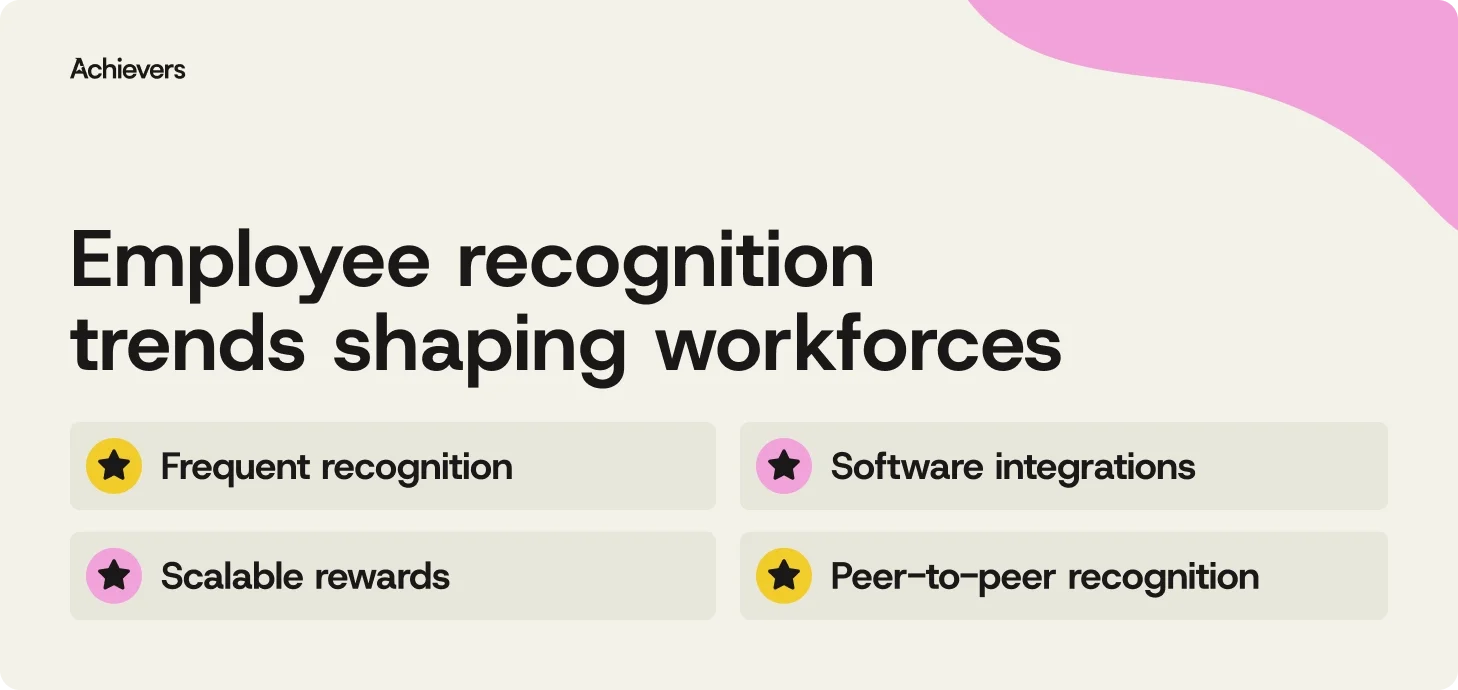
To make this data actionable, organizations are implementing robust analytics frameworks. This involves setting clear benchmarks for recognition frequency and impact, regularly reviewing data dashboards, and sharing these insights with leadership to foster a data-driven approach to talent management. By understanding the quantifiable impact of recognition, companies can make more informed decisions about resource allocation, program enhancements, and overall employee experience strategies.
Future Trends in Employee Engagement Technology: AI, Analytics, and Beyond
The technological landscape of employee engagement is poised for further innovation, with several key trends set to shape the future. Artificial Intelligence (AI) is emerging as a significant enabler, not by replacing human interaction but by augmenting it. AI tools can streamline the recognition process, making it easier for employees to identify and acknowledge their peers. Furthermore, AI can help leaders gain deeper insights into employee sentiment and engagement data. Early research from AWI indicates that 14% of employees already find AI tools helpful in making recognition easier for managers and peers, suggesting nascent but growing adoption. The successful integration of AI hinges on how it’s introduced, with IBM noting that employees adopt new business structures 34% more often when engagement is built into the transformation process. Looking ahead, AI is expected to play a behind-the-scenes role, facilitating more frequent and frictionless engagement.
Analytics and data are also becoming more sophisticated, transforming engagement data into actionable signals. Metrics such as recognition activity, feedback patterns, and participation levels provide organizations with a dynamic understanding of the employee experience over time. As these analytics become more interpretable, engagement data will be routinely used to communicate decisions related to culture, performance, and retention, moving beyond its traditional role as a periodic reporting tool.
Employee development is also increasingly intertwined with ongoing engagement. As roles evolve and skills demand shifts, employees are actively seeking opportunities for growth. Recognition and feedback can now serve as real-time indicators of strengths, skills, and contributions, providing a more continuous and visible pathway for development. Engagement technology will increasingly support this by helping employees and leaders track progress, facilitating ongoing development conversations throughout the year, rather than relying solely on formal review cycles.
Wellbeing and psychological safety are also gaining prominence, with employees paying closer attention to how supported they feel at work. Recognition and appreciation play a significant role in this, with 24% of employees indicating that recognition would boost their confidence during periods of change. Engagement technology will be used more deliberately to reinforce wellbeing through regular, everyday interactions. This includes leveraging recognition and feedback to identify early signs of stress or disengagement and reinforcing positive behaviors that build trust and inclusion. Ultimately, these tools will play a larger role in shaping employees’ perception of support and psychological safety as an integral part of their daily work experience.
Finally, continuous feedback is becoming more prevalent as employees seek clarity and direction in real-time. Engagement technology facilitates the timely sharing of recognition and feedback, enabling employees to understand what’s working and where they’re making an impact. This feedback loop is likely to feel more natural and ongoing, with engagement software supporting regular, lightweight interactions that help teams stay aligned amidst shifting priorities.
Achievers: A Platform Built for Today’s Recognition Trends
The trends shaping employee recognition in 2026 are not merely superficial changes; they represent a fundamental shift in how organizations build and maintain a motivated, engaged, and loyal workforce. Implementing these trends effectively requires more than just good intentions; it necessitates the right technological tools. Achievers is a platform specifically designed to meet these evolving expectations. Every aspect of the Achievers platform is engineered to support what today’s employees seek: frequent, meaningful recognition, personalized rewards, and experiences that feel authentic rather than transactional.
With Achievers, organizations gain access to a comprehensive suite of tools designed to foster a culture of appreciation. This includes robust features for facilitating peer-to-peer recognition, manager-led initiatives, and personalized reward redemption. The platform’s intuitive interface and seamless integration capabilities ensure widespread adoption and engagement across all levels of an organization. Achievers empowers companies to connect their employees to their purpose, shaping the desired company culture through consistent moments of appreciation.
Bringing Recognition Trends to Life and Making Them Last
The trends that are defining employee recognition in 2026 extend beyond mere perks; they are about creating workplaces where individuals feel genuinely seen, thoroughly supported, and intrinsically connected to a larger mission. When recognition is consistent, personal, and effortless to give, it cultivates more than just improved morale. It directly fuels enhanced performance, builds unwavering trust, and fosters long-term employee loyalty. The positive news is that organizations do not have to navigate this transformation alone. Whether embarking on the journey of establishing a recognition program or seeking to elevate an existing one, Achievers provides the essential tools, actionable insights, and unwavering support needed to build a recognition culture that endures.