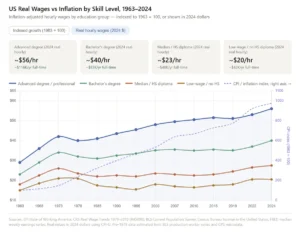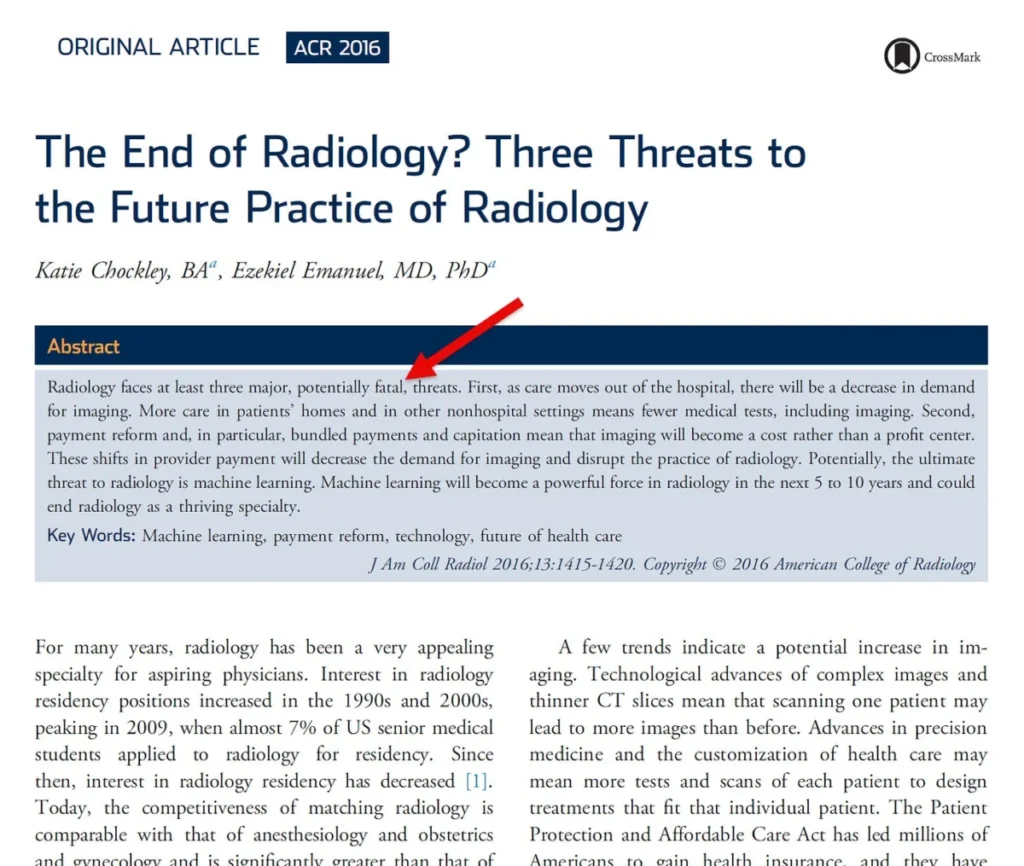
The prevailing narrative surrounding Artificial Intelligence (AI) often paints a picture of widespread job displacement, a technological wave poised to render human workers obsolete. However, a deeper analysis, supported by emerging data and real-world examples, suggests a more nuanced and optimistic reality. Rather than eliminating jobs, AI is proving to be a powerful catalyst for job evolution, transforming roles into more engaging, valuable, and ultimately more rewarding opportunities. This shift is not merely a theoretical concept but a tangible phenomenon observed across various sectors, reshaping the future of work into what is being termed "Superwork."

The perception of AI as a job destroyer often stems from its remarkable ability to automate routine tasks. Indeed, AI excels at executing repetitive processes with speed and precision, a capability that naturally leads to the streamlining of certain job functions. However, this automation frees human workers from the mundane, allowing them to focus on higher-level cognitive tasks that require critical thinking, creativity, emotional intelligence, and complex problem-solving – skills that remain distinctly human. This evolution is not unprecedented; history is replete with examples of technological advancements that have reshaped, rather than eradicated, the labor market.
The Software Engineering Renaissance: More Jobs, Higher Pay

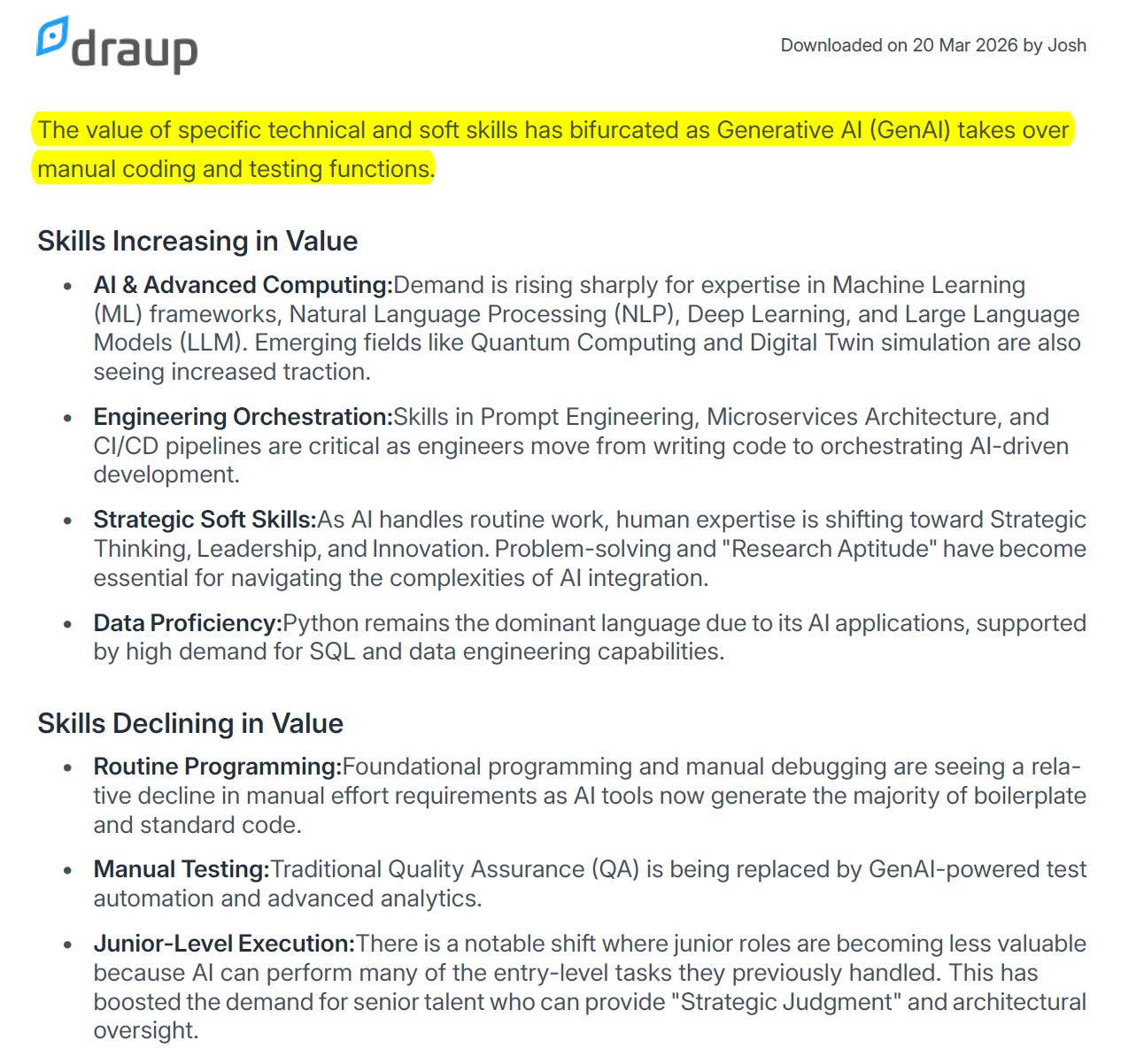
The technology sector, a frequent focal point of AI-driven job displacement discussions, provides compelling evidence for AI’s job-creation potential. Software engineers, a critical workforce comprising an estimated 4-6% of the global labor force, are at the forefront of this transformation. While some research, such as that from Anthropic, suggests that Large Language Models (LLMs) could theoretically automate a significant portion of coding tasks, the practical reality for software engineers is far more complex and promising.
The work of a software engineer extends far beyond simply writing code. It involves intricate processes of understanding business requirements, designing robust architectural frameworks, meticulously refining use cases, and developing comprehensive testing environments. AI tools, while capable of generating code rapidly, are not yet equipped to replicate the strategic foresight, nuanced problem-solving, and collaborative decision-making inherent in these roles.
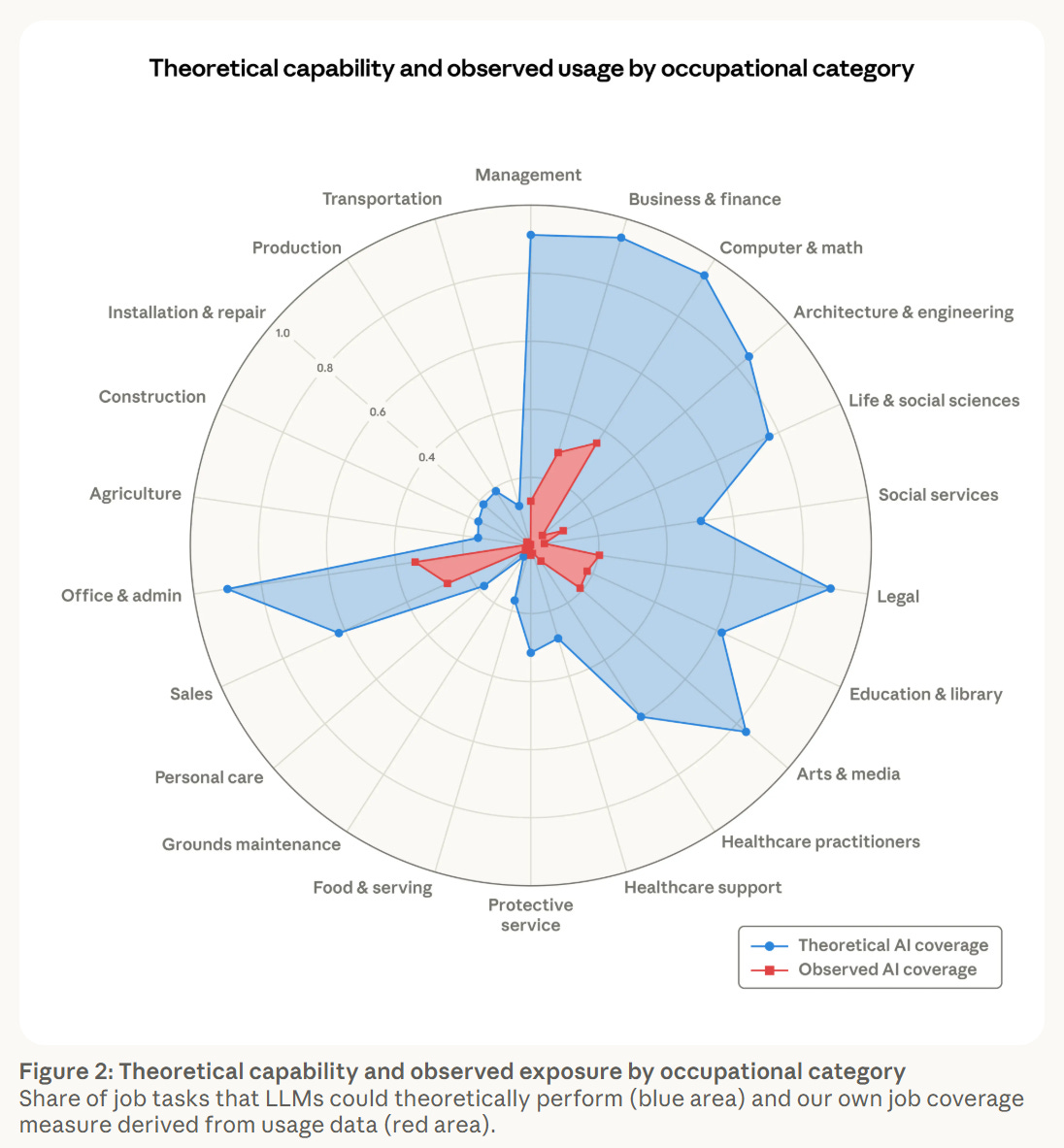
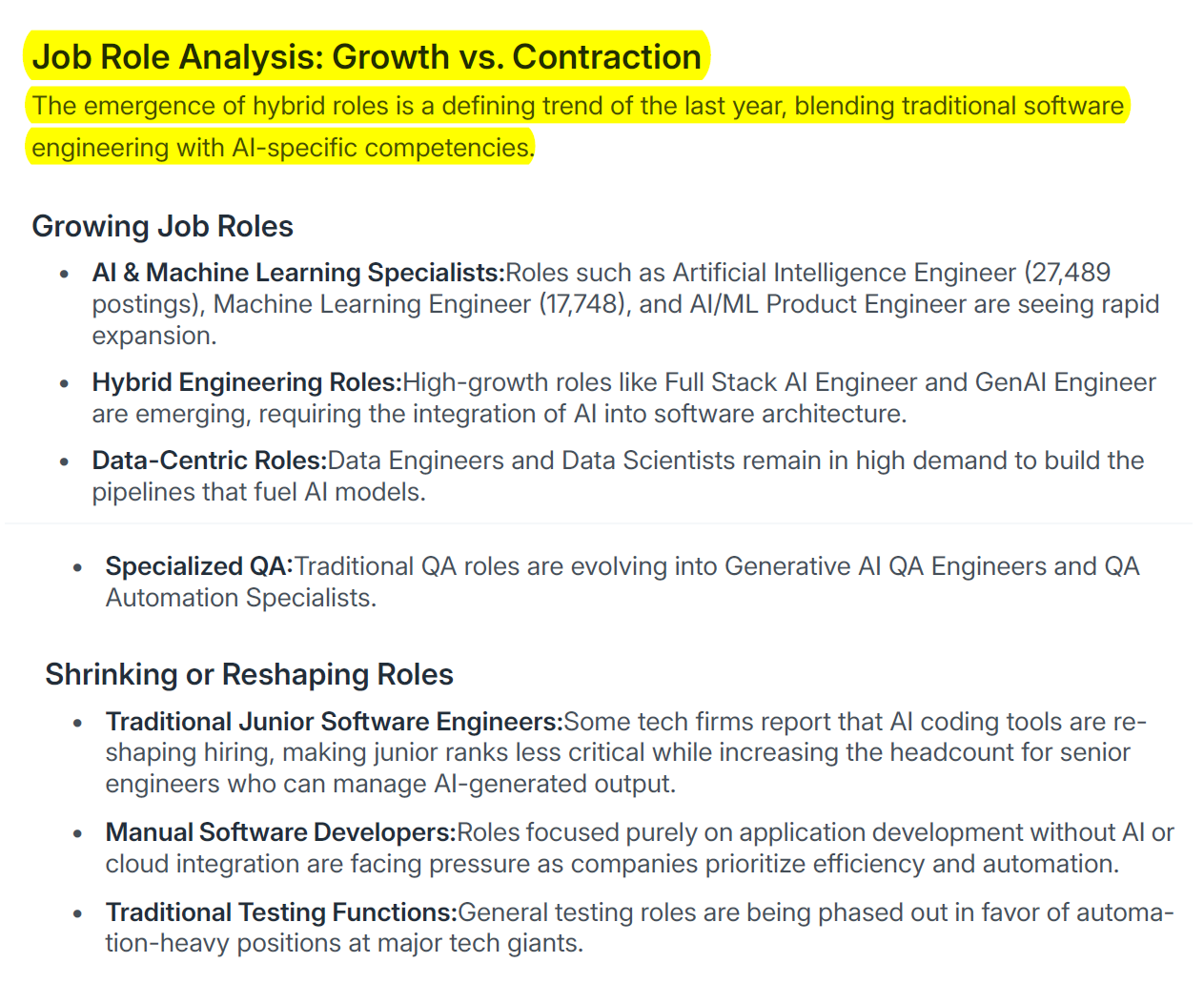
Contrary to initial fears, the demand for software engineers has not only remained stable but has, in many areas, increased. Data from labor market analytics firms like Lightcast and Draup reveals that global job postings for software engineering, design, and testing roles have largely held steady, even amidst the rapid integration of AI technologies. In fact, the rise of AI has spurred the creation of new specialized roles, such as "full-stack AI engineer" and "GenAI engineer," which require a deeper understanding of AI integration and application. These evolving job titles reflect a shift from generalized coding and testing roles to more specialized positions focused on leveraging AI capabilities.
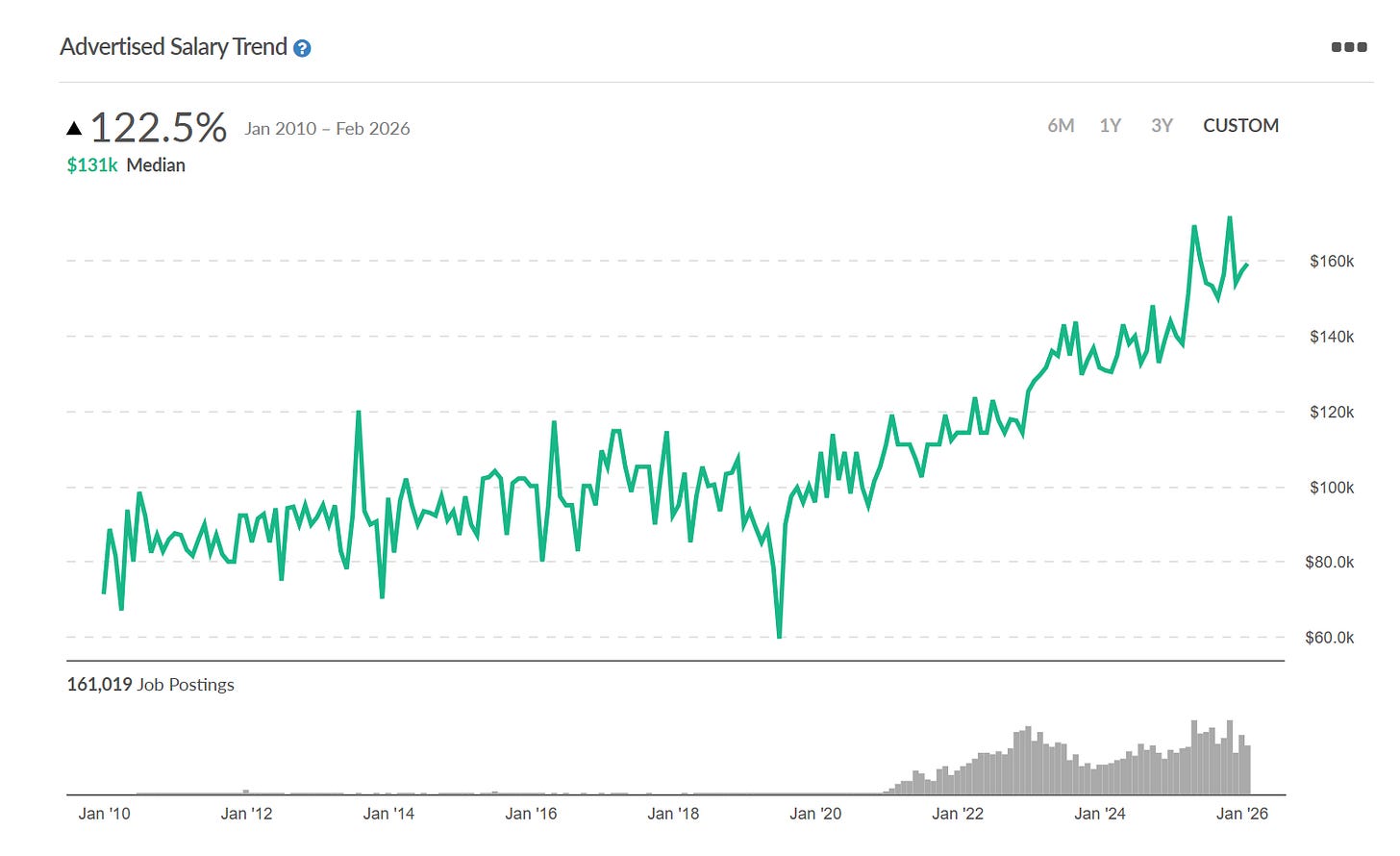
The impact on compensation is equally telling. Over the past fifteen years, software engineering salaries have more than doubled, with a notable increase of over 15% in the last year alone. This surge in remuneration underscores the increasing value and demand for skilled professionals who can effectively work alongside and manage AI systems. This trend indicates that AI is not diminishing the financial rewards of software engineering but rather amplifying them by creating more complex and impactful roles.
Healthcare’s AI Transformation: Enhanced Efficiency and Patient Care
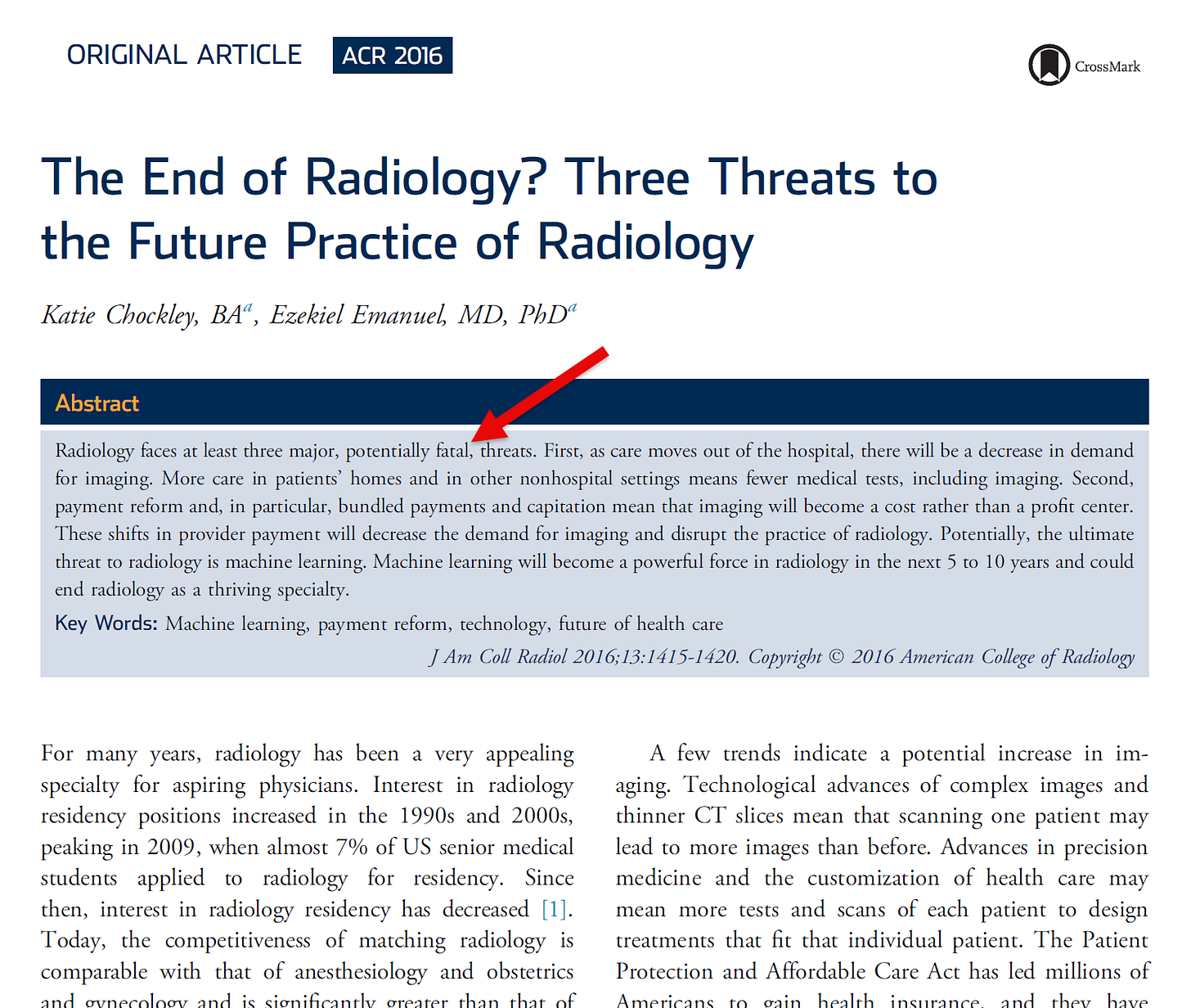
The healthcare sector offers another powerful illustration of how AI can augment human capabilities and create new job opportunities. Consider the role of X-ray technicians. A decade ago, the advent of digital imaging and AI-powered diagnostic tools led some economists to predict the obsolescence of these professionals. The argument was that AI could accurately read scans, identify abnormalities, and even diagnose conditions, thereby eliminating the need for human interpretation.
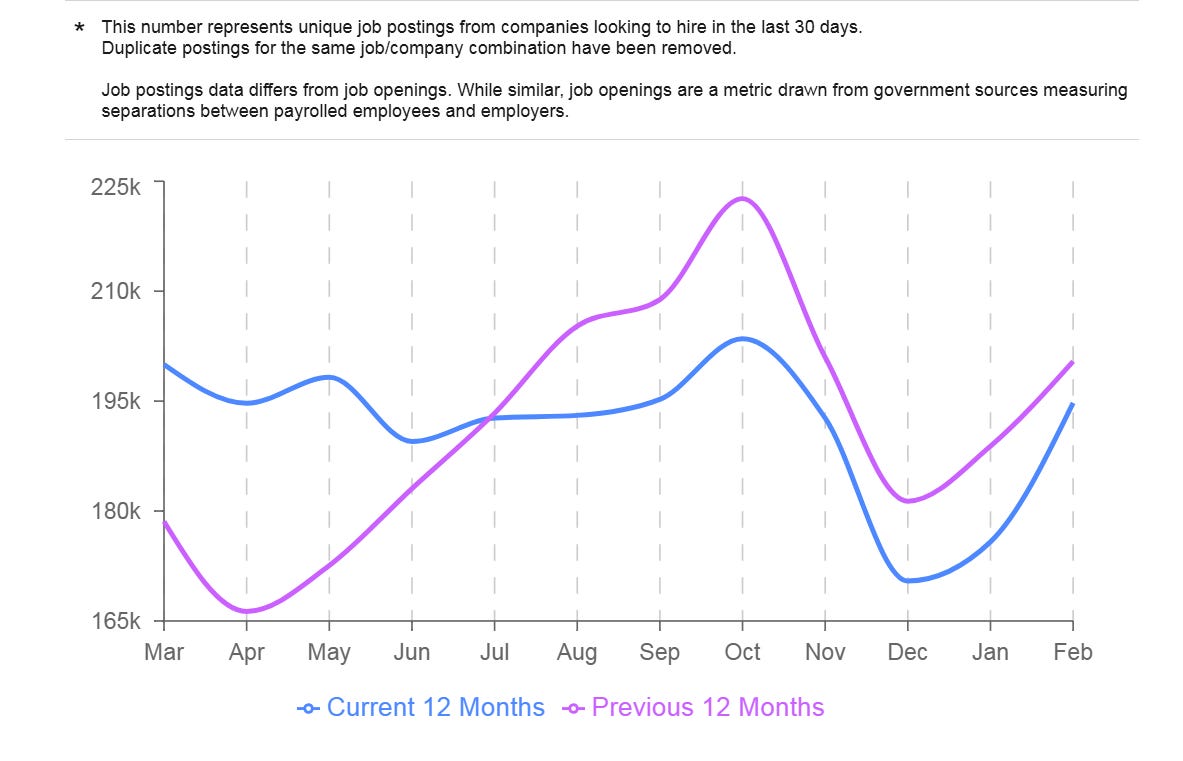
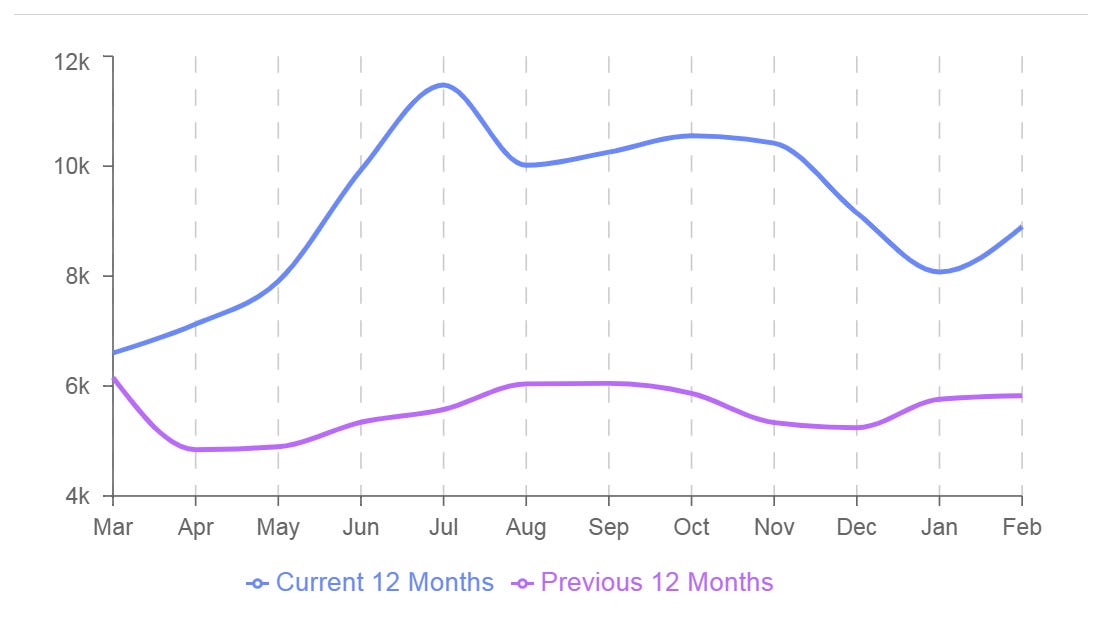
However, the data tells a different story. Job postings for imaging and medical diagnostics have seen a substantial year-over-year increase of 35%, according to Lightcast. This growth is not indicative of job loss but rather of a fundamental shift in the nature of these roles. AI has become a powerful co-pilot, automating the initial stages of image analysis and flagging potential areas of concern. This allows human technicians and diagnosticians to focus on more complex cases, patient interaction, and data management.
The evolution of these roles has led to an increased emphasis on skills such as patient communication, time management, and comprehensive care coordination. The introduction of AI has also had a significant impact on the accessibility and cost-effectiveness of medical imaging. Studies indicate that while the costs of other healthcare services have soared, the cost of imaging has become more manageable, and the volume of procedures has dramatically increased. This enhanced efficiency, driven by AI, has not led to a reduction in human labor but has instead created a greater demand for skilled professionals to manage the expanded capacity and provide more personalized patient care.
The personal experience of receiving an X-ray exemplifies this shift. A rapid diagnostic process, with near-instantaneous results delivered while still in transit, highlights the seamless integration of AI into patient care pathways. This streamlined experience suggests that healthcare professionals, empowered by AI, are becoming more efficient and capable, leading to improved patient outcomes and greater job satisfaction. These individuals are emerging as "Superworkers," leveraging technology to enhance their core competencies and expand their professional impact.
The "Superworker" Phenomenon: Adapting and Thriving
The underlying principle driving this job evolution is the inherent human capacity for adaptation and value creation. Throughout history, technological advancements have consistently reshaped the labor landscape, not by eliminating jobs entirely, but by transforming them. The US unemployment rate, which has remained relatively stable for years, serves as a testament to humanity’s remarkable ability to adapt to change.
This adaptability is rooted in our genetic makeup, honed over millions of years of evolution. While AI may surpass humans in computational speed, humans possess a far greater capacity for learning, creativity, emotional intelligence, and nuanced understanding. These qualities are essential for tasks that require strategic thinking, innovation, and interpersonal interaction.

The concept of "Superwork" and "Superworkers" emerges from this understanding. Superworkers are individuals who effectively leverage technology, including AI, to augment their capabilities, elevate their roles, and create greater value. They are not replaced by technology but are empowered by it. This transformation often involves a shift from routine, task-oriented work to more strategic, creative, and human-centric responsibilities.
The transition, while ultimately beneficial, is not always smooth. Some individuals may resist change, clinging to familiar workflows. However, as leaders and as a society, the focus must be on facilitating and supporting this evolution. This involves investing in reskilling and upskilling programs, fostering a culture of continuous learning, and embracing the opportunities that AI presents.
The ongoing development of AI is not a harbinger of mass unemployment. Instead, it represents an opportunity to liberate human potential from the drudgery of repetitive tasks. By automating the mundane, AI allows individuals to engage in more meaningful work, think more strategically, scale their impact, and grow their careers and companies. This is the essence of Superwork – a future where human ingenuity, augmented by intelligent technology, drives unprecedented innovation and prosperity.
Navigating the Future of Work
The discourse around AI and employment needs to shift from one of fear and displacement to one of adaptation and opportunity. The evidence suggests that AI is a powerful tool that, when harnessed effectively, can enhance human capabilities, create new and more valuable job roles, and ultimately lead to greater economic growth and personal fulfillment.
The future of work will likely be characterized by a symbiotic relationship between humans and AI, where each complements the other’s strengths. As AI continues to evolve, so too will the nature of human work, leading to more dynamic, engaging, and rewarding careers. The key to navigating this transition lies in embracing change, fostering continuous learning, and recognizing the inherent human capacity to adapt, innovate, and create value in an increasingly technological world.