
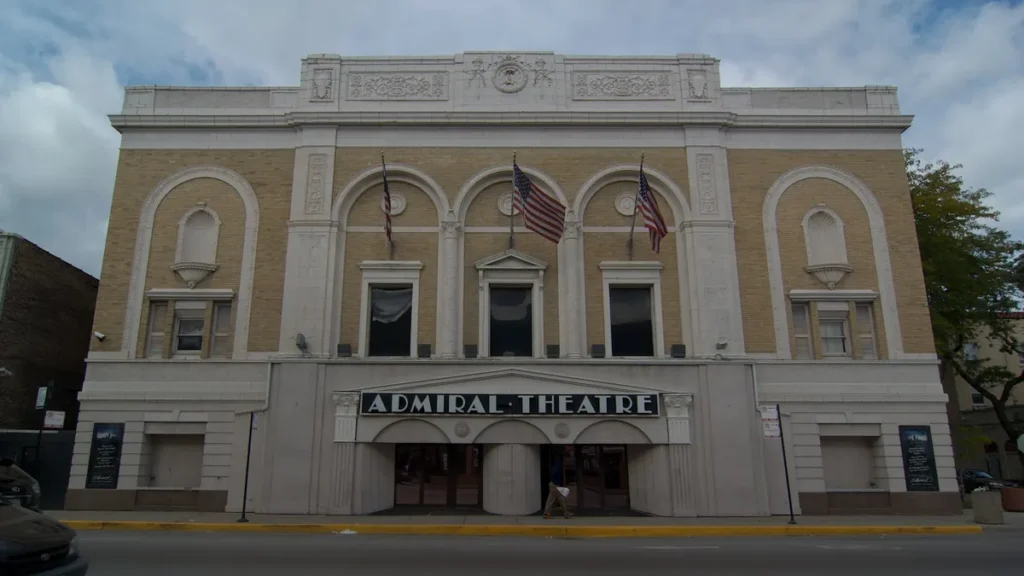
Chicago’s Admiral Theatre, a prominent establishment in the city’s adult entertainment landscape, reached a significant settlement in late May 2026, addressing allegations that it permitted customers to engage in unwanted touching of female dancers and subjected Black dancers to discriminatory standards and limitations. This resolution, stemming from a lawsuit brought by the U.S. Equal Employment Opportunity Commission (EEOC), underscores the federal government’s unwavering commitment to enforcing anti-discrimination laws across all industries, including those often perceived as unconventional. The terms of the agreement mandate comprehensive reforms aimed at preventing future harassment and discrimination, reflecting a broader effort to ensure safe and equitable working environments for all employees.
Details of the Settlement Agreement
The settlement, finalized in late May, addresses a multifaceted complaint that centered on both sexual harassment and racial discrimination. While the specific financial terms were not detailed in the provided brief, such settlements typically involve monetary relief for the affected individuals alongside systemic changes to company policy and practice. The Admiral Theatre has committed to a series of corrective actions designed to create a safer and more equitable workplace. These include mandatory training for all managers, supervisors, and security personnel, focusing specifically on preventing and correcting discrimination, including harassment perpetrated by customers.
Crucially, the agreement also stipulates the creation of a "deny entry list" for patrons who are the subject of repeated harassment complaints, a measure designed to actively remove repeat offenders from the premises. Furthermore, the settlement mandates clear accountability for security staff, requiring the identification and discipline, up to and including termination, of personnel who fail to adequately address harassment complaints. These forward-looking provisions highlight a shift towards proactive enforcement and prevention, moving beyond mere reactive measures to establish a culture of respect and accountability.
The Allegations: A Deeper Look
The EEOC’s lawsuit against the Admiral Theatre brought to light serious allegations that painted a picture of a workplace environment where dancers faced systemic issues of harassment and discrimination. The core of the complaint involved female dancers being subjected to unwanted physical contact from customers, a form of sexual harassment that can be particularly insidious in environments where boundaries might be perceived as fluid. This unwanted touching, often a precursor to more severe forms of harassment, created a hostile work environment, violating federal protections against sex-based discrimination.
Beyond sexual harassment, the lawsuit also detailed allegations of racial discrimination, specifically citing that Black dancers at the Admiral Theatre were held to different standards and limits compared to their non-Black counterparts. While the specific nature of these differential standards was not fully elaborated in the initial reports, such practices often manifest in various forms, including unequal access to lucrative performance opportunities, stricter enforcement of dress codes or behavioral rules, discriminatory scheduling, or even biased client allocation. These disparities can significantly impact a dancer’s earnings, career progression, and overall sense of dignity and fairness in the workplace. Such discriminatory practices not only violate federal law but also perpetuate systemic inequities that marginalize specific groups of workers.
The Role of the EEOC and Federal Law
The U.S. Equal Employment Opportunity Commission (EEOC) is the federal agency responsible for enforcing civil rights laws against workplace discrimination. Its mandate stems primarily from Title VII of the Civil Rights Act of 1964, which prohibits discrimination based on race, color, religion, sex (including sexual orientation and gender identity), and national origin. The EEOC investigates charges of discrimination, conciliates disputes between employers and employees, and, when necessary, files lawsuits to ensure compliance with federal law.
The case against Admiral Theatre serves as a powerful reminder that no employer, regardless of industry or perceived unconventionality, is exempt from the strictures of the Civil Rights Act of 1964. As Victor Chen, an EEOC spokesperson, articulated in an agency release, "Choosing to work as an adult entertainer does not constitute consent to harassment at work based on race or sex." This statement succinctly encapsulates a fundamental principle of employment law: the right to a workplace free from discrimination and harassment is universal and unconditional. The EEOC’s intervention in this case reaffirms that all workers, including those in adult entertainment, are entitled to the same legal protections afforded to employees in any other sector. The agency’s commitment ensures that even in industries where the lines of interaction might appear blurred, basic human rights and legal protections remain paramount.
Third-Party Harassment: Legal Precedents and Employer Responsibility
A critical aspect of the Admiral Theatre settlement is its reinforcement of employer liability for harassment and discrimination perpetrated by third parties, such as clients, customers, or vendors. This legal principle holds that employers have a responsibility to protect their employees from unlawful harassment, even when the harasser is not a direct supervisor or colleague. If an employer knows or should have known about harassment by a third party and fails to take prompt and effective corrective action, they can be held legally responsible.
This principle has been upheld in numerous cases. For instance, the EEOC has secured multiple settlements from staffing agencies that fulfilled employers’ discriminatory requests for workers of specific backgrounds, demonstrating that even indirect involvement in discriminatory practices can lead to liability. Another notable case involved a Costco worker who endured stalking and unwanted touching from a customer, where an appeals court in 2018 upheld an opinion in her favor. These precedents establish a clear legal framework: employers cannot turn a blind eye to the conduct of their clientele if that conduct results in a hostile work environment for their employees. They are expected to implement policies, provide training, and take decisive action to mitigate and prevent such harassment. The Admiral Theatre case solidifies this obligation within the adult entertainment context, requiring venues to actively manage customer behavior and protect their performers.

Industry-Specific Challenges and Broader Implications
The adult entertainment industry, by its very nature, often involves complex dynamics between performers and patrons, sometimes blurring the lines of professional interaction. This environment can present unique challenges in enforcing anti-harassment and anti-discrimination policies. Perceptions surrounding the industry can unfortunately lead to a mistaken belief that performers implicitly consent to various forms of conduct, or that their work somehow diminishes their rights to a safe and respectful workplace. The EEOC’s actions in the Admiral Theatre case directly challenge these misconceptions, asserting that professional boundaries and legal protections are non-negotiable, regardless of the industry.
The settlement sends a strong message to other establishments within the adult entertainment sector and indeed, to any business that relies on customer interaction. It underscores the necessity for robust, clearly communicated policies against harassment and discrimination, coupled with diligent enforcement. Businesses must proactively educate their staff, particularly security personnel, on how to identify, address, and report instances of harassment from customers. Moreover, the creation of a "deny entry list" for repeat offenders is a practical measure that could serve as a model for other venues striving to curb problematic customer behavior. This is particularly relevant in service industries where employees are regularly exposed to the public and may face a higher risk of third-party harassment.
The implications extend beyond the immediate industry. This case reinforces the EEOC’s broad interpretation of Title VII, emphasizing that employers across the spectrum must establish effective mechanisms for employees to report harassment without fear of retaliation, and for management to investigate and resolve complaints promptly and impartively. It highlights the agency’s commitment to protecting vulnerable workers, ensuring that legal protections are not just theoretical but are actively enforced in practice.
Timeline and Chronology of Events
While the original article provides limited specifics regarding the exact timeline, a general chronology can be inferred:
- Period of Alleged Misconduct: The incidents of unwanted touching and racial discrimination are stated to have occurred "prior to the current ownership," suggesting a period spanning several years before the lawsuit’s resolution. This indicates a sustained pattern of behavior rather than isolated incidents.
- EEOC Investigation and Lawsuit Filing: Following complaints, the EEOC would have launched an investigation. If conciliation efforts failed, the agency would have proceeded with filing a lawsuit against the Admiral Theatre. The exact date of filing is not provided but predates the May 2026 settlement.
- Settlement Reached: The allegations were settled in "late May" 2026. This indicates the culmination of legal negotiations between the EEOC and the Admiral Theatre’s legal representation.
- Public Announcement: The news of the settlement was published on June 2, 2026, making the resolution public knowledge.
The statement from an Admiral Theatre spokesperson, declining to comment and attributing the events to "prior ownership," introduces an interesting legal nuance. While a change in ownership can sometimes affect liability, particularly if the new entity is entirely distinct, the fact that the settlement proceeded suggests that the legal entity of "Admiral Theatre" remained responsible for past actions, or that the new ownership assumed certain liabilities. This is a common scenario in business transactions, where successor liability can attach to a new owner if there is substantial continuity of business operations. Regardless of ownership changes, the legal entity operating as the Admiral Theatre was held accountable for the alleged discrimination and harassment that occurred under its roof.

Conclusion and Outlook
The settlement involving Chicago’s Admiral Theatre is a potent reminder of the enduring reach of federal anti-discrimination laws and the EEOC’s resolve in enforcing them. It unequivocally states that all workers, regardless of their profession, are entitled to a workplace free from sexual harassment and racial discrimination. The comprehensive terms of the settlement, including mandatory training, a "deny entry list" for harassing customers, and disciplinary measures for negligent security personnel, set a high bar for accountability and prevention.
For the adult entertainment industry, this case serves as a critical call to action, urging establishments to review and strengthen their policies, foster transparent reporting mechanisms, and invest in robust training programs. It emphasizes that a vibrant entertainment scene need not come at the expense of fundamental worker rights. For the broader employment landscape, the Admiral Theatre settlement reinforces the critical lesson that employers bear significant responsibility for the actions of third parties on their premises. As workplaces continue to evolve, ensuring safety and equity for all remains a paramount legal and ethical imperative. The EEOC’s ongoing efforts demonstrate that the pursuit of justice and fair treatment in employment is a continuous and universal endeavor.






