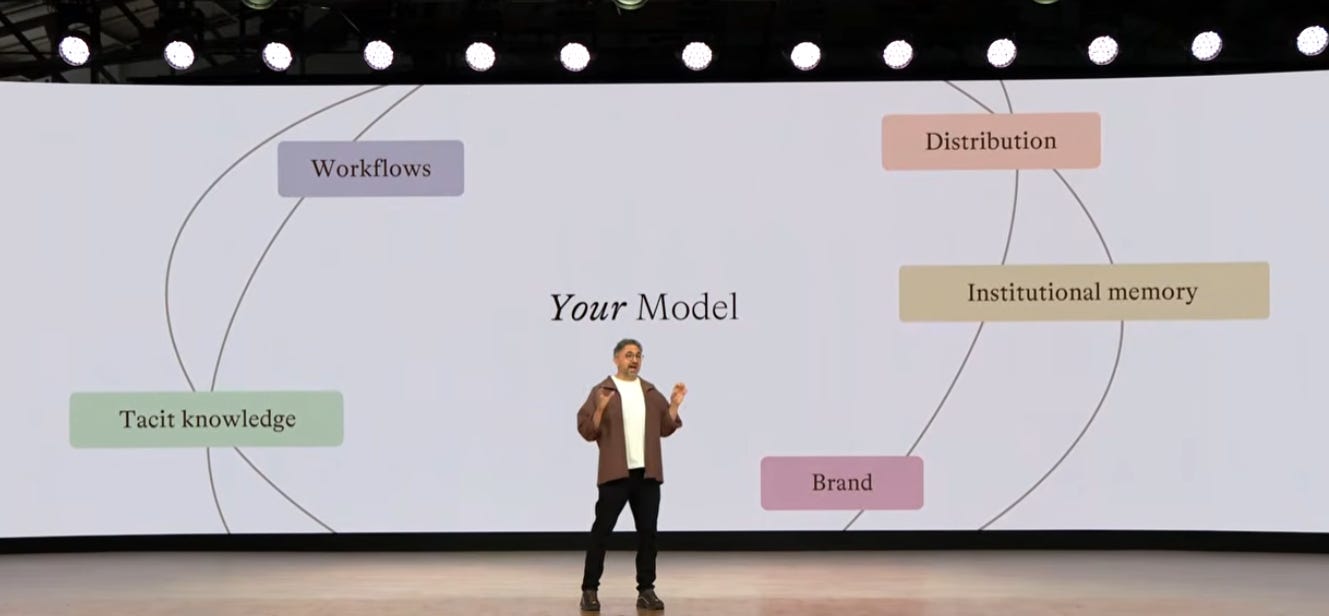
The evolving landscape of Artificial Intelligence within the enterprise is marked by a fundamental shift, moving beyond traditional systems and applications towards intelligent agents that learn, adapt, and effectively become the company. This paradigm, where AI agents for recruitment, training, or employee service delivery continuously enhance their understanding of an organization’s unique operational nuances, carries profound implications for competitive advantage. These agents are not merely tools but dynamic extensions of a company’s collective knowledge, encompassing tacit knowledge, historical experiences, unwritten policies, and established practices that form the bedrock of its unique business model.
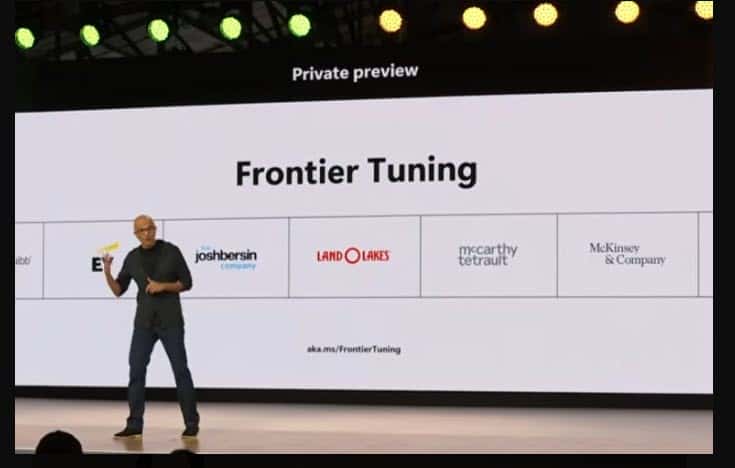
This transformation is being significantly propelled by Microsoft’s advancements in AI, particularly through its integration with MS Copilot and the introduction of "Frontier Tuning." This innovative approach allows organizations to imbue AI agents with their proprietary intellectual property, enabling them to develop a deep, contextual understanding of specific business operations. The impact of this personalization is substantial, promising to elevate AI from a generic assistant to a deeply embedded, knowledgeable partner.
The Genesis of Personalized Enterprise AI: Galileo’s Integration with MS Copilot
The foundational work in embedding deep organizational intelligence into AI agents was demonstrated through the integration of Galileo, a sophisticated intelligence system, into Microsoft Copilot. This integration allowed the AI to ingest and retrain itself on a company’s intellectual property. Early testing by the Microsoft HR team revealed a dramatic improvement in the AI’s utility, detail, and trustworthiness, largely due to its ability to cite knowledgeable sources for its responses. This effectively transformed MS Copilot into a world-class HR business partner and consultant, capable of providing nuanced and contextually relevant advice.
This successful integration paved the way for Microsoft to productize this capability. The company’s announcement regarding "Frontier Tuning" signifies a pivotal moment, empowering organizations to directly fine-tune their Copilot instances. This means that IT and HR departments can now directly input critical organizational data, including policies, hiring guides, pay practices, and onboarding procedures, thereby "institutionalizing" this knowledge directly into the AI system. This move democratizes the ability to create bespoke AI solutions, moving beyond a one-size-fits-all approach.
Frontier Tuning: Beyond RAG to True Learning and Adaptation
A key differentiator of Microsoft’s Frontier Tuning approach, as highlighted by industry analysts, is its departure from traditional Retrieval-Augmented Generation (RAG) implementations. While RAG enhances AI by providing access to external information, it does not inherently "train" the core model in the same way. Frontier Tuning, conversely, enables the AI to learn and evolve autonomously. Microsoft refers to this as the "Reinforcement Learning Environment," a sophisticated mechanism that allows the AI agent to be updated based on real-world feedback from users.
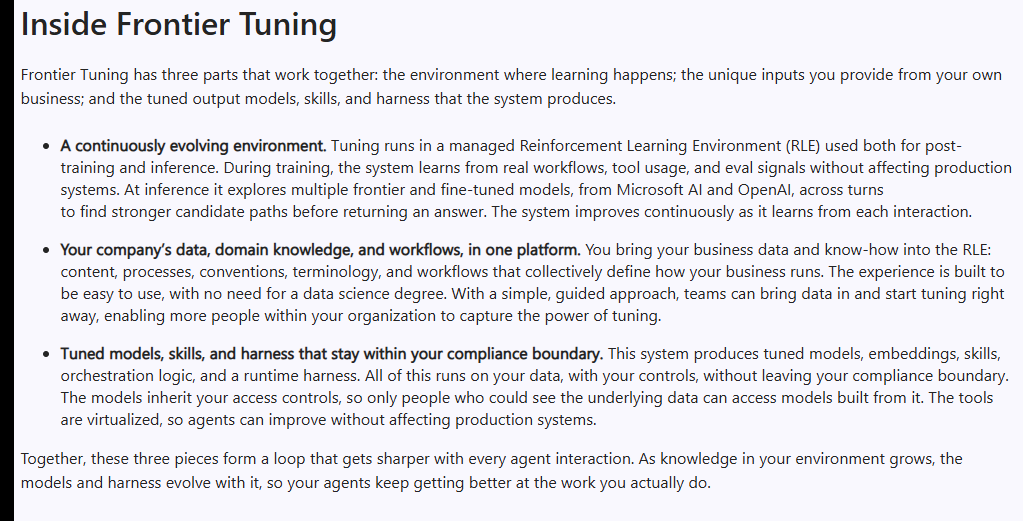
This continuous learning loop is critical for enterprise AI. It mirrors human learning, where experience and feedback refine understanding and improve performance. For instance, an internal Microsoft AI agent designed for crisis management underwent significant evolution. Following the complexities introduced by events like the war in Ukraine and subsequent conflicts, the agent needed to adapt to new scenarios, such as employees facing internet and phone outages or requiring relocation. The Reinforcement Learning feature allowed this agent to self-update with new policies and protocols, demonstrating its capacity to learn from evolving real-world challenges.
The implications of this autonomous learning are far-reaching. It means that AI agents will not become static repositories of information but dynamic entities that grow in sophistication and relevance over time, continuously aligning with the organization’s changing needs and operational realities.
Demonstrations and Strategic Vision: Build 2024 and Beyond
The power and potential of this personalized AI approach were vividly showcased at Microsoft’s Build 2024 conference in San Francisco. Presentations demonstrated how organizations can not only embed existing intelligence platforms like Galileo but also integrate their unique company-specific practices. This was further underscored by Microsoft CEO Satya Nadella’s keynote address at a CEO council, where he emphasized the value of customizing AI models to an organization’s distinct identity rather than relying on generic, widely shared models. This strategic direction prioritizes personalization and security for enterprise data.
Microsoft’s introduction of a "harness" for Copilot is another significant development. This harness acts as a foundational layer capable of hosting various AI models, including those from OpenAI, Anthropic, Microsoft’s own offerings, and custom-tuned models. This flexibility allows different departments, such as R&D, to develop and deploy their own fine-tuned models leveraging proprietary, confidential data without compromising security or IP. This concept of a "harness" is crucial for building a modular and adaptable AI infrastructure within enterprises.
Microsoft’s Strategic Foray into Proprietary AI Models
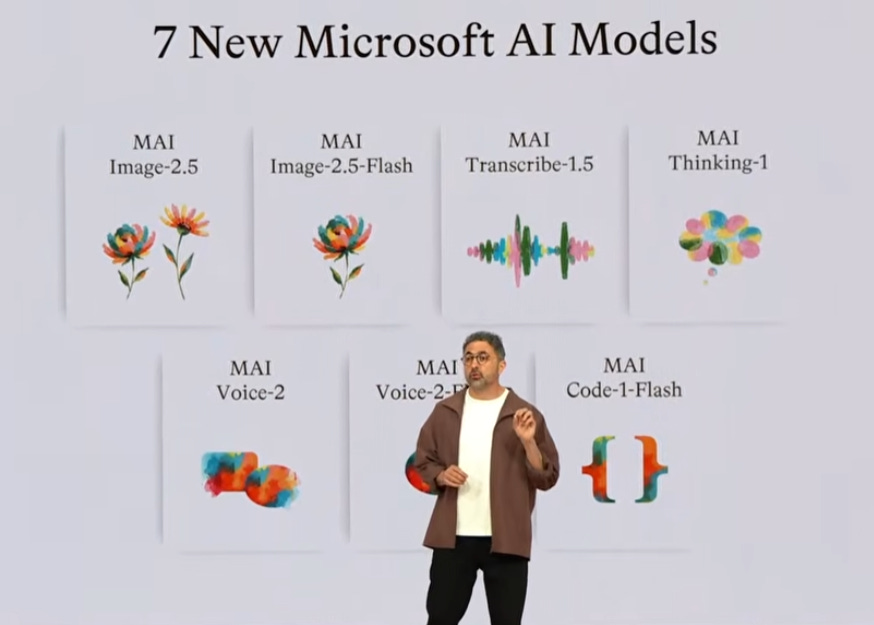
Adding another layer to its enterprise AI strategy, Microsoft has also announced the development and release of seven new AI models optimized for specific business use cases. This move, spearheaded by Mustafa Suleyman, signals Microsoft’s intent to compete directly with leading AI providers like Anthropic and OpenAI. Previously, Microsoft’s partnership with OpenAI may have limited its ability to develop cutting-edge proprietary models. However, this new initiative allows Microsoft to offer a suite of cost-effective, clean, and licensed AI models that are not trained on potentially copyrighted internet content.
This strategic shift offers significant advantages. Firstly, it provides Microsoft with a proprietary AI stack that can be integrated into its products, such as Copilot, at a potentially lower cost. As Suleyman noted, the aim is to "reduce and ultimately eliminate" the significant expenses incurred by licensing models from third parties. Secondly, and critically for enterprises concerned about intellectual property, these new models are designed to prevent the leakage of user data to other customers. Unlike some existing models where user interactions can be used for further training and potentially shared, Microsoft’s approach aims to create a more secure and contained environment for enterprise AI.
This distinction is paramount for businesses that handle sensitive information. The ability to deploy AI solutions without the risk of inadvertently sharing proprietary data with competitors or other clients is a significant draw, particularly for industries with stringent data privacy requirements, such as healthcare and finance.
Frontier Models: Tailored Solutions for Specialized Industries
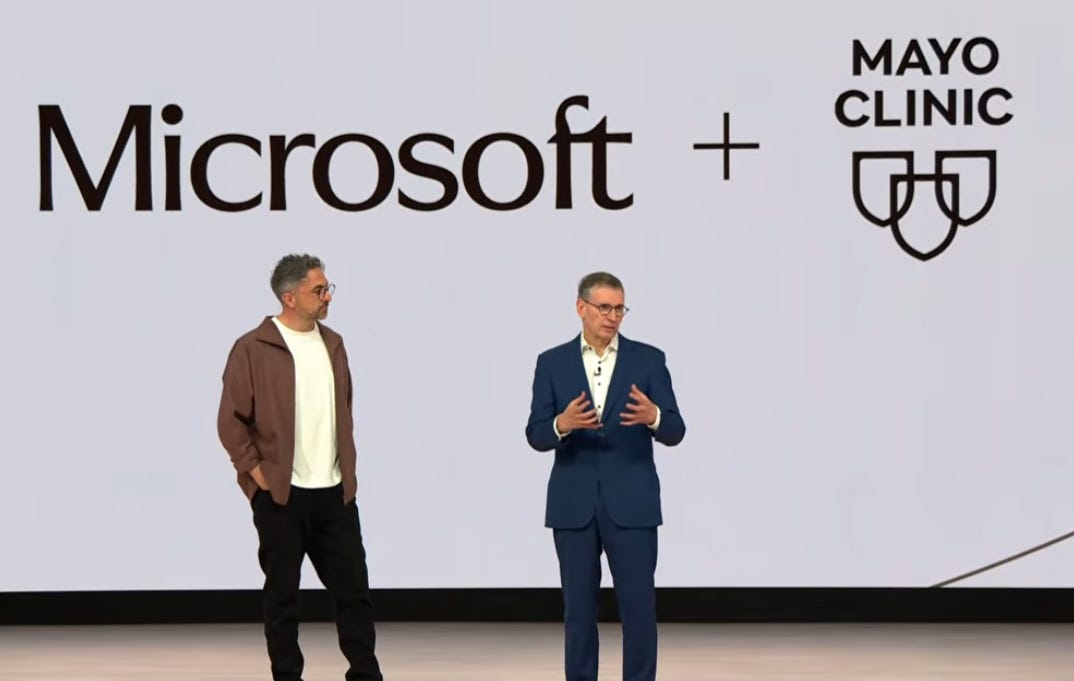
The concept of "Frontier Models" extends beyond general enterprise applications. Microsoft is actively collaborating with industry leaders to develop specialized AI models. A prime example is the "New Frontier Model for Healthcare," developed in partnership with the Mayo Clinic. This model is designed to assist clinicians by providing in-depth knowledge of real-world clinical practices. This initiative mirrors the approach taken in other sectors, where the goal is to observe, study, and document best practices to create AI solutions that are deeply embedded in the operational realities of specific industries.
This specialized approach to AI development aligns with the broader trend of creating AI that understands and operates within the complex frameworks of different professional domains. For organizations like those in HR and management, this translates to developing AI that can deeply understand and assist with complex human capital management strategies, leadership development, and organizational effectiveness.
The Future of Enterprise AI: Personalization, Security, and Autonomy
Microsoft’s comprehensive strategy, encompassing Frontier Tuning, the AI harness, and the development of proprietary models, points towards a future where enterprise AI is characterized by deep personalization, robust security, and continuous autonomous learning. The ability for organizations to fine-tune AI agents with their own data, coupled with the self-improving capabilities of reinforcement learning, promises to unlock unprecedented levels of efficiency and insight.
The implications for businesses are substantial. Companies can expect AI assistants that not only perform tasks but also understand the intricate cultural, operational, and strategic underpinnings of their operations. This move away from generic AI towards highly specialized and company-specific intelligence represents a significant leap forward in how businesses can leverage artificial intelligence to gain a competitive edge.
While the adoption and full realization of these capabilities will take time, Microsoft’s strategic direction appears robust. The company’s commitment to developing a flexible, secure, and personalized AI ecosystem positions it as a key player in shaping the future of enterprise AI. For businesses operating within the Microsoft ecosystem, this presents a compelling opportunity to enhance their operational intelligence and drive innovation through deeply integrated and continuously evolving AI solutions. The ongoing advancements in this field suggest that enterprise AI is rapidly transitioning from a supplementary tool to a core component of organizational strategy and competitive differentiation.