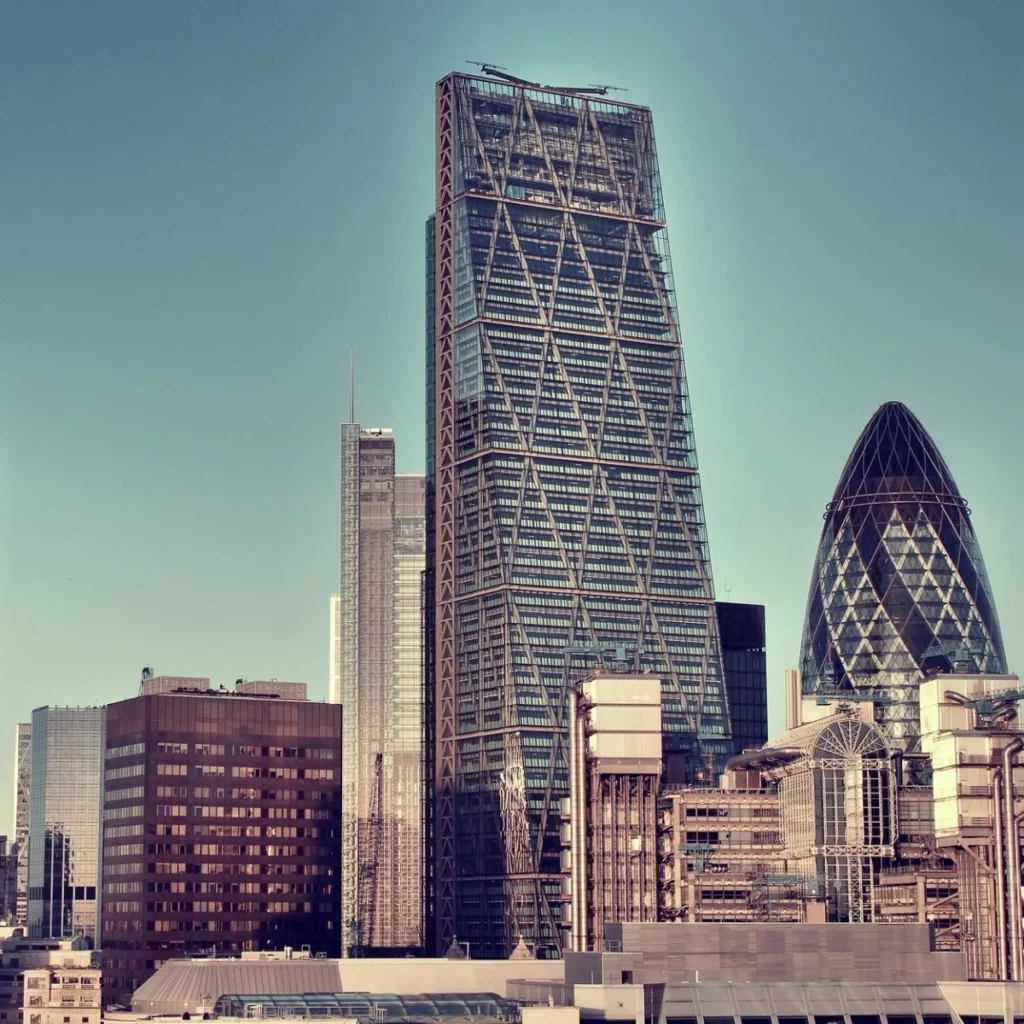
Prime office rents in London’s historic City district have surged, significantly narrowing the long-standing rental gap with the more affluent West End. Data released for the first quarter of 2026 reveals a robust average prime rent of £130.80 per square foot in the City, a stark increase that brings it closer to the West End’s benchmark of £165 per square foot. This trend, accelerating since 2023, underscores a fundamental shift in London’s commercial real estate landscape, driven by an insatiable appetite for high-quality, modern workspaces that outstrips the available supply.
The Ascent of the City: A Rental Revolution
The figures, compiled by global real estate advisory firm Savills, are based on the top 10 percent of Grade A office rents, representing the most desirable and premium office spaces. While the West End has historically commanded the highest rents globally due to its prestige and established desirability, the City’s recent performance indicates a potent convergence. This divergence from historical patterns suggests that factors beyond mere prestige are now heavily influencing rental values in central London’s core business districts.
According to Savills’ analysis, the primary catalysts for this rental appreciation in the City are sustained occupier demand for top-tier office environments and a constrained pipeline of new developments. Despite the widespread integration of hybrid working models, which were anticipated to dampen demand for physical office space, many businesses are actively seeking larger, more sophisticated workplaces. These spaces are designed to foster collaboration, facilitate client interactions, and embody a company’s brand identity, qualities that are increasingly being prioritized in the post-pandemic era.
Chronology of a Shifting Market
The current rental escalation in the City is not an overnight phenomenon but rather a culmination of a trend that has been building momentum since 2023. Prior to this period, the West End consistently maintained a significant rental premium over the City, a reflection of its traditional status as the epicentre for luxury retail, entertainment, and prime corporate headquarters. However, a combination of factors began to reshape this dynamic.
Pre-2023: The West End enjoyed a commanding lead in prime office rents, with occupiers willing to pay a substantial premium for its prestigious addresses and established amenity base. The City, while a major financial hub, was often perceived as more functional, catering primarily to financial institutions.
2023-2025: A noticeable shift began to occur. Increased investment in modernizing older office stock within the City, coupled with the delivery of ambitious new developments, started to elevate the quality of available space. Simultaneously, the West End’s rental growth remained more measured.
2026 (Q1): The current data signifies a tipping point. The City’s prime rents have experienced a sharper ascent, closing the gap with the West End to an extent not seen in recent history. This period is characterized by heightened competition for limited prime space and a clear preference from a growing number of businesses for the revitalized offerings in the City.
Driving Forces: Demand, Development, and Design
The robust leasing activity observed in recent months provides compelling evidence of the underlying demand. Noteworthy transactions underscore the City’s appeal to major international corporations:
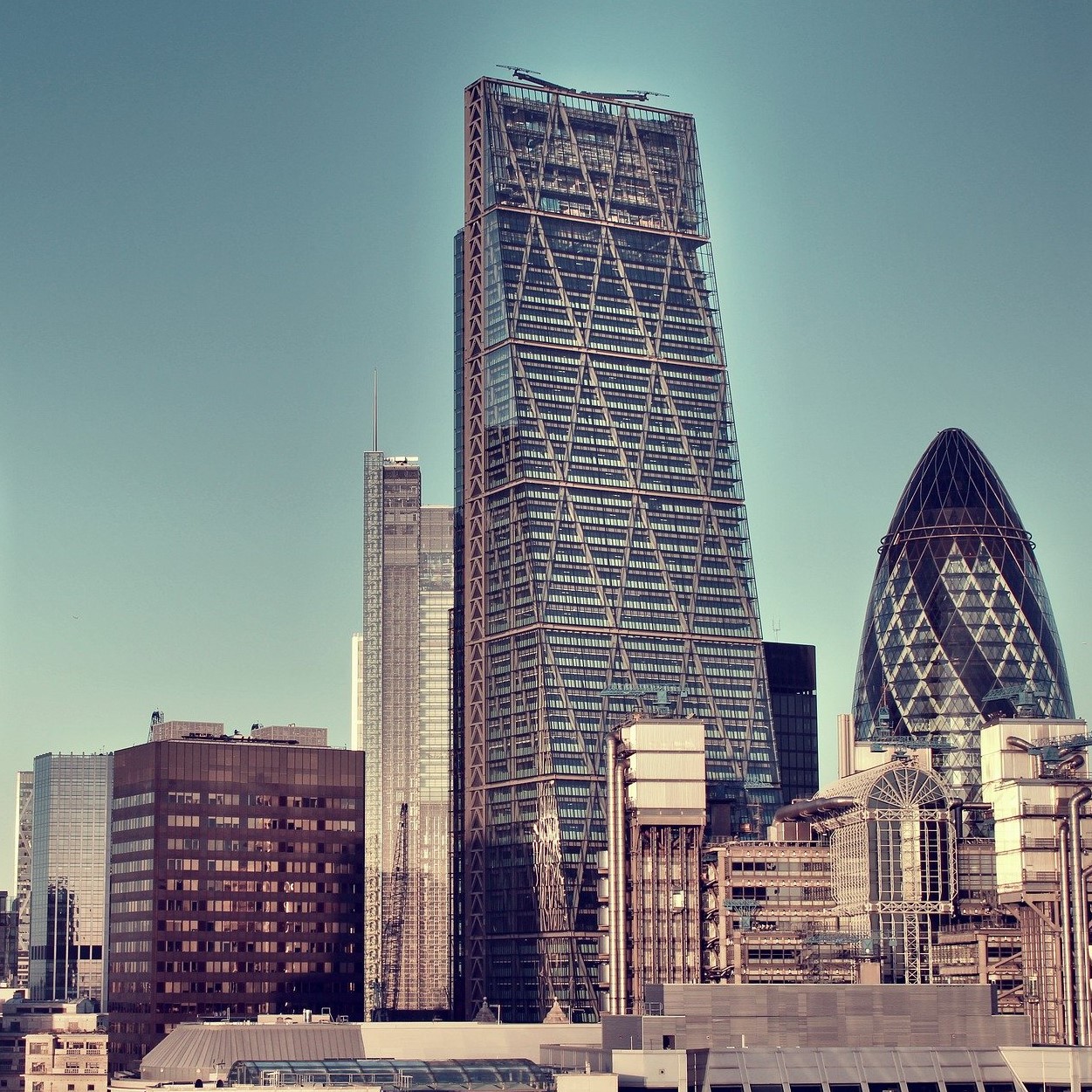
- Latham & Watkins: The prominent US law firm has reportedly secured the top floor of One Leadenhall, a recently completed 32-storey office tower situated near the iconic Leadenhall Market. This prestigious acquisition highlights the firm’s commitment to a high-profile, modern workspace.
- Ripple: The cryptocurrency firm has also committed to multiple floors within One Leadenhall, signaling its expansion and strategic positioning within a prime City location.
- King & Spalding: Another major US law firm, King & Spalding, has demonstrated confidence in the City by expanding its footprint at 8 Bishopsgate. Their recent lease of additional space, including the building’s top floor, has resulted in the tower achieving full occupancy.
The demand is not solely concentrated within the traditional financial core. Software company Quantexa’s recent lease on London’s South Bank further illustrates a broader trend. Their acquisition of space in this developing area, at rents that reflect the premium for contemporary office environments, indicates that businesses are increasingly prioritizing quality and modern amenities across various central London locations.
The Shadow of Supply Constraints
The upward pressure on prime office rents is exacerbated by significant concerns regarding future supply. Industry forecasts suggest that the City could face a substantial shortage of prime office space within the next few years. This potential deficit is attributed to a slowdown in new development activity, a consequence of both the lingering impacts of Brexit and the COVID-19 pandemic. While planning approvals continue to be granted for new projects, the timeline for their completion is often extended, leading to a constrained pipeline of large-scale schemes entering the market in the near term.
This looming supply crunch is prompting major occupiers to adopt a proactive approach, actively seeking to secure desirable space well in advance of their existing lease expiries. This increased competition further tightens an already constrained market, empowering landlords and contributing to the sustained rise in headline rents.
Landlord Strategies and Tenant Incentives
In response to the evolving market dynamics, landlords continue to employ a range of incentives to attract and retain tenants. These often include rent-free periods, which can extend up to two years on a ten-year lease, and contributions towards fit-out costs. While these incentives can soften the effective cost of occupation, they have not been sufficient to counteract the upward trajectory of headline rents in some of the most sought-after buildings. The willingness of tenants to absorb these higher headline rents, in exchange for prime locations and state-of-the-art facilities, underscores the enduring value placed on high-quality office space.
A Divergent Path: The West End’s New Reality
In stark contrast to the City’s upward surge, the West End office market is experiencing a different set of challenges. Vacancy rates in the West End have reportedly risen above those recorded in the City. This increase in available space, coupled with lower levels of take-up, suggests a potential recalibration of its market position.
The implications of this divergence are significant. While the West End continues to hold its allure for specific sectors and businesses seeking its unique prestige and retail environment, the functional and qualitative improvements in the City have broadened its appeal considerably. This widening difference in market dynamics between the two central London office districts, despite the enduring premium associated with West End addresses, signals a maturing and diversifying office market.
Expert Analysis and Future Outlook
Industry analysts suggest that the current market conditions in the City are likely to persist in the short to medium term. The fundamental imbalance between demand for high-quality space and limited new supply is a potent combination that supports sustained rental growth. The ongoing commitment from businesses to provide attractive and functional workspaces for their employees, coupled with the strategic advantages of a central City location, will continue to drive occupier interest.
However, questions remain about the long-term impact of economic uncertainties and evolving work patterns. While hybrid working has not diminished the demand for quality, its ultimate footprint on office space requirements is still a subject of ongoing observation. Furthermore, any significant increase in the rate of new development completions could, in time, alleviate some of the current supply pressures.
For now, the narrative is one of a City on the rise, challenging established hierarchies and demonstrating its capacity to evolve into a prime destination for a diverse range of businesses seeking the best in modern office environments. The narrowing gap with the West End is not just a statistical anomaly but a testament to strategic investment, evolving occupier needs, and a resilient London office market that continues to adapt and thrive. The competition for prime space is set to intensify, with businesses needing to act decisively to secure their preferred locations.