London’s West End is poised for a significant transformation as The Crown Estate announces its largest ever programme of office developments, unveiling two ambitious mixed-use projects at 10 Piccadilly and 21-29 Glasshouse Street. These initiatives, representing a substantial investment in the heart of the capital, will collectively deliver 169,300 square feet of new and reconfigured commercial, retail, and hospitality space. This expansion underscores The Crown Estate’s strategic vision to enhance the appeal of its 10 million square foot central London portfolio, blending modern workspace with vibrant retail, leisure, and improved public realms.
The dual developments mark a pivotal moment in The Crown Estate’s ongoing commitment to refurbishing and redeveloping its portfolio of heritage buildings, ensuring their continued relevance and economic contribution to one of the world’s most dynamic urban centres. This ambitious undertaking is not merely about bricks and mortar; it signifies a concerted effort to maintain the West End’s status as a premier global destination for business, culture, and tourism, fostering an environment that attracts both leading enterprises and discerning visitors.
A Landmark Renovation at 10 Piccadilly
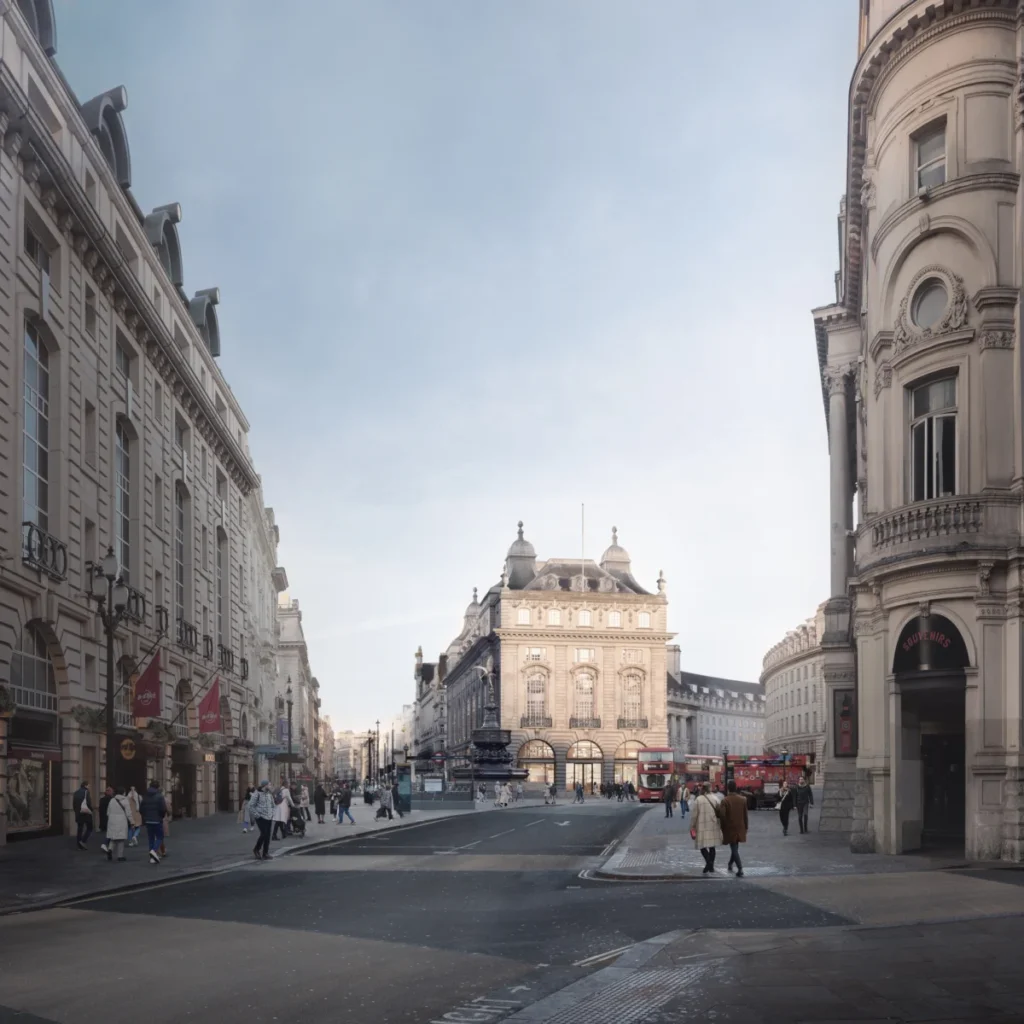
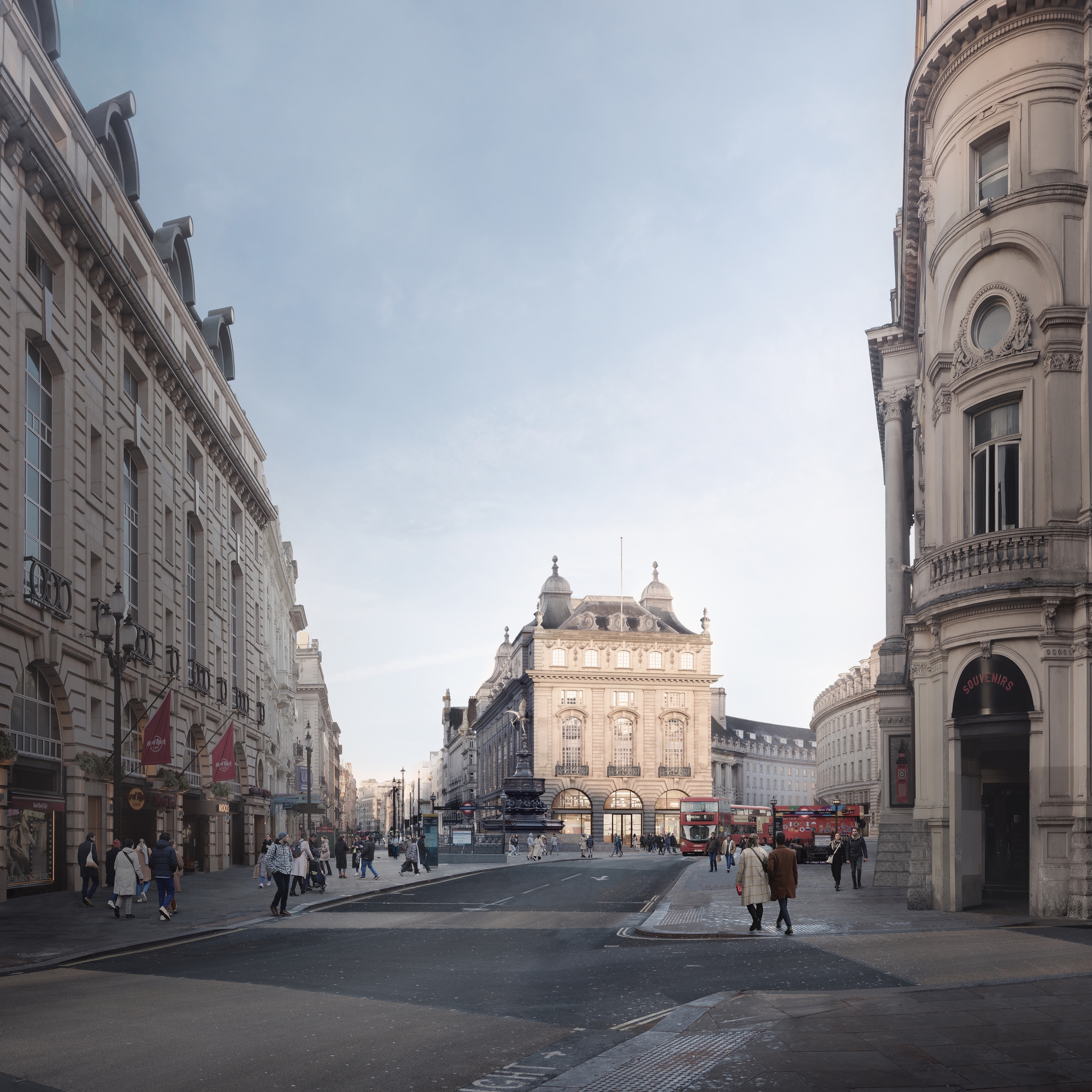
The historic Grade II listed building at 10 Piccadilly, situated at the prestigious southern end of Regent Street, is set to undergo a comprehensive refurbishment. This iconic structure, best known for its past as the renowned Swan & Edgar department store and subsequently the vibrant hub for Tower Records, will be reimagined to offer 62,700 square feet of prime office space. Complementing this workspace will be a substantial 26,400 square feet dedicated to hospitality, alongside 1,700 square feet of high-quality retail accommodation. The strategic location, directly overlooking the bustling Piccadilly Circus, positions this development as a key focal point within the West End’s commercial landscape, promising to breathe new life into a cherished landmark.
Glasshouse Street: A Symbiotic Redevelopment
The second major initiative involves the consolidation and modernization of two existing office buildings at 21-29 Glasshouse Street into a single, cohesive development. This ambitious retrofit project will yield 63,000 square feet of contemporary office space, characterized by larger, more adaptable floorplates designed to meet the evolving needs of modern businesses. Enhancements will include the addition of a sought-after rooftop terrace, offering a unique amenity and potential for outdoor collaboration or relaxation, and significantly upgraded reception areas designed to create a welcoming and professional first impression. Furthermore, the development will incorporate 15,500 square feet of retail space strategically located across the ground and basement levels, promising to invigorate the streetscape and offer diverse shopping and dining opportunities.
A Strategic Vision for London’s West End
Kristy Lansdown, Managing Director of Development at The Crown Estate, articulated the strategic imperative behind these projects. “These schemes are integral to our long-term strategy to modernize our historic buildings while simultaneously strengthening the West End’s position as an international commercial destination,” Lansdown stated. This forward-thinking approach recognizes the critical role that well-designed, sustainable, and amenity-rich workspaces play in attracting and retaining top talent and businesses. By investing in its central London portfolio, The Crown Estate aims to ensure the area remains competitive and attractive in a global market, fostering a thriving ecosystem that benefits occupiers, visitors, and the wider economy.
The Crown Estate’s strategy extends beyond individual building developments. It encompasses a holistic approach to placemaking, integrating office regeneration with retail enhancements and significant improvements to public realm infrastructure. This integrated strategy is designed to create a more connected, accessible, and enjoyable West End, enhancing its appeal as both a place to work and a destination to experience. The organization’s commitment to this vision is further evidenced by its substantial 10 million square foot London portfolio, which is subject to continuous review and strategic investment.
Commitment to Sustainability and Environmental Excellence
Both the 10 Piccadilly and 21-29 Glasshouse Street developments are being meticulously designed with a strong emphasis on environmental performance and sustainability. The Crown Estate is setting ambitious targets to ensure these new and redeveloped spaces meet the highest environmental standards. Specifically, 10 Piccadilly is targeting an impressive array of certifications, including NABERS 5 Star, WELL Platinum, BREEAM Outstanding, WiredScore Platinum, and an EPC A rating. These accreditations are globally recognized benchmarks for sustainable and healthy buildings, reflecting a commitment to occupant well-being, energy efficiency, and reduced environmental impact.
Across its entire development pipeline, The Crown Estate has set a challenging embodied carbon target of 400kg per square meter. Embodied carbon refers to the greenhouse gas emissions associated with the manufacturing, transportation, and installation of building materials, as well as construction activities. Achieving such a low target requires innovative design, the use of sustainable materials, and efficient construction practices, positioning The Crown Estate as a leader in low-carbon development within the real estate sector. This focus on sustainability is not only environmentally responsible but also aligns with the growing demand from businesses and investors for greener and more socially conscious real estate assets.
A Pattern of Ambitious Development
The announcement of these two West End projects follows a series of significant developments unveiled by The Crown Estate in recent years, signaling a sustained period of investment and regeneration. Earlier in 2026, plans were revealed for the comprehensive redevelopment of One Hanover Street, a substantial 124,000 square foot office building that has already secured a full pre-let agreement with Ares Management. This early success demonstrates the strong market appetite for high-quality, well-located office space in the West End.
Further bolstering this pipeline, three key projects announced in 2024—New Zealand House, 10 Spring Gardens, and 33-35 Piccadilly—are collectively set to introduce approximately 250,000 square feet of new commercial space across the Regent Street and St James’s areas. These initiatives collectively represent a significant injection of new and improved office and retail capacity, reinforcing the West End’s enduring appeal as a prime business and leisure district. The consistent delivery of such substantial projects underscores The Crown Estate’s long-term commitment to shaping and enhancing London’s most prestigious commercial heart.
Synergies with Public Realm Improvements
These ambitious building developments are being closely coordinated with broader placemaking initiatives, including proposals by The Crown Estate and Westminster City Council to redesign key public spaces. Plans are in motion to enhance the areas surrounding Regent Street, Haymarket, and Piccadilly Circus, with a primary objective of improving accessibility, connectivity, and the overall pedestrian experience throughout the West End.
These public realm improvements are designed to complement the new commercial and retail offerings, creating a more integrated and enjoyable urban environment. By focusing on better pedestrian routes, enhanced public spaces, and improved linkages between different parts of the West End, the aim is to foster a more vibrant and attractive destination for both residents and visitors. Such collaborations between private developers and local authorities are crucial for delivering comprehensive urban regeneration projects that yield tangible benefits for the community and the economy.
The Broader Economic and Social Implications
The Crown Estate’s extensive development program in London’s West End carries significant economic and social implications. By investing in the modernization of its property portfolio, the organization is not only enhancing the value of its assets but also contributing to job creation, both during the construction phases and through the ongoing operation of businesses within the new developments. The creation of high-quality office space is crucial for attracting and retaining businesses, particularly in sectors that contribute significantly to London’s economy, such as finance, technology, and creative industries.
Furthermore, the integration of retail and hospitality spaces within these mixed-use developments is vital for maintaining the vibrancy and dynamism of the West End. These amenities cater to a diverse range of needs, from shopping and dining to entertainment and cultural experiences, thereby enhancing the overall appeal of the area for both local workers and tourists. The focus on public realm improvements further amplifies these benefits, creating more pleasant and accessible urban spaces that encourage footfall and foster community interaction.
The emphasis on sustainability and environmental performance, exemplified by the ambitious targets for certifications and embodied carbon reduction, positions The Crown Estate and London’s West End at the forefront of responsible urban development. As global concerns around climate change intensify, buildings that are designed for energy efficiency, occupant well-being, and minimal environmental impact will become increasingly sought after. This strategic foresight ensures that the West End remains not only a commercially viable but also an environmentally conscious and future-ready district.
The sustained investment in the West End by The Crown Estate reflects a deep-seated confidence in the long-term prospects of central London as a global hub for commerce, culture, and innovation. By adapting its historic assets to meet contemporary demands and by investing in sustainable, high-quality development, The Crown Estate is playing a critical role in shaping the future of one of the world’s most iconic urban districts. The successful delivery of these ambitious projects will undoubtedly reinforce the West End’s status as a leading destination for businesses, residents, and visitors alike for decades to come.