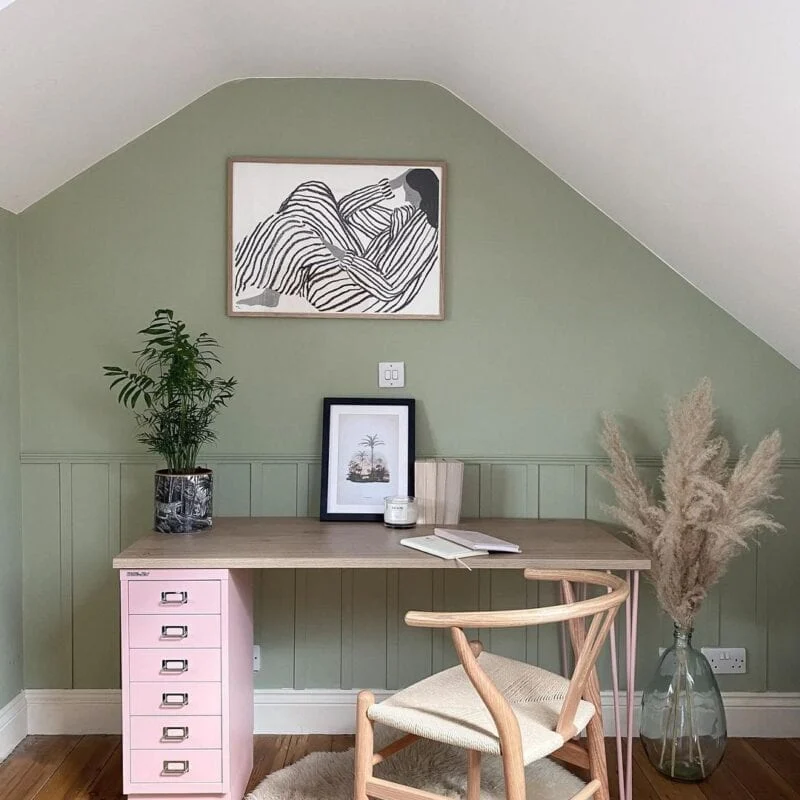
It’s a curious paradox, yet a profoundly insightful one: the fundamental principles that cultivate a highly productive, low-stress work environment often mirror the very strategies that transform a house into a sanctuary of peace and order. This isn’t merely a quaint observation; it represents a significant paradigm shift in how we conceptualize our surroundings, impacting not only our professional output but also our personal lives. For individuals across all sectors, including those in public sector management, understanding this symbiotic relationship offers a powerful pathway to greater efficiency, reduced anxiety, and an elevated quality of life. The realization that our physical environment is not a passive backdrop but an active participant in our daily performance is the crucial first step toward optimizing both spheres of our existence.
The Tangible Impact of an Organized Workspace
The adage "a cluttered desk is a cluttered mind" holds a surprising amount of scientific and practical truth. A disorganized workspace is not merely an aesthetic failing; it is a direct impediment to productivity and well-being. When an office is a chaotic jumble of papers, misplaced stationery, and disarrayed digital files, valuable time and cognitive resources are diverted to the fruitless search for essential items. These frequent, small interruptions fragment concentration, disrupt workflow, and drain mental energy, leading to increased stress and diminished output. Conversely, a meticulously organized environment offers a distinct advantage, both psychologically and practically. A wealth of research consistently underscores the profound benefits of decluttering at work, including significant reductions in stress levels, enhanced focus, and a notable boost in creativity. Studies by organizations like the National Association of Productivity and Efficiency (NAPE) have indicated that professionals in highly organized environments report a 15-20% increase in task completion speed and a corresponding decrease in perceived workload stress.
The implementation of systematic organization need not be an arduous or overly complex undertaking. A few simple, consistently applied principles can yield remarkable results. The "touch it once" philosophy, for instance, advocates for immediate decision-making upon encountering a document or email: act on it, file it, delegate it, or discard it. This proactive approach prevents the accumulation of "to-do" piles that fester and overwhelm. Furthermore, establishing designated zones for specific functions—a clear inbox for incoming tasks, a dedicated area for research materials, and readily accessible spots for frequently used tools—transforms a reactive environment into a streamlined command center. Adhering to even a handful of these essential clean office tips can dramatically elevate daily productivity and foster a more positive overall disposition. Anecdotal evidence from corporate productivity consultants suggests that companies implementing these basic decluttering protocols have seen a measurable uplift in employee morale and a reduction in errors.
Decluttering for Cognitive Clarity and Mental Well-being
The correlation between physical disorder and mental disarray is deeply ingrained. When our immediate surroundings are chaotic, our minds are subjected to a constant barrage of stimuli, forcing our brains to work overtime to discern what is important and what can be ignored. This perpetual state of mild cognitive overload can significantly impair our ability to concentrate, make sound decisions, and think with clarity. Experts in environmental psychology consistently highlight the profound benefits of decluttering for mental clarity, positing that as physical space is tidied, so too is the mind. The act of clearing one’s environment serves as a powerful catalyst for clearing one’s head, fostering a sense of calm and control.
This overwhelming sensation, often triggered by a daunting stack of unaddressed paperwork in the office, can manifest equally in the domestic sphere. A kitchen counter buried under mail, a garage overflowing with seldom-used items, or a closet packed with unworn clothing all contribute to a pervasive sense of disarray that mirrors the mental clutter. This is akin to the daunting task of tackling an overgrown yard; the sheer volume can be paralyzing. Decluttering, in essence, is a process of conscious selection—deciding what deserves a place in our lives, both tangibly and intangibly. This deliberate act of letting go of the past, focusing on the present, and making mindful choices about the future fosters a sense of liberation and forward momentum. The simple, yet powerful, truth remains: clear spaces cultivate clear thinking, whether one is navigating the complexities of a boardroom or the quietude of a bedroom. Research published in the Journal of Environmental Psychology indicates a statistically significant reduction in cortisol levels (the stress hormone) among individuals who regularly engage in decluttering activities.
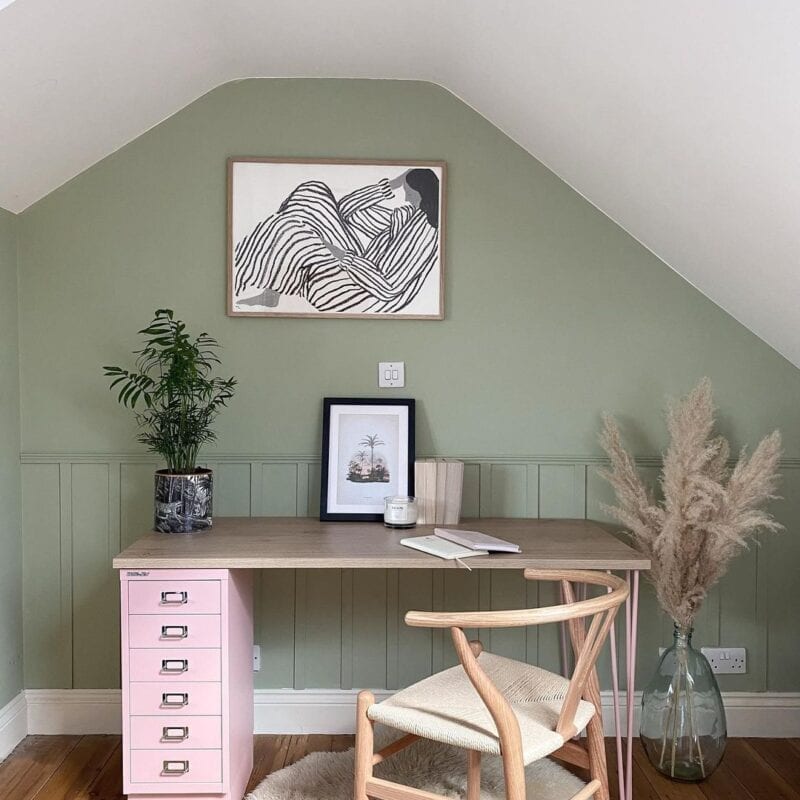
Leveraging Smart Tools for Efficient Home Management
Embracing the principle of "work smarter, not harder" extends seamlessly from the professional realm into domestic life. At the workplace, the strategic deployment of software, communication platforms, and ergonomic furniture enhances job performance. The same logic applies to maintaining a well-functioning household. The judicious use of appropriate tools can not only conserve an immense amount of time but also significantly reduce the physical and mental exertion associated with everyday chores. Consider the perennial challenge of an untidy yard. It can be a persistent source of visual dissonance and a nagging item on a perpetually growing to-do list.
Maintaining order in outdoor spaces often feels like an ongoing negotiation with the forces of nature. However, modern innovations have dramatically simplified this task. Instead of dedicating hours to raking and bagging leaves, a powerful yet lightweight cordless leaf blower can efficiently clear patios, driveways, and lawns in a fraction of the time. This single tool revolutionizes a common outdoor chore, liberating valuable time and mental bandwidth for more enjoyable pursuits. This mirrors the business axiom of utilizing specialized equipment to maximize output with minimal input. This principle extends to numerous other domestic areas, from robotic vacuums that automate daily floor cleaning to smart sprinkler systems that manage garden irrigation, allowing for a well-maintained home with significantly reduced hands-on effort. Industry reports from the consumer electronics sector indicate a 30% year-over-year increase in sales of smart home devices designed for efficiency and convenience.
Cultivating a Restful Sanctuary: The Home as a Haven
While a high-performing workspace is engineered for productivity, a well-curated home is designed for restoration. The home should function as a sanctuary—a place where one can truly unwind, replenish energy reserves, and find respite from the relentless demands of daily life. The same thoughtful design principles and organizational strategies that enhance focus in a professional setting can be adeptly applied to foster an atmosphere of profound tranquility at home. The ultimate goal is to construct an environment that actively nurtures one’s overall well-being.
The initial step involves assigning distinct purposes to different zones within the home. A comfortable armchair strategically placed near a soft lamp can be designated as a dedicated reading nook. A well-organized space for hobbies ensures that all necessary supplies are readily accessible, facilitating spontaneous engagement in cherished activities. The bedroom, in particular, warrants special attention as a space for ultimate calm. This necessitates the deliberate exclusion of work-related materials, exercise equipment, and an overabundance of electronic devices. Emphasis should be placed on soft lighting, tactilely pleasing fabrics, and a meticulously tidy bedside table. By consciously designing each area for its intended function, one effectively mitigates the mental burden of a room attempting to serve multiple, conflicting purposes, thereby creating a home that genuinely feels like a restorative retreat. Psychological studies have shown that homes with clearly defined functional zones and minimal visual clutter can lead to a 25% reduction in reported feelings of anxiety.
The Imperative of Continuous Improvement Cycles
The pursuit of an optimized environment is not a singular event but rather an ongoing, dynamic process of incremental enhancement. In the corporate world, this philosophy is recognized as continuous improvement—a strategy that involves implementing small, regular adjustments that, over time, yield substantial positive outcomes. This identical approach proves exceptionally effective when applied to the management of both work and home environments. Rather than waiting for the inevitable accumulation of clutter and disorganization to reach overwhelming proportions, one can establish simple, consistent routines to maintain order.
For professional workspaces, this might translate into a dedicated 10-minute tidying session at the close of each workday or a weekly regimen for digital file organization. In the domestic sphere, adopting a "one in, one out" policy for new purchases can prevent clutter from accumulating, or a seasonal decluttering event for closets and pantries can maintain equilibrium. The scheduling of regular maintenance tasks, such as cleaning gutters or conducting smoke detector checks, preempts minor issues from escalating into significant, stress-inducing problems. By segmenting the monumental task of "getting organized" into small, manageable habits, one constructs a sustainable system that supports long-term well-being. In this manner, optimizing one’s surroundings transitions from a daunting project to an integrated, effortless component of daily and weekly routines. This cyclical process of assessment, adaptation, and refinement ensures that our spaces consistently support our aspirations, whether that involves achieving peak productivity in the office or experiencing genuine relaxation at home. The long-term implications of this approach are far-reaching, contributing to enhanced mental resilience, improved physical health, and a more fulfilling overall existence.