A coalition of nineteen U.S. states has filed a lawsuit challenging President Donald Trump’s recent executive order that aims to significantly curtail Diversity, Equity, and Inclusion (DEI) initiatives among federal contractors. The lawsuit, lodged on June 10, 2026, argues that the executive order is legally dubious, obstructs states’ sovereign efforts to address discrimination, and is ambiguously worded, creating substantial confusion for entities operating under federal contracts. This legal action pits a broad alliance of state attorneys general against the Trump administration’s assertive stance on what it terms "unethical and often illegal" DEI practices, setting the stage for a significant legal battle over the future of workforce diversity policies in the public and private sectors.
The Executive Order and Its Controversial Mandate
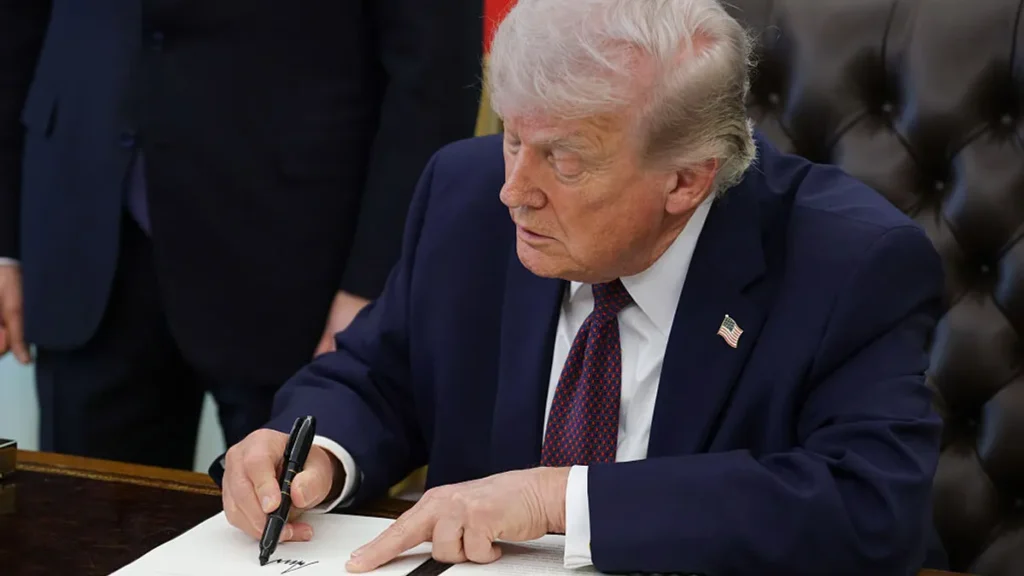
President Trump’s executive order, signed on March 26, 2026, explicitly targets DEI-related initiatives, labeling them as fostering "disparate treatment" based on race or ethnicity. The order specifically calls out programs in recruiting, employment, and contracting that it deems to promote discriminatory practices rather than genuine equality. A subsequent executive order, signed on March 31, 2026, further solidified this crackdown, signaling a comprehensive federal effort to reshape the landscape of workplace inclusion. The administration’s directive mandates that all federal contractors provide extensive reports, including "books, records and accounts," to agencies for review. Non-compliance, the order warns, could lead to severe penalties, including the cancellation, termination, or suspension of contracts, and even debarment from future government contracts. This aggressive posture has sent ripples of concern through the vast ecosystem of federal contractors, which includes thousands of businesses and millions of employees across the nation.
The States’ Legal Challenge: Impeding Progress and Lack of Clarity
The plaintiffs in the lawsuit are the states of California, Colorado, Connecticut, Hawaii, Illinois, Maine, Maryland, Massachusetts, Michigan, Minnesota, Nevada, New Jersey, New Mexico, Oregon, Rhode Island, Washington, Wisconsin, Virginia, and Vermont. These nineteen states, represented by their attorneys general, contend that Trump’s executive order directly impedes their individual efforts to prevent, detect, and remedy racial discrimination within their own governmental operations and broader communities. They assert a strong interest in upholding and expanding anti-discrimination measures, arguing that the federal order undermines these vital state-level initiatives.
A central argument of the states is the executive order’s inherent lack of clarity. They claim the language used is "especially confusing," making it difficult for federal contractors and state governments alike to understand precisely what activities are prohibited or permissible. This ambiguity, they argue, creates an environment of uncertainty and fear, potentially stifling legitimate and necessary diversity programs. Furthermore, the states highlight a perceived contradiction with long-standing federal anti-discrimination policy, specifically citing President Lyndon B. Johnson’s 1965 Executive Order 11246, which famously prohibited racial discrimination among federal contractors and established affirmative action requirements. The plaintiffs suggest that Trump’s order not only creates confusion but actively rolls back decades of established federal policy aimed at promoting equal opportunity.
Historical Context: Executive Order 11246 and the Evolution of DEI
To fully grasp the significance of this lawsuit, it’s crucial to understand the historical backdrop of federal anti-discrimination policy. Executive Order 11246, signed by President Johnson in 1965, was a landmark piece of legislation. It mandated that federal contractors and subcontractors take affirmative action to ensure that applicants are employed, and employees are treated during employment, without regard to their race, color, religion, sex, sexual orientation, gender identity, or national origin. This order laid the groundwork for modern DEI initiatives in the workplace, moving beyond mere non-discrimination to proactive steps aimed at achieving a representative workforce. The Office of Federal Contract Compliance Programs (OFCCP) was established to enforce EO 11246, overseeing compliance by approximately 200,000 federal contractors and subcontractors.
Over the decades, DEI initiatives evolved from basic affirmative action to broader programs designed to foster inclusive work environments, promote equitable practices in hiring and promotion, and address systemic biases. These programs have become commonplace in large corporations, educational institutions, and government agencies, often seen as essential for fostering innovation, attracting diverse talent, and improving organizational performance. The Trump administration’s executive order represents a direct challenge to this established trajectory, seeking to redefine the boundaries of federal intervention in workplace diversity.
The Administration’s Defense: Merit, Excellence, and Taxpayer Burden
In response to the lawsuit, a White House spokesperson reiterated the administration’s firm stance, stating that President Trump "has made his position clear" regarding his administration’s approach to merit. The spokesperson emphasized that "Individual dignity, hard work, and excellence made America the greatest country in the world, and DEI discrimination has no place in it." The administration views certain DEI practices as "wrong, often illegal, and impose real costs on the American people," arguing that when the federal government contracts with companies engaging in such practices, "taxpayers foot the bill."
This position aligns with a broader conservative critique of modern DEI, which often argues that these programs prioritize group identity over individual merit, can lead to reverse discrimination, and are a wasteful expenditure of resources. The administration’s focus on "disparate treatment" suggests a legal strategy centered on the Equal Protection Clause and Title VII of the Civil Rights Act, asserting that some DEI programs, in their attempt to rectify past injustices, inadvertently create new forms of discrimination. The defendants in the lawsuit include Acting Secretary of Labor Keith Sonderling, Pete Hegseth, and a wide range of other administration officials, underscoring the federal government’s commitment to defending the executive order.

Implications for Federal Contractors and the Broader Economy
The legal challenge carries significant implications for the estimated 200,000 federal contractors and subcontractors nationwide, who collectively employ millions of Americans and contribute trillions of dollars to the U.S. economy annually. These companies range from large defense contractors and technology giants to small businesses providing services. Their compliance with federal regulations is paramount to their ability to secure and maintain lucrative government contracts.
The executive order’s demand for "books, records and accounts" and the threat of contract termination for non-compliance introduce a new layer of regulatory burden and financial risk. Companies that have invested heavily in establishing robust DEI programs now face the dilemma of whether to dismantle or significantly alter these initiatives to avoid federal penalties. This could lead to substantial compliance costs, legal fees, and potential disruptions in their workforce management strategies. Business leaders and human resources professionals are likely to grapple with interpreting the vague language of the order, potentially leading to a chilling effect on diversity efforts out of an abundance of caution. The ambiguity could also lead to inconsistent enforcement across different federal agencies, further complicating the compliance landscape.
Legal Analysis and Potential Outcomes
This lawsuit is poised to be a complex legal battle, potentially touching upon fundamental questions of federalism, executive authority, and constitutional law. The states’ argument that the executive order impedes their efforts to prevent discrimination invokes principles of federalism, asserting that the federal government is overstepping its bounds and interfering with legitimate state functions. The claim of ambiguity in the order’s language could lead to judicial review on grounds of vagueness, requiring the courts to determine if the order provides sufficient notice to those it affects.
Furthermore, the perceived conflict with Executive Order 11246 could force courts to reconcile decades of anti-discrimination policy with the Trump administration’s new directive. Legal experts suggest that the states might seek an injunction to halt the enforcement of the executive order while the lawsuit proceeds, preventing immediate disruption to contractors and state programs. The ultimate outcome could range from the executive order being struck down entirely, partially upheld, or modified by judicial interpretation. Given the political sensitivity and high stakes, the case is likely to move swiftly through the judicial system, potentially reaching the Supreme Court.

Broader Societal and Political Repercussions
Beyond the immediate legal and economic ramifications, this lawsuit has significant societal and political repercussions. It underscores the ongoing national debate surrounding DEI initiatives, which have become increasingly polarized in recent years. Proponents view DEI as essential for creating equitable opportunities, fostering innovation, and addressing historical injustices. Critics, however, often argue that DEI can lead to "wokeness" run amok, promote division, and result in reverse discrimination.
The outcome of this case could set a precedent for how future administrations approach diversity policies, potentially influencing corporate practices beyond federal contracting. If the executive order is upheld, it could embolden efforts to scale back DEI programs across various sectors. Conversely, if it is struck down, it would reinforce the legal and moral imperative for organizations to pursue diversity and inclusion. The lawsuit also highlights the role of states as key players in challenging federal policies they deem unconstitutional or detrimental to their interests, demonstrating the dynamic interplay between different levels of government in shaping public policy.
Timeline of Key Events:
- 1965: President Lyndon B. Johnson signs Executive Order 11246, prohibiting racial discrimination by federal contractors and mandating affirmative action.
- March 26, 2026: President Donald Trump signs an executive order targeting DEI-related initiatives among federal contractors.
- March 31, 2026: President Trump signs another executive order reinforcing the crackdown on DEI programs.
- June 10, 2026: A coalition of nineteen state attorneys general files a lawsuit challenging President Trump’s executive order.
- June 11, 2026: News of the lawsuit is published, bringing the legal challenge to public attention.
As the legal proceedings unfold, all eyes will be on the courts to see how they navigate this intricate intersection of executive power, state sovereignty, and the enduring quest for equality in the American workplace. The resolution of this case will undoubtedly have profound and lasting effects on the future of diversity, equity, and inclusion in the United States.