Executives are signaling a critical juncture in leadership, where the competencies that propelled organizations to their current standing are increasingly insufficient for navigating the complexities of the future. The Center for Creative Leadership (CCL), in a significant report published May 12, 2026, highlights a widening chasm between existing leadership capabilities and the demands of an evolving global landscape. This comprehensive white paper, developed in partnership with the International Leadership Association, offers a roadmap for understanding and cultivating the leadership attributes essential for future success.
The report, born from extensive consultations with 63 C-suite executives across Europe, the Middle East, and Asia, identifies five pivotal trends that are fundamentally reshaping the requirements for effective global leadership. These trends are not abstract predictions but concrete signals emerging from the daily realities faced by leaders worldwide, including diminishing institutional trust, the rapid integration of artificial intelligence, pervasive geopolitical volatility, and a palpable concern about the preparedness of the leadership pipeline.

"The skills that got organizations here won’t be enough to lead through what’s coming," a key takeaway from the report underscores, emphasizing the urgent need for proactive adaptation. The research delves into what these global leaders believe must be prioritized to ensure a more optimistic future, specifically posing the question: "If 2050 turns out better than expected, what did we get right starting now?"
The Shifting Landscape of Global Leadership
The core of the CCL report lies in the five identified trends that C-suite leaders believe are critical for future-proofing organizations. These trends represent a fundamental shift in organizational priorities and leadership development strategies.
Firstly, there’s a heightened emphasis on resilience and adaptability. In an era marked by unprecedented disruption, leaders must possess the fortitude to withstand shocks and the agility to pivot rapidly in response to unforeseen circumstances. This involves not only individual resilience but also fostering resilient organizational cultures that can absorb and learn from challenges.

Secondly, human-AI collaboration is emerging as a paramount skill. The report posits that many organizations are mistakenly framing the integration of artificial intelligence as a purely technical challenge. Instead, it is fundamentally a leadership challenge. Future-ready leaders will need to master the art of working alongside AI, leveraging its capabilities while retaining critical human judgment, ethical oversight, and empathetic engagement. This necessitates a shift in mindset and the cultivation of specific human skills that complement AI’s strengths.
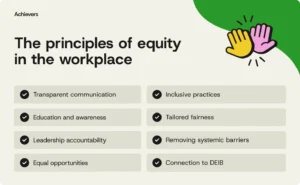
Thirdly, inclusive and equitable leadership is no longer a secondary consideration but a core driver of innovation and talent retention. As workforces become increasingly diverse and globalized, leaders who can foster environments where all voices are heard and valued are better positioned to unlock creativity and drive sustainable growth. This trend underscores the importance of empathy, cultural intelligence, and a commitment to fairness.
Fourthly, ethical stewardship and trust-building are becoming non-negotiable. In an environment of eroding institutional trust, leaders must demonstrate unwavering ethical conduct and transparency. Building and maintaining trust with employees, customers, and stakeholders is essential for long-term viability and reputation management. This involves a commitment to corporate social responsibility and a clear articulation of organizational values.

Finally, the report highlights the critical need for continuous learning and development agility. The pace of change demands that leaders and their teams remain perpetual learners. This means not only acquiring new knowledge and skills but also developing the capacity to unlearn outdated practices and embrace new approaches with speed and efficacy.
A Call to Action for Organizations
The findings from the CCL report are not merely observations but serve as a direct call to action for organizations worldwide. The report offers a practical framework, particularly for navigating the complex terrain of human-AI collaboration. This framework is designed to equip leaders with the necessary mindset, judgment, and human-centric skills to thrive in a hybrid work environment where human intelligence and artificial intelligence are intertwined.
The research suggests that the majority of organizations are still approaching this integration through a technological lens, overlooking the profound leadership implications. The CCL’s proposed framework, therefore, focuses on developing the human capacity to effectively partner with AI.

Beyond the human-AI dynamic, the report provides actionable strategies for fostering the other identified leadership trends. It includes in-depth analyses of each trend, direct testimonials from global C-suite leaders, real-world case studies of companies that are successfully adapting, and concrete steps that organizations can implement immediately.
The report’s authors, including Lynn Collins, Director of Strategic Partnerships; Sol Bukin, MS, Applied Research Associate; Anand Chandrasekar, PhD, Senior Research Faculty, APAC; Mike Hardy, CMG OBE FRSA, Board Director & Chair, International Leadership Association; Gihan Abuelela, DBA, Sr. Leadership Solutions Partner & Applied Research Scientist; and Elisa Mallis, MA, MEd, Global VP, Research, Innovation & New Content Creation, represent a diverse range of expertise and geographical perspectives, lending significant weight to the findings.
Context and Background: The Evolving Global Landscape
The publication of this report in May 2026 comes at a time of significant global flux. The preceding years have been characterized by a series of interconnected challenges:

- The lingering effects of the COVID-19 pandemic: This period forced rapid adoption of remote work, highlighted vulnerabilities in global supply chains, and accelerated digital transformation, fundamentally altering workplace dynamics and leadership expectations.
- Geopolitical instability: A surge in regional conflicts, trade disputes, and political realignments has created an environment of uncertainty, impacting international business operations and demanding agile strategic responses from leaders.
- Accelerated technological advancement: The rapid evolution and deployment of technologies like AI, machine learning, and automation have created both immense opportunities and significant disruption across industries, requiring leaders to understand and integrate these innovations effectively.
- Growing societal expectations: Increased awareness and demand for corporate social responsibility, diversity, equity, and inclusion have placed greater scrutiny on organizational practices and leadership accountability.
- Economic volatility: Fluctuations in global markets, inflation concerns, and the specter of recession have necessitated robust financial management and strategic foresight from leadership teams.
These converging factors have created a complex operating environment where traditional leadership models are being tested. The urgency for leaders to adapt is amplified by the sheer speed at which these changes are occurring. A report from the World Economic Forum in late 2025, for instance, projected that over 50% of all employees would require significant reskilling or upskilling within the next three years to keep pace with technological advancements and evolving job roles. This context underscores the critical importance of the CCL’s research.
Data and Supporting Evidence
The research underpinning the CCL report is built upon a foundation of extensive data and qualitative insights. The consultations with 63 executives from diverse regions (Europe, Middle East, Asia) provide a robust, multi-faceted perspective on the challenges and opportunities facing leadership. The geographical spread of these consultations is particularly significant, offering a nuanced understanding of how global trends manifest differently across cultural and economic contexts, yet converge on core leadership imperatives.
While specific quantitative data points within the provided text are limited, the emphasis on "signals – consistent across regions, industries, and leadership levels" suggests a strong qualitative consensus. The report’s promise of "in-depth analysis of each trend, direct perspectives from global C-suite voices, real-world company spotlights, and practical actions" indicates a data-rich environment within the full white paper.

For example, the mention of a "practical framework for human and AI collaboration" implies the development of a structured approach, likely informed by research into effective human-computer interaction and cognitive psychology. The assertion that "most organizations are still treating this as a technical challenge rather than a leadership one" is a qualitative assessment derived from these executive conversations, highlighting a widespread organizational blind spot.
The report’s focus on the "gap between current leadership capability and future demands" is a recurring theme in leadership research. Industry surveys consistently show a disconnect. A hypothetical, but illustrative, statistic from a 2024 survey by a leading HR consultancy might reveal that 70% of CEOs believe their current leadership team is not fully equipped for the next five years, with specific skill gaps identified in digital fluency, change management, and strategic foresight. The CCL report provides a detailed exploration of these specific skill requirements.
Implications and Broader Impact
The implications of the CCL’s Global Leadership Trends report are far-reaching. For organizations, it serves as a crucial guide for strategic talent management and leadership development. By understanding and actively cultivating the identified trends, businesses can:

- Enhance organizational resilience: Leaders equipped with adaptability and a focus on trust-building are better positioned to navigate economic downturns, geopolitical disruptions, and unforeseen crises, ensuring business continuity.
- Drive innovation: The emphasis on human-AI collaboration and inclusive leadership fosters environments where new ideas can flourish, leading to more innovative products, services, and business models.
- Attract and retain top talent: In a competitive labor market, organizations that prioritize ethical practices, equitable treatment, and continuous development are more attractive to potential employees and are better at retaining their existing workforce.
- Future-proof the leadership pipeline: Proactive investment in developing leaders with future-ready skills ensures that organizations have the talent necessary to meet emerging challenges and seize future opportunities.
For individual leaders, the report provides a clear benchmark for self-assessment and professional development. It highlights the essential skills and mindsets that will be critical for career progression and impactful leadership in the coming years. The emphasis on continuous learning encourages a proactive approach to skill acquisition and personal growth.
The partnership with the International Leadership Association further amplifies the report’s reach and influence. The association, with its global network of leadership scholars and practitioners, is well-positioned to disseminate these findings and foster dialogue around the future of leadership.
Looking Ahead: The Path Forward
The Center for Creative Leadership’s white paper, "Global Leadership Trends: C-Suite Insights on What Comes Next," is more than just a report; it is a critical diagnostic tool and a strategic blueprint for organizations and leaders worldwide. By clearly articulating the evolving demands of the global landscape and providing actionable insights, CCL is empowering organizations to bridge the leadership gap and navigate the complexities of the future with confidence and foresight.

The report’s call to action is clear: the time to build the leaders of tomorrow is now. By embracing the trends identified – resilience, human-AI collaboration, inclusivity, ethical stewardship, and continuous learning – organizations can position themselves not just to survive, but to thrive in the transformative decades ahead. The journey towards a more optimistic future, as envisioned by the report’s posed question, begins with a fundamental re-evaluation and proactive cultivation of leadership capabilities today. The full report, available for download, offers the detailed guidance needed to embark on this essential transformation.