In today’s dynamic professional landscape, the significance of recognition and appreciation from management is a widely acknowledged, yet often underutilized, cornerstone of a productive and engaged workforce. While extensive research consistently underscores the profound impact of appreciation on employee motivation, productivity, creativity, and overall workplace connection, the practical implementation of these insights frequently falters. Managers often express a desire to acknowledge their teams’ efforts but find themselves hindered by forgetfulness, uncertainty about how to initiate the process, or a lack of clarity on what to say. This article delves into the tangible benefits of regular, meaningful appreciation, explores the prevalent "recognition gap" in many organizations, and offers practical strategies and examples to help leaders bridge this divide, fostering stronger, more motivated, and ultimately, more successful teams.
The Business Case for Expressing Gratitude

The empirical evidence supporting the power of employee appreciation is compelling. A substantial 75% of employees report that recognition directly motivates them to increase their work output, and a remarkable 78% believe that recognition holds value even in the absence of monetary rewards. This sentiment is crucial, especially as a quarter of individuals actively seeking new employment cite a lack of recognition as their primary reason for departure. Furthermore, data from Gallup highlights that well-recognized employees are 45% less likely to have left their positions after a two-year period. When employees feel genuinely valued through authentic expressions of gratitude, their propensity to go the extra mile significantly increases, leading to tangible improvements in team performance and customer satisfaction. This enhanced motivation, in turn, fuels innovation, encourages collaboration, and ultimately drives superior business outcomes. The intangible, yet profound, impact of a simple "thank you" or a specific acknowledgment of effort can ripple outwards, transforming individual contributions into collective successes.
The Pervasive Recognition Gap
Despite the clear and quantifiable benefits, a significant disconnect persists between employee expectations for recognition and the reality of their workplace experiences. Gallup’s research indicates that a mere 22% of employees feel they receive an adequate amount of recognition for their contributions. This disparity often stems from managers’ uncertainty or discomfort in expressing appreciation effectively, leading to missed opportunities to boost morale and engagement. However, organizational observations suggest a positive feedback loop: when managers proactively initiate recognition – whether through informal acknowledgments in meetings, spontaneous conversations, or formal commendations – it encourages others to follow suit, gradually building a consistent culture of appreciation. This suggests that the initial hurdle is often the most significant, and once overcome, a more ingrained and pervasive culture of gratitude can emerge.

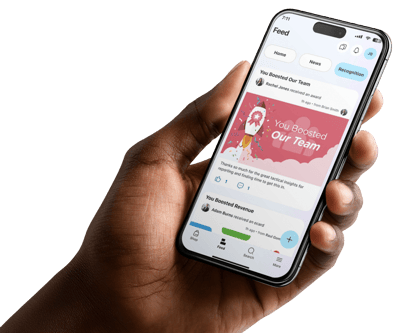
The "Building Human Workplaces" report by Reward Gateway | Edenred further contextualizes this issue, revealing that 84% of individuals believe technology can simplify work processes, a sentiment that can be extended to how technology can also simplify the act of recognizing and appreciating employees. Platforms designed to facilitate recognition can serve as crucial tools in overcoming the inertia that often prevents managers from expressing their gratitude. By making the act of recognition more accessible and systematic, technology can help embed it as a regular practice rather than an occasional afterthought.
Bridging the Gap: Practical Appreciation Message Examples
To empower managers and facilitate the consistent practice of appreciation, a curated collection of ready-to-use message templates has been developed, categorized by common workplace scenarios. These examples range in tone and length, suitable for various communication channels, from quick digital messages to more detailed written acknowledgments. It is imperative to remember that while any form of appreciation is better than none, tailoring these general templates with specific details about the employee’s actions, the company values they exemplified, and the tangible impact of their contributions will significantly amplify their effectiveness and sincerity.
Messages for Everyday Hard Work and Dedication
- "I wanted to take a moment to acknowledge your consistent hard work and dedication on [specific task or project]. Your commitment doesn’t go unnoticed."
- "Thank you for your unwavering effort, [Employee Name]. Your reliability and willingness to go the extra mile are invaluable to our team."
- "I appreciate the diligence you bring to your daily tasks, [Employee Name]. It makes a real difference in our team’s overall productivity."
- "Your steady contribution to [specific ongoing responsibility] is truly commendable. Thank you for your consistent effort."
- "I wanted to express my gratitude for your positive attitude and perseverance, especially during challenging times. It’s inspiring."
Messages for Project Success and Milestones
- "Congratulations on the successful completion of [Project Name], [Employee Name]! Your leadership and hard work were instrumental in achieving this."
- "Fantastic job on reaching the [Milestone Name] for the [Project Name] project! I’m incredibly proud of what you’ve accomplished."
- "Your contribution to the [Project Name] has been outstanding. Thank you for your dedication in seeing this through to success."
- "This project wouldn’t have been the same without your input, [Employee Name]. Thank you for your exceptional work on [specific aspect]."
- "We’ve hit a major milestone with [Project Name]! Your efforts in [specific area] have been critical to our progress. Well done!"
Messages for Teamwork and Collaboration
- "I’ve been really impressed with how you collaborated with [Colleague’s Name] on [task]. Your teamwork is a great asset."
- "Thank you for fostering such a positive and collaborative environment within the team, [Employee Name]. It makes all the difference."
- "Your willingness to jump in and help [Colleague’s Name] with [task] exemplifies great team spirit. I appreciate it."
- "The way our team pulled together on [project] was remarkable, and your contribution to that collaborative effort was significant, [Employee Name]."
- "I value your proactive approach to sharing knowledge and supporting your colleagues, [Employee Name]. It strengthens our team immeasurably."
Messages for Work Anniversaries and Tenure
- "Happy [Number] year work anniversary, [Employee Name]! We’re so grateful to have you as part of our team."
- "Congratulations on reaching your [Number] year milestone with us, [Employee Name]. Your dedication and contributions over the years have been exceptional."
- "It’s been a pleasure working with you for [Number] years, [Employee Name]. Thank you for your continued commitment and valuable insights."
- "Celebrating [Number] years with [Company Name] today! Thank you for your loyalty and the significant impact you’ve made, [Employee Name]."
- "Your tenure with us is a testament to your dedication, [Employee Name]. Happy [Number] year anniversary!"
Messages for Remote and Hybrid Employees
- "Even though we’re not in the office together, I’ve noticed your consistent dedication to [task] from home, [Employee Name]. Thank you for your commitment."
- "Your proactive communication and engagement in our virtual meetings are greatly appreciated, [Employee Name]. It helps keep us all connected."
- "I wanted to acknowledge the extra effort you’ve put in to stay connected and productive while working remotely, [Employee Name]. It’s noticed and valued."
- "Thank you for your flexibility and continued excellent work, [Employee Name], whether you’re in the office or working remotely."
- "Your ability to adapt and thrive in our hybrid work model is commendable, [Employee Name]. Thank you for your ongoing contributions."
Messages for Employee Appreciation Day
- "Happy Employee Appreciation Day! Today, we celebrate you and all your hard work and dedication. Thank you for everything you do!"
- "On Employee Appreciation Day, I want to express my sincere gratitude for your commitment and contributions to our team. You make a real difference."
- "Today, and every day, we appreciate you, [Employee Name]. Thank you for being such a valuable part of our organization."
- "Happy Employee Appreciation Day! Your efforts are the driving force behind our success. We are incredibly grateful."
- "This Employee Appreciation Day, we want to shine a spotlight on your outstanding work and positive impact, [Employee Name]. Thank you for being you!"
Crafting an Effective Appreciation Message
The most impactful employee appreciation messages share several key elements that contribute to their authenticity and resonance. Firstly, specificity is paramount; generic praise is easily dismissed, whereas detailing the exact action or behavior being recognized makes the acknowledgment feel personal and earned. Secondly, sincerity is non-negotiable; the message must convey genuine gratitude rather than a perfunctory obligation. Thirdly, impact should be highlighted; explaining how the employee’s actions benefited the team, project, or company provides context and reinforces the value of their contribution. Finally, alignment with company values can further strengthen the message, demonstrating how the employee’s actions embody the organization’s core principles. These components ensure that appreciation feels meaningful and not merely routine.
When to Deliver Appreciation
Strategic timing can significantly amplify the impact of appreciation messages. Integrating these acknowledgments into regular touchpoints ensures they are not forgotten. This includes:
- During regular team meetings: Dedicate a few minutes to publicly acknowledge achievements or exemplary efforts.
- In one-on-one check-ins: Use these private moments to offer more personalized feedback and gratitude.
- Informal hallway conversations: Spontaneous, in-person acknowledgments can be incredibly powerful.
- Formal recognition programs: Utilize platforms or systems designed for broader acknowledgment and tracking of contributions.
- After significant project milestones or completions: Timely praise reinforces positive behaviors and outcomes.
- During performance reviews: Integrate appreciation as a consistent component of feedback.
- On work anniversaries and special occasions: Commemorating tenure and personal milestones shows employees they are valued as individuals.
Common Pitfalls to Avoid
To maintain the effectiveness of appreciation efforts, managers should steer clear of certain common mistakes:

- Vagueness: Failing to specify what is being appreciated diminishes its impact.
- Infrequent Recognition: Sporadic appreciation can lead employees to feel their efforts are overlooked.
- Insincerity: Messages that feel forced or insincere can be counterproductive.
- Over-reliance on Monetary Rewards: While rewards have their place, genuine appreciation often transcends financial incentives.
- Comparing Employees: Praising one employee by demeaning another creates a negative and competitive environment.
- Confusing Appreciation with Performance Reviews: Appreciation should be a continuous process, not solely confined to formal review cycles.
- Ignoring Remote or Hybrid Employees: Ensuring equitable recognition across all work arrangements is crucial for inclusivity.
Building a Culture of Appreciation Beyond Messages
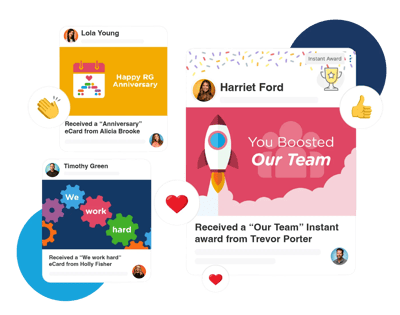
While direct messages are a powerful tool, they are most effective when integrated into a broader, systemic culture of appreciation. Platforms like Reward Gateway | Edenred are designed to scale and simplify recognition across entire organizations. These solutions offer features such as recognition reminders for managers, automated notifications for significant events, AI-supported storytelling to enhance the impact of recognition, and social recognition feeds that allow for peer-to-peer acknowledgments. Such technological integration makes it easier for managers to build recognition into their regular routines, fostering sustained motivation and embedding appreciation as a core habit. The "Building Human Workplaces" report emphasizes that 84% of people believe technology makes work easier, and this can certainly apply to the process of cultivating a more appreciative workplace. Systemic recognition not only boosts morale but also enhances employee retention and drives overall performance.
Frequently Asked Questions About Employee Appreciation Messages

Q: What specific elements should be included in an employee appreciation message?
A: Effective messages detail the specific actions taken, connect them to company values or goals, and clearly articulate the positive impact on the team or organization.
Q: How often should managers send appreciation messages?
A: Regularity is key. Aim for at least weekly, but timely recognition immediately following an achievement or extra effort is most impactful. Scheduling dedicated time for reviewing progress and sending recognition can help establish this habit.
Q: What is the difference between employee appreciation and employee recognition?
A: Appreciation focuses on expressing gratitude and valuing employees for their inherent worth and contributions. Recognition, on the other hand, specifically acknowledges and celebrates particular work achievements or performance milestones.

Q: Should appreciation messages be public or private?
A: Both approaches offer distinct benefits. Public praise can boost morale and visibility across teams, while private notes foster a deeper, personal connection. A balanced approach, often defaulting to public recognition to champion a culture of gratitude, is generally recommended.
Q: Is it acceptable to use the same appreciation message for multiple employees?
A: While using a template can be a starting point, especially when time is limited, it is significantly more impactful to personalize messages. Employees rarely perform identical tasks, and bespoke acknowledgments ensure individuals feel truly seen and valued for their unique contributions.
Q: Beyond messages, what are some low-cost ways to show employee appreciation?
A: Simple yet impactful gestures include offering flexible work arrangements, providing small personal perks (like a favorite snack), publicly discussing accomplishments during team meetings, or dedicating time to actively listen to an employee’s ideas and concerns.

In conclusion, meaningful employee appreciation messages represent a straightforward yet potent strategy for addressing the pervasive "recognition gap" in many organizations. By adopting a thoughtful approach grounded in specificity, sincerity, and timeliness, and by integrating these messages into a broader culture of recognition, managers can significantly enhance employee engagement, improve retention rates, and boost overall performance. Reward Gateway | Edenred’s solutions are instrumental in supporting this mission by equipping businesses with the tools necessary to cultivate vibrant, appreciative cultures that not only attract but also retain top talent, ultimately contributing to a more positive and productive work environment for all.