The artificial intelligence landscape is currently dominated by the looming specter of major players like OpenAI and Anthropic, both reportedly on the cusp of significant public offerings. This intense focus on their potential market debuts has naturally ignited widespread fascination and speculation about their future strategies and competitive dynamics. At the heart of this unfolding drama are their respective, often contrasting, leadership styles and their ambitious visions for the future of AI. While the enterprise sector teems with established giants such as Google, Amazon, Nvidia, and Oracle, and the consumer market sees the entrenched presence of Apple and others, a compelling argument can be made that Microsoft, through its strategic positioning and comprehensive approach, is poised to become the most significant beneficiary in this rapidly evolving arena.
The enterprise market for artificial intelligence can be broadly segmented into three critical areas: the foundational models, the application layer or "surface" through which users interact with AI, and the overarching ecosystem that supports and integrates these components.
The Evolving Landscape of AI Models
The first crucial element is the AI model itself, and the ongoing challenge of determining its most effective applications. The current reality is that a single, monolithic AI model is unlikely to cater to every conceivable need. Instead, a specialization is emerging, driven by the distinct requirements of various industries and tasks. For instance, coding and analytical applications might leverage Anthropic’s Claude, while narrative generation and document processing could find a natural home with OpenAI’s models. Google’s Gemini is being positioned for analytical and scientific applications, and even newer entrants like Grok are exploring niche areas such as robotics and motion. The strategic placement of Nvidia’s world models within this framework also remains a key question.

This product-market fit is still in its nascent stages. AI laboratories are diligently optimizing their algorithms and refining their data training methodologies to meet these diverse needs. It has become increasingly apparent that the "one-size-fits-all" model is an outdated concept in the complex world of enterprise AI.
Furthermore, the development of AI models extends far beyond mere computational power. It encompasses the intricate processes of data collection, meticulous labeling, and continuous refinement. The assertion that a single "model" can be universally optimized is proving to be a miscalculation. For businesses operating in specialized domains, such as pharmaceuticals seeking models with a deep understanding of proteins and advanced genetics, the demand is for platforms specifically trained within those vertical markets.
Anthropic has recently set a notable pace in the realm of code generation, a foundational capability underpinning many AI-driven tasks. However, the crucial questions remain: Will OpenAI pivot to focus heavily on healthcare applications? Will Google dedicate significant resources to biological research? Which model will ultimately excel in optimizing for the physical world, encompassing applications in robotics, manufacturing, and transportation? The involvement of Nvidia and potentially Grok in these areas is a subject of intense observation.
Consequently, business buyers will inevitably require a diversified portfolio of AI models. Any AI provider that claims to offer a singular solution for "everything" is likely to face skepticism. This trend is reminiscent of how specialized AI tools, like the AI Galileo platform, have achieved remarkable intelligence by laser-focusing on specific domains such as HR, labor markets, and skills development, effectively serving as an advanced management consultant for human capital challenges.
The Critical Role of the AI "Surface" or Application Experience
The second pivotal element is the "surface," which refers to the application experience and user interface surrounding the AI. This layer is responsible for delivering the desktop environments, toolsets, integration capabilities, and development tools that make AI accessible and user-friendly. These are not merely models; they are sophisticated applications. Factors such as the AI’s memory capacity, its personalization features, the overall user experience, and its ability to seamlessly interact with external data and systems are paramount.
This crucial layer of software that envelops the AI model is increasingly being referred to as the "AI Harness." In today’s technological landscape, user experience has ascended to unprecedented importance. If Apple’s Siri were to achieve true intelligence and ease of use, it could conceivably be adopted by billions within months. The underlying model would then become a secondary consideration to the overall user experience.
Microsoft’s historical dominance in the personal computer market provides a valuable precedent. The company achieved this by both licensing and adapting graphical interfaces while relentlessly focusing on the superior application experience offered by products like Excel, PowerPoint, Outlook, and Windows. While competitors like Lotus 1-2-3 and Multiplan may have been earlier to market, the eventual "fit and finish" of Microsoft’s M365 suite proved decisive, securing a massive user base of over 450 million paying customers.
Business developers and IT departments are facing a similar imperative. The demand is growing for more than just raw AI models; it extends to a comprehensive suite of tools that facilitate AI deployment, management, and integration.
The current limitations of AI integration with existing enterprise systems highlight this need. For instance, an attempt to integrate Claude with HubSpot, despite promotional efforts, resulted in a failure to retrieve even basic data, timing out and failing to complete the request. This demonstrates a critical deficiency in the "surface" or "context layer," rather than a flaw in the underlying model itself.
The challenge for companies like Anthropic and OpenAI lies in their ability to address this "surface" layer effectively. They are heavily reliant on third-party integrators such as ServiceNow, Microsoft, and Accenture to build these essential application experiences. If these integrations are poorly executed, the underlying AI platform suffers, leading to diminished adoption.
The Power of the Ecosystem
The third critical component is the ecosystem. Businesses are actively seeking AI platforms that offer a rich array of applications, seamless integrations, robust tools, and extensive third-party support. The development of platforms like AI Galileo illustrates this need. Customers frequently inquire about connecting Galileo to various existing systems, demanding integrations with policy databases, leadership models, and compliance training modules. This necessitates the development of a comprehensive ecosystem of solutions that extend beyond the core platform.
In the enterprise sector, where a significant portion of AI-driven profits are expected to be generated, vendors must cultivate ecosystems of partners who can derive value by building upon their platforms. This symbiotic relationship is essential for sustained growth and market penetration.
Discussions with HR and IT leaders consistently reveal a dual focus: the immediate need for user-friendly, packaged AI solutions for employees, and the more strategic imperative for a robust platform capable of building, buying, and managing agentic applications. This platform must complement and, in some cases, replace existing legacy systems, all while avoiding vendor lock-in in a market characterized by rapid innovation. Consequently, the "engine" – the AI model – is becoming less of a differentiator than the "surface" – the application experience.
The Surface vs. The Model: Redefining AI Value
The discourse surrounding AI is shifting from a sole focus on "models" to an emphasis on "surfaces." An AI "surface" represents the application experience, distinct from the underlying Large Language Model (LLM). Essentially, the application built on top of AI is gaining prominence over the AI itself. The true value emerges from the synergistic combination of the surface and the model, which together create the overall user experience.
In the corporate realm, the "surface" encompasses critical elements such as the tools provided, the speed of operation, the intuitiveness of the user interface, the availability of historical data, and the effectiveness of the semantic connectivity layer. When an AI is connected to an HR system or email, the expectation is that this connection yields valuable insights, not just random outputs.
The failure of an attempted Claude integration with HubSpot, which could not retrieve requested data and timed out, serves as a stark example of a "surface" problem rather than a "model" issue. This highlights the dependency of model performance on the quality of the surrounding application layer.
The crucial question for companies like Anthropic and OpenAI is how they will address this critical "surface" challenge. Their ability to succeed hinges on their capacity to foster robust ecosystems and reliable third-party integrations.
Microsoft’s Strategic Ascendancy
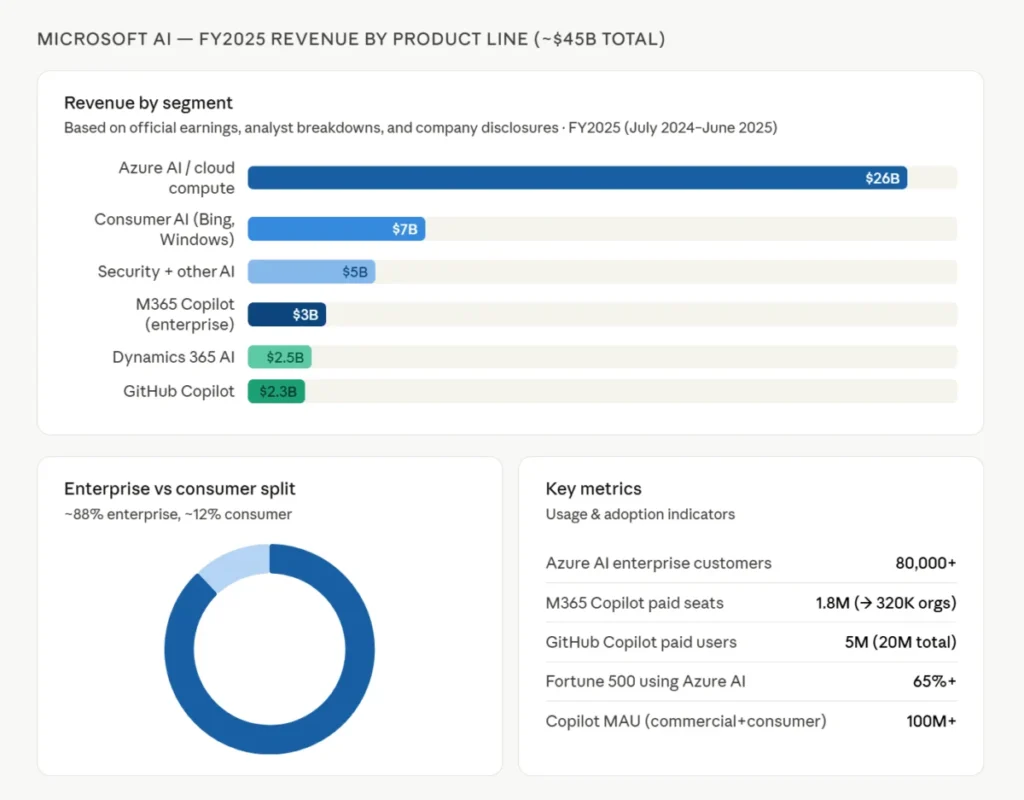
This is precisely where Microsoft’s strategic advantage becomes apparent. While OpenAI and Anthropic are reportedly generating substantial revenue, a closer examination of their financial structures reveals a nuanced picture. Estimates suggest that approximately 70% of OpenAI’s revenue stems from consumer subscriptions, while a similar proportion of Anthropic’s revenue is derived from selling AI compute power to other providers.
OpenAI’s projected $30 billion revenue could be derived from a substantial consumer base, with an estimated 500-600 million users, and if 25% subscribe at $20 per month, the figure aligns. Similarly, Anthropic’s $30 billion could be generated from a smaller number of large enterprise clients, perhaps 300-500 companies each contributing around $500 million annually.
The question then becomes: who is capturing the revenue generated from the crucial "surface" layer? The evidence strongly suggests that Microsoft is emerging as the dominant player in this segment.
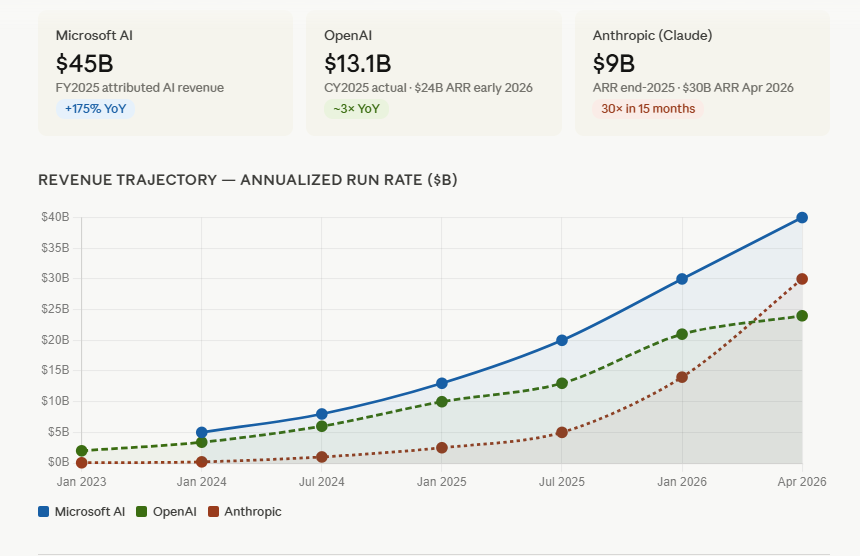
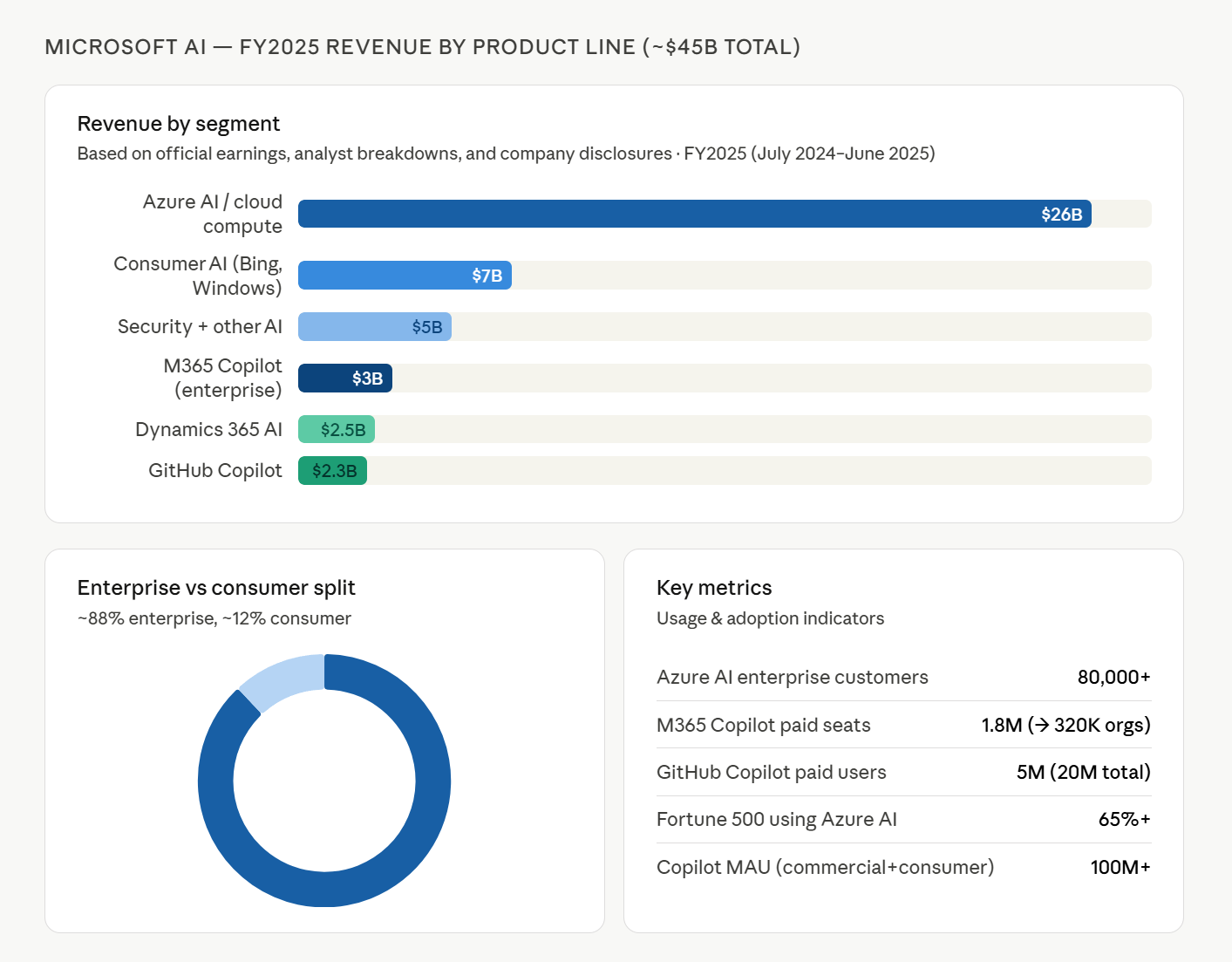
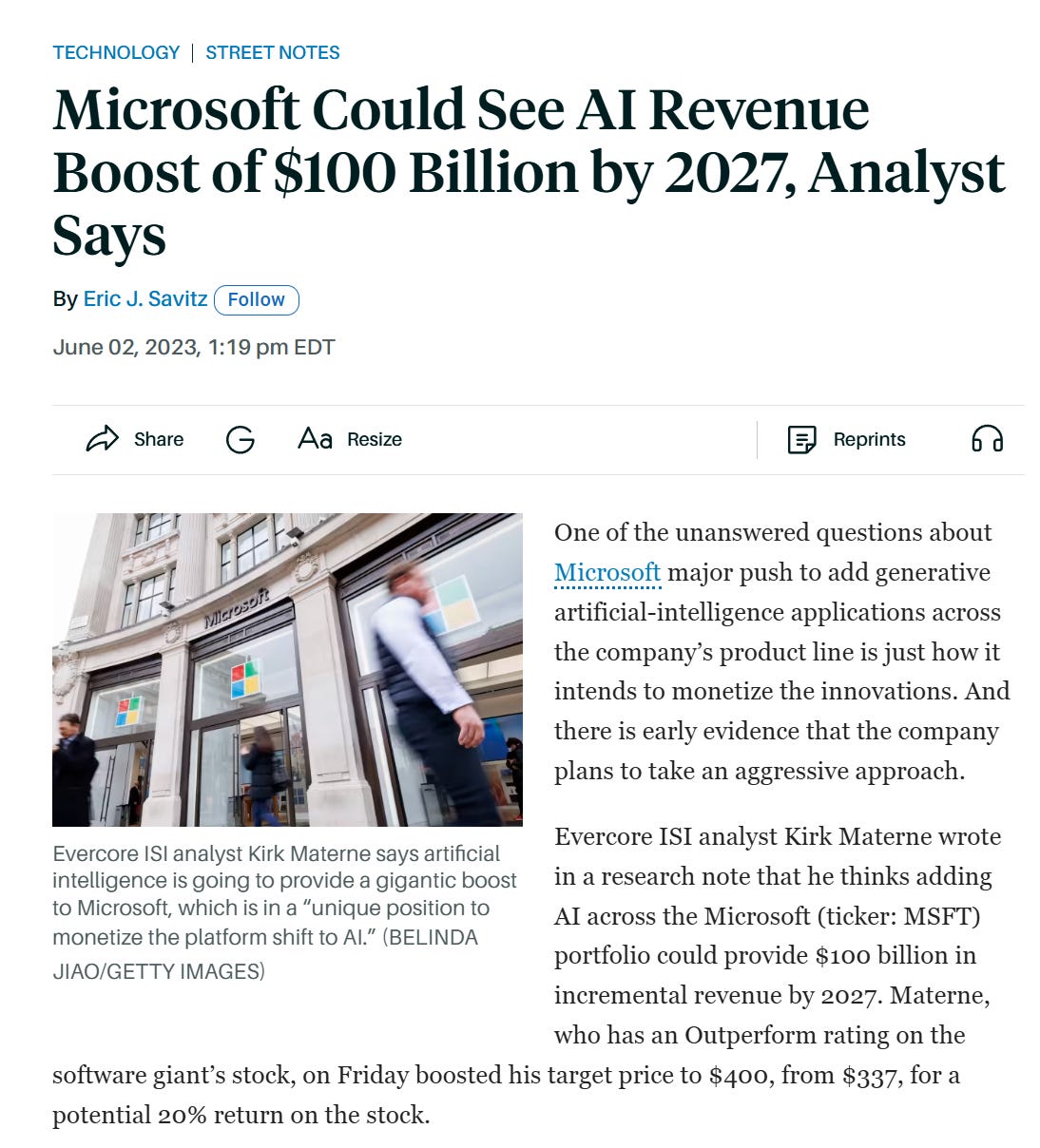
Microsoft’s own financial disclosures and analyst projections paint a compelling picture. The company reports 15 million licensed users of its Copilot, generating an estimated $4.5 to $5 billion in revenue at an average price of $25 per month. This figure, combined with fees from Azure API services, pushes Microsoft’s AI revenue to an estimated $25 billion or more, with its AI segment experiencing a significant 39% year-over-year growth. Analysts project that Microsoft could generate upwards of $100 billion in new AI revenue within the next three years, a target some believe could be reached even sooner.
The Strategic Pillars of Microsoft’s AI Dominance
Several key factors underpin Microsoft’s increasing strength in the enterprise AI market. A recent discussion with Seth Patton, head of Microsoft Copilot product marketing, revealed a significant evolution in the company’s strategy. Copilot is no longer merely a collection of plugins for individual Microsoft products; it has transformed into an integrated platform capable of harnessing not only OpenAI’s models but also Anthropic’s offerings and, crucially, a company’s proprietary information.
Copilot’s Transformation: From Disparate Parts to a Unified Whole
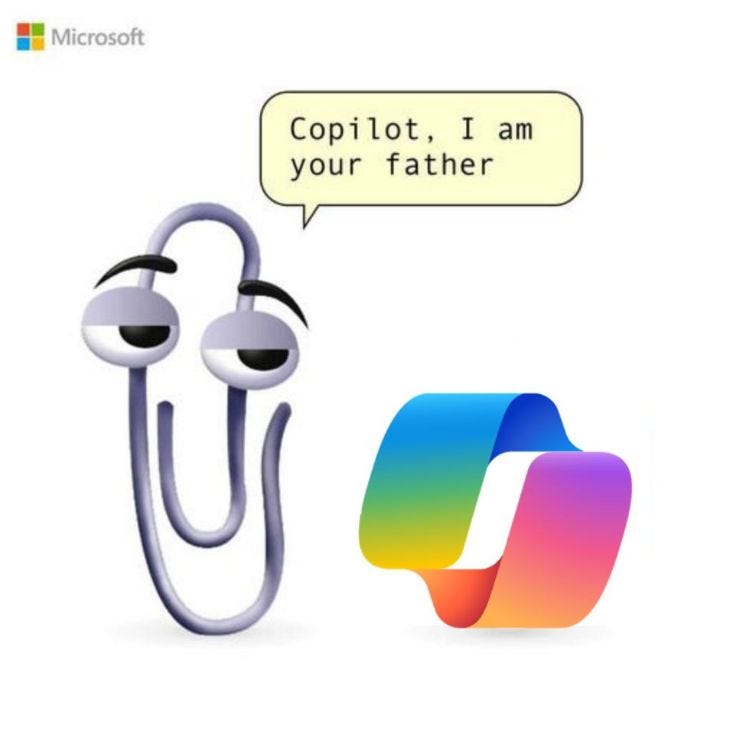
In the early days of Copilot’s development in 2022, the focus was heavily on the partnership with OpenAI and the integration of ChatGPT into Bing. This quickly evolved into the broader Microsoft Copilot vision, which initially felt like an enhanced version of the familiar "Clippy" assistant.
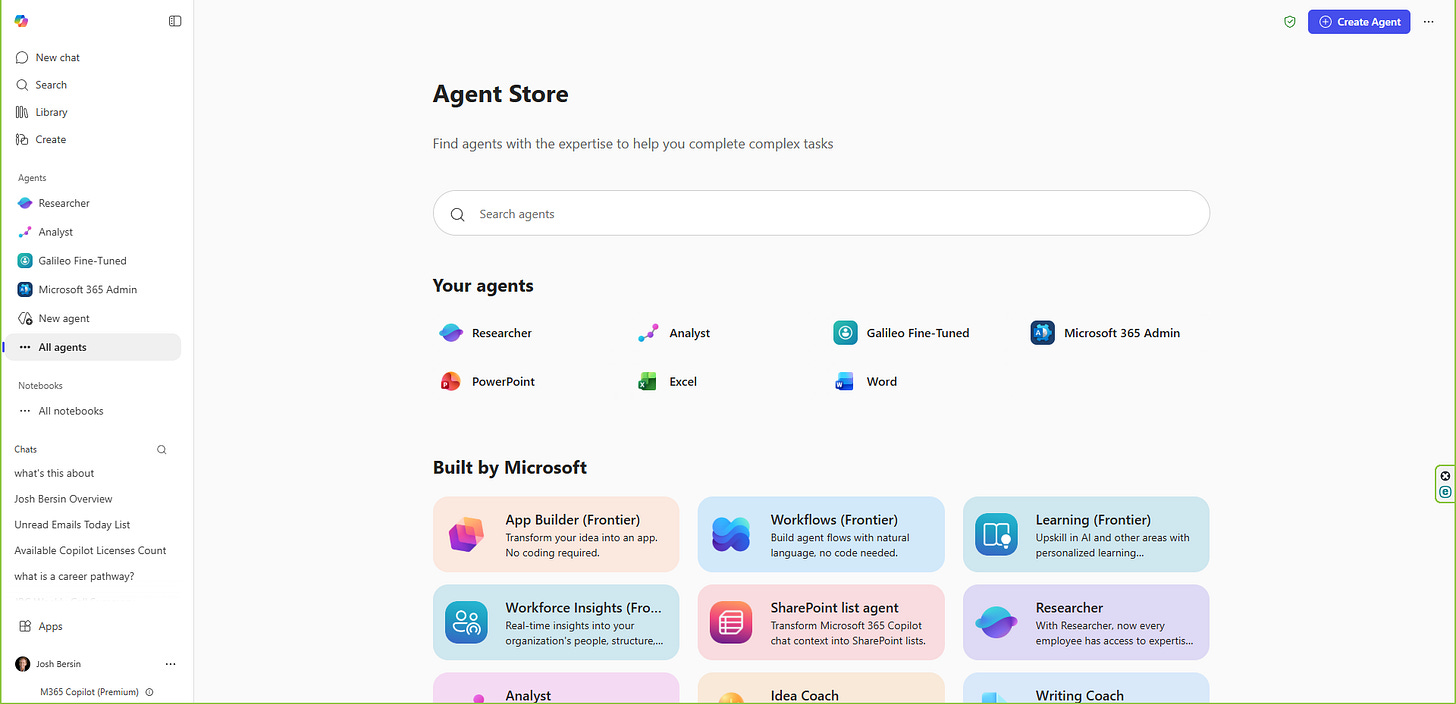
Microsoft’s product teams then embarked on an ambitious mission to build a multitude of "surfaces" on top of ChatGPT. This included the launch of Copilot for Microsoft 365, as well as specialized versions integrated into Dynamics, Excel, GitHub, and numerous other applications. The subsequent introduction of Copilot Studio, Agent 365, Work IQ, and a host of other AI-powered "surfaces" aimed to create a comprehensive solution. Concurrently, the company invested heavily in its M365 Graph Connectors to ingest corporate data into Copilot, and in fine-tuning capabilities to optimize proprietary data into actionable intelligence, providing IT departments with essential management tools. The rapid pace of product introductions, while impressive, occasionally created a sense of fragmentation.
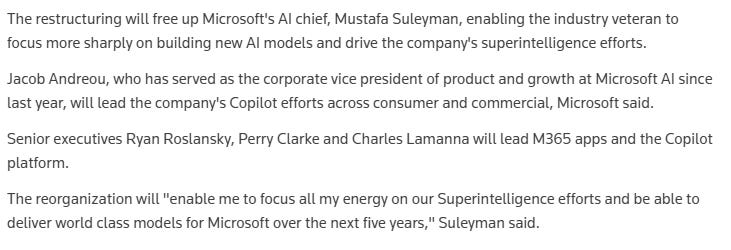
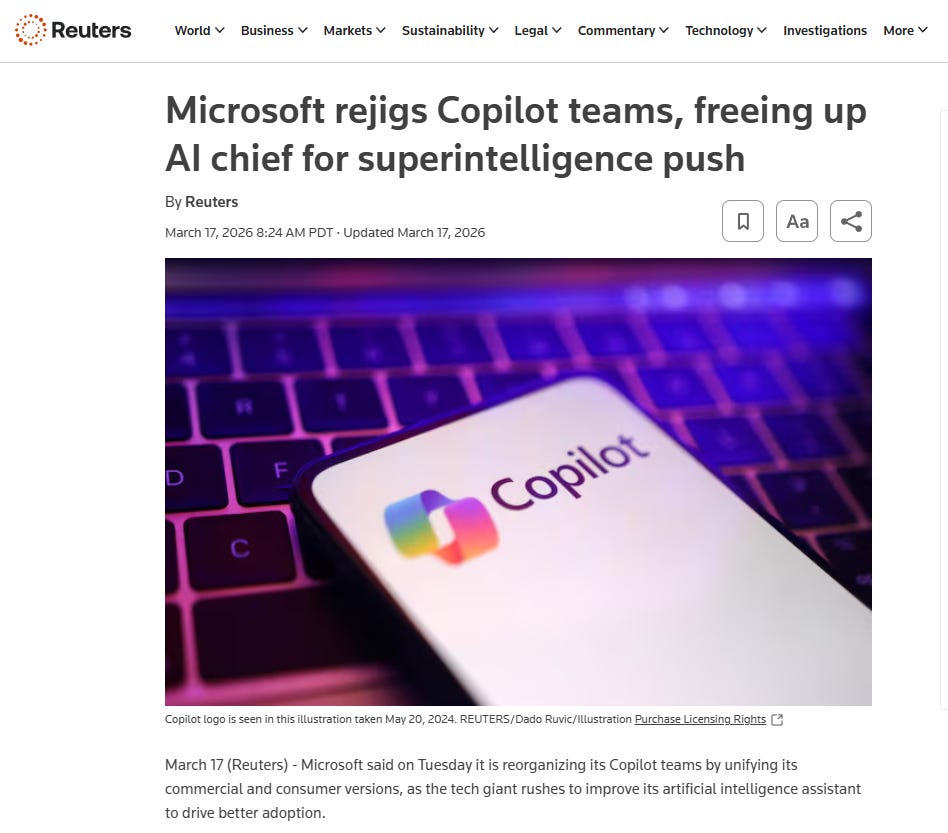
However, after several years of this development, and recognizing customer confusion, Satya Nadella orchestrated a significant strategic reorganization. The disparate Copilot product teams were consolidated into a single, unified product organization. This pivotal move, announced in March 2026, has allowed Microsoft to create a more cohesive "surface" for both corporate and consumer users, enabling its AI engineering group to concentrate on its own proprietary model development. Jacob Andreou, formerly of Snap, has been appointed to lead Copilot’s growth initiatives, signaling a renewed focus on user adoption and market expansion.
The leadership structure has been further solidified, with Ryan Roslansky overseeing LinkedIn, Perry Clarke leading Copilot Core, and Charles Lamanna heading up Agents and Apps. This integrated leadership team, including Andreou, Roslansky, Clarke, and Mustafa, is tasked with aligning the teams and focusing on overall agent enablement and delivering tangible corporate user value, moving beyond single-application functionality. This strategic consolidation allows Microsoft to operate with a unified vision, akin to Nvidia’s integrated engineering approach across all layers.
This strategic realignment is expected to yield several significant advantages:
- Streamlined AI Development: A unified product organization can foster greater efficiency and synergy in the development and deployment of AI solutions.
- Enhanced User Experience: A cohesive approach to "surfaces" will lead to a more intuitive and integrated user experience across Microsoft’s product suite.
- Accelerated Innovation: Centralized leadership can expedite the pace of innovation and the introduction of new AI capabilities.
- Strategic Focus: By bringing key AI functions under one roof, Microsoft can better align its AI strategy with its broader business objectives.
While acknowledging the complex journey to this point, the company’s operational capacity is now significantly enhanced, allowing it to function more like Nvidia, with all engineering layers integrated around a singular, overarching strategy.
The Multifaceted Value Proposition of Microsoft’s AI Strategy
Microsoft’s sustained success in the AI domain can be attributed to several key strategic advantages:
- Integrated Enterprise Solutions: The corporate market demands an integrated toolset that encompasses desktop applications, development tools, robust IT management capabilities for AI agents, and seamless connectivity with legacy systems. While specialized players like ServiceNow and OKTA operate within this ecosystem, Microsoft’s ability to build out these capabilities, in collaboration with partners, is a significant differentiator. The development of Work IQ, coupled with the extensive efforts in Agent365 and Copilot Studio, underscores this commitment.
- Empowering Application Developers: The vast world of application development is poised for transformation through a more integrated set of tools. Every vendor in ERP, finance, productivity, analytics, and other sectors now has access to a suite of APIs to build within the "Copilot-land" ecosystem. While navigating the various API options – whether connecting to Teams, Graph, Work IQ, or Fabric – is becoming clearer, the potential for developers to extend their offerings is immense.
- Unified Desktop Experience: End-users, from individual PC buyers to IT helpdesks, can envision a future where all AI applications converge within the familiar Microsoft desktop environment. The current Copilot experience is continuously improving, and it is highly probable that Microsoft will allocate its top UI design talent to further refine this critical aspect. While the current interface might appear somewhat piecemeal, a significant beautification and streamlining are anticipated over time.
- Expanding Partner Network: Microsoft’s extensive partner network is a powerful asset that will be further amplified by the release of Work IQ APIs. Corporate cloud vendors, many of whom are concerned about being displaced by AI agents, are actively seeking opportunities to integrate with and build upon the Copilot platform. This collaborative approach is crucial for scaling AI adoption and creating a robust, interconnected ecosystem.
Deepening Value Through Advanced AI Capabilities
Microsoft’s strategic investment in AI extends beyond simply providing access to underlying models. The company is actively developing and integrating advanced capabilities that offer significant value-add to its users:
- Enhanced Research and Data Analysis: Features like the "Researcher" button, which leverages the MS Graph, allow for deep analysis of calendar data and other organizational information. This capability, while still evolving in speed, provides invaluable advice, counsel, and contextual assistance to individuals and leaders. As this functionality expands with enhanced memory and context, its value proposition will only grow.
- Intelligent Routing and Optimization: New MS Agents are being developed to compare queries across multiple AI models, helping users identify the most effective and cost-efficient options. This intelligent router will progressively decompose complex AI tasks, distributing different components to specialized agents for optimal performance.
- Agentic Interaction with Core Applications: The new Copilot empowers users to interact with complex documents in applications like Excel, PowerPoint, and Word in an agentic manner. Users can ask questions, modify tables, run reports, and generate graphs directly within Copilot, observing real-time changes in the documents. This extends the "in-app" Copilot experience across the entire Microsoft suite, with continuous improvements in intelligence and functionality anticipated.
- Contextual Intelligence for Enterprise Functions: The forthcoming Work IQ APIs will enable companies to import and build proprietary "context" into Copilot. This will transform Copilot into a truly agentic solution for critical enterprise functions such as HR, finance, and sales, providing tailored intelligence and automation capabilities. As discussed in recent analyses regarding semantic layers and business rules, this integration opens the door for deep plugins from corporate applications, allowing them to be intelligently utilized or "agentified" within the Copilot framework.
The integration of platforms like Galileo through Graph connectors and fine-tuned models exemplifies this trend. By allowing employees access to comprehensive research and data on leadership, management, HR, and training, Galileo is being transformed into a world-class management and HR advisor for the entire workforce.
The ongoing evolution of Microsoft’s AI strategy, from its initial partnerships to its current integrated platform approach, positions it as a formidable contender in the race for AI dominance. While OpenAI and Anthropic focus on the foundational models and consumer appeal, Microsoft’s comprehensive strategy, encompassing the critical "surface" and a robust ecosystem, appears to be the most promising path to sustained leadership in the enterprise AI market. The company’s ability to seamlessly integrate cutting-edge AI capabilities with its existing enterprise software suite, coupled with its vast partner network, suggests a strategic advantage that may ultimately redefine the competitive landscape.