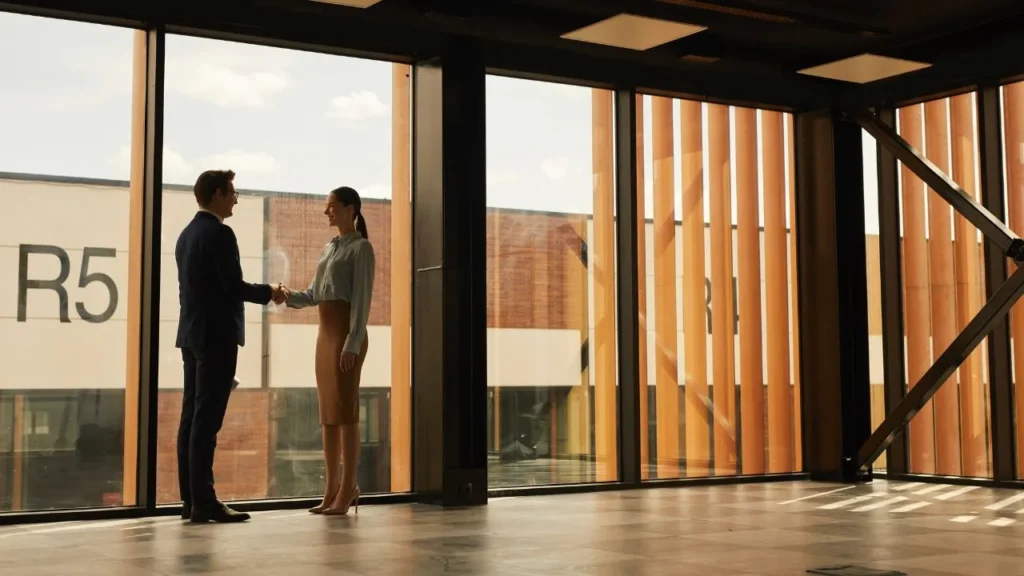
U.S. tech companies are increasingly concentrating their office leasing activity in a small number of core talent hubs, with a clear pull toward high-quality buildings and larger, longer commitments. This strategic shift, revealed in recent data, signals a recalibration of how technology firms approach physical workspace in an evolving economic and operational landscape. The trend underscores a prioritization of access to skilled labor, robust industry ecosystems, and premium amenities, even as the broader office market navigates ongoing adjustments.
According to an analysis of the 100 largest tech office leases executed over the past 12 months, leasing activity has become significantly more geographically concentrated. San Francisco Bay Area and New York City have emerged as the dominant epicenters for major deals, capturing the lion’s share of square footage and transaction volume. Silicon Valley, in particular, led all markets in total square footage leased, surpassing both San Francisco and New York City, according to data compiled by Newmark and reported by CRE Daily. This concentration is not merely a reflection of historical tech dominance but a deliberate strategy by leading companies to embed themselves within areas that offer the most fertile ground for innovation, recruitment, and collaboration.
Leasing Activity Narrows to a Few Core Markets
The aggregation of significant tech office leases is starkly evident. The top 100 deals collectively spanned approximately 16.5 million square feet across 14 U.S. markets. This represents a notable contraction from previous periods, where similar large-scale leasing activity was more broadly distributed across 21 markets. The current landscape sees five key markets accounting for the overwhelming majority of this activity, with the Bay Area and New York City leading the charge in terms of overall volume.
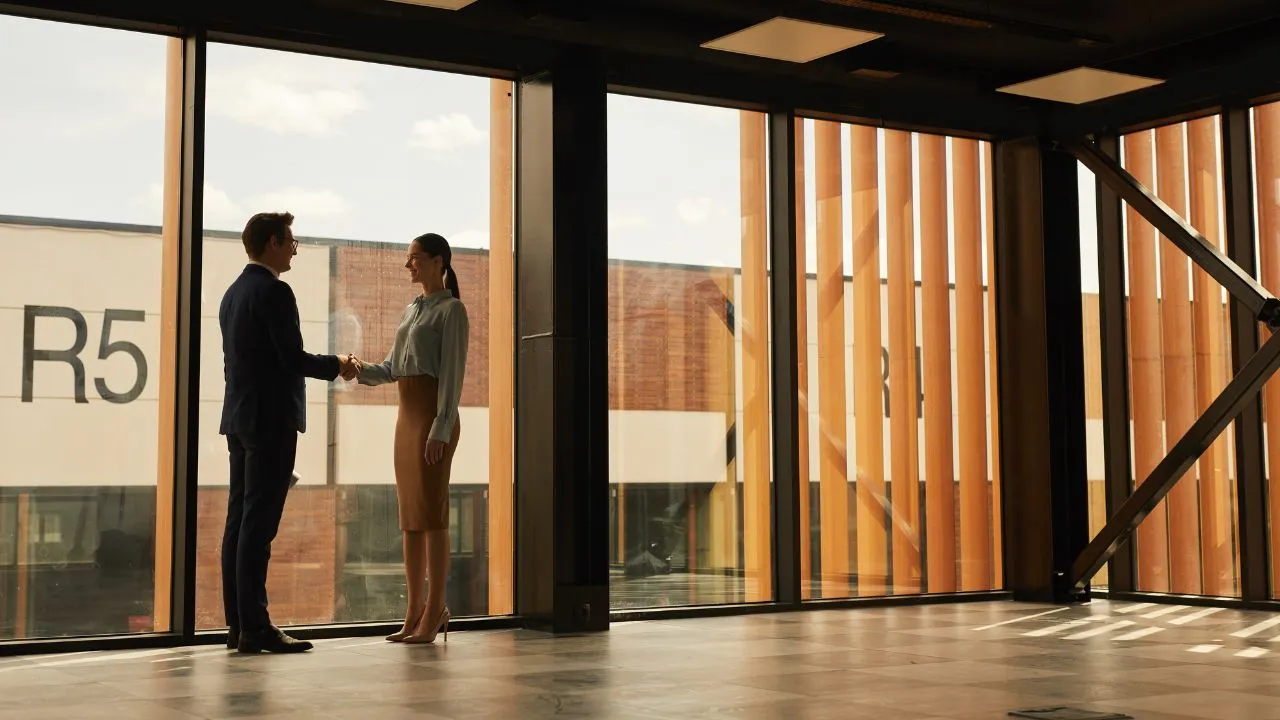
Silicon Valley emerged as the frontrunner, securing roughly 5.38 million square feet in major leases. This was followed closely by San Francisco proper, which saw 2.96 million square feet leased, and New York City, with 2.83 million square feet. Boston secured a distant fourth position, indicating a more focused concentration in the primary tech hubs. Other significant tech centers, such as Austin, Seattle, and Los Angeles, experienced comparatively limited activity within this top tier of leases, suggesting a widening gap between established tech powerhouses and emerging or secondary markets in terms of attracting large-scale corporate real estate commitments.
The concentration extends beyond the overall market share to individual transactions. More than half of the top 100 leases were finalized within the Bay Area, underscoring its unparalleled draw for the technology sector. New York City also accounted for a substantial portion of these significant deals. While Boston demonstrated notable activity, particularly in sectors like robotics and defense technology, the overarching trend in tech office leasing remained heavily weighted towards the nation’s most established technology corridors. This suggests that companies are making strategic bets on locations that offer proven access to talent pools and a dense network of industry peers and partners.
AI Firms and Expansions Drive Demand
A significant driver behind the surge in leasing activity, particularly in these core markets, is the rapid growth and expansion of Artificial Intelligence (AI) and infrastructure-focused companies. These burgeoning tech sub-sectors are not only seeking space but are actively expanding their footprints, often at an accelerated pace. Many of these firms have substantially increased their office square footage in a remarkably short period, indicating a robust demand fueled by innovation and investment in AI technologies.
One illustrative example is the AI firm Anthropic. The company significantly expanded its presence in the Bay Area, growing from leased spaces measured in tens of thousands of square feet in 2021 to several hundred thousand square feet in recent years. This dramatic scaling underscores the rapid trajectory of AI development and the commensurate need for physical infrastructure to support it.

Across the spectrum of the top leases, expansions constituted a larger share of the activity compared to relocations. This indicates that established tech companies, rather than moving to entirely new markets, are choosing to deepen their presence within existing hubs. Renewals also remained a substantial component of leasing activity, suggesting a desire for stability and continuity in prime locations. Only a smaller fraction of these major deals involved companies undertaking complete relocations to different markets. The growth observed in physical footprints is largely attributable to AI-linked companies, highlighting their pivotal role in shaping the current office leasing landscape. This trend suggests a confidence in the long-term viability of these core markets for growth and talent acquisition.
Flight to Quality Strengthens in Office Space
The market analysis reveals a pronounced and deepening preference for premium office space, a trend colloquially known as a "flight to quality." The vast majority of significant tech office leasing activity is now concentrated in Class A and trophy buildings. These top-tier properties collectively account for an overwhelming proportion of the largest deals executed in the past year. This indicates that tech companies are prioritizing modern, well-appointed, and amenity-rich spaces that can attract and retain top talent, foster collaboration, and project a strong corporate image.
Furthermore, many tenants are not simply upgrading their building quality but are simultaneously increasing their total leased square footage. This dual approach suggests a strategic investment in workspace that supports evolving work models and anticipated future growth. Accompanying this move towards higher quality and larger spaces is a trend towards longer-term lease commitments. Average lease terms have demonstrably risen compared to pre-2020 levels, indicating a renewed confidence and commitment to physical office space among leading tech firms. This willingness to commit for longer durations signals a belief in the enduring importance of a central office presence, even amidst ongoing discussions about hybrid work models.
This confluence of longer leases and a heightened focus on premium space is consequently tightening availability in top-tier buildings, particularly within supply-constrained urban cores. As demand for these highly desirable properties intensifies, competition for limited space is expected to remain fierce, potentially driving up rental rates and further solidifying the dominance of established markets. The scarcity of prime office space in sought-after locations could also spur further development or adaptive reuse projects, though the lead times for such endeavors mean immediate supply pressures are likely to persist.

A Market Influenced by Talent and Capital
The observed consolidation of tech office leasing in a select few core markets is a multifaceted phenomenon, extending beyond mere real estate strategy. Companies are strategically leveraging their office locations as a critical tool to secure access to specialized talent, cultivate investment networks, and immerse themselves within vibrant industry ecosystems. This is particularly pronounced in AI-heavy markets, where venture capital funding is heavily concentrated, with the Bay Area remaining a preeminent global hub for such investment.
The symbiotic relationship between talent, capital, and physical presence is a key driver of this trend. Companies recognize that proximity to leading universities, research institutions, and a deep pool of skilled professionals is paramount for sustained innovation and growth. The concentration of venture capital in these hubs also facilitates fundraising and strategic partnerships, creating a virtuous cycle that attracts further investment and talent.
With a limited supply of new, high-quality office inventory entering the market and continued robust demand from fast-growing technology firms, the competition for top-tier space is anticipated to remain exceptionally strong. This dynamic is creating a reinforcing cycle: established hubs, benefiting from sustained demand and capital investment, continue to attract the largest and longest lease commitments. In contrast, secondary markets, while still important for some companies, are likely to experience more modest levels of demand for large-scale office space.
The implications of this trend are significant for the broader commercial real estate sector. It suggests a bifurcation of the office market, with prime, well-located, and amenity-rich buildings in core tech hubs commanding premium rents and occupancy rates. Conversely, older, less desirable properties in less central locations may face greater challenges in attracting and retaining tenants. For urban planners and economic development agencies, this trend highlights the importance of fostering environments that attract and retain tech talent and capital, investing in infrastructure, education, and a supportive business climate. The future of office leasing in the tech sector appears to be one of deliberate, strategic concentration, prioritizing quality, talent access, and long-term commitment in the markets that offer the most significant competitive advantages. This strategic recalibration underscores the enduring value of physical space when it is thoughtfully integrated with broader business objectives, particularly in the fast-paced and competitive world of technology.