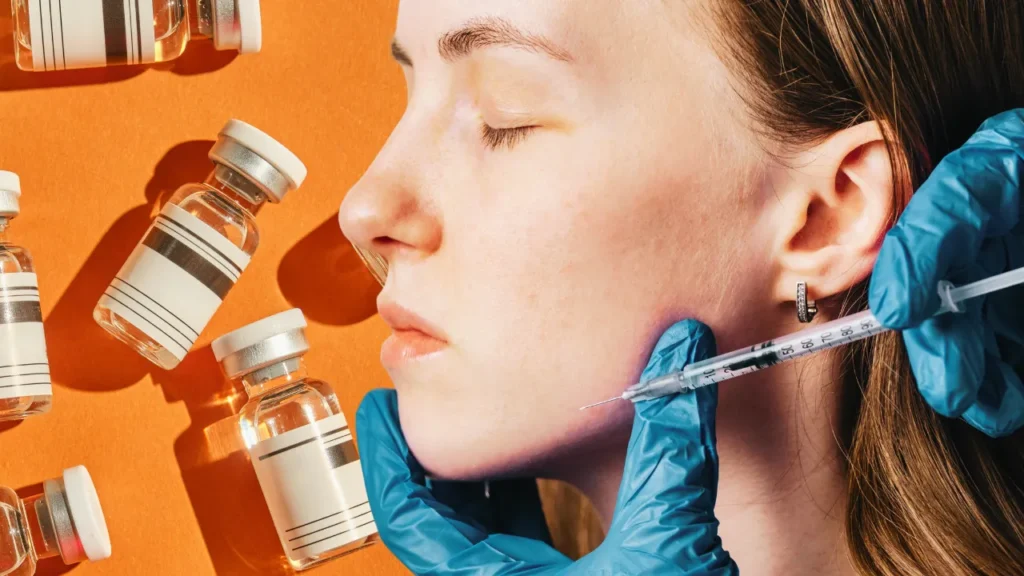
For decades, the bedrock of workplace camaraderie was built upon predictable rituals: shared lunches, impromptu coffee breaks, and the ubiquitous happy hour. These activities, while often effective, fostered a specific type of collegial interaction. However, as the professional landscape undergoes a profound transformation, so too does the very definition of workplace social engagement. A new paradigm is emerging, one that intricately weaves together elements of personal wellness, aesthetic appreciation, professional networking, and unparalleled flexibility. This evolving culture is giving rise to novel forms of connection, with colleagues increasingly opting for shared experiences that were once considered strictly private. Among the most striking of these emerging trends is the phenomenon of "Botox parties," where groups of coworkers are scheduling cosmetic injectable appointments together, redefining the concept of team-building for the modern era.
This shift signifies a departure from traditional social norms, moving away from alcohol-centric gatherings towards activities that prioritize self-care and personal enhancement. What might have been considered a discreet, individual pursuit is now transforming into a communal experience, bridging professional and personal spheres in unprecedented ways. From high-pressure real estate teams and dedicated healthcare professionals to creative minds in design and media, and those in client-facing roles where appearance can be perceived as crucial, colleagues are congregating at aesthetic clinics. These outings are no longer solely about individual treatments but have evolved into a unique form of social bonding, offering a shared activity that blends wellness, beauty, and collegiality.
The New Social Currency: Wellness Over Whiskey
The decline in alcohol consumption among younger generations, coupled with a broader societal emphasis on holistic well-being, has significantly impacted traditional after-work socializing. Employees are actively seeking healthier, more mindful alternatives to the classic drink after hours. This has paved the way for a burgeoning interest in a diverse range of wellness-focused activities. Fitness classes, restorative recovery sessions, guided meditation events, and communal sauna experiences have all seen a surge in popularity as replacements for the traditional pub crawl. Now, cosmetic treatments are firmly establishing themselves on this growing list of preferred social engagements.
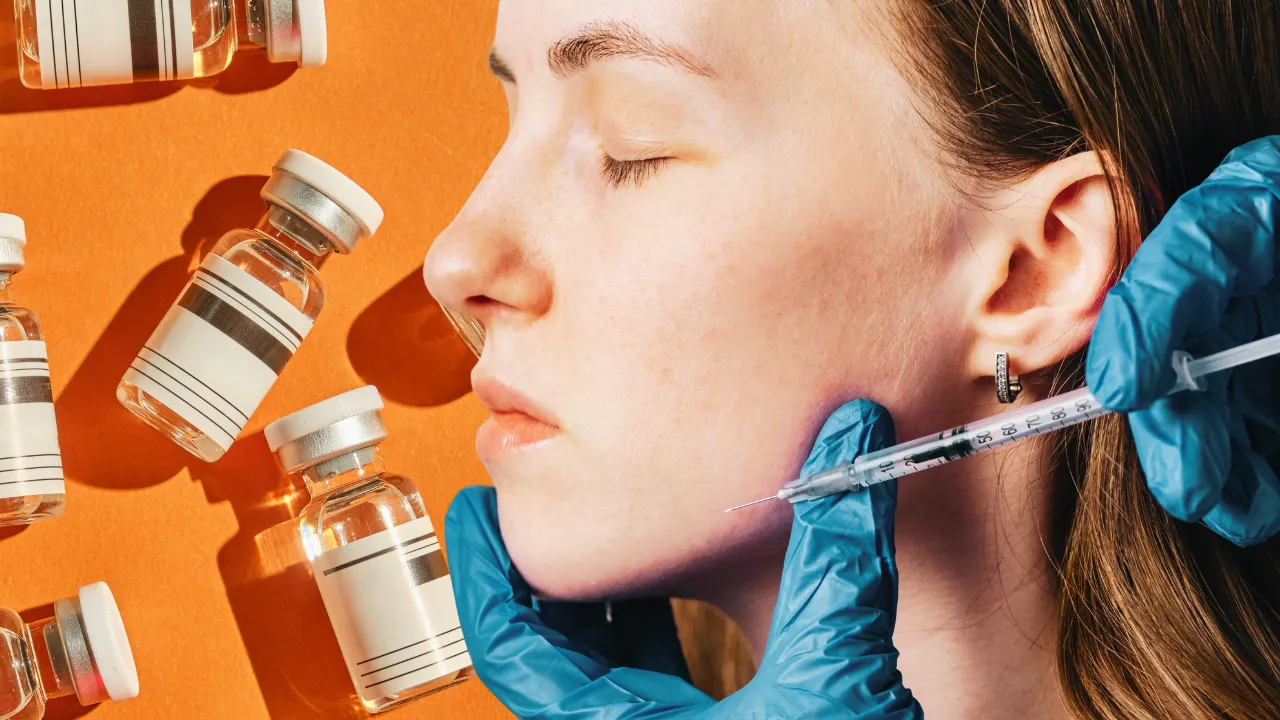
Aesthetic providers are reporting a notable uptick in group bookings specifically from workplace teams. These establishments are increasingly catering to this demand, often offering curated packages that include discounted treatments, dedicated lounge spaces for socializing, refreshments, and an overall environment conducive to networking and camaraderie, as highlighted by reports from Business Insider. For many, these appointments are seamlessly integrated into the workday. Some teams schedule their visits for immediately after work hours, while others strategically plan them during lunch breaks or even utilize the clinic’s comfortable lounge areas as impromptu co-working spaces before their treatments.
The core appeal of these gatherings often lies not solely in the cosmetic procedure itself, but in the shared social experience that surrounds it. The act of undergoing a treatment together, discussing the process, and recovering in a communal setting fosters a unique bond. What was once a deeply personal decision regarding one’s appearance is now becoming a shared conversation and a collective activity among colleagues, blurring the lines between personal choices and professional interactions. This integration reflects a broader societal trend where personal well-being and professional presentation are increasingly intertwined.

The Normalization of Aesthetic Enhancement in the Professional Sphere
The widespread acceptance and integration of aesthetic treatments into mainstream society, and particularly within professional circles, has accelerated dramatically in recent years. In 2024 alone, an estimated 10 million Americans underwent wrinkle-relaxing injectable treatments, such as Botox, according to industry data. This surge is not without its underlying justifications. Research has consistently indicated that professionals who are perceived as more polished or conventionally attractive may experience tangible advantages in their careers. Studies have suggested correlations between perceived attractiveness and higher compensation, more frequent promotions, and more favorable performance evaluations.
The pervasive influence of social media has played a pivotal role in demystifying and destigmatizing cosmetic procedures. Celebrities, influencers, and public figures have become increasingly transparent about their use of injectables and other aesthetic interventions, normalizing these practices for a wider audience. As a result, treatments like Botox and similar procedures carry significantly less social stigma than they did in previous decades. This increased visibility and open discussion have made these treatments more accessible and less intimidating for individuals considering them.
For a growing number of professionals, particularly those whose roles involve significant client interaction or public visibility, the distinction between maintaining a professional image and prioritizing personal wellness has become increasingly blurred. In industries where visual presentation is a key component of professional success, aesthetic treatments are transitioning from being viewed as exclusive luxury services to being considered a routine aspect of career maintenance and personal branding. This perception shift underscores a fundamental change in how professionals approach their overall presentation and self-care within the context of their careers.

The Shifting Sands of Workplace Culture: A Deeper Analysis
The burgeoning trend of "workplace Botox parties" is indicative of more profound shifts occurring within workplace culture than a mere fascination with cosmetic procedures. As the prevalence of hybrid and remote work models continues to reduce spontaneous in-person interactions within traditional office settings, employees are actively seeking out new avenues to foster connection and build rapport. This has led to a more personalized and voluntary approach to team-building, one that is increasingly aligned with the diverse interests and lifestyles of individual employees.
Rather than congregating around a bar or a communal lunch table, employees are now finding common ground and building connections through shared lifestyle choices and personal development activities. This includes a wide spectrum of interests, from fitness and nutrition to mental wellness and, increasingly, aesthetic enhancement. The trend highlights a growing desire among professionals to integrate their personal lives and interests more seamlessly into their work environment.
Furthermore, the rise of these practices underscores a significant evolution in how workplace identity is being shaped. Employees are bringing more of their personal experiences, concerns, and aspirations into professional settings, engaging in conversations that previous generations might have deemed too private for the workplace. Topics such as wellness routines, fitness aspirations, mental health awareness, dietary choices, and aesthetic treatments are becoming normalized components of workplace dialogue. This reflects a broader societal movement towards greater openness and authenticity in all aspects of life, including professional life.
The implications for employers are multifaceted. While the trend may appear harmless on the surface, it introduces a new layer of considerations for organizations. Unlike a traditional social outing or a company-sponsored fitness class, aesthetic treatments involve medical procedures and the disclosure of personal health information. Consequently, organizations that choose to sponsor or actively organize such events must exercise extreme caution regarding safety protocols, informed consent, and inclusivity. The medical nature of these procedures necessitates a level of diligence and responsibility that differs significantly from more conventional team-building activities.
The privacy concerns associated with medical information disclosed during these treatments are also a critical factor. This introduces potential risks and liabilities that are not present with more traditional, non-medical workplace events. As a result, many organizations may prudently decide that while encouraging employee well-being is paramount, direct sponsorship or organization of aesthetic experiences might be best left to employee-led initiatives, ensuring that the responsibility and associated risks remain with the individuals participating.
The Future of Work: A Landscape of Personalization
The emergence of "Botox bonding sessions" may initially strike some as unconventional, yet it serves as a potent indicator of a larger, transformative reality within the modern workplace. The future of work is increasingly characterized by a profound sense of individualism. Employees are not only seeking greater autonomy in designing their schedules and charting personalized career paths but are also actively pursuing social experiences that resonate with their unique interests, rather than adhering strictly to traditional corporate norms and expectations.

This same drive for personalization is now visibly shaping how colleagues connect and build relationships. The modern workplace is no longer solely defined by the physical location where individuals perform their duties. Instead, it is increasingly being molded by the evolving ways in which people forge connections, prioritize their well-being, and express their identities within a professional context.
For some teams, the time-honored tradition of meeting for drinks after work will undoubtedly persist, reflecting their established preferences and company culture. However, for an expanding segment of the workforce, the definition of collegial connection is broadening. This can manifest in diverse ways, from shared fitness challenges and mindfulness retreats to, for some, the unique experience of coordinating aesthetic treatments, perhaps even scheduling them between meetings. This adaptability and personalization signify a workplace that is more responsive to the multifaceted needs and desires of its people, fostering a more engaged, supportive, and ultimately, more human professional environment. The evolution of workplace bonding, from simple happy hours to sophisticated wellness-integrated social events, is a testament to this ongoing metamorphosis.