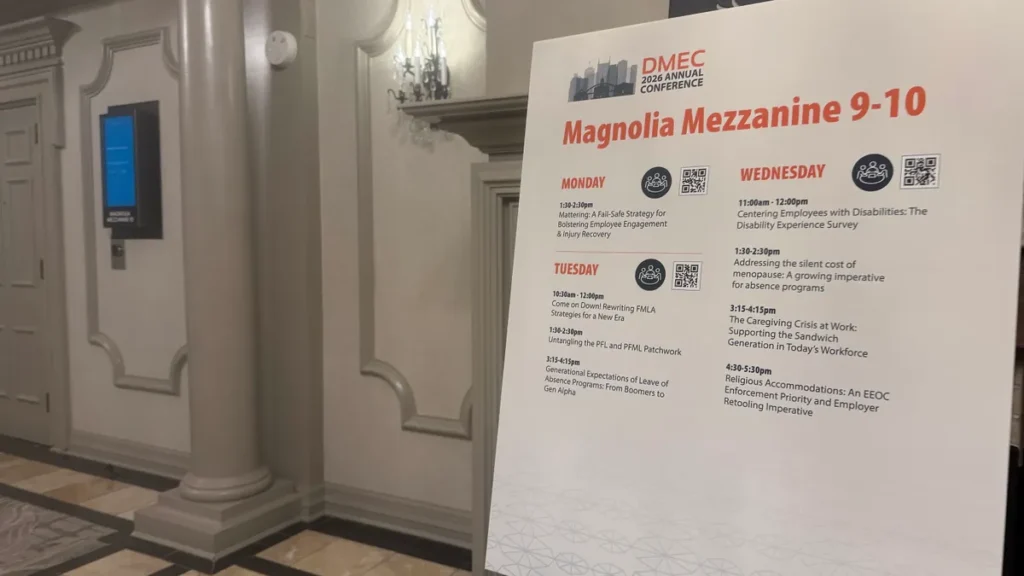
NASHVILLE, Tenn. – The multifaceted and often debilitating symptoms of menopause and perimenopause, ranging from the widely recognized hot flashes, night sweats, and irritability to the less common but equally disruptive itchy ears, are increasingly being recognized as critical workplace issues. Experts convened at the 2026 Disability Management Employer Coalition (DMEC) Annual Conference in Nashville, Tennessee, on Wednesday, August 6, 2026, to underscore the urgent need for employers to cultivate supportive cultures and implement practical accommodations for employees experiencing this significant life transition. The consensus among panelists was clear: menopause is not merely a health concern but a pressing workplace challenge that impacts productivity, talent retention, and overall employee well-being, particularly as women reach their peak professional and leadership years.
The Overlooked Reality of Menopause in the Workplace
The discussion at DMEC26 highlighted that the experience of menopause is highly individualized, with symptoms varying widely in intensity and duration, often lasting for many years. Sarah Egizio, a registered nurse affiliated with Carrot, a fertility benefits company, articulated the core challenge: “People experience menopause during their peak leadership and professional years. It’s important to support employees through menopause because it doesn’t only become a health issue, but it becomes a workplace issue as well.” This statement resonated deeply with attendees, emphasizing that ignoring menopause means overlooking a significant portion of the workforce at a critical stage in their careers.
Beyond the commonly cited hot flashes and night sweats, the panel detailed a broader spectrum of symptoms that can severely affect an employee’s ability to perform their job. These include brain fog, memory lapses, anxiety, depression, joint pain, migraines, sleep disturbances, and indeed, unusual sensations like itchy ears. The cumulative effect of these symptoms can lead to decreased concentration, reduced energy levels, increased stress, and a struggle to manage daily tasks, both personal and professional. Yet, despite its widespread impact – affecting roughly half of the global population at some point in their careers – conversations around menopause benefits and workplace support remain infrequent and often shrouded in silence, pointing to a significant gap in employer understanding and provision.
A Culture of Safety and Support: The Expert Call to Action
Central to the expert recommendations was the imperative to foster a workplace culture where employees feel safe to disclose their needs without fear of stigma or professional repercussions. Patty Borst, National Practice Leader of Total Absence Management at consultancy The Partners Group, stressed this foundational requirement: “First and foremost, we have to have a culture that fosters safety so that people feel safe to ask for the support that they need, and managers feel supported to being ready to provide that.” This sentiment was echoed by others, highlighting that psychological safety is the bedrock upon which effective support systems can be built.
Borst further elaborated on the critical role of management training. Managers, she argued, need not only awareness but also the specific skill sets to respond empathetically and effectively. Accai Bailey, Regional Absence Practice Leader at Guardian Life, reinforced this, asserting that employees should not bear the sole burden of initiating difficult conversations about their symptoms. Instead, managers should be equipped to "read between the lines" and recognize "key trigger words" that indicate an employee may be struggling. A sudden drop in performance, increased absenteeism, or changes in behavior could all be indicators that a worker is grappling with menopausal symptoms and requires support. This proactive approach by management, supported by comprehensive training, is crucial to de-stigmatizing menopause and ensuring that employees receive timely and appropriate assistance.
The Economic Imperative: Why Employers Can’t Afford to Ignore Menopause
The lack of adequate support for menopausal employees carries significant economic implications for businesses. Globally, an estimated 1.3 billion women will be postmenopausal by 2025. In the United States, roughly 6,000 women reach menopause each day, with the average age of onset around 51. Considering that perimenopause can begin as early as the late 30s or early 40s and last for several years, a substantial portion of the female workforce, often in senior and leadership roles, is navigating this transition.
Research consistently demonstrates the financial costs associated with unsupported menopausal employees. Studies have indicated that menopausal symptoms can lead to increased absenteeism, reduced productivity (presenteeism), and even early retirement. A 2023 survey by the Mayo Clinic found that 13% of women experiencing menopause symptoms had missed work, and 11% had experienced reduced productivity. Other reports suggest that the total annual cost to the U.S. economy from lost productivity and healthcare expenses related to menopause could be in the tens of billions of dollars. Investing in menopause support, therefore, is not merely a matter of corporate social responsibility but a strategic business decision that can enhance talent retention, improve diversity and inclusion metrics, boost morale, and ultimately, safeguard the bottom line. Employers who fail to address this issue risk losing experienced, highly skilled female employees at the peak of their professional contributions.
Leveraging Existing Benefits and Innovative Solutions
While dedicated menopause benefits are still emerging, experts at DMEC26 pointed out that many workers can already utilize existing benefits to manage their symptoms. These often include employee assistance programs (EAPs) for mental health support, flexible work arrangements, FMLA (Family and Medical Leave Act) for serious health conditions, and short-term disability. However, the effectiveness of these existing benefits often hinges on an employee’s willingness to disclose their condition and a manager’s understanding of how menopause fits into these frameworks.
The panel emphasized that employers can also offer flexibility on days when symptoms are extreme, such as allowing remote work, adjusting hours, or providing access to quieter workspaces. Beyond these general provisions, a growing number of forward-thinking companies are beginning to offer more targeted support. This includes specialized healthcare benefits covering hormone replacement therapy (HRT) and other treatments, access to menopause specialists, educational resources for employees and managers, and dedicated "menopause champions" or support networks within the organization. Companies like Carrot, represented by Sarah Egizio, are at the forefront of integrating comprehensive women’s health benefits, including menopause care, into their offerings, recognizing the holistic needs of their employees.
A Shifting Legal Landscape: State-Level Mandates and Future Prospects
The absence of comprehensive federal regulations specifically addressing menopause in the workplace has prompted states to take independent action. In a landmark move last year (2025, according to the article’s timeline), Rhode Island became the first state to mandate workplace accommodations for workers and candidates experiencing menopause or related conditions. This legislation marked a significant shift, legally recognizing menopause as a condition requiring employer consideration similar to other medical conditions.

Since Rhode Island’s pioneering law, other states have begun to follow suit, signaling a growing legislative trend. While the article does not specify which other states, this movement reflects increasing advocacy and awareness, pushing for menopause to be treated with the same seriousness as other health conditions that impact employment. These state-level mandates often require employers to engage in an interactive process with employees to determine reasonable accommodations, which could include flexible scheduling, modified duties, temperature control in workspaces, or access to private rest areas.
Looking globally, countries like the United Kingdom have been significantly more advanced in their discourse and policy development around menopause. The UK has seen parliamentary inquiries, detailed guidance from bodies like the Advisory, Conciliation and Arbitration Service (ACAS), and a growing number of employers implementing specific menopause policies. This international precedent suggests that the U.S. could see a more rapid acceleration of legislative and corporate action in the coming years, driven by both employee advocacy and a clearer understanding of the business case for support.
Beyond Symptoms: Addressing the Broader Well-being Spectrum
The impact of menopause extends beyond physical discomfort, significantly affecting mental and emotional well-being. The panel discussions at DMEC26 implicitly highlighted the need for a holistic approach to employee support. Cognitive symptoms like "brain fog" and memory issues can undermine an employee’s confidence and performance, while increased anxiety and depression can lead to burnout and disengagement. These psychological impacts are often exacerbated by the stigma surrounding menopause, which can make employees reluctant to seek help or disclose their struggles.
Employers, therefore, must consider how their overall well-being strategies can be adapted to support menopausal employees. This includes promoting mental health resources, offering stress management programs, and fostering an inclusive environment where open conversations about health are normalized. Access to counseling, peer support groups, and educational workshops can empower employees to navigate their symptoms more effectively and reduce feelings of isolation.
The Role of Leadership and HR: Driving Cultural Change
The shift towards menopause-inclusive workplaces requires commitment from the highest levels of leadership and strategic implementation by human resources departments. Leaders must visibly champion the cause, signaling that menopause is a legitimate workplace issue worthy of attention and resources. This includes advocating for policy changes, allocating budgets for training and benefits, and fostering a culture of empathy and understanding.
HR professionals are instrumental in translating this commitment into actionable strategies. Their responsibilities include developing and communicating clear menopause policies, ensuring managers receive appropriate training, reviewing existing benefits for applicability, and exploring new benefit offerings. They also play a crucial role in data collection, assessing the needs of their workforce, and measuring the impact of implemented programs. By taking a proactive and strategic approach, HR can transform the workplace experience for menopausal employees, turning a potential liability into a significant strength.

DMEC26: A Platform for Progress in Disability Management
The Disability Management Employer Coalition (DMEC) Annual Conference serves as a vital platform for employers, HR professionals, and benefits providers to discuss best practices in absence and disability management. The inclusion of a session dedicated to menopause at DMEC26 underscores the growing recognition of this topic as a significant component of employee well-being and a factor in workplace productivity and retention. DMEC’s mission focuses on providing employers with the tools and information needed to manage employee absence, disability, and productivity effectively. By bringing menopause into this discourse, the conference highlighted its intersection with traditional disability management, FMLA, and accommodation strategies, signaling a broader, more inclusive approach to supporting diverse employee needs. The conference typically attracts thousands of attendees, making it an influential forum for disseminating new ideas and driving industry trends.
The Path Forward: Creating Menopause-Inclusive Workplaces
The insights shared at DMEC26 paint a clear picture: the time for workplaces to address menopause explicitly and comprehensively is now. The aging workforce, coupled with increasing female participation in leadership roles, makes this an undeniable demographic and business reality. Creating menopause-inclusive workplaces requires a multi-pronged approach: cultivating a culture of safety and open dialogue, providing comprehensive manager training, leveraging and enhancing existing benefits, exploring specialized support programs, and advocating for and adapting to evolving legislative mandates.
Ultimately, supporting employees through menopause is not just about compliance or mitigating risk; it is about fostering an equitable, supportive, and productive environment where all employees, regardless of their life stage, can thrive. By embracing this challenge, employers can unlock the full potential of their workforce, retain invaluable talent, and build a reputation as truly inclusive and forward-thinking organizations. The journey towards comprehensive menopause support in the workplace has just begun, but events like DMEC26 are crucial in paving the way for a more understanding and accommodating future.