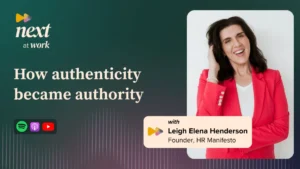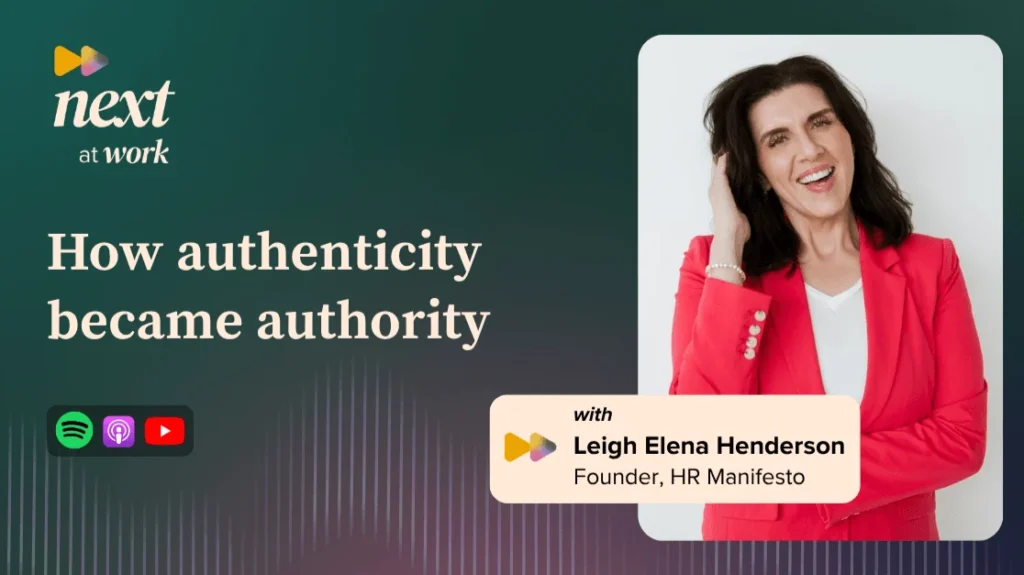
The contemporary corporate landscape presents a complex tapestry of challenges for Human Resources and talent acquisition professionals. Despite significant investments in expertise, many organizations struggle to leverage their HR functions effectively, often sidelining data-driven insights in favor of instinct or short-sighted directives. This systemic issue, alongside the evolving role of artificial intelligence and the pervasive problem of leadership burnout, forms the crux of critical discussions within the industry. Leigh Elena Henderson, a seasoned HR executive turned influential social media voice, has emerged as a leading authority dissecting these dynamics. Through her platform, HR Manifesto, and recent appearance on Workable’s "Next at Work" podcast, Henderson offers unfiltered perspectives and actionable strategies to address these deeply entrenched problems.
The Genesis of an Unfiltered Voice: Leigh Elena Henderson’s Journey
Leigh Elena Henderson’s journey from a high-flying HR executive in Fortune 100 companies to a prominent social media figure with nearly two million followers is as compelling as it is illustrative of the very issues she addresses. With nearly two decades of experience, including stints at industry giants like GE Aviation and Lockheed Martin, Henderson accumulated extensive knowledge in human capital management. Her career trajectory, marked by significant roles where she supported large, complex organizations, provided her with an intimate understanding of corporate dynamics, particularly the often-strained relationship between HR expertise and executive decision-making.
However, her corporate tenure came to an unexpected halt in 2020 when she was terminated from a startup role. In her own candid assessment, she attributed this to being "smarter than the founder"—a statement that encapsulates the frustration many HR professionals feel when their strategic insights are undervalued or overridden. This pivotal moment, rather than leading to retreat, spurred a radical redirection. In June 2021, Henderson embarked on a new path, downloading TikTok as a creative outlet. Initially intending to test content for a forthcoming book, her authentic, no-holds-barred commentary on corporate toxicity, leadership failures, and the realities of the workplace quickly resonated with a broad audience. What began as an experiment rapidly went viral, laying the foundation for HR Manifesto.
HR Manifesto quickly distinguished itself by offering an unfiltered narrative often absent from mainstream HR discourse. Henderson’s candid stories, humor, and willingness to confront uncomfortable truths about corporate culture attracted a massive following. Her mission, she states, is to build a supportive community and empower individuals to navigate their careers without feeling isolated in their struggles with toxic environments. Her forthcoming book, "Workable: Leave Toxicity Behind and Build a Career That Works for You," scheduled for publication through HarperCollins on January 19, 2027, is a direct response to the thousands of direct messages she received asking for practical guidance on escaping unhealthy workplaces. This chronology underscores a significant shift in how HR insights are consumed, moving from traditional corporate channels to more accessible, authentic digital platforms.
The Core Problem: A Crisis of Trust in HR Leadership
Brendan Jeannetti, host of "Next at Work," directly probed Henderson on the most damaging issue facing HR and talent acquisition today. Her unequivocal answer points to a profound "absence of trust." This isn’t a scarcity of HR professionals, but rather a pervasive lack of belief in their competence and strategic value by executive leadership. This sentiment echoes a long-standing challenge for the HR function: to transcend its traditional administrative and compliance-focused image and be recognized as a true strategic partner.
Insight 1: Expertise Without Authority – The Detrimental Impact
Henderson vividly describes a recurring pattern observed throughout her two decades in major corporations: executive leaders and C-suite decision-makers often fail to grant HR and talent acquisition the respect due to specialized fields. Despite HR professionals possessing advanced degrees, extensive training, and employing scientific rigor in their methodologies, their contributions are frequently reduced to "pizza parties and paperwork" in the eyes of senior management. This dismissive perception creates an environment where expert judgment is routinely overridden on critical matters ranging from process improvements to budget allocations and strategic planning, even when compelling data suggests otherwise.
A recruiter might present analytics demonstrating the efficacy of a particular sourcing strategy, only to see it ignored in favor of a hiring manager’s "gut feeling." A talent leader could propose an evidence-backed interview framework, developed over months, only to face resistance from executives who lack direct involvement and cannot articulate a coherent rationale for their pushback. Such patterns are endemic across industries, stifling innovation and impeding organizational progress. A 2022 survey by the HR Research Institute, for instance, found that only 34% of HR leaders believe their executive teams fully understand the strategic value of HR. This data point underscores the chasm between HR’s self-perception and its perceived value by top management.
The Real Cost of Distrust: The implications of this trust deficit are far-reaching and financially significant. When leaders do not trust their HR and TA teams, they withhold essential resources—budget, autonomy, and support—that are vital for these teams to execute their mandates effectively. This creates a dual problem: first, potentially transformative ideas and strategies are never implemented, leading to missed opportunities for organizational growth and efficiency. Second, the most capable HR and TA professionals experience severe burnout, constantly battling for credibility instead of focusing on their core responsibilities. Over time, this exhaustion leads to attrition among top talent, leaving behind a predominantly compliance-focused HR function rather than a strategic one. The direct consequence is a decline in hiring quality, increased employee turnover, and ultimately, a negative impact on the organization’s bottom line. For example, the cost of replacing an employee can range from 50% to 200% of their annual salary, a burden compounded by poor hiring practices stemming from an undervalued HR function.
Strategies for Rebuilding Trust and Authority: Henderson offers practical steps to counteract this pervasive issue:
- Visibility of Wins: HR and TA teams must proactively highlight their successes. Whether it’s reduced attrition rates, improved hire quality, or faster time-to-hire, these achievements must be explicitly named and linked to business outcomes for leadership. The assumption that leaders will connect the dots independently is often erroneous.
- Clarity on Decision-Making: It is crucial to delineate who makes decisions versus who executes them. For instance, clarifying that HR provides guidance and enforces policy, while a manager’s boss requests a termination, ensures leadership understands the boundaries of HR’s role and prevents them from being scapegoated.
- Building Cross-Functional Coalitions: Henderson advocates for seeking allies outside the HR department. By involving partners from product, finance, or operations in discussions about workforce needs, HR can leverage external voices that executive leaders may perceive as more credible or less biased. This strategy shifts the perception of HR’s initiatives from departmental requests to broader organizational imperatives.
Insight 2: AI as a Capacity Tool, Not a Replacement Strategy
The advent of Artificial Intelligence has introduced a new layer of complexity and opportunity within HR. Henderson acknowledges AI’s transformative potential but cautions against common pitfalls, positioning it as a capacity tool rather than a wholesale replacement for human functions.
The Trap of Misguided AI Adoption: Henderson identifies two primary misconceptions surrounding AI in HR. The first is the overly ambitious belief that AI can entirely replace substantial HR functions, a notion she dismisses as ultimately regrettable. The second, more common trap, involves organizations adopting AI tools without simultaneously streamlining or eliminating existing processes. This results in recruiters, for example, using a new AI tool in addition to manually updating old systems and managing both simultaneously. This approach, Henderson argues, is not innovation but rather an exacerbation of workload, leading to "doubling down on busy." A 2023 report by Gartner indicated that while 70% of HR leaders plan to invest in AI, only a fraction have a clear strategy for integrating it without adding complexity.
Henderson’s Framework: Adoption Plus Removal: To truly harness AI’s benefits, Henderson proposes a simple yet powerful framework: "adoption plus removal." This mandates that whenever a new AI tool is introduced, organizations must explicitly identify and eliminate existing processes, manual tasks, or outdated workflows. This ruthless approach to optimization ensures that AI genuinely creates capacity rather than merely adding another layer of technology to an already overburdened system. This strategy is particularly vital for lean HR teams or individuals managing disproportionately heavy workloads, enabling them to achieve more with intelligent support.
The Strategic Imperative of Capacity Creation: AI tools only deliver a return on investment if they generate capacity. The critical "audit step"—identifying what existing practices are truly worth retaining—is often overlooked. This audit provides an invaluable opportunity for HR leaders to act as agents of change, challenging long-standing, inefficient practices. By visibly demonstrating how new tools allow for the elimination of old tasks, HR can model effective innovation for the entire organization, potentially inspiring other departments to adopt similar strategies. This approach transforms HR from a cost center into a strategic driver of efficiency and modernization.
Practical Steps for Effective AI Integration:
- Pre-Purchase Audit: Before investing in any new AI tool, teams should dedicate a week to meticulously documenting all current activities. This involves listing every manual process, report generation, and bottleneck. The subsequent question should be: "What can we definitively eliminate with better tools?"
- Visible Removal to Leadership: When a new tool is implemented, the announcement should not only highlight its capabilities but also explicitly detail what it replaces. Showcasing the "before-and-after" demonstrates tangible value—fewer steps, faster outcomes—which resonates strongly with leadership focused on efficiency.
- Specific Value Proposition: Henderson advises clarity on AI’s actual utility. She sees its strength in ideation (identifying trending topics), analytics, and administrative tasks like travel planning. AI should be leveraged to surface trends and manage routine administration, not to supersede human judgment in critical decision-making processes where nuance and empathy are paramount.
Insight 3: Burned-Out Leaders Burn Out Their Teams
The conversation then pivots to the critical issue of leadership well-being and its profound impact on organizational health. Henderson emphasizes that sustainable leadership is not merely a personal preference but a strategic imperative.
Defining Sustainable Leadership and Personal Recovery: Henderson’s personal experience underscores the importance of boundaries. After two decades of prioritizing corporate demands, she found herself sacrificing personal passions like playing the violin and choir. Her forced exit from corporate life became an unexpected catalyst for discovering the power of boundaries and the concept of "recovery." She now explicitly prioritizes R&R, self-care, adequate sleep, and eustress (positive, growth-oriented stress) over the chronic, debilitating distress that characterized her earlier career.
Her insight is clear: sustainable leadership requires intentional boundary setting. Leaders who succumb to the pressure of taking every call and saying yes to every request not only jeopardize their own well-being but also set an unsustainable precedent for their teams. Ironically, Henderson notes that the most effective leaders she has encountered are not those who are perpetually "on" but those who actively protect time for their people to recover and innovate. A recent study by Deloitte found that 77% of executives have experienced burnout at their current job, with significant consequences for their teams and organizations.
The Long-Term Cost of Neglecting Recovery: The neglect of personal and team recovery carries significant long-term costs. Recovery is not a luxury; it is a fundamental human need, particularly for neurodivergent individuals (Henderson openly shares her ADHD diagnosis) who require dedicated time for regulation and reset. However, even neurotypical leaders require this crucial downtime. When leaders fail to model and protect boundaries, they implicitly communicate that boundaries are inconsequential. This creates a culture where teams feel compelled to work at an unsustainable pace, leading to widespread burnout. Within a few years, the organization’s best and most capable employees depart, leaving behind a workforce that may feel trapped or unaware of healthier alternatives. The strategic opportunity here is for leaders to visibly demonstrate what sustainable leadership entails, showing their teams that excellence does not necessitate sacrificing personal well-being.
Strategies for Protecting Well-being and Modeling Recovery:
- Personalized Recovery Definition: Leaders must first identify what recovery truly means for them. This could be solitude, creative pursuits, family time, or complete disconnection. Once identified, these needs must be scheduled and protected with the same rigor as critical client meetings.
- Visible Boundary Setting: Henderson intentionally and openly protects her calendar and personal time. When teams observe their leaders actively upholding the boundaries they advocate for, it normalizes and legitimizes similar practices for all employees. This visible commitment transforms abstract concepts of work-life balance into tangible, permissible actions.
- Challenging the "Busy" Status Quo: The glorification of "busy" as a status symbol is a dangerous cultural artifact. Henderson asserts that constant stress, as opposed to manageable challenge, is a critical warning sign. Leaders must critically assess their approach when stress becomes chronic, considering adjustments in hiring, delegation, or scope. The message is clear: something must give to prevent catastrophic burnout.
Leigh’s Unfiltered Take: The Indispensability of Authenticity in Modern Leadership
Beyond the tactical insights, Henderson’s success with HR Manifesto underscores a profound shift in leadership and communication—the imperative of authenticity. For two decades in corporate environments, Henderson, like countless others, learned to filter her voice, personality, and genuine thoughts to conform to professional expectations. This meant muting her natural way of speaking, suppressing colorful language, and minimizing expressive facial gestures.
However, upon entering the social media sphere, she deliberately shed these filters. She spoke unscripted, ad-libbed, and with all the raw, genuine expression that had been previously suppressed. The result was transformative: she connected with an audience of nearly two million people who were fatigued by polished, corporate-speak LinkedIn posts. They craved genuine human connection and unfiltered truth.
Henderson’s concluding take is a powerful one: the leaders and HR professionals who will truly make an impact in the coming years are those willing to embrace authenticity, even when it carries inherent risks. While filtered leadership might offer a semblance of safety and predictability, it is authentic leadership that possesses the power to genuinely drive change, foster trust, and build resilient, engaged workforces. This aligns with broader societal trends where transparency and genuineness are increasingly valued over curated corporate facades.
Broader Implications for the Future of Work
Leigh Elena Henderson’s insights, delivered with her characteristic blend of candor and experience, offer a vital roadmap for HR professionals and organizational leaders navigating the complexities of the modern workplace. The crisis of trust in HR is not merely an internal departmental issue but a fundamental barrier to strategic execution and organizational agility. By actively working to demonstrate value, clarify roles, and build cross-functional support, HR can begin to reclaim its rightful place as a strategic partner.
Furthermore, the intelligent integration of AI, guided by the principle of "adoption plus removal," is critical for creating efficiencies and freeing up HR professionals to focus on higher-value, human-centric tasks. Without this disciplined approach, AI risks becoming another layer of complexity rather than a genuine enabler of progress. Finally, the emphasis on sustainable leadership and personal well-being transcends individual self-care; it is a foundational element of building resilient, high-performing teams and fostering a positive organizational culture. Leaders who champion boundaries and model recovery are not just protecting themselves but are actively investing in the long-term health and productivity of their entire workforce.
In an era demanding adaptability, transparency, and genuine human connection, Henderson’s call for authenticity in leadership is perhaps the most salient. Her journey and her message serve as a powerful reminder that real change often begins when individuals dare to speak their truth and empower others to do the same.
Listen & Connect
The full "Next at Work" episode featuring Leigh Elena Henderson is available on Apple Podcasts, Spotify, and YouTube. The podcast is produced by Workable, an all-in-one talent platform designed to streamline hiring and people management. Workable integrates recruiting tools (ATS, sourcing, HRIS, interview management), employee administration, time-off tracking, and payroll preparation, all enhanced by AI capabilities, serving over 30,000 companies across more than 100 countries.
Leigh Elena Henderson can be found as @hrmanifesto on TikTok, Instagram, and LinkedIn, where she continues to cultivate a community dedicated to navigating and improving the workplace experience. Her highly anticipated book, "Workable: Leave Toxicity Behind and Build a Career That Works for You," will be released on January 19, 2027, through HarperCollins, offering practical guidance for those seeking to transform their careers.