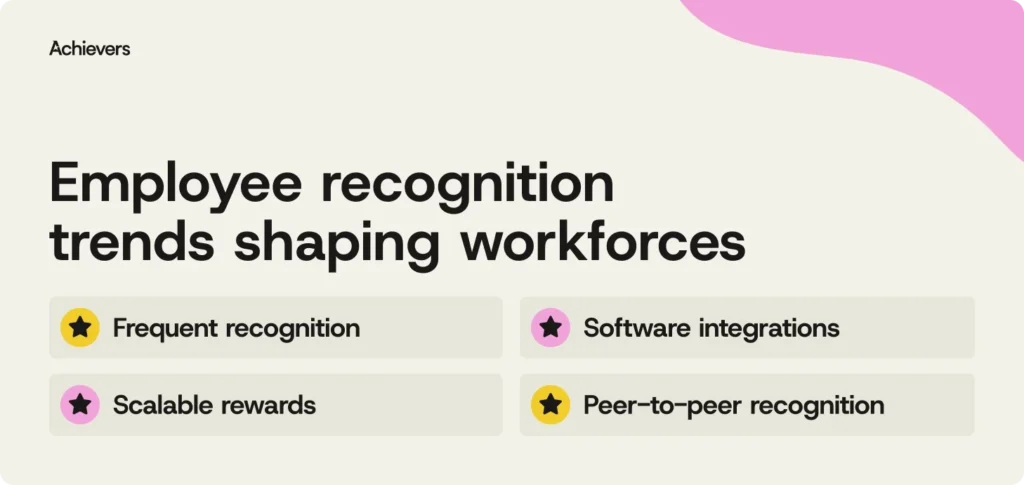
The landscape of employee engagement has undergone a profound transformation, moving far beyond the traditional notions of remuneration and sporadic appreciation. Today’s workforce demands more than just a paycheck; they seek to be genuinely seen, consistently acknowledged, and valued for the specific impact they create within their organizations. This fundamental shift underscores a critical reality for businesses globally: effective employee recognition is no longer a luxury but a strategic imperative for fostering engagement, building trust, and ensuring long-term talent retention.
The Shifting Landscape of Work and the Imperative for Recognition
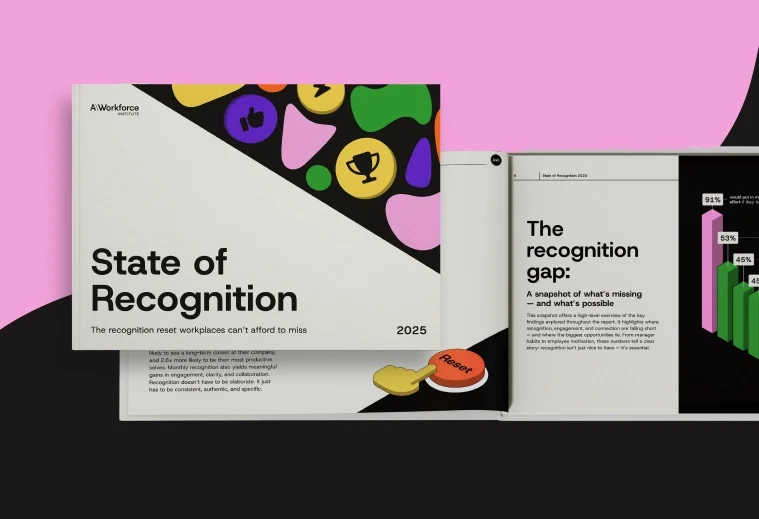
The past few years, marked by unprecedented global events, have profoundly reshaped the employer-employee relationship. The rise of remote and hybrid work models, coupled with a heightened focus on mental well-being and work-life integration, has necessitated a re-evaluation of how organizations connect with and motivate their people. In this evolving environment, traditional annual reviews and occasional commendations are proving increasingly insufficient. Research from the 2026 State of Employee Recognition Report by the Achievers Workforce Institute (AWI) starkly illustrates this gap, revealing that a mere 17% of employees report receiving weekly recognition. This infrequent acknowledgment has tangible consequences, directly correlating with declines in employee engagement, trust, and ultimately, the desire to remain with a company. Conversely, the report highlights a compelling benefit: employees who experience meaningful weekly recognition are an astounding nine times more likely to report a strong sense of belonging and are more than twice as likely to be performing at their peak potential. This data emphatically positions recognition, when executed thoughtfully and consistently, as a cornerstone for strengthening organizational culture, reinforcing core values, and driving tangible results from within.
The strategic importance of recognition has escalated amidst what many economic analysts refer to as the "Great Reevaluation" of work, where employees are increasingly prioritizing purpose, psychological safety, and a sense of contribution over purely financial incentives. Companies that fail to adapt their recognition strategies risk not only losing valuable talent but also struggling to attract new skilled professionals in a competitive market. The trends emerging in 2026 offer a clear roadmap for organizations to turn these insights into actionable strategies, thereby cultivating environments where appreciation is embedded into the daily fabric of work.
Eight Pillars of Modern Recognition in 2026
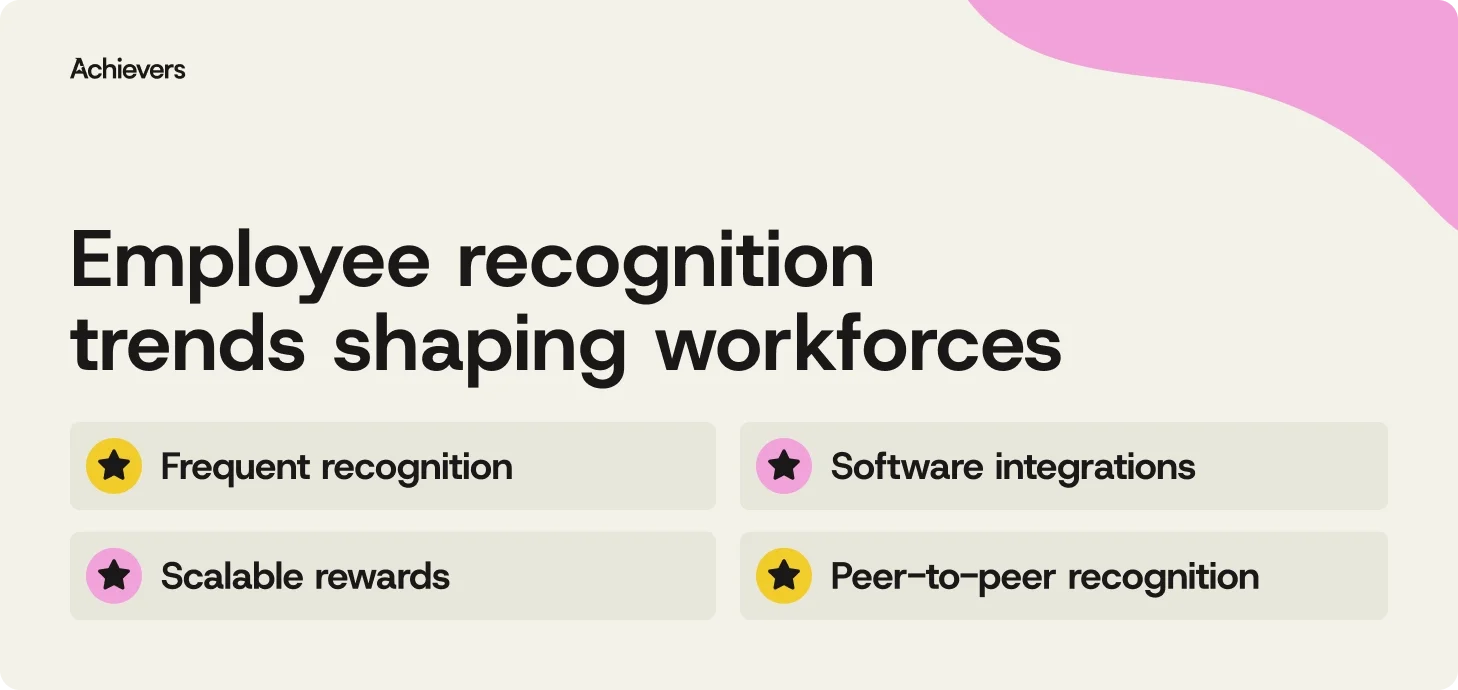
The current year is witnessing several critical shifts in employee recognition practices, moving away from outdated models towards more dynamic, personalized, and integrated approaches.

1. Frequent Employee Recognition: Beyond Annual Reviews
The era of annual performance reviews being the sole moment for acknowledging contributions is unequivocally over. Employees are no longer content to wait for yearly praise; in 2026, regular recognition has transitioned from an aspirational goal to an explicit expectation. This shift is not merely about celebrating major achievements but also embracing "micro-recognition" – the consistent acknowledgment of daily contributions, swift accomplishments, and incremental progress in real-time. These smaller, frequent moments coalesce to forge a pervasive culture where appreciation is a visible, ongoing phenomenon. AWI research underscores the tangible benefits, indicating that employees recognized weekly are 2.6 times more likely to be their most productive selves. This proactive approach to recognition fosters a continuous feedback loop, reinforcing desired behaviors and creating a more engaged and motivated workforce. Organizations are achieving this by integrating quick, informal shout-outs into team meetings, utilizing instant messaging platforms for peer praise, and embedding simple recognition prompts within daily workflows.
2. Personal and Purposeful Recognition: The Power of Specificity
The generic "great job" has lost its impact. Today’s employees seek specificity, desiring to understand precisely what they did well and, crucially, why it mattered to the team or organization. This demand for detailed feedback transforms recognition into a powerful reinforcement tool. Specific, thoughtful commendation not only validates an employee’s effort but also clearly delineates the behaviors and contributions that align with organizational goals. This clarity makes it significantly more likely for those positive actions to be repeated, embedding best practices throughout the company. To cultivate this habit of meaningful recognition, leaders are encouraged to tie recognition to specific projects or tasks, highlight the impact of the contribution on business outcomes or team morale, and use descriptive language that genuinely reflects the effort involved. This moves recognition from a perfunctory gesture to a substantive act of appreciation that builds individual understanding and organizational alignment.
3. Integrating Recognition into Tech Stacks: Seamless Appreciation
One of the most significant operational shifts in 2026 is the seamless integration of recognition programs into existing technological ecosystems. No longer residing in isolated platforms requiring separate logins, recognition is now happening within the applications and tools employees already utilize daily. When appreciation becomes an intrinsic part of how employees work and interact with their essential programs, it naturally evolves into second nature. Leading companies are achieving this by embedding recognition features directly into communication platforms like Slack or Microsoft Teams, linking recognition to project management software, and ensuring that recognition modules are part of their overarching HR information systems. This reduces friction, enhances visibility, and encourages spontaneous acts of appreciation, transforming recognition from an administrative task into an organic element of workplace interaction.
4. Offering Scalable, Personalized Rewards: Beyond the Branded Mug
The era of one-size-fits-all rewards, such as branded merchandise, is rapidly receding. In 2026, the essence of effective rewards lies in personalization. What motivates one employee may be entirely irrelevant to another, and the goal is to offer choices that genuinely resonate. Organizations are moving towards flexible reward systems that allow employees to select items or experiences that hold personal value. This includes offering points-based systems redeemable for a diverse catalog of goods, experiences, gift cards, or even charitable donations. Personalized rewards are particularly vital for supporting diverse workforces, including remote and global teams, by providing the flexibility to choose meaningful incentives regardless of geographic location or individual preferences. This approach demonstrates a deeper understanding of employee needs and fosters a greater sense of appreciation.
5. Adopting an Accessible Employee Recognition Platform: Inclusion for All
An employee recognition program’s true effectiveness is measured by its inclusivity. If recognition tools are only viable for office-based employees, they inherently fail to serve a significant portion of the modern workforce. Contemporary recognition platforms are explicitly designed for universal accessibility, supporting employees across all devices, locations, and languages. This means prioritizing platforms with mobile-first designs, multi-language support, and intuitive interfaces that cater to varying levels of tech proficiency. Critically, this ensures that frontline workers, deskless employees, and those in manufacturing or service industries – often overlooked by traditional programs – are fully integrated into the recognition ecosystem. Accessible platforms champion equity, ensuring every employee feels seen and valued, thereby fostering a unified and inclusive company culture.
6. Peer-to-Peer Recognition: Cultivating Community and Belonging
The power of recognition extends beyond management; peer-to-peer appreciation is emerging as a cornerstone of strong organizational cultures. When colleagues acknowledge each other’s efforts, it significantly strengthens interpersonal connections, elevates team morale, and reinforces shared values organically across departments. AWI research confirms this, revealing that employees regularly recognized by their peers are 33% more likely to report a strong sense of belonging. This form of recognition democratizes appreciation, empowering every team member to contribute to a positive and supportive work environment. To foster this, companies are implementing user-friendly peer recognition tools, encouraging public shout-outs in team forums, and integrating peer-nominated awards. This cultivates a sense of collective ownership over company culture and reinforces the idea that every contribution, regardless of hierarchy, is valuable.
7. Promoting the Company’s Employee Recognition Program: An Internal Campaign
Even the most meticulously designed recognition program will falter without proper promotion and consistent visibility. If employees are unaware of its existence, unsure how to use it, or fail to grasp its significance, engagement inevitably suffers. The solution lies in treating the recognition program as an internal marketing campaign. AWI research consistently demonstrates a direct correlation between recognition frequency and improved performance, retention, and belonging, but only when employees actively utilize the platform. Effective companies proactively communicate the program’s benefits, provide clear instructions for use, and integrate reminders into internal communications. Crucially, when leadership actively participates and models recognition behavior, it sets a powerful precedent, encouraging widespread adoption and embedding appreciation as a core organizational value. This visibility ensures that recognition becomes an integral, rather than peripheral, aspect of the workplace experience.
8. Using Recognition Data to Drive Decisions: Informed Talent Strategies
In 2026, employee recognition is not just about sentiment; it’s a rich source of actionable data. Leading organizations are leveraging advanced analytics to track recognition frequency, identify recognition sources (manager vs. peer), and compare trends across various demographics and teams. These insights are then shared with leaders to inform comprehensive talent strategies, from succession planning to targeted development initiatives. AWI’s 2026 Engagement and Retention Report highlights the profound impact of this data, revealing that employees who feel appreciated are 17 times more likely to envision a long-term career with their company. This makes recognition data an indispensable component of robust engagement and retention efforts. To maximize data utility, organizations are investing in analytics dashboards that offer real-time insights, training leaders to interpret and act upon these metrics, and integrating recognition data with other HR data points to form a holistic view of the employee experience. This data-driven approach transforms recognition from a feel-good initiative into a strategic tool for organizational growth.
Technological Imperatives: The Future of Engagement Platforms
The rapid evolution of technology continues to reshape how organizations approach employee engagement, with several key trends pointing towards a more intelligent, integrated, and proactive future.
1. AI in Employee Engagement Technology: Augmenting Human Connection
Artificial intelligence is emerging not as a replacement for human interaction but as a powerful enabler, streamlining and enhancing employee engagement processes. In 2026, AI tools are making it easier for employees to recognize peers and for leaders to gain deeper insights into employee sentiment and engagement data. The 2026 State of Employee Recognition Report indicates early momentum, with 14% of employees already reporting that AI tools simplify recognition for managers or peers. This suggests that AI’s role is primarily behind-the-scenes, facilitating more consistent and less frictionless engagement. Adoption rates, as highlighted by IBM, are significantly higher (34% more often) when engagement is purposefully built into technological transformations. Looking ahead, AI is poised to play an increasingly sophisticated role in identifying recognition opportunities, personalizing feedback suggestions, and providing predictive analytics on engagement levels, all while augmenting, rather than diminishing, genuine human connection.
2. Analytics and Data as Engagement Signals: Real-Time Insights
The sheer volume of engagement data—from recognition activity to feedback patterns—offers unparalleled insights into the employee experience over time. This information illuminates levels of connection, participation, and overall engagement across diverse teams and roles. As analytics platforms become more intuitive and easier to interpret, engagement data is transcending its role as a mere reporting tool used at fixed intervals. It is increasingly being leveraged in real-time to inform and justify critical decisions related to culture, performance management, and retention strategies. This proactive use of data allows organizations to identify potential issues early, measure the effectiveness of interventions, and continually refine their approach to employee well-being and productivity.
3. Employee Development Through Ongoing Engagement: Growth in Real-Time
Employee development is no longer confined to formal training programs or annual review cycles. As roles evolve rapidly and employees seek continuous skill building, development is becoming an ongoing process integrated into daily work. Recognition and feedback, when delivered in the moment, serve as powerful tools to highlight strengths, emerging skills, and specific contributions, offering employees a clearer understanding of their growth trajectories. Engagement technology will increasingly support this by providing visual representations of progress over time, facilitating more meaningful development conversations throughout the year, and moving beyond the limitations of traditional, infrequent formal reviews. This shift fosters a culture of continuous learning and growth, aligning individual development with organizational needs.
4. Wellbeing and Psychological Safety at Work: Foundation of a Thriving Culture
The focus on employee well-being and psychological safety has intensified, with employees paying closer attention to how supported and secure they feel in their workplaces. Feeling recognized and appreciated plays a pivotal role in this perception. AWI research indicates that 24% of employees believe recognition would significantly boost their confidence during periods of organizational change. Moving forward, engagement technology will be more deliberately utilized to reinforce well-being through regular, everyday interactions. Recognition and feedback mechanisms will help organizations detect early indicators of stress or disengagement and actively promote positive behaviors that cultivate trust and inclusion. These tools are set to play a larger, more integrated role in shaping the perception of support and psychological safety as an inherent part of the normal work experience.
5. Continuous Feedback and Engagement: The Natural Flow of Communication
The demand for continuous feedback is growing as employees seek real-time clarity and direction in their roles. Engagement technology is instrumental in facilitating this, enabling the sharing of recognition and constructive feedback precisely when work is happening. This immediate feedback helps employees understand what is working well, where they are making an impact, and areas for improvement, all in the context of ongoing projects. Feedback is evolving to feel more natural and integrated into daily workflows, moving away from formal, structured review cycles. Engagement software tools will continue to support lightweight, frequent feedback loops throughout the year, ensuring teams remain aligned and agile as priorities shift. This makes feedback an organic, continuous conversation rather than a periodic event.
Strategic Imperatives: Moving Beyond Transactional Rewards
The trends shaping employee recognition in 2026 are fundamentally about creating workplaces where individuals feel genuinely seen, deeply supported, and intrinsically connected to a larger purpose. This transcends the transactional exchange of labor for wages, moving towards a relational model where mutual respect and appreciation are paramount. When recognition is delivered consistently, feels personal, and is effortless to administer, its impact extends far beyond mere morale. It directly fuels enhanced performance, cultivates profound trust, and cements long-term loyalty, significantly reducing attrition rates and fostering a stable, experienced workforce.
For organizations navigating this complex but rewarding shift, the good news is that they do not need to embark on this journey alone. Platforms like Achievers are specifically engineered to operationalize these modern recognition trends, providing the necessary tools, insightful analytics, and dedicated support to cultivate a vibrant culture of appreciation that endures. Such platforms facilitate frequent recognition, offer meaningful and personalized rewards, and create experiences that feel authentic and impactful, rather than superficial. By connecting employees to their purpose and reinforcing positive behaviors, these systems become catalysts for shaping the desired organizational culture, one meaningful moment of appreciation at a time. The investment in robust, integrated recognition programs is, therefore, an investment in the very foundation of a thriving, resilient, and high-performing enterprise.