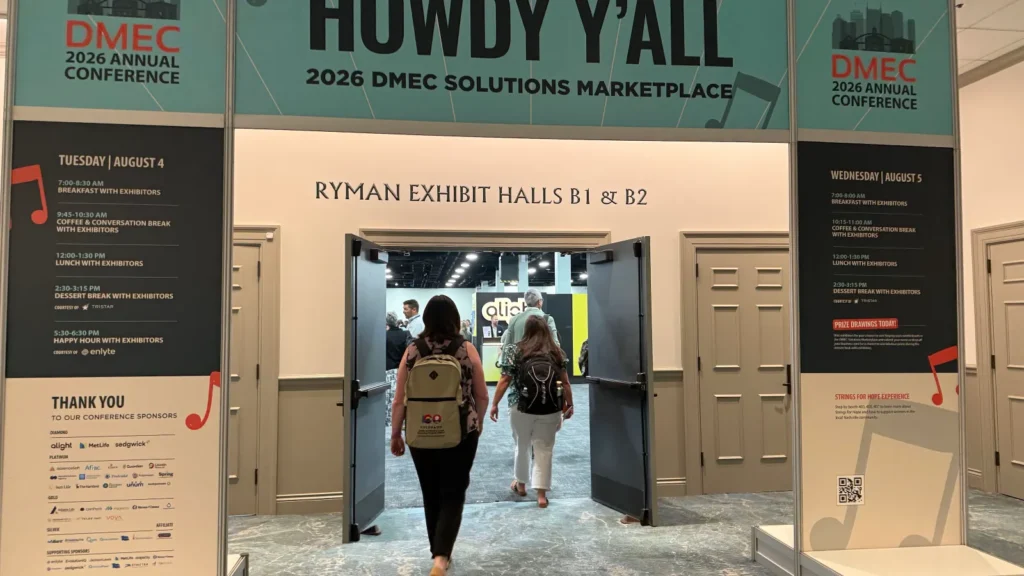
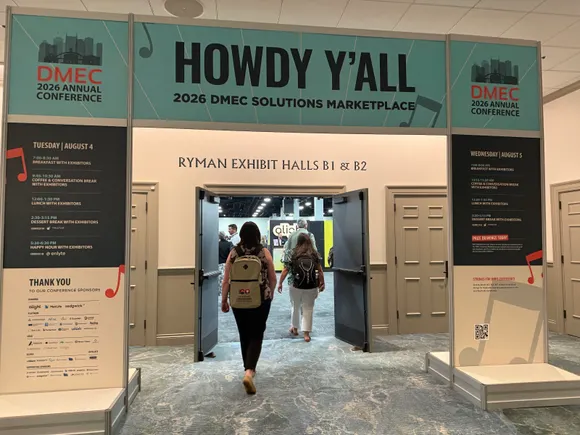
NASHVILLE, Tenn. — In a stark acknowledgment of the pervasive psychological toll wrought by years of global upheaval, Kristin Tugman, a prominent consultant specializing in health and productivity, delivered a compelling address at the 2026 Disability Management Employer Coalition (DMEC) Annual Conference. Speaking to a room of HR professionals and business leaders on Tuesday, August 4, 2026, Tugman underscored the critical need for employers to adopt intentional strategies and deeply tune into their workforce’s mental state to foster healthier, more productive environments. Her message resonated with the palpable sense of "crisis fatigue" she identified as afflicting employees across industries, highlighting that the human capacity for resilience, while profound, is not infinite and has been significantly depleted by successive global challenges ranging from civil unrest to the enduring impacts of the COVID-19 pandemic.
The consultant’s insights come at a crucial juncture, as organizations worldwide grapple with a burgeoning mental health crisis exacerbated by systemic issues such as escalating healthcare costs and pervasive delays in accessing care. Tugman’s presentation at the Gaylord Opryland Resort & Conference Center served as a powerful call to action, urging employers to re-evaluate traditional approaches to employee well-being and recognize the profound psychological shifts occurring within their ranks. She posited that many employees are operating in a persistent "fight-or-flight" mode, a state that fundamentally alters their capacity for focus, engagement, and overall performance.
The Exhaustion of Resilience: A Post-Pandemic Reality
The concept of "crisis fatigue" articulated by Tugman is not merely a transient state but a cumulative exhaustion stemming from prolonged exposure to stressors without adequate recovery. The period leading up to 2026 has been marked by a relentless series of disruptions: the initial shock and prolonged uncertainty of the COVID-19 pandemic, which redefined work structures and personal lives; widespread social and civil unrest that underscored deep societal divisions; and ongoing economic volatility. These macro-level events have filtered down to the individual level, manifesting as chronic stress, anxiety, and depression among employees. The shift to remote and hybrid work models, while offering flexibility, also blurred the lines between work and personal life for many, contributing to an always-on culture that further eroded mental reserves.
Psychological resilience, often lauded as a key trait for navigating adversity, refers to an individual’s ability to adapt and recover from stress and trauma. However, Tugman emphasized that this capacity, while robust, has its limits. Continuous demands on an individual’s coping mechanisms, without sufficient opportunities for rest, recovery, and psychological processing, inevitably lead to depletion. When resilience runs out, individuals become more susceptible to mental health conditions, experience reduced cognitive function, and exhibit decreased emotional regulation. For employers, this translates directly into tangible business challenges: diminished productivity, increased absenteeism, higher rates of presenteeism (being physically present but mentally disengaged), and ultimately, elevated turnover rates. The consultant’s message served as a critical reminder that while employees are indeed adaptable, their well-being is not an inexhaustible resource. This sentiment is increasingly echoed by HR leaders who, in informal surveys conducted in late 2025, consistently reported that employee burnout and mental health were among their top three workforce challenges.
Distinguishing Performance Issues from Mental Health Symptoms
A cornerstone of Tugman’s recommendations centered on the imperative for managers to develop a nuanced understanding of employee behavior, particularly when performance appears to dip. She cautioned against the reflexive assumption that underperformance is solely a matter of motivation or skill deficit. Instead, managers must be equipped to consider the underlying psychological factors that might be at play. "The symptoms of depression, for instance, can often be mistaken for a performance issue," Tugman stated, offering a poignant example that resonated with many attendees. A worker struggling with depression might exhibit reduced concentration, decreased energy levels, difficulty making decisions, increased tardiness, or a general withdrawal from team interactions – all behaviors that could be superficially categorized as poor performance. Anxiety, another prevalent condition, can manifest as indecisiveness, excessive worrying, irritability, or an inability to focus, similarly impacting work output.
To navigate this complexity, Tugman advocated for a data-informed and empathetic approach centered on pattern recognition. "If you’ve got an employee who has been late since day one, missed deadlines since day one, it’s probably a performance issue," she explained, drawing a clear distinction. This type of consistent behavior, she argued, typically points to areas requiring performance management or skill development. However, the scenario shifts dramatically when an employee with a previously strong track record suddenly deviates from their established patterns. "On the other hand, if an overachieving worker who never misses deadlines suddenly starts not performing like before, it’s time to ask questions," Tugman asserted. This sudden, uncharacteristic shift in performance should trigger a compassionate inquiry, prompting managers to check in with the employee, offer support, and explore potential underlying causes without judgment or immediate disciplinary action. This proactive, empathetic stance is crucial for early intervention, potentially preventing a more severe mental health crisis and preserving valuable talent. It also fosters a culture of trust, where employees feel comfortable seeking help rather than hiding their struggles.
The Indispensable Role of Manager Training
The effectiveness of this intentional, empathetic approach hinges significantly on the capabilities of an organization’s frontline managers. Tugman stressed that companies must invest considerable time and resources into training managers to identify potential concerns and respond appropriately. Such training extends beyond basic HR protocols; it requires cultivating emotional intelligence, active listening skills, and a foundational understanding of mental health literacy. Managers need to be able to:
- Recognize Warning Signs: Understand common indicators of stress, anxiety, depression, and burnout, and distinguish them from routine performance challenges. This includes physical signs like changes in appearance, as well as behavioral shifts.
- Initiate Empathetic Conversations: Learn how to approach an employee who might be struggling, creating a safe space for open dialogue without prying or overstepping professional boundaries. This involves using "I" statements and focusing on observable behaviors rather than making assumptions about mental state.
- Provide Resources and Referrals: Be knowledgeable about the company’s mental health benefits, Employee Assistance Programs (EAPs), mental health days policies, and other support services, and know how to guide employees to these resources. This also includes understanding local community resources.
- Maintain Confidentiality: Understand the paramount importance of privacy and trust in sensitive mental health discussions, adhering to all legal and ethical guidelines.
- Set Boundaries: Recognize their role as managers, not therapists, and understand when to escalate situations to HR or recommend professional help, ensuring they do not take on clinical responsibilities.
- Promote Self-Care: Model healthy work-life balance and encourage their teams to utilize vacation time and wellness resources.
Without such training, managers, despite good intentions, might inadvertently exacerbate issues through misunderstanding, avoidance, or inappropriate interventions. The investment in manager training is not merely a compliance measure but a strategic imperative for building a resilient, supportive workplace culture. A 2025 study by a leading HR technology firm indicated that companies providing comprehensive mental health training to managers saw a 15% reduction in voluntary turnover rates compared to those without such programs.
Cultivating Psychological Safety: From Leadership to Microcosms
Underpinning all effective mental health initiatives is the concept of psychological safety, defined by Harvard Business School professor Amy Edmondson as a shared belief held by members of a team that the team is safe for interpersonal risk-taking. Tugman unequivocally stated, "Psychological safety obviously is optimal if it comes from the top." When senior leadership openly champions mental health, demonstrates vulnerability by sharing their own experiences (where appropriate), and actively supports well-being initiatives through policy and budget, it sends a powerful message throughout the organization, legitimizing discussions around mental health and encouraging employees to seek help without fear of reprisal or stigma. Leaders who visibly prioritize mental health set the tone for an entire organization, embedding it into the company’s values and culture.

However, Tugman also offered a pragmatic perspective for those operating within organizational structures where top-down psychological safety might be nascent or lacking. "But we also have an opportunity in our own microcosm to create psychological safety," she added. This highlights the agency of individual managers and team leaders to cultivate an environment of trust, respect, and openness within their immediate teams. By fostering a culture where mistakes are viewed as learning opportunities, diverse perspectives are valued, and individuals feel comfortable expressing concerns or admitting struggles, teams can build pockets of psychological safety even within larger, less supportive environments. This bottom-up approach is crucial because the immediate team environment often has the most direct and profound impact on an employee’s daily experience and sense of belonging. Team leaders can achieve this by actively listening, inviting input, acknowledging fallibility, and promoting inclusive practices, thereby creating a buffer against broader organizational stressors.
The Broader Mental Health Crisis: A Ticking Time Bomb
The urgency of Tugman’s message at DMEC 2026 is underscored by a sobering global reality: the mental health crisis continues to worsen, placing unprecedented strain on individuals, healthcare systems, and economies. Data leading up to 2026 consistently revealed alarming trends. According to projections based on World Health Organization (WHO) and global health expenditure reports, mental health conditions like depression and anxiety are anticipated to remain leading causes of disability worldwide, with a significant portion affecting the working-age population. Studies from reputable consulting firms like Mercer and Gallup in the years preceding 2026 indicated that a substantial percentage of employees reported experiencing symptoms of burnout, stress, anxiety, or depression, with many feeling their workplaces were not adequately equipped to support them. For example, a 2025 global workforce survey by a prominent consulting group found that nearly 60% of employees reported moderate to high levels of stress, and only 35% felt their employer genuinely cared about their well-being.
The economic implications are staggering. The WHO estimates that depression and anxiety disorders cost the global economy US$ 1 trillion each year in lost productivity. This loss manifests through absenteeism, where employees are too unwell to come to work, and presenteeism, where they are at work but unable to perform effectively due to mental health challenges. Moreover, the escalating costs of healthcare, a trend explicitly referenced by Tugman, mean that employers face increasing financial burdens for mental health treatment, even as employees struggle with affordability and access. The average employer-sponsored healthcare plan in the U.S. saw mental health claims increase by over 20% between 2023 and 2025, outpacing other medical categories. The problem is compounded by delayed care, as many individuals postpone seeking help due to stigma, financial constraints, or a lack of awareness of available resources. This delay often leads to more severe conditions, requiring more intensive and costly interventions down the line. The interwoven challenges of rising costs and delayed care create a vicious cycle, trapping individuals and organizations in a persistent struggle to address mental well-being effectively.
DMEC’s Role in Shaping the Future of Workplace Health
The Disability Management Employer Coalition (DMEC) has long served as a pivotal organization dedicated to advancing best practices in absence and disability management. Founded on the principle of helping employers navigate the complexities of employee health, disability, and productivity, DMEC’s annual conference is a critical forum for discussing emerging trends and solutions. The choice to prominently feature mental health, with a speaker like Kristin Tugman, at the 2026 conference underscores the coalition’s recognition of mental well-being as an inextricable component of overall employee health and, by extension, effective disability and absence management.
DMEC’s mission extends beyond simply managing illness; it encompasses fostering environments where employees can thrive. By bringing together HR professionals, benefits specialists, risk managers, and legal experts, the conference facilitates a holistic dialogue on how to create supportive workplaces that not only comply with regulations but also genuinely promote employee wellness. The discussions at DMEC 2026 reflect a broader industry shift from merely accommodating disabilities to proactively preventing them and supporting holistic well-being. This shift is vital as mental health conditions are increasingly recognized as a leading cause of short-term and long-term disability claims, highlighting the economic and human imperative for proactive intervention. Many attendees expressed a renewed commitment to reviewing their existing mental health benefits and expanding proactive wellness programs following Tugman’s session.

Implications for Business and Society
The implications of Tugman’s insights and the broader discussions at DMEC 2026 extend far beyond individual workplaces. For businesses, a failure to address mental health effectively translates into significant competitive disadvantages. Companies that prioritize employee well-being are more likely to attract and retain top talent, foster higher engagement and productivity, and cultivate a stronger, more resilient organizational culture. Conversely, organizations that neglect mental health risk increased turnover, declining morale, and a tarnished employer brand. In an increasingly competitive labor market, especially for skilled workers, an organization’s commitment to mental health is becoming a crucial differentiator, influencing recruitment decisions and enhancing overall employee value proposition.
From a societal perspective, a healthier workforce contributes to a more robust economy and a more compassionate community. Reducing the burden of mental illness in the workplace can alleviate pressure on public healthcare systems, enhance social cohesion, and improve overall quality of life. The call for intentionality and empathy from employers is not just about corporate responsibility; it is about recognizing the fundamental human need for psychological safety and support, particularly in an era defined by ongoing uncertainty and stress. The dialogue initiated by experts like Kristin Tugman at influential conferences like DMEC 2026 represents a critical step towards a future where mental health is not merely an afterthought but a central pillar of organizational strategy and human capital management. The challenge now lies in translating these vital insights into actionable, widespread change across diverse industries and organizational sizes, ensuring that the resilience of the workforce is nurtured, not depleted, for the sustained benefit of individuals, businesses, and society at large.