Years of service awards are more than just symbolic gestures; they are potent tools that celebrate dedication, recognize impact, and reinforce organizational values. When meticulously designed and executed, these awards foster a profound sense of being seen, heard, and genuinely appreciated among employees. This appreciation, in turn, is a cornerstone of employee loyalty, significantly reducing turnover and cultivating a more engaged workforce. In today’s competitive talent landscape, where employee retention is paramount, understanding how to implement meaningful years of service awards is no longer optional but a strategic imperative for organizational success.
The Evolving Landscape of Employee Recognition
The traditional approach to years of service awards, often characterized by generic gifts or a simple plaque, is increasingly falling short of employee expectations. Modern employees, particularly younger generations entering the workforce, seek recognition that is not only valuable but also personal and reflective of their individual contributions. The digital age has amplified this shift, providing new avenues for recognition and demanding greater authenticity and relevance.
A recent study by Gallup found that employees who feel recognized are 15 times more likely to be engaged than those who don’t. Furthermore, organizations with highly engaged employees achieve 21% greater profitability. This data underscores the tangible business benefits of effective recognition programs, extending far beyond simple employee morale. Years of service awards, when strategically integrated, can contribute significantly to these overarching engagement and profitability goals.

Crafting Meaningful 30-Year Service Award Ideas
To truly resonate with employees, years of service awards must transcend the transactional. They need to acknowledge the unique journey and contributions of each individual. While specific ideas will vary based on company culture, budget, and employee preferences, the underlying principle remains consistent: personalization and genuine appreciation.
Personalized Experiences and Growth Opportunities:
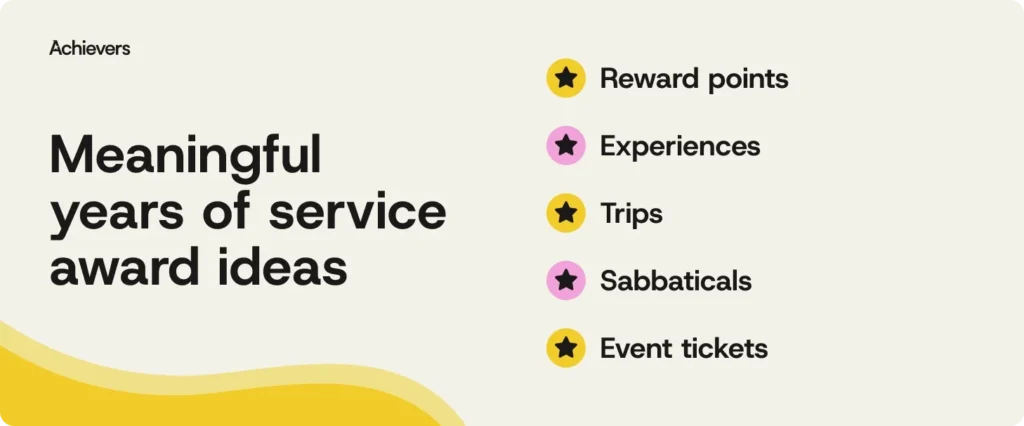
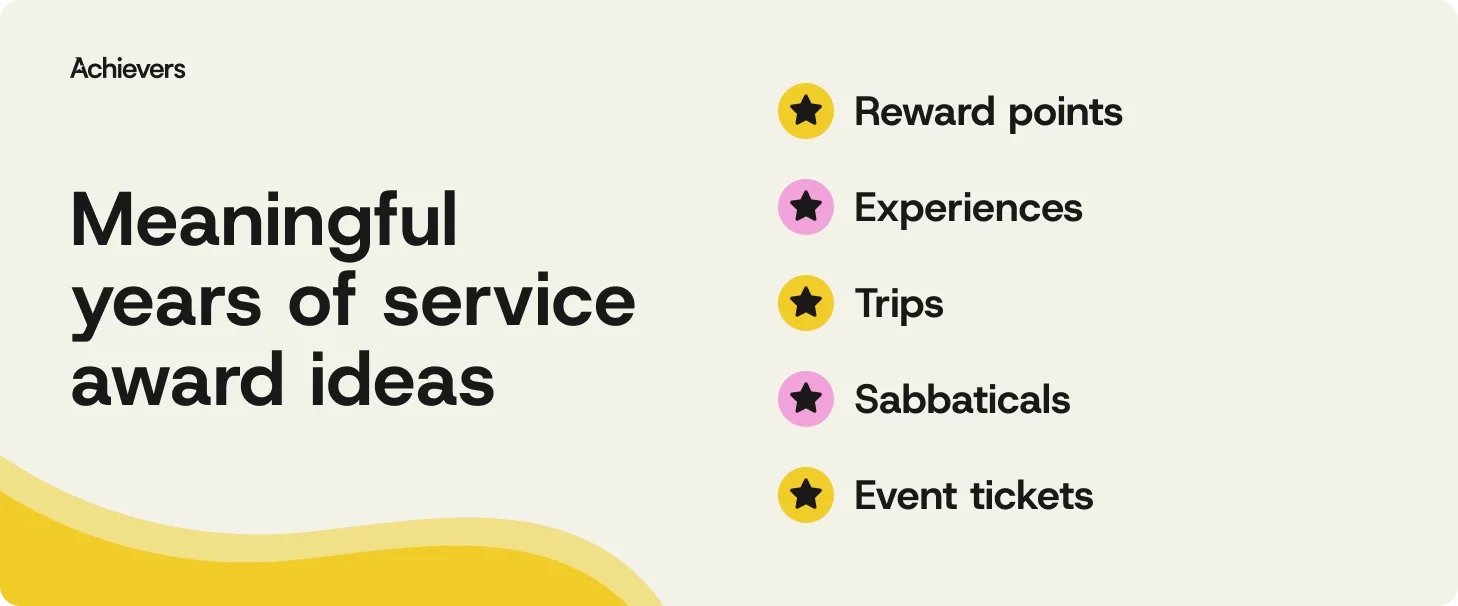
- Sabbaticals and Extended Leave: A prolonged period of paid leave offers employees a chance to recharge, pursue personal interests, or travel. This demonstrates a significant investment in their well-being and acknowledges their sustained commitment. For a 30-year milestone, a sabbatical of several weeks or even months can be an incredibly impactful reward.
- Professional Development Funding: Investing in an employee’s future through advanced training, certifications, or conference attendance shows that the organization values their long-term career growth. This could include funding for a master’s degree, specialized executive education, or attending industry-leading conferences.
- Project Choice and Autonomy: Granting senior employees the opportunity to lead or contribute to a project of their choosing, based on their expertise and interests, can be a highly motivating reward. This acknowledges their deep understanding of the business and provides a platform for them to make a significant, self-directed impact.
- Mentorship and Leadership Programs: For employees who have demonstrated exceptional dedication, offering them a role in mentoring junior staff or leading special initiatives can be a powerful form of recognition. This leverages their experience and positions them as invaluable assets to the organization’s future.
Tangible and Thoughtful Gifts:
- Curated Luxury Experiences: Beyond generic gift cards, consider offering high-end experiences such as a gourmet dining experience at a Michelin-starred restaurant, a weekend getaway to a luxury resort, or tickets to a major sporting event or cultural performance that aligns with their known interests.
- Customized High-Value Items: For employees with specific hobbies or interests, a bespoke item can be exceptionally meaningful. This might include custom-designed jewelry, a high-performance piece of sporting equipment, a rare book, or a piece of art. The key is to ensure it reflects their individual tastes, not just a generic "luxury" item.
- Charitable Donations in Their Name: For employees who are passionate about specific causes, making a significant donation to their chosen charity in their honor can be a deeply appreciated gesture. This aligns the company’s recognition with the employee’s personal values.
- Investment in Home or Lifestyle: Depending on the employee’s life stage and preferences, contributions towards home improvement projects, a new vehicle, or even a significant contribution to their retirement fund can be incredibly impactful.
Public Recognition and Storytelling:
- Feature in Company Publications: Dedicate space in internal newsletters, company websites, or annual reports to highlight the achievements and tenure of long-serving employees. This can include interviews, profiles, and a compilation of their most significant contributions.
- Personalized Video Tributes: Gather video messages from colleagues, former managers, clients, and even family members to create a touching tribute that celebrates their journey and impact. This often becomes a cherished keepsake.
- "Legacy" Project Naming: If appropriate, name a significant company project, a meeting room, or even an internal award after a long-serving employee. This creates a lasting legacy and signifies their enduring contribution.
- Executive-Led Recognition Events: Ensure senior leadership is actively involved in recognizing long-tenured employees. This could involve personalized handwritten notes from the CEO, invitations to exclusive lunches or dinners with executives, or public acknowledgment at company-wide events.
The Pillars of Effective Years of Service Awards
Making years of service awards truly impactful requires a strategic and human-centered approach. It’s not merely about the award itself, but the entire process surrounding it.
1. Embracing a Comprehensive Recognition Platform
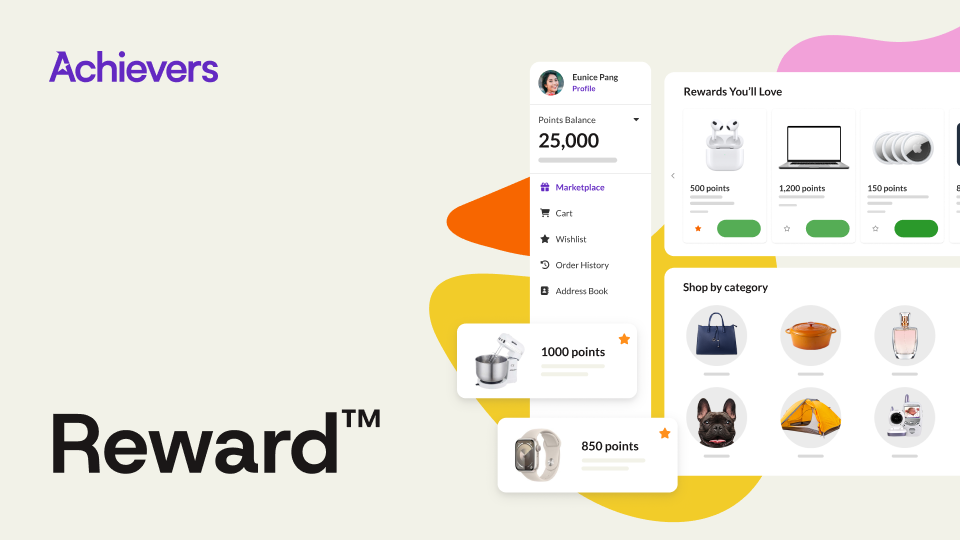
Recognition should not be an isolated HR initiative. Implementing a robust rewards and recognition platform democratizes the process, empowering all employees—from managers and peers to individuals in less visible roles—to participate. This fosters a culture where appreciation is a continuous flow, not confined to annual milestones. Such platforms facilitate real-time recognition, allowing for timely acknowledgment of achievements and contributions, thereby embedding appreciation into the daily fabric of the organization. Data from Bersin by Deloitte indicates that organizations with strategic recognition programs experience a 14% increase in employee engagement and a 10% decrease in voluntary turnover.
2. Activating Leadership as Recognition Champions
When executives are merely passive observers during recognition ceremonies, a critical opportunity is missed. Leaders must be vocal and visible advocates for appreciation. This can manifest in various ways: attending award ceremonies, personally signing congratulatory notes, offering public commendations during all-hands meetings, or utilizing recognition tools to acknowledge team members. Providing leaders with the necessary tools and reminders ensures that recognition becomes an integrated part of their leadership style, rather than an afterthought. Recognition originating from the top instills a sense of importance and reinforces that appreciation is a core organizational value.
3. Prioritizing Personalization and Individuality
Generic awards, regardless of their monetary value, often fail to resonate. The most effective service awards are those that reflect the individual employee. This necessitates looking beyond job titles and focusing on personal preferences, unique team contributions, and specific impactful moments throughout their tenure. Gathering anecdotes and memories from colleagues, clients, or mentors can add immense depth and sincerity. A surprise video montage or a deeply personal handwritten note can transform a standard acknowledgment into a career-defining moment. This level of personalization demonstrates genuine care and understanding, making the recognition feel authentic and earned.
4. Integrating Meaningful and Forward-Looking Incentives
While traditional tokens of appreciation have their place, forward-looking incentives often carry more weight. This includes offering enhanced flexibility in work arrangements, profit-sharing opportunities, tuition reimbursement for further education, or even granting employees the autonomy to choose their projects. These types of incentives signal a long-term commitment from the organization to the employee’s career and personal development. They communicate that loyalty is valued and that the company is invested in the employee’s continued success and well-being. Ultimately, employees are more likely to remain with organizations where they feel seen, supported, and positioned for future growth.
Beyond Anniversaries: Cultivating a Culture of Continuous Recognition
Years of service awards are a valuable component of employee recognition, but they should not be the sole focus. To cultivate genuine, lasting loyalty and drive sustained high performance, appreciation must be woven into the daily experience of every employee. This means fostering an environment where recognition is frequent, authentic, and multi-directional.
Achievers, a leading employee recognition platform, emphasizes this philosophy. Their solutions are designed to facilitate a culture of continuous recognition, where appreciation flows seamlessly between teammates, managers, and leaders. Whether it’s a spontaneous "thank you" in a team chat, a public shoutout on a company-wide platform, or a points-based recognition system that allows for personalized and meaningful rewards, Achievers aims to make celebrating both small wins and significant milestones effortless. The goal is to transform recognition from a calendar-driven event into an ingrained aspect of organizational culture, ensuring that appreciation is a consistent, everyday experience for everyone.
The implications of such a shift are profound. Organizations that prioritize continuous recognition often see marked improvements in employee morale, reduced burnout, increased collaboration, and a stronger sense of community. This proactive approach to appreciation not only boosts individual satisfaction but also contributes to a more resilient, innovative, and high-performing workforce. In essence, by embedding recognition into the organizational DNA, companies can build a sustainable culture of loyalty and drive exceptional business outcomes.