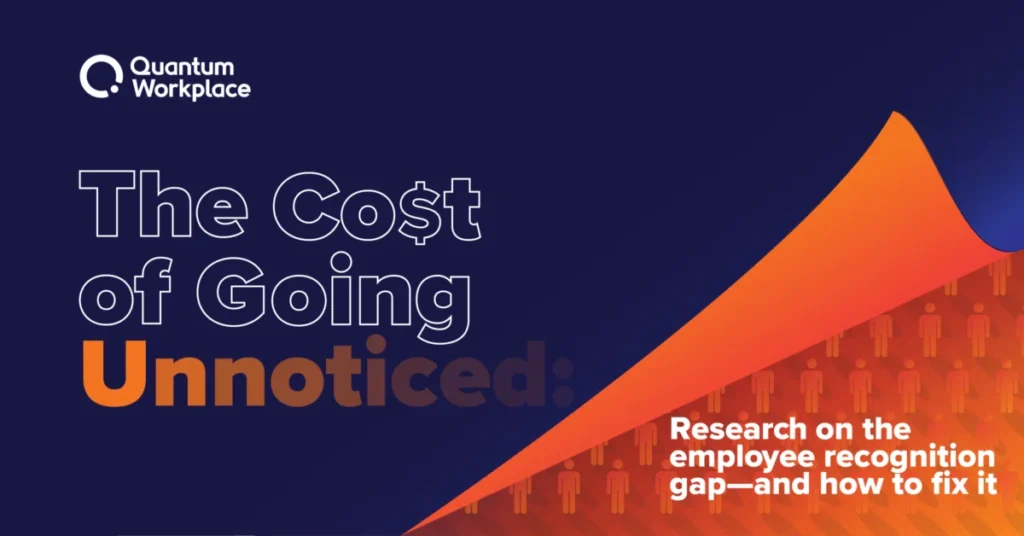
Companies across the globe are channeling significant resources into employee recognition programs, yet a substantial disconnect persists, leaving a considerable portion of the workforce feeling undervalued. A comprehensive study by Quantum Workplace reveals that a staggering 40% of employees find the recognition they receive lacks genuine meaning. This widespread sentiment contributes to a culture where only 55% of employees perceive their organization’s recognition culture as strong, with a significant majority (3 in 5) describing it as inconsistent, overly bureaucratic, or practically nonexistent. The most alarming finding from the 2026 Quantum Workplace recognition research is that one in five employees reported receiving absolutely no recognition throughout the entire previous year. This means a full 12 months of dedicated work, exceptional performance, and unwavering commitment went acknowledged by their managers. This chasm between intended recognition efforts and employee perception is termed the "recognition gap," a phenomenon that, once understood, is surprisingly rectifiable.
Defining the Employee Recognition Gap
The employee recognition gap refers to the disconnect between the level of investment organizations make in recognition initiatives and the actual impact these investments have on key organizational outcomes such as employee sentiment, engagement levels, retention rates, and overall motivation. This gap manifests in various ways: praise that arrives too late to be relevant, recognition that is selectively distributed, or acknowledgement that feels more like a perfunctory obligation than a genuine appreciation of an individual’s contributions.
Crucially, this deficit is rarely a symptom of a lack of care. Most organizational leaders express a genuine desire for their employees to feel valued and appreciated. The underlying issues are far more often rooted in the timing and design of recognition programs. For instance, an employee who delivers outstanding work in January might only receive a mention during an April performance review, a timeframe so distant that the initial impact and specific details of the achievement are likely forgotten. Recognition can also be confined to exclusive quarterly awards, limiting the number of recipients and excluding many deserving individuals. Furthermore, the common HR strategy of routing recognition through managers, based on the premise that managers possess the most intimate knowledge of their team’s performance, often falters. Managers, burdened with numerous responsibilities, may simply lack the bandwidth to observe every significant contribution. This can lead to recognition being disconnected from the actual impact on organizational goals, often diluted into mere politeness, such as a simple "thank you" for holding a door. While politeness is a valuable social lubricant, it is distinct from recognizing and valuing specific, impactful work.
Factors Widening the Recognition Gap
The widening of the recognition gap can be attributed to two primary missteps in most recognition programs: the frequency of recognition and its perceived meaning.
Frequency of Recognition: Some leaders mistakenly believe that frequent recognition diminishes its specialness, likening it to something that loses its impact if it becomes too commonplace. However, research consistently demonstrates the opposite: frequency and meaningfulness are positively correlated. Organizations that implement more frequent recognition practices often experience higher levels of employee engagement and retention, not lower. When recognition is an infrequent event, it doesn’t become more protected; rather, it simply goes missing for the majority of the year, creating precisely the kind of void that employees notice and lament.
Meaningfulness of Recognition: This is where many well-intentioned recognition programs subtly unravel. Increased frequency of recognition only yields positive results if the acknowledgement feels personal and directly tied to specific actions or achievements, rather than being a generic commendation applicable to anyone. The inclusion of rewards significantly enhances the impact of recognition. Employees who receive a reward alongside their recognition are 4.8 times more likely to deem it meaningful. Furthermore, a substantial 87% of employees who had a choice in their reward reported that it felt meaningful, a stark contrast to the 52% of those who did not have a choice.

This disconnect can be traced back to five specific design flaws:
- Random Acts of Recognition: A significant portion of employees (47%) do not believe recognition is linked to actual contributions, and one in five are unsure about what behaviors warrant recognition.
- Infrequent, High-Friction Recognition: Only a meager 5% of employees report receiving recognition weekly, while one in three admit to forgetting to give it.
- Impersonal and Intangible Recognition: A considerable 54% of employees receive no reward with their recognition, and half feel the acknowledgement is not personal.
- Top-Down and Hidden Recognition: A notable 19% of employees received no recognition from their manager throughout the entire year, underscoring that the source of recognition is less important to most employees than the recognition itself.
- Siloed and Disconnected Recognition Data and Tools: A significant challenge for leadership is the fragmentation of data, with 84% of leaders reportedly managing between three to ten different platforms, and only a mere 5% having connected systems. This operational inefficiency hinders a holistic view of recognition efforts.
Identifying an Employee Recognition Gap
Organizations can begin to diagnose a potential recognition gap by scrutinizing their employee engagement survey results. Typically, the data needed to identify such a gap already exists within these surveys. Key areas to examine include specific questions about whether employees feel recognized for their actual work, whether they believe their contributions to organizational success would be acknowledged, and whether recognition feels genuine rather than routine. It is equally important to correlate these findings with metrics related to retention intent, such as how likely an employee is to consider leaving the organization.
A superficial analysis of company-wide averages can be misleading. Recognition practices often vary significantly by team and by manager. Therefore, a strong overall score can mask underlying issues within specific departments. A granular analysis of survey results, segmented by department, manager, tenure, and location, is crucial before concluding that no recognition gap exists. Teams that are quietly struggling with a lack of recognition are often the ones that aggregate data will fail to highlight.
Beyond survey data, observing day-to-day employee behavior can provide further clues. Declining motivation, a perceived lack of initiative, or increased expressions of disengagement can be early indicators. While these signs, in isolation, may not definitively prove a recognition problem, their presence across multiple individuals and departments strongly suggests that employees do not feel their contributions are being seen or appreciated. This warrants a deeper investigation before it potentially leads to increased turnover.
The Cost of Being Unrecognized
The impact of a recognition gap extends far beyond employee morale; it represents a tangible financial cost to organizations. Recognition is not merely a feel-good initiative; it is a potent retention lever, one that many organizations are underutilizing. A particularly concerning statistic from the Quantum Workplace research indicates that 45% of employees do not believe they would be recognized even if they significantly contributed to the company’s success. This belief directly influences an employee’s willingness to invest discretionary effort and their commitment to remaining with the organization long-term.
Conversely, the benefits of effective recognition are substantial. When recognition programs are well-designed, employees are 7.2 times more likely to express a strong commitment to staying with their employer. Employees who receive recognition monthly or more frequently report an 80% higher level of engagement. Furthermore, among employees who perceive recognition as meaningful, 56% state that it reinforces their desire to remain with the company. This clearly illustrates that well-executed recognition is not just about providing a momentary positive experience for an employee; it is a direct and underutilized strategy for retaining valuable talent.
Recognition as a Cornerstone of Thriving Teams
Truly thriving teams are characterized by four interconnected elements: clear alignment around organizational objectives, empowerment to make decisions, continuous skill development, and a strong sense of being valued for their contributions. All four elements must be present simultaneously. A team that is aligned and actively growing can still face significant challenges if its members do not feel that their work is genuinely appreciated.
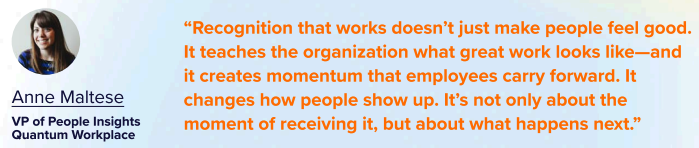
Of these four pillars, the feeling of being valued is where recognition plays a pivotal role, and it is often the most neglected aspect by organizations. An employee can be provided with clear goals, granted genuine autonomy, and offered abundant development opportunities, yet still depart due to a pervasive feeling that their efforts have gone unnoticed. Recognition serves to bridge this specific void, transforming good work into work that is demonstrably seen and appreciated.
The positive effects of recognition extend beyond immediate gratification. In the weeks following acknowledgement, 65% of employees actively seek out more opportunities to contribute, 59% demonstrate increased effort, and 54% become advocates for their organization as a desirable place to work. This ripple effect underscores the transformative power of making employees feel seen.
Five Strategies to Bridge the Recognition Gap
Closing the recognition gap does not necessitate an exorbitant budget or a perfect starting point. It requires intentionality and a willingness to critically assess the effectiveness of existing programs. Five key strategies can significantly improve recognition efforts:
- Embrace Frequent, Everyday Recognition: Shift from infrequent, large-scale acknowledgements to consistent, smaller gestures. This fosters a culture where appreciation is woven into the daily fabric of work.
- Empower Peer-to-Peer Recognition: Enable colleagues to recognize each other. This democratizes appreciation and leverages the unique insights employees have into each other’s contributions.
- Personalize Recognition with Choice: Offer employees a degree of choice in their rewards. This significantly enhances the perceived value and meaning of the recognition received.
- Align Recognition with Core Values and Behaviors: Clearly define and communicate the behaviors and contributions that are valued and will be recognized. This ensures recognition is purposeful and drives desired organizational outcomes.
- Integrate Recognition with Broader Talent Management Systems: Connect recognition data with other HR metrics to provide a comprehensive view of employee engagement and performance, enabling data-driven decision-making.
Organizations that successfully implement these five principles often achieve what research terms "consistent and embedded" recognition. The impact is profound: employees in such organizations are more than twice as likely to remain with their employer compared to those in environments where recognition is sporadic or absent.
How Quantum Workplace Facilitates Recognition Enhancement
Quantum Workplace has developed its employee recognition software with these specific challenges and solutions in mind, moving beyond abstract ideals to actionable features. The platform facilitates peer-to-peer recognition, allowing employees to acknowledge colleagues directly within their existing communication channels, such as Slack or Microsoft Teams, thereby integrating recognition seamlessly into daily workflows. AI-powered writing assistance helps employees articulate their appreciation effectively and quickly, ensuring that specific and genuine recognition is not overlooked due to time constraints.
The software also incorporates rewards and milestones to add a personal touch that makes recognition memorable. This includes offering genuine reward choices and automating on-brand celebrations for work anniversaries and other career milestones. Crucially, recognition data is integrated into broader organizational reporting, transforming it from a simple communication feed into a valuable leadership signal that informs strategic decisions. Effective recognition, Quantum Workplace emphasizes, is not inherently complex. It requires deliberate design and purpose, a process that the company actively supports for HR and people teams.
Frequently Asked Questions
What is the employee recognition gap?
The employee recognition gap is the disparity between an organization’s perception of its recognition efforts and the actual feelings and awareness of its employees regarding that recognition.
Why do employees still feel unrecognized despite formal programs?
This is typically due to design flaws rather than a lack of caring. Delayed acknowledgements, complex approval processes, manager-exclusive recognition, and vague praise all contribute to weakening the effectiveness of these programs.
Does recognition truly impact retention?
Yes. Well-designed recognition programs significantly enhance employee loyalty. Studies show that employees in environments with strong recognition cultures are 7.2 times more likely to state that it would take a considerable effort to persuade them to leave their current organization.
Is a reward necessary for recognition to be impactful?
While not strictly mandatory, rewards substantially increase the impact of recognition. Approximately 82% of employees report that recognition feels more meaningful when accompanied by a reward.
Should recognition be exclusively from managers?
No. Managers often have limited visibility into all team members’ daily contributions. Moreover, the source of recognition is less critical to most employees than the act of being recognized itself.
How often should recognition occur?
Recognition should happen more frequently than it currently does in most organizations. Currently, only 5% of employees receive weekly recognition, despite a majority expressing a desire for more frequent acknowledgement.