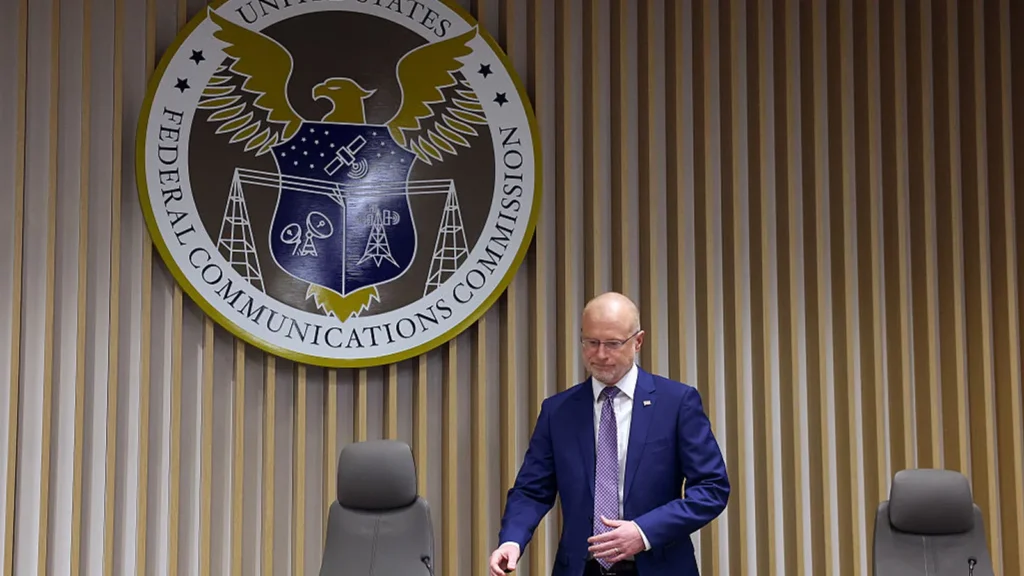
Eighteen members of the U.S. Congress formally questioned the Federal Communications Commission’s (FCC) recent actions targeting corporate Diversity, Equity, and Inclusion (DEI) policies, marking a significant escalation in the national debate surrounding these initiatives. The bipartisan group of lawmakers, primarily Democrats, sent a letter in May seeking clarification on the agency’s standards and motivations, expressing deep concern that the FCC’s approach could undermine legitimate efforts to combat discrimination. This congressional inquiry comes amid a discernible pattern of the FCC leveraging its regulatory authority over mergers, acquisitions, and broadcast license renewals to exert pressure on companies regarding their DEI commitments, as evidenced by high-profile cases involving Disney, AT&T, and Paramount.
The controversy centers on the FCC’s increasingly assertive stance under Chairman Brendan Carr, who has publicly advocated for merit-based treatment and cited former President Donald Trump’s directives to dismantle "unlawful forms of DEI discrimination." Critics, led by Representative Jennifer McClellan (D-Va.), argue that the FCC has failed to define what constitutes an "invidious form" of DEI, thereby creating an environment where all DEI programs are implicitly branded as discriminatory. This interpretation, they contend, fundamentally misrepresents the purpose of DEI initiatives, which are typically designed to prevent and redress systemic inequities and unlawful discrimination, rather than perpetuate it. The unfolding situation highlights a complex interplay of regulatory power, corporate governance, and evolving interpretations of civil rights law, setting a potentially far-reaching precedent for how federal agencies engage with corporate diversity efforts.
Congressional Challenge and Call for Clarity
In their May letter, the eighteen members of Congress expressed profound unease regarding the FCC’s heightened scrutiny of corporate DEI policies. The lawmakers emphasized that many DEI programs are vital tools for fostering inclusive workplaces, promoting equitable opportunities, and ensuring compliance with federal anti-discrimination laws. They specifically challenged Chairman Carr and the FCC to articulate the precise definition or standard the commission employs to determine what constitutes an "invidious form" of Diversity, Equity, and Inclusion. This direct question aimed to uncover the legal and policy framework guiding the FCC’s enforcement actions, which, to date, has remained ambiguous.
Representative Jennifer McClellan, a lead author of the letter, articulated the core concern that without a clear definition, the FCC’s actions risk casting a wide net that could inadvertently — or intentionally — stifle legitimate and beneficial DEI efforts. Her statement underscored the legislative intent behind anti-discrimination statutes, asserting that "DEI programs should prevent and redress racial and unlawful discrimination," implying that the FCC’s current posture might be misaligned with this objective. The congressional inquiry reflects a broader anxiety among proponents of DEI that a lack of transparent standards from federal regulators could lead to arbitrary enforcement, creating an unpredictable and hostile environment for companies committed to fostering diverse and inclusive workforces. The lawmakers’ intervention signals a desire to ensure that federal agencies adhere to established legal principles and do not overstep their authority by broadly condemning initiatives designed to achieve equitable outcomes.
FCC’s Response and Chairman Carr’s Stance
Chairman Brendan Carr’s response to the congressional letter, while affirming the FCC’s commitment to fair treatment based on merit, did little to assuage the concerns of the inquiring lawmakers. Carr’s communication reiterated the commission’s responsibility to investigate and address allegations of discrimination by regulated entities, citing the FCC’s ongoing "enforcement action in the Disney case" as an example of this commitment. Crucially, his letter referenced directives from former President Donald Trump’s administration, specifically mentioning the imperative "to root out unlawful forms of DEI discrimination." This linkage to the previous administration’s policy framework suggested an ideological underpinning for the FCC’s current regulatory posture.
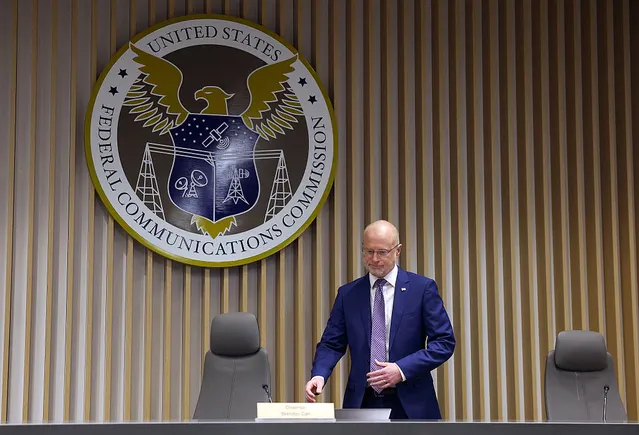
However, Representative McClellan promptly voiced her dissatisfaction with Carr’s reply, stating that it "did not ‘assuage’ concerns outlined in the letter and urged a full response." She criticized the chairman for failing to provide the requested definition of "invidious form" of DEI, instead perceiving his response as implying "that all DEI programs are racial discrimination by default." This interpretation highlights a fundamental disagreement over the nature and legality of DEI initiatives. While Carr’s stance emphasizes meritocracy and the prevention of discrimination against any group, critics like McClellan argue that a blanket suspicion of DEI overlooks its preventive and remedial functions, potentially conflating efforts to achieve equity with discriminatory practices. The FCC’s position, as articulated by Carr, appears to align with a broader conservative pushback against DEI, viewing certain aspects as potentially leading to reverse discrimination or preferential treatment rather than genuine equality of opportunity. This divergence in understanding forms the crux of the ongoing regulatory and political dispute.
The Broader Political and Regulatory Context: A Shift Under Trump’s Influence
The FCC’s current approach to corporate DEI initiatives cannot be understood in isolation; it is part of a broader shift in federal regulatory philosophy that gained momentum during the Trump administration. In January 2025, then-President Donald Trump issued an executive order championing "merit-based opportunity." This order was significant as it directed the heads of federal agencies to develop and implement plans "to encourage the private sector to end illegal discrimination and preferences, including DEI." This directive signaled a clear intent from the executive branch to scrutinize and potentially dismantle DEI programs perceived as fostering "preferences" rather than pure merit. The order framed DEI as potentially contributing to illegal discrimination, thereby providing a policy blueprint for agencies like the FCC to adopt a more critical stance toward corporate diversity efforts. This executive order laid the groundwork for the subsequent regulatory actions and pronouncements seen from Chairman Carr and others.
Further illustrating this ideological shift, U.S. Equal Employment Opportunity Commission (EEOC) Chair Andrea Lucas, in May 2025, characterized the Trump administration’s agenda as one that would "widen the civil rights aperture," not narrow it. Speaking at Fortune Magazine’s Workplace Innovation Summit, Lucas clarified that the EEOC would "continue to do discrimination work on behalf of workers of every single race and both sexes." However, she emphasized a departure from focusing "only pick and choose historically underrepresented groups or only women." This statement indicated a reorientation of enforcement priorities, suggesting that the EEOC would increasingly entertain and investigate claims of discrimination from all demographic groups, including white men, who have historically been less likely to be considered beneficiaries of civil rights protections or DEI initiatives. This perspective implicitly challenges the foundational premise of many DEI programs, which often prioritize addressing systemic disadvantages faced by historically marginalized communities. The combined influence of Trump’s executive order and the EEOC’s rearticulated enforcement philosophy created a federal environment where DEI programs, once largely seen as progressive corporate best practices, began to face intensified legal and political scrutiny, shaping the landscape for agencies like the FCC.
Case Studies: Corporate DEI Under Regulatory Pressure
The FCC’s scrutiny of corporate DEI is not merely theoretical; it has manifested in concrete regulatory actions that have compelled major companies to reconsider or dismantle their diversity initiatives. These cases highlight the significant leverage the commission holds over critical corporate operations, particularly broadcast licenses and merger approvals.
The Disney Dispute: The most prominent example cited by Chairman Carr himself is the ongoing regulatory dispute between the FCC and The Walt Disney Company. The core of this contention reportedly revolves around Disney’s DEI initiatives. The FCC has taken the unusual step of demanding that Disney reapply early for the renewal of its broadcast station licenses. For a media conglomerate like Disney, broadcast licenses are fundamental to its operations, enabling it to reach millions of viewers through its extensive network of television and radio stations. A demand for early reapplication, often a precursor to a more thorough and potentially contentious review process, can be interpreted as a powerful form of regulatory pressure. While the specifics of Disney’s DEI programs under FCC scrutiny have not been fully disclosed, the implication is that the commission views certain aspects of these programs as potentially violating federal nondiscrimination regulations. This action sends a clear signal to other media companies about the potential risks of maintaining robust DEI frameworks that might be perceived as crossing regulatory lines.
AT&T’s Strategic Shift: In December 2025, telecommunications giant AT&T announced a significant change in its corporate strategy: it was ending its DEI-related initiatives "not just in name but in substance." This dramatic pivot came as AT&T sought FCC approval for its substantial acquisition of wireless spectrum licenses from UScellular. The timing of this announcement strongly suggests a direct link between the cessation of DEI programs and the company’s bid for regulatory clearance. For a transaction valued at billions of dollars and critical to AT&T’s competitive position in the wireless market, securing FCC approval is paramount. The company’s decision to proactively eliminate its DEI initiatives underscores the immense power the FCC wields over corporate strategic decisions, particularly when those decisions involve mergers and acquisitions that require federal sign-off. This case effectively illustrates a "quid pro quo" scenario where regulatory compliance, as interpreted by the FCC, necessitated a substantial change in corporate policy regarding diversity.

Paramount’s Merger Concession: A similar pattern emerged in July 2025 when Paramount Global made a public commitment to de-emphasize its DEI programs. This move was directly linked to the company’s efforts to secure FCC approval for its merger with Skydance Media. Like AT&T, Paramount faced the high stakes of a major corporate consolidation that required federal regulatory blessing. The decision to scale back or decommit from DEI programs indicates that the company perceived this as a necessary concession to facilitate the merger’s approval. These instances collectively establish a precedent: major corporations seeking crucial regulatory approvals from the FCC may find it strategically advantageous, if not explicitly required, to curtail or eliminate their DEI initiatives. This creates a challenging environment for companies that aim to balance their commitments to diversity and inclusion with the practical realities of navigating federal regulatory hurdles.
The Debate Over DEI: Definitions and Legal Frameworks
The ongoing conflict between Congress and the FCC, and the subsequent corporate actions, underscore a fundamental divergence in the understanding and legal interpretation of Diversity, Equity, and Inclusion programs.
Defining DEI: At its core, DEI encompasses a wide range of corporate strategies and initiatives designed to foster a more diverse workforce, ensure equitable opportunities for all employees, and create an inclusive workplace culture where every individual feels valued and respected. Diversity refers to the presence of a wide range of human differences, including race, ethnicity, gender, sexual orientation, age, religion, and ability. Equity focuses on ensuring fair treatment, access, opportunity, and advancement for all, while striving to identify and eliminate barriers that have prevented the full participation of some groups. Inclusion aims to create an environment where all individuals are respected, supported, and feel a sense of belonging. Common DEI programs include unconscious bias training, mentorship programs for underrepresented groups, diverse hiring panels, employee resource groups, and targeted recruitment efforts to broaden talent pools. Proponents argue that these programs lead to better business outcomes, including increased innovation, improved decision-making, and higher employee engagement, in addition to fulfilling moral and social responsibilities.
Legal Challenges and Interpretations: The legal landscape surrounding DEI has become increasingly contentious, particularly concerning potential claims of "reverse discrimination." While Title VII of the Civil Rights Act of 1964 prohibits employment discrimination based on race, color, religion, sex, or national origin, its application to DEI programs is now a frequent subject of legal challenge. Critics argue that some DEI initiatives, particularly those involving quotas, set-asides, or preferential treatment based on demographic characteristics, could violate Title VII by discriminating against non-minority groups. The Supreme Court’s landmark 2023 decision in Students for Fair Admissions v. Harvard/UNC, which effectively ended affirmative action in college admissions, has intensified this scrutiny, signaling a broader judicial skepticism toward race-conscious policies and potentially influencing interpretations of corporate DEI.
The congressional letter’s explicit request for the FCC to define "invidious form" of DEI is crucial here. In legal parlance, "invidious discrimination" typically refers to discrimination that is arbitrary, unreasonable, and aimed at a particular group or class of persons, often with a hostile intent or based on an illegitimate classification. If the FCC broadly interprets many standard DEI programs as "invidious," it suggests a highly expansive and potentially controversial legal interpretation that could equate efforts to correct historical imbalances with unlawful discrimination. This interpretation stands in stark contrast to the view that DEI programs are essential tools for identifying and dismantling systemic barriers, thus preventing invidious discrimination rather than perpetuating it. The absence of a clear definition from the FCC leaves companies and lawmakers in a state of uncertainty, unsure where the line between permissible and "invidious" DEI lies, fueling the argument that the agency’s actions are arbitrary and politically motivated.
Implications for Corporate America and Regulatory Oversight
The FCC’s aggressive stance and the subsequent corporate responses carry profound implications for Corporate America and the future of regulatory oversight concerning social policies.

Chilling Effect on DEI Initiatives: The most immediate and significant impact is the potential "chilling effect" on companies’ willingness to implement or maintain robust DEI programs. When major corporations like AT&T and Paramount opt to scale back or eliminate DEI initiatives to secure critical regulatory approvals, it sends a powerful message across industries. Other companies, particularly those operating in heavily regulated sectors or those contemplating mergers and acquisitions, may become significantly more cautious. They might choose to preemptively dismantle or dilute their DEI efforts to avoid potential regulatory delays, costly investigations, or the risk of jeopardizing vital business operations. This could lead to a widespread retreat from diversity and inclusion commitments, even among companies that genuinely believe in their value and positive impact.
Regulatory Precedent and Inter-Agency Impact: The FCC’s actions also set a significant regulatory precedent. By demonstrating that a federal agency can leverage its licensing and merger approval authority to influence corporate social policies, it potentially opens the door for other federal agencies to adopt similar tactics. For example, agencies overseeing environmental compliance, labor practices, or consumer protection might feel emboldened to link unrelated corporate policies to their approval processes. This could fundamentally alter the relationship between regulators and the regulated, expanding the scope of agency influence beyond their traditional mandates. It also raises questions about inter-agency coordination, especially if different federal bodies adopt conflicting approaches to DEI.
Future of DEI and Corporate Governance: The current climate may force companies to re-evaluate the structure and terminology of their DEI programs. Some may pivot towards "belonging" or "equity" frameworks that are less explicitly tied to traditional diversity metrics, or focus more on general fairness and anti-discrimination training that avoids any perception of preferential treatment. This could lead to a more conservative, compliance-focused approach to diversity, potentially diluting the transformational goals often associated with comprehensive DEI strategies. Furthermore, the situation challenges corporate governance, as boards and executives must now weigh the perceived benefits of DEI against potential regulatory risks and the financial implications of delayed approvals or enforcement actions. The economic arguments for DEI, which often cite improved financial performance and innovation, may be overshadowed by the immediate regulatory pressures.
Legal Challenges and Legislative Responses: The lack of clarity from the FCC regarding "invidious forms" of DEI almost guarantees future legal challenges. Companies or advocacy groups could sue the FCC, arguing that its actions are arbitrary, exceed its statutory authority, or violate administrative law principles. Furthermore, the congressional letter indicates a potential for legislative responses. Lawmakers might introduce bills to clarify agency powers regarding corporate social policies, specifically defining the permissible scope of DEI initiatives, or even restrict agencies from using unrelated policy considerations in their regulatory approvals. This dynamic promises to keep DEI at the forefront of legal, legislative, and corporate debates for the foreseeable future.
Looking Ahead
The clash between Congress and the FCC over the targeting of corporate DEI initiatives represents a critical juncture in the national discourse surrounding diversity, equity, and inclusion. The FCC’s actions, influenced by a broader political shift and former President Trump’s directives, have demonstrably pressured major corporations to recalibrate their DEI commitments to secure vital regulatory approvals. While Chairman Carr emphasizes a commitment to meritocracy and the prevention of discrimination against all groups, lawmakers like Representative Jennifer McClellan contend that the FCC’s failure to define its terms creates an ambiguous and potentially hostile environment for legitimate DEI efforts.
The implications are far-reaching, threatening to impose a chilling effect on corporate diversity initiatives across various sectors and setting a precedent for regulatory agencies to expand their influence into corporate social policies. As companies navigate these complex pressures, the future of DEI may see a shift towards more cautious, legally vetted approaches, potentially impacting the breadth and ambition of such programs. The ongoing tension underscores a fundamental disagreement over the role of federal government in corporate social responsibility and the very definition of anti-discrimination itself. Future developments are likely to involve continued congressional oversight, potential legal challenges to FCC’s authority, and an evolving landscape for corporate DEI strategies as stakeholders grapple with these competing interpretations and pressures. The resolution of this dispute will undoubtedly shape the trajectory of diversity and inclusion efforts in Corporate America for years to come.