The artificial intelligence industry is abuzz with the prospect of major players like OpenAI and Anthropic potentially going public. This potential financial pivot for two of the sector’s most prominent companies, led by their respective CEOs, injects significant drama and speculation into the current AI landscape. As more details emerge regarding their public offerings, a critical question takes center stage: how will these AI titans truly compete, particularly in the lucrative enterprise market? While the market is crowded with established technology giants and emerging AI specialists, a compelling argument can be made that Microsoft, through its strategic focus on the "surface" of AI applications rather than solely on foundational models, is poised to become the biggest winner.
The enterprise AI market, broadly speaking, can be understood through three interconnected layers: the underlying AI models, the application interfaces (or "surfaces") that users interact with, and the broader ecosystem that supports these technologies.

The Foundation: Diverse AI Models and Their Specialized Applications
The first layer, the AI model itself, is currently a dynamic and rapidly evolving domain. The initial vision of a single, all-encompassing AI model is giving way to a more nuanced understanding: different applications require specialized models. This realization stems from the inherent complexities of training AI systems. Model training is not merely a matter of computational power; it critically depends on the quality, diversity, and specific relevance of the data used.
Consider the emerging landscape:
- Coding and Analytics: Applications in software development and data analysis might find their optimal performance with models like Anthropic’s Claude, which has set a strong pace in code generation.
- Narrative and Document Processing: Tasks involving text generation, summarization, and content creation could be better served by OpenAI’s models.
- Scientific and Analytical Applications: Domains like scientific research, complex data interpretation, and biological analysis might leverage models such as Google’s Gemini or specialized iterations.
- Robotics and Physical World Interaction: Applications involving physical automation, manufacturing, and logistics could benefit from models optimized for spatial reasoning and motion control, potentially including offerings like Grok or specialized NVIDIA models.
The challenge for businesses is to identify the "product-market fit" for each AI model. A pharmaceutical company seeking to understand complex protein interactions and advanced genetics will require a model specifically trained on vast datasets of biological information, rather than a general-purpose model. This necessitates a multi-model approach for most enterprises, rendering claims of a single AI doing "everything" less credible. Companies like AI Galileo, which has demonstrated remarkable intelligence by focusing laser-like on HR, labor markets, skills, and management topics, exemplify the power of domain-specific AI. Their AI now functions as a sophisticated management consultant for human capital challenges.
The User Experience: The Crucial "AI Harness" or "Surface"
The second, and arguably more critical, layer for enterprise adoption is the "surface" – the application experience surrounding the AI. This encompasses the user interface, the integration capabilities, the development tools, and the overall ease of use. These are not merely models; they are fully realized applications. Factors such as memory capacity, personalization features, user experience design, and seamless interaction with existing external data and systems are paramount. This layer is often referred to as the "AI Harness."
The historical success of Microsoft in the PC market offers a potent analogy. While early competitors like Lotus 1-2-3 and Multiplan were pioneers, Microsoft’s relentless focus on the application experience of its M365 suite – Excel, PowerPoint, Outlook, and Windows – ultimately secured its dominance. This strategic emphasis on "fit and finish" resonated with millions of users, evidenced by the 450 million paying subscribers.
For businesses today, IT and development leaders face similar considerations. The need extends beyond the core AI model to include:
- Intuitive User Interfaces: Making AI accessible and easy to use for a broad range of employees.
- Seamless Integration: Connecting AI tools with existing enterprise resource planning (ERP) systems (e.g., SAP, Oracle, Workday), customer relationship management (CRM) platforms (e.g., Salesforce, HubSpot), and financial software (e.g., QuickBooks).
- Robust Development Tools: Enabling customization and the creation of bespoke AI-powered applications.
- Comprehensive IT Management: Providing tools for deployment, monitoring, security, and governance of AI agents.
The failure of an AI integration, as experienced by one user attempting to integrate Claude with HubSpot, underscores the importance of the surface. The inability to retrieve basic client and marketing interaction data, coupled with timeouts, pointed to a failure in the "context layer" and the overall integration, not necessarily the underlying AI model. This highlights that even advanced models can falter if the surrounding application experience is insufficient.
The Ecosystem: Building a Network of AI Capabilities
The third vital layer is the ecosystem. Businesses are increasingly seeking AI platforms that offer a rich tapestry of applications, integrations, developer tools, and third-party support. The experience of building AI Galileo illustrates this point: customers consistently requested integrations with their existing policy databases, leadership models, and compliance training systems. These were not core features but essential extensions that demonstrated the platform’s utility.
In the enterprise space, where significant AI profitability is anticipated, vendors that cultivate strong partner ecosystems stand to gain a substantial advantage. These partners can generate revenue by building on and extending the core platform, creating a virtuous cycle of innovation and adoption.
The prevailing sentiment among HR and IT leaders confirms this trend. They desire AI tools that are not only easy to use and packaged for immediate employee benefit but also serve as a robust platform for developing, acquiring, and managing "agentic" applications. Crucially, they aim to avoid vendor lock-in in this nascent and rapidly innovating market. The focus, therefore, is shifting from the underlying "engine" to the comprehensive "surface" and its supporting ecosystem.
The Surface vs. The Model: A Paradigm Shift
The discourse in the AI industry is evolving from a singular focus on "models" to an emphasis on "AI surfaces." An AI surface represents the complete application experience, distinct from the underlying large language model (LLM). It is the application built on top of the AI that truly matters, though the synergy between the surface and the model creates the ultimate user experience.
In the corporate context, this "surface" encompasses critical elements like the tools provided, the speed of response, the intuitive nature of the user interface, the depth of historical data accessible, and the efficacy of the semantic connectivity layer. For instance, a successful connection of an AI to an HR system should yield valuable, actionable insights, not just random data points. The failure of an AI integration with HubSpot serves as a stark reminder that a poorly designed or implemented surface can undermine the potential of even the most advanced underlying model.
The challenge for companies like Anthropic and OpenAI is that they cannot solely provide this comprehensive enterprise solution. They rely on third-party developers and integrators – such as ServiceNow, Microsoft, or Accenture – to build these crucial application layers. If these integrations are poorly executed, the reputation and adoption of the AI platform itself can suffer.
Microsoft’s Strategic Ascent: The Power of the Integrated Surface
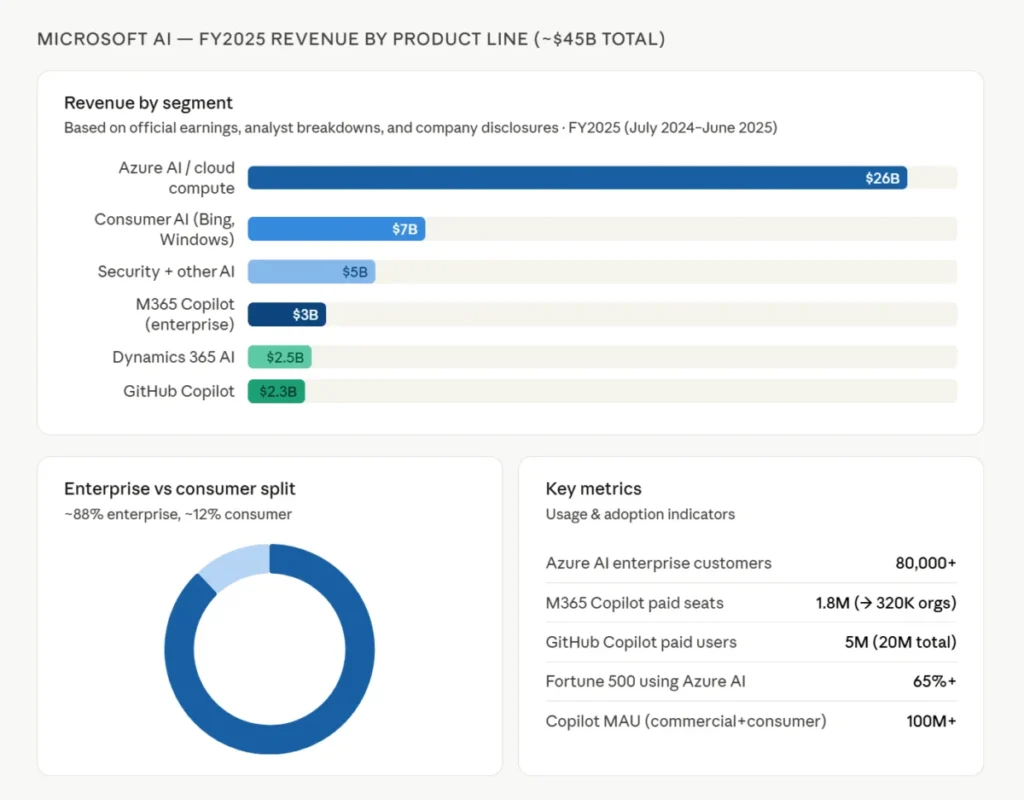
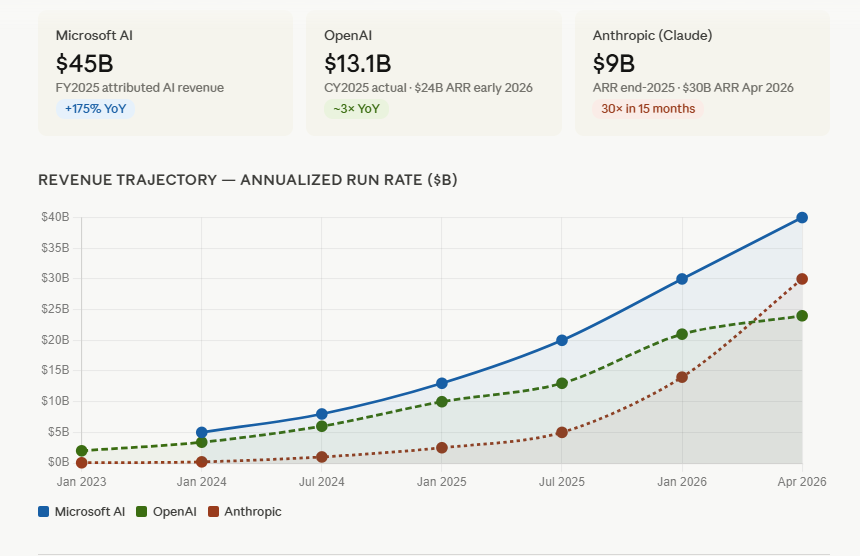
Examining the revenue streams of major AI players offers a revealing perspective. While OpenAI and Anthropic are reportedly generating substantial revenue (with estimations reaching $30 billion each), a significant portion of this revenue is derived from different sources. OpenAI’s revenue appears to be heavily driven by consumer subscriptions, with a projected calculation based on a large user base paying a monthly fee. Anthropic, on the other hand, reportedly generates a substantial portion of its revenue by selling AI compute capacity to other providers.
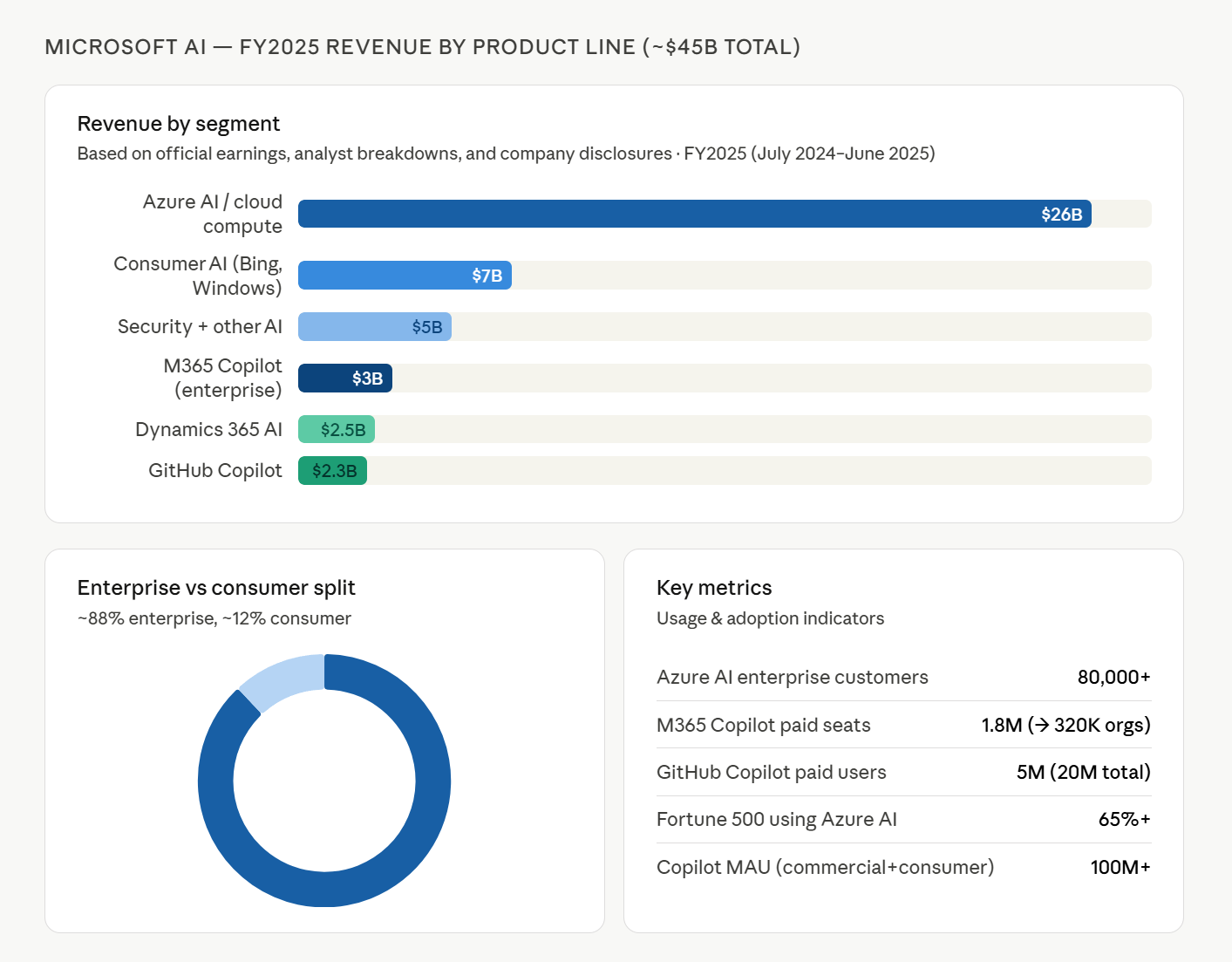
This leaves the question of who is truly generating revenue from the enterprise "surface" – the integrated application experience. The evidence strongly suggests that Microsoft is the primary beneficiary. The company’s strategic investments and product evolution position it uniquely to capture this value.
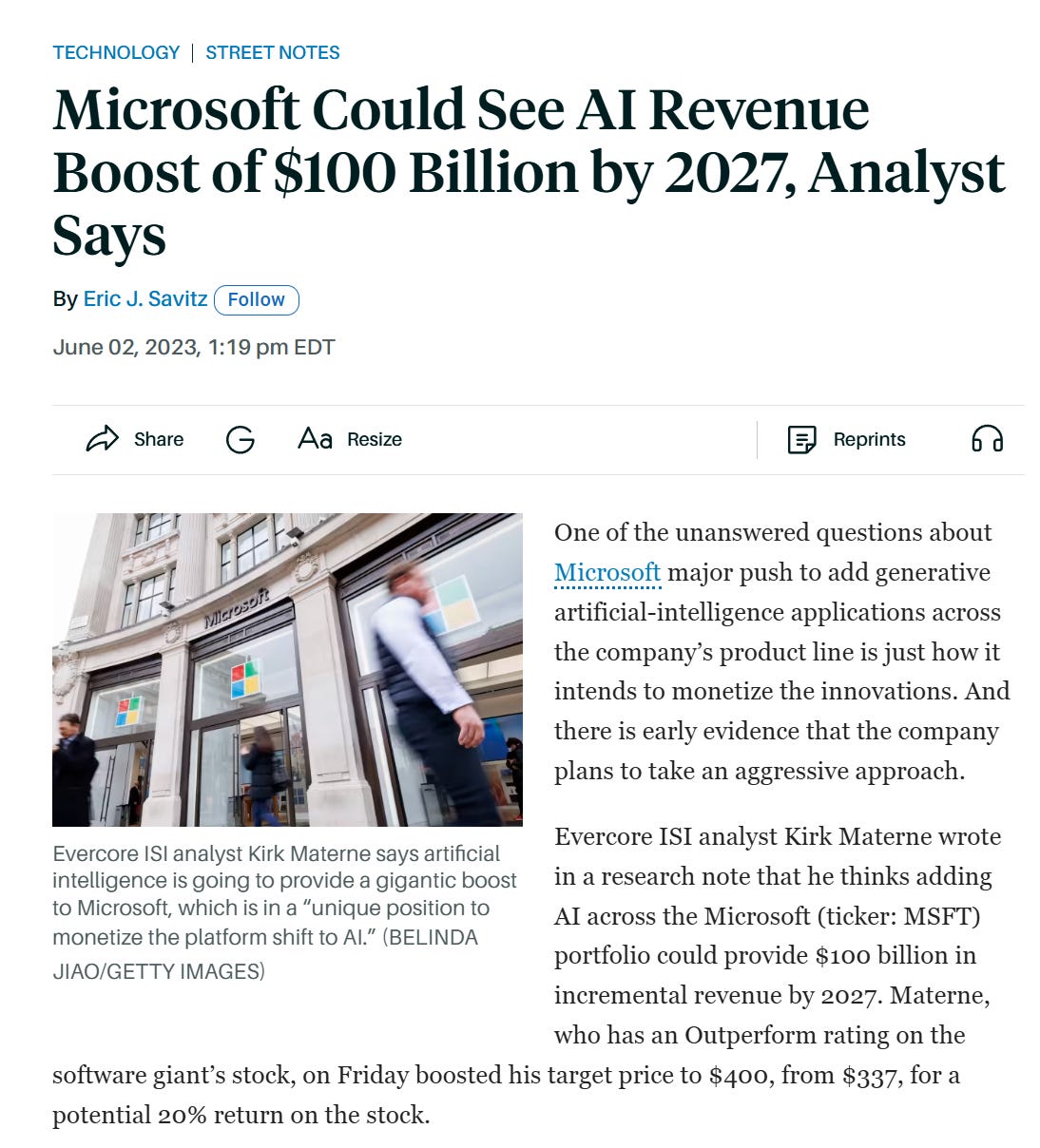
Microsoft’s projected AI revenue growth is staggering. With an estimated 15 million licensed users of its Copilot, generating billions in revenue annually, and the broader Azure API services contributing significantly, Microsoft’s AI revenue is estimated to be in the tens of billions of dollars, with strong growth rates. The company itself projects over $100 billion in new AI revenue within the next three years, a testament to its aggressive strategy.
Why Microsoft is Gaining Ground
Several key factors contribute to Microsoft’s ascendancy in the enterprise AI space:
- Evolved Copilot Strategy: Microsoft’s Copilot has transitioned from a simple plugin to an integrated platform. It now leverages not only OpenAI’s models but also Anthropic’s and consolidates access to a company’s internal data. This unified approach simplifies deployment and enhances utility for businesses.
- Comprehensive "Surface" Development: Microsoft has rapidly built out a vast array of "surfaces" across its product portfolio, including M365 applications, Dynamics, GitHub, and specialized tools like Copilot Studio and Agent 365. This ambitious development, while initially appearing disjointed, has laid the groundwork for a cohesive AI experience.
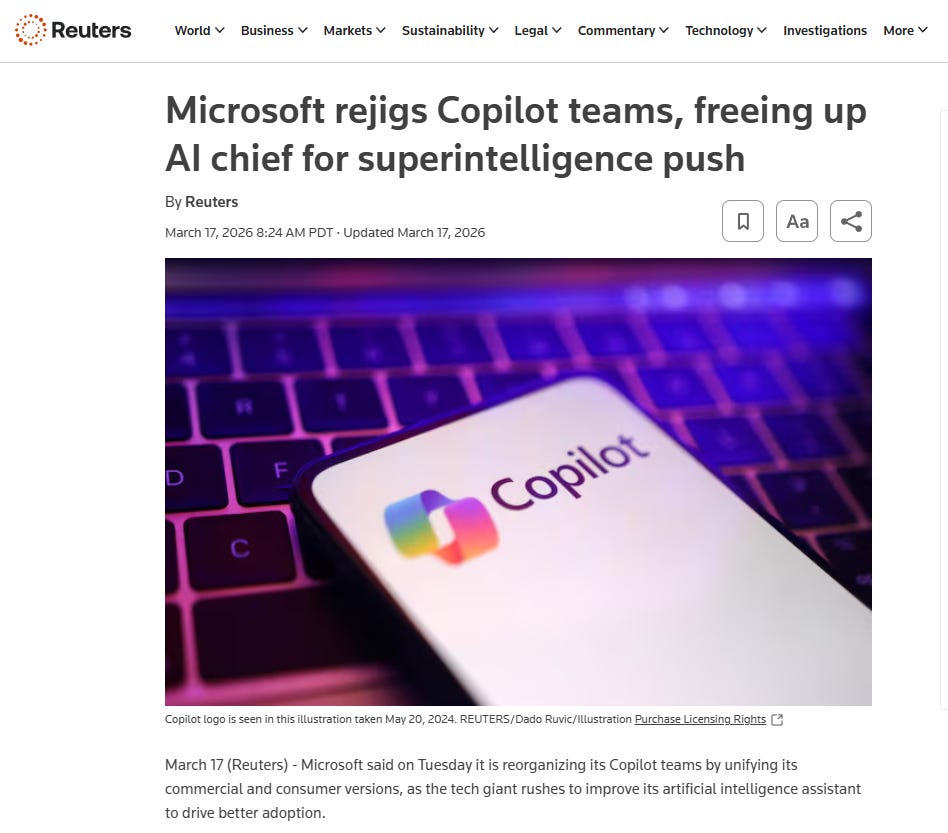
- Centralized Product Organization: Recognizing the need for a unified vision, Microsoft has reorganized its Copilot product teams under a single leadership structure. This move, spearheaded by Satya Nadella, allows for a more integrated strategy, focusing on both corporate and consumer AI experiences, and enables its AI engineering group to concentrate on developing proprietary models. The appointment of leaders like Jacob Andreou (Copilot growth), Ryan Roslansky (LinkedIn), Perry Clarke (Copilot Core), and Charles Lamanna (Agents and Apps) signifies a commitment to a holistic agent enablement strategy. This organizational shift allows Microsoft to operate with a strategic focus akin to NVIDIA’s integrated engineering approach.
- Partner Ecosystem Integration: The ongoing development of APIs for tools like Work IQ, coupled with the existing M365 Graph Connectors, facilitates deep integration with a wide range of enterprise applications. This opens opportunities for third-party vendors to build solutions within the Microsoft AI ecosystem, fostering broader adoption.
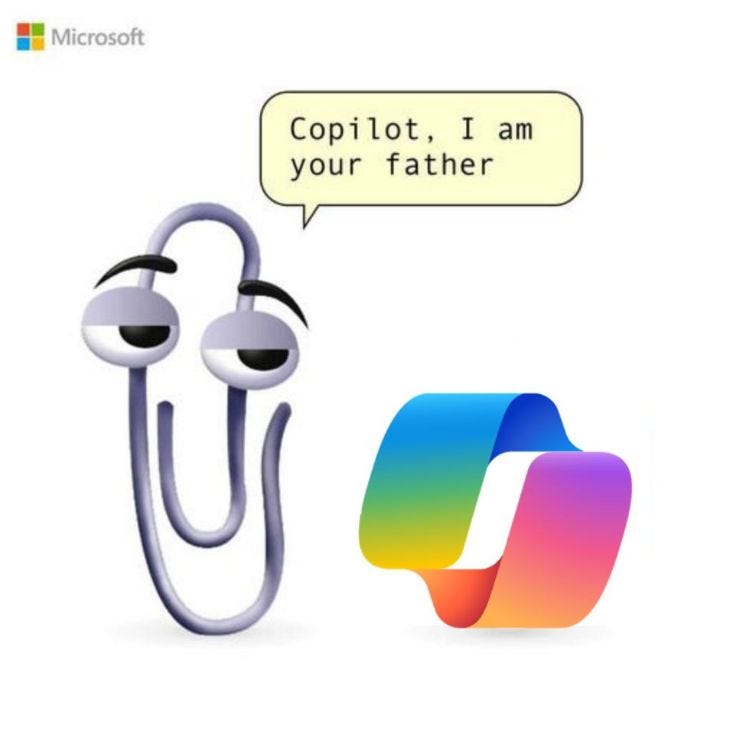
The evolution of Copilot from an early concept to a sophisticated platform reflects Microsoft’s strategic foresight. Initially perceived as an extension of OpenAI’s ChatGPT into Bing, it quickly evolved into a more integrated vision. The early iterations, while functional, sometimes felt like an intelligent "Clippy" – helpful but not transformative. However, Microsoft’s product teams relentlessly expanded the "surfaces" and the underlying capabilities, including M365 Graph Connectors for data integration and fine-tuning tools for data optimization.
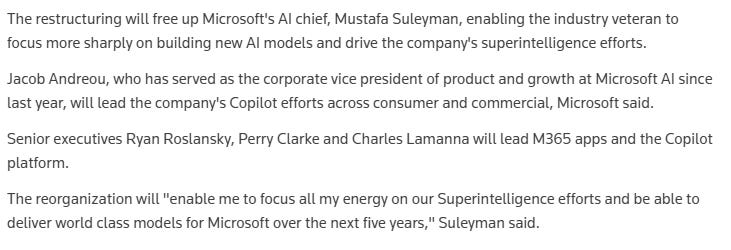
The subsequent consolidation of Copilot product teams into a single organization under unified leadership marks a significant strategic pivot. This allows for a more streamlined approach to developing both corporate and consumer AI experiences. The focus now shifts to building a truly integrated "surface" that leverages the best available models – whether from OpenAI, Anthropic, or Microsoft’s own developing capabilities – while seamlessly incorporating a company’s proprietary data.
The Strategic Advantages of Microsoft’s Approach
Microsoft’s strategy offers several distinct advantages that position it for significant growth:
- Integrated Enterprise Toolset: The corporate market demands a unified set of tools that includes desktop applications, development environments, IT management capabilities for AI agents, and seamless connectivity with legacy systems. Microsoft, through its extensive partnerships and its own developing "agentic" solutions like Work IQ and Agent 365, is well-positioned to deliver this integrated experience.
- Developer Ecosystem Enablement: The vast application development world is actively seeking more integrated tools. Microsoft’s commitment to providing APIs for its Copilot ecosystem encourages ERP, financial, productivity, and analytics vendors to build applications that leverage Copilot’s capabilities. While navigating the various integration points (Teams, Graph, WorkIQ, Fabric) can be complex, the path toward integration is becoming clearer.
- Familiar Desktop Experience: For end-users, including PC buyers, employees, and IT helpdesks, the prospect of AI applications converging within the familiar Microsoft desktop environment is highly appealing. As the Copilot experience improves, with a focus on user interface design and intuitive interaction, its adoption is likely to accelerate. While the current interface may appear somewhat piecemeal, the potential for refinement and beautification is significant.
- Accelerated Partner Network Growth: The release of Work IQ APIs is expected to catalyze the growth of Microsoft’s partner network. Corporate cloud vendors, concerned about potential disruption from AI agents, are likely to seek opportunities to integrate with the Copilot framework, further solidifying Microsoft’s market position.
Microsoft’s Value-Add: Beyond the Core Model
Microsoft’s contribution extends beyond simply providing access to AI models. Its platform offers significant value-add through:
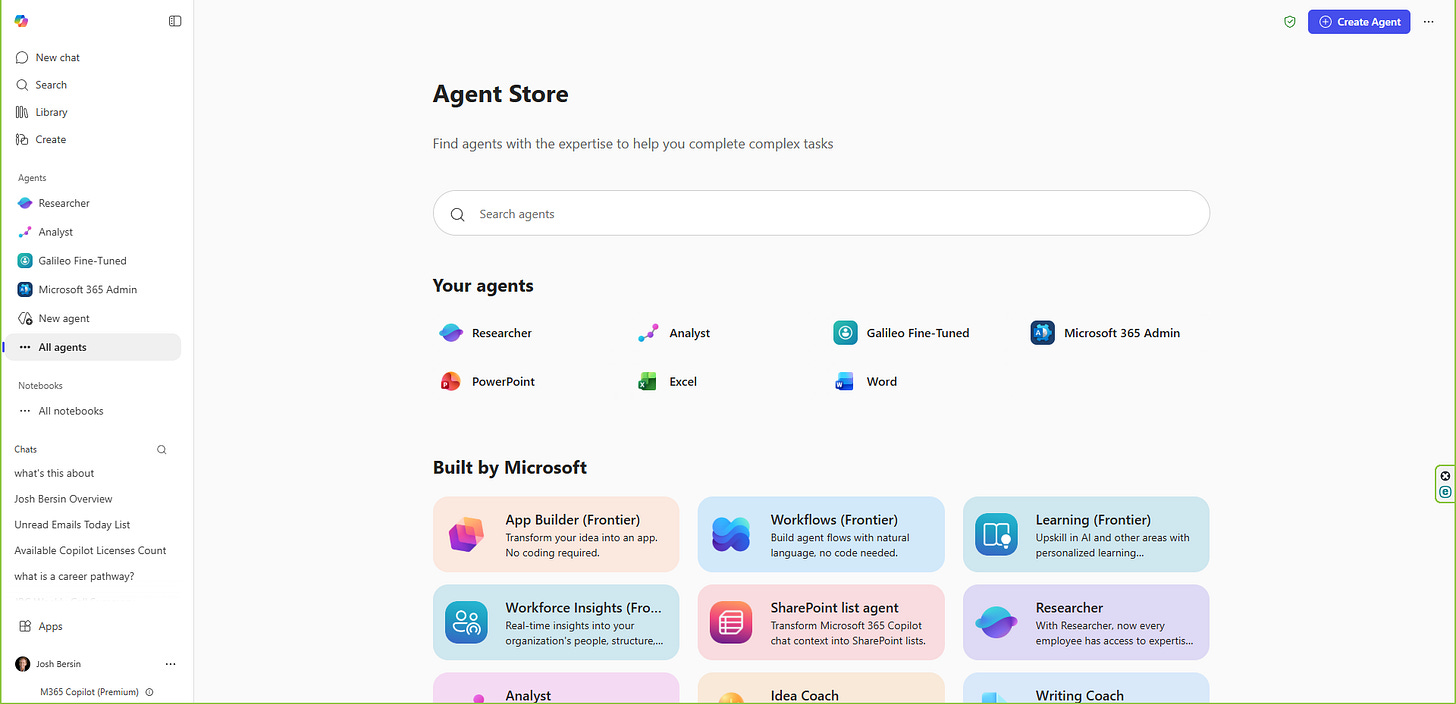
- Deep Research Capabilities: Features like the "Researcher" button, which can delve into a user’s Microsoft Graph data (calendars, emails, documents), provide deep insights, advice, and contextual assistance. As this functionality expands with enhanced memory and context, it offers substantial value to individuals and leaders.
- Intelligent Routing and Optimization: New Microsoft agents enable users to compare queries across different AI models, helping to optimize token usage and cost-effectiveness. Over time, these agents are expected to decompose complex AI tasks and distribute them to the most suitable models.
- Agentic Interfaces for Core Applications: The new Copilot experience allows for direct interaction with complex documents, enabling users to ask questions, modify tables, run reports, and create graphs directly within the application interface. This extends the "in-app" Copilot experience across the entire Microsoft suite and promises to become increasingly sophisticated.
- Intelligent Context Layer in Work IQ: The forthcoming Work IQ APIs will allow companies to import and build "context" into Copilot, effectively transforming it into a true "agentic" platform for HR, Finance, Sales, and other business functions. This layer is crucial for enabling deeply integrated, domain-specific AI agents.
As the industry navigates the complex and rapidly evolving landscape of artificial intelligence, the strategic decisions made by key players will shape its future trajectory. While the allure of public offerings for OpenAI and Anthropic captures headlines, Microsoft’s methodical and comprehensive approach to building an integrated AI "surface" and ecosystem positions it as a formidable force. By focusing on the application experience, seamless integration, and a robust partner network, Microsoft is not just participating in the AI revolution; it is architecting its enterprise-grade future. The company’s ability to weave together diverse AI models with a user-centric interface and deep enterprise connectivity suggests that it may indeed be the ultimate winner in the race to unlock the full potential of AI for businesses worldwide.