
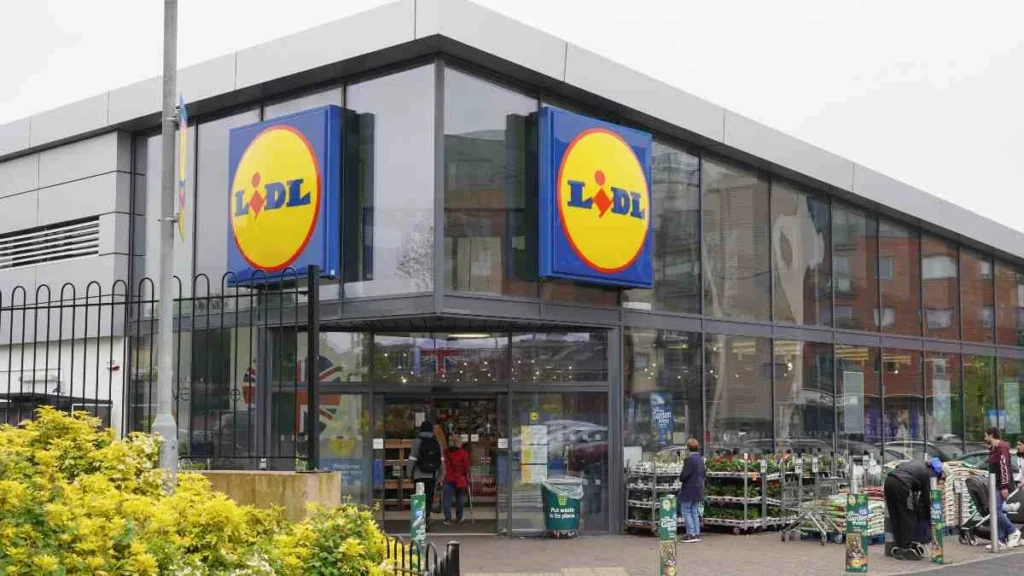
Discount supermarket giant Lidl has announced a groundbreaking recruitment initiative designed to tackle long-term unemployment across the United Kingdom, committing to fast-track individuals who have been out of work for at least six months directly to interview stage for entry-level positions. This strategic move aims to dismantle traditional barriers to employment, such as the often-demanding CV submission process, thereby "levelling the playing field" for a vulnerable segment of the workforce. The programme is set to reserve 10% of all interview slots for entry-level roles at each new store opening for these candidates, complemented by an additional 480 dedicated interview opportunities at its 13 warehouses nationwide.
This significant commitment from Lidl comes at a critical juncture for the UK labour market. While the Office for National Statistics (ONS) recently reported a slight decrease in the overall unemployment rate to 4.9%, beneath this headline figure lies a more complex reality. The number of job vacancies has seen a noticeable decline, reaching its lowest level since 2021, signalling increased competition for available roles. This reduction in opportunities disproportionately impacts those who have been unemployed for extended periods, who often face a ‘stigma gap’ where longer periods out of work are perceived negatively by employers, irrespective of an individual’s skills or potential. The ONS defines long-term unemployment as being out of work for six months or more, a category that often presents significant challenges for re-entry into the workforce, leading to skill erosion, diminished confidence, and increased financial strain.
Lidl’s initiative is not merely a recruitment drive but a targeted social intervention, seeking to address the multifaceted challenges faced by the long-term unemployed. By collaborating with various local employability partners and the Department for Work and Pensions (DWP), the company aims to effectively identify and engage suitable candidates. This collaborative approach ensures that the programme reaches those most in need, leveraging existing networks and support structures designed to assist jobseekers. The direct interview pathway signifies a progressive shift from traditional hiring models, acknowledging that a lack of recent employment history or a polished CV should not automatically disqualify capable individuals. It underscores a belief in potential over past circumstances, providing a vital first step for many who have struggled to secure an interview through conventional application routes.
Successful candidates joining Lidl through this scheme will be offered competitive remuneration and a comprehensive benefits package designed to support their integration and long-term career development. Entry-level pay rates are set at £13.45 an hour, which is considerably above the National Living Wage, demonstrating Lidl’s commitment to fair compensation. This rate is structured to increase to £14.45 an hour with length of service, incentivising loyalty and career progression within the company. Beyond monetary compensation, employees will benefit from a 10% in-store discount from their very first day of employment, offering tangible financial relief on everyday essentials. Furthermore, access to a digital GP service provides crucial support for employee wellbeing, an increasingly valued benefit in modern workplaces, ensuring health is not a barrier to sustained employment.
Stephanie Rogers, Chief People Officer at Lidl, articulated the profound motivation behind this new policy. "Unemployment is affecting communities right across the country, adding to the pressures many households are already under," she stated. Rogers emphasised the significant hurdle that gaining an initial opportunity represents for individuals facing barriers to employment. "For people who are facing barriers into employment, getting that first opportunity can be the hardest step. That’s why we’re fast-tracking interviews across the nation to help people get a foot in the door." She highlighted the transferable skills developed in a retail career, such as customer service, teamwork, problem-solving, and inventory management, affirming that Lidl couples these with "industry-leading training and competitive pay to ensure our people can truly thrive." This statement reflects a broader understanding of retail as a foundational sector for skill development, capable of launching diverse career paths.
This initiative is not an isolated endeavour but builds upon Lidl’s existing commitment to corporate social responsibility (CSR) and community engagement. In the preceding year, the supermarket chain successfully piloted an employment support programme for homeless individuals in the North West of England. This trial demonstrated the efficacy of targeted support in enabling vulnerable individuals to transition "off the streets and into high-quality employment." Building on this success, Lidl intends to extend this programme to other regions within the next 12 months, further solidifying its role as a socially conscious employer. These preceding efforts provide a strong precedent for the new long-term unemployed initiative, showcasing Lidl’s proven capability to implement and sustain impactful social programmes.

The announcement has garnered significant support from government officials. Minister for Employment, Dame Diana Johnson, lauded the programme as "vital," underscoring its role in the broader governmental objective of transitioning individuals "from welfare to work." Johnson stated, "It’s moving people from welfare to work, providing those who have been out of work with a pathway back into employment. By joining forces, we are helping people to kickstart rewarding careers in the retail sector as we continue to drive our economy forward." Her remarks highlight the synergy between corporate social initiatives and public policy goals, where private sector commitment can significantly augment national efforts to reduce unemployment and stimulate economic growth. The DWP’s active involvement in identifying eligible candidates further cements this partnership, demonstrating a concerted effort to connect jobseekers with meaningful employment opportunities.
The implications of Lidl’s initiative extend far beyond the immediate beneficiaries and the company itself. For the long-term unemployed, this programme offers a tangible route to overcoming the ‘experience trap’ – the paradox where one needs experience to get a job, but a job to get experience. By removing the CV barrier and offering direct interviews, Lidl empowers individuals to showcase their personality, motivation, and potential directly, rather than being judged solely on paper. This can significantly boost confidence, mental well-being, and financial stability, fostering a sense of purpose and belonging within the community. The provision of comprehensive training will also ensure that new hires are equipped with the necessary skills to succeed, mitigating any initial disadvantages from their period of unemployment.
For Lidl, the benefits are multifaceted. Beyond enhancing its public image as a responsible and compassionate employer, this approach could unlock a previously untapped talent pool. Long-term unemployed individuals often possess a wealth of life experience, resilience, and a strong work ethic, making them valuable assets to any organisation. By actively seeking out these candidates, Lidl gains access to a more diverse workforce, which can lead to increased innovation, improved problem-solving, and a more representative employee base that mirrors its diverse customer demographic. Furthermore, employees who are given a chance when others might not have been often exhibit higher levels of loyalty and engagement, potentially reducing staff turnover in a sector known for its high churn rates. This could translate into long-term operational efficiencies and a stronger organisational culture.
From a broader economic perspective, initiatives like Lidl’s contribute directly to reducing welfare dependency and boosting consumer spending. Each individual transitioning from welfare to work not only reduces the burden on public funds but also becomes an active participant in the economy, contributing through taxes and purchases. This ripple effect can stimulate local economies, particularly in areas with higher rates of long-term unemployment. The retail sector, a significant employer in the UK, has a crucial role to play in this economic recovery. Should other major retailers follow Lidl’s lead, the collective impact on national unemployment figures and social cohesion could be substantial, fostering a more inclusive and resilient labour market.
However, implementing such a programme is not without its challenges. Ensuring adequate support and mentorship for new hires from diverse backgrounds will be crucial for their long-term success and retention. Tailored onboarding processes, ongoing training, and a supportive workplace culture will be essential to help these individuals not only secure employment but thrive in their new roles. The scale of the problem of long-term unemployment, exacerbated by recent economic shifts and global events, means that while Lidl’s contribution is significant, it represents one piece of a much larger puzzle requiring sustained effort from both the public and private sectors.
Looking ahead, the success of Lidl’s initiative will likely be measured not just by the number of people hired, but by their retention rates, career progression within the company, and the broader ripple effect on similar corporate policies. The programme could serve as a blueprint for other industries grappling with talent shortages and a desire to enhance their social impact. As the UK economy continues to navigate uncertainties, innovative and socially conscious recruitment strategies like this will become increasingly vital in fostering a robust, inclusive, and equitable labour market. Lidl’s proactive stance exemplifies how large corporations can leverage their operational scale to drive meaningful social change, offering a beacon of hope and practical opportunity for those most in need of a chance. The initiative represents a powerful statement: that talent and potential are not always found on a CV, but can be unearthed by simply offering a direct pathway to opportunity.







