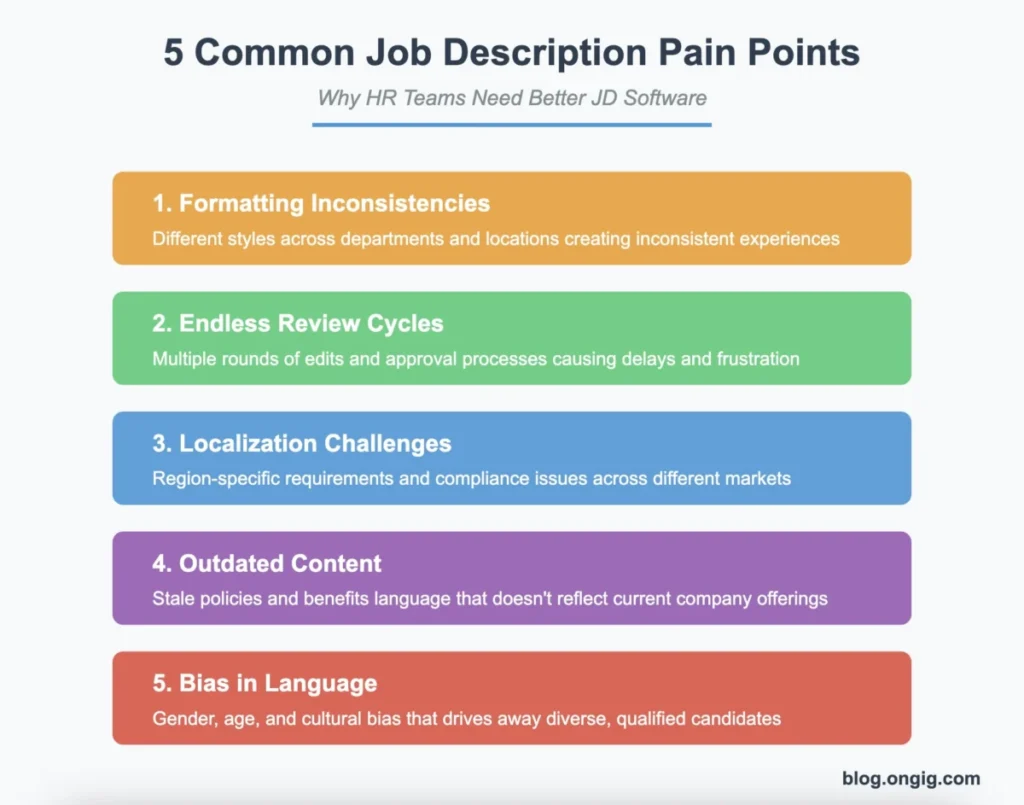
The contemporary talent acquisition environment presents unprecedented challenges for human resources and recruitment professionals. Crafting compelling, compliant, and inclusive job descriptions has evolved from a routine administrative task into a strategic imperative, yet many teams still grapple with tools that feel archaic or impersonal. In 2026, the demand for sophisticated job description software that streamlines workflows, mitigates bias, ensures regulatory adherence, and enhances candidate experience is higher than ever, especially for agile talent teams juggling multiple responsibilities. This report provides an in-depth analysis of the leading platforms shaping the future of job description management, offering practical insights for organizations seeking to optimize their hiring processes.
The Evolving Role of Job Descriptions in Modern Recruitment
Historically, job descriptions (JDs) served primarily as internal documents, outlining roles, responsibilities, and reporting structures for compensation and organizational design. However, the digital age and a highly competitive global talent market have transformed JDs into critical external marketing tools. They are often the first touchpoint between a prospective candidate and an organization, shaping perceptions of employer brand, culture, and opportunity. A poorly written, biased, or non-compliant job description can deter qualified applicants, damage an organization’s reputation, and even lead to legal repercussions. Conversely, a well-crafted JD can significantly broaden candidate pools, attract diverse talent, and set clear expectations from the outset.
The shift in JD utility has paralleled the broader evolution of HR technology. What began as basic applicant tracking system (ATS) modules has splintered into specialized solutions designed to address specific pain points in the talent lifecycle. The emergence of dedicated job description software is a direct response to the increasing complexity of creating and managing JDs at scale, particularly within large enterprises or rapidly growing companies. Industry analysts suggest that the global HR technology market, valued at approximately $30 billion in 2023, continues its robust growth trajectory, with specialized talent acquisition tools like JD software representing a rapidly expanding segment, projected to grow by over 15% annually through 2028. This growth is driven by a confluence of factors including intensified competition for talent, stricter regulatory environments, and a global emphasis on diversity, equity, and inclusion (DE&I).
Driving Forces: Compliance, Inclusion, and Efficiency
Several key trends underpin the accelerating adoption of job description software:
- Regulatory Compliance: The legal landscape governing recruitment is becoming increasingly intricate. States and municipalities across the United States, for instance, have enacted pay transparency laws requiring companies to disclose salary ranges in job postings. Beyond compensation, regulations related to equal employment opportunity (EEO) and disability accommodation (ADA) necessitate careful wording to avoid unintentional discrimination. Job description software plays a critical role in flagging missing disclosures, ensuring legal adherence, and minimizing organizational risk.
- Diversity, Equity, and Inclusion (DE&I): Organizations are prioritizing DE&I initiatives, recognizing that diverse teams drive innovation and better business outcomes. Unconscious bias embedded in language can inadvertently alienate certain demographic groups. Tools with advanced bias detection algorithms are invaluable for identifying and neutralizing gendered, ageist, or culturally specific language, thereby fostering more inclusive candidate pools. Studies indicate that companies using bias-detection tools can see an average increase of 10-15% in applications from underrepresented groups.
- Operational Efficiency: For talent acquisition teams managing hundreds or thousands of job postings across various departments and geographies, manual JD creation and updates are time-consuming and prone to inconsistencies. Automated software offers templates, bulk editing capabilities, and approval workflows that significantly reduce administrative overhead, allowing recruiters to focus on candidate engagement and strategic hiring. Research indicates that organizations can reduce JD creation time by up to 40% using specialized software.
- Employer Branding and Candidate Experience: A consistent and engaging employer brand is crucial for attracting top talent. JD software helps maintain brand voice and messaging across all postings, ensuring a cohesive and positive candidate experience. Clear, well-structured job descriptions reduce candidate confusion and improve application quality.
Key Features Defining Modern JD Software
The best job description software in 2026 integrates a suite of features designed to address the multifaceted demands of contemporary recruitment:
- Bias Detection and Inclusive Language Suggestions: Utilizes AI and natural language processing (NLP) to identify potentially biased words or phrases and suggests neutral, inclusive alternatives.
- Pay Transparency Compliance: Automatically prompts for or flags the absence of salary ranges, and helps format compensation information according to regional legal requirements.
- Content Structuring and Formatting: Arranges JD content into easily scannable, candidate-friendly formats, often incorporating best practices for readability and SEO.
- Compliance Checklists: Ensures all necessary legal disclosures (EEO statements, non-discrimination clauses, ADA accommodations) are present before publishing.
- Template Libraries and Customization: Provides pre-built, optimized templates for various roles and industries, which can be customized to reflect specific company branding and requirements.
- Bulk Editing and Management: Enables simultaneous updates across multiple job descriptions, crucial for large-scale organizational changes or policy shifts.
- Approval Workflows and Version Control: Facilitates a structured review and approval process, maintaining an audit trail of changes and ensuring all stakeholders (hiring managers, HR, legal) are aligned.
- ATS/HRIS Integration: Seamlessly connects with existing Applicant Tracking Systems (ATS) and Human Resources Information Systems (HRIS) to ensure data consistency and streamline publishing.
- Analytics and Reporting: Offers insights into JD performance, identifying patterns in language that lead to higher application rates or more diverse candidate pools.
Spotlight on Leading Platforms for 2026
The market for job description software is diverse, with solutions catering to a spectrum of organizational needs, from solo recruiters to multinational enterprises. Here, we delve into 10 prominent tools making an impact in 2026:
1. Ongig’s Text Analyzer
Best for: Talent acquisition teams seeking scalable, inclusive, and on-brand job descriptions, particularly those with a strong focus on DE&I and regulatory compliance.
Ongig distinguishes itself by offering a robust AI-powered platform that combines comprehensive bias detection with critical pay transparency compliance features. Its Text Analyzer module meticulously scans job descriptions for over 25 types of biased language, providing real-time, actionable recommendations for more inclusive wording. Beyond bias, Ongig ensures compliance with evolving salary disclosure laws, automatically prompting for and formatting pay ranges. The platform supports extensive customization, allowing organizations to embed their unique brand voice and legal requirements into templates, ensuring consistency across hundreds of postings. Its integration capabilities with major ATS platforms further streamline the workflow, making it an essential tool for large enterprises and organizations committed to ethical and efficient hiring.
Pricing: Starts at $13,900/year (discounts available for nonprofits and small organizations)
Free trial? Yes – 7-day trial and custom demo available
Website: https://www.ongig.com
2. Textio
Best for: Enterprises and large teams intensely focused on optimizing job postings for inclusivity and measurable hiring outcomes.
Textio pioneered the concept of augmented writing for talent acquisition, leveraging vast datasets of hiring outcomes to inform its language recommendations. Its platform goes beyond simple bias detection, providing predictive insights into how specific word choices will impact applicant diversity and overall hiring speed. Textio’s advanced AI models analyze billions of data points to suggest language that attracts the desired candidate profiles, aligning closely with an organization’s brand and cultural values. While primarily an enterprise solution, its depth of analytical capability and continuous learning models make it a powerful tool for organizations committed to data-driven talent strategies and achieving specific DE&I metrics.
Pricing: Custom enterprise pricing
Free trial? No free trial, but demos available
Website: https://textio.com
3. Datapeople
Best for: Companies with distributed teams looking for JD consistency, actionable hiring insights, and a focus on improving conversion rates.
Datapeople offers a comprehensive solution that not only helps optimize job descriptions for inclusivity and clarity but also provides robust analytics on their performance. Its platform focuses on creating a consistent hiring experience by standardizing language and formatting across all job postings. Datapeople’s real-time feedback loop guides recruiters in writing more effective JDs, while its analytics dashboard provides insights into how different language choices impact application rates, candidate quality, and diversity metrics. This dual focus on creation and analysis makes it particularly valuable for organizations seeking to continuously refine their hiring strategies based on empirical data.
Pricing: Custom quote based on company size
Free trial? No free trial, but demos available
Website: https://datapeople.io
4. JobArchitect (by Salary.com)
Best for: Compensation and HR teams needing to align job content with robust pay structures, career leveling, and competitive benchmarking.
JobArchitect, developed by Salary.com, positions itself as a critical tool for compensation professionals and HR generalists. Its core strength lies in its ability to connect job descriptions directly with an extensive database of salary data and market benchmarks. This enables organizations to create JDs that are not only compliant and well-structured but also accurately aligned with internal pay equity guidelines and external market rates. The platform provides tools for job leveling, career pathing, and ensuring internal consistency across job families, making it indispensable for organizations focused on fair compensation practices and structured talent management.
Pricing: Starts around $5,000/year (based on company size/features)
Free trial? No free trial, but demos available
Website: https://www.salary.com/solutions/jobarchitect
5. ChatGPT + JD Prompts
Best for: Small teams or solo recruiters requiring quick drafts, content generation, or minor edits without a significant budget for specialized software.
The advent of advanced large language models (LLMs) like OpenAI’s ChatGPT has democratized access to powerful text generation capabilities. While not purpose-built JD software, ChatGPT, when used with well-crafted prompts, can generate initial job description drafts, rephrase sections for tone, or expand on bullet points. Its affordability and accessibility make it an attractive option for budget-conscious teams or those with infrequent JD needs. However, users must be aware of its limitations regarding specific compliance checks, inherent biases in its training data, and the critical need for human oversight to ensure accuracy, brand alignment, and legal adherence. It serves as a strong starting point but requires careful human review and refinement.
Pricing: $20/month for GPT-4 (free GPT-3.5 version available)
Free trial? Yes – free tier available
Try it: https://chat.openai.com/
6. JDXpert
Best for: HR teams in highly regulated industries or large enterprises that require robust approval workflows, auditing capabilities, and stringent version history management.
JDXpert is designed for organizations where governance, compliance, and structured processes are paramount. This platform excels in managing complex job description libraries, offering sophisticated workflow automation for approvals involving multiple stakeholders (e.g., legal, compensation, department heads). Its comprehensive auditing features provide a complete history of all changes, ensuring accountability and facilitating compliance in industries such as finance, healthcare, or government. JDXpert’s focus on structured data, enterprise-level integrations, and meticulous documentation makes it ideal for maintaining a single source of truth for all job-related information across large and complex organizational structures.
Pricing: Starts at ~$10,000/year (based on seats and number of JDs)
Free trial? No free trial, but demos available
Website: https://www.jdxpert.com
7. Applied
Best for: Organizations prioritizing unbiased hiring methodologies throughout the entire recruitment funnel, extending beyond just the job description.
Applied is a hiring platform built on behavioral science principles, with a strong emphasis on reducing bias at every stage. While its job description features include bias detection and inclusive language suggestions, Applied’s strength lies in its holistic approach to fair hiring. It encourages anonymized applications, structured interviews, and skill-based assessments to evaluate candidates objectively. For organizations deeply committed to DE&I and seeking to implement a truly meritocratic hiring process, Applied offers a comprehensive ecosystem where job descriptions are just the first step in a systematically unbiased journey.
Pricing: Starts at £3,500/year (~$4,300 USD); nonprofit pricing available
Free trial? Yes – 7-day free trial available
Website: https://www.beapplied.com
8. RoleMapper
Best for: Large enterprises and public sector organizations needing governed, audit-ready job descriptions within a broader job architecture and workforce planning framework.
RoleMapper provides a sophisticated solution for creating, managing, and standardizing job descriptions as part of a larger organizational design and workforce planning strategy. It enables organizations to build a robust job architecture, ensuring consistency in roles, competencies, and career paths across the enterprise. Its governance features support compliance and audit readiness, making it particularly suitable for complex organizations with strict regulatory requirements or those undergoing significant structural changes. RoleMapper facilitates the strategic mapping of roles to business objectives, moving beyond simple JD management to integrated talent planning.
Pricing: Custom quote based on company size
Free trial? No free trial, but demos available
Website: https://www.rolemapper.tech/
9. MoshJD
Best for: Compensation and HR teams needing a centralized job description inventory with built-in templates, pay benchmarking, and a focus on accuracy and governance.
MoshJD focuses on creating a single, authoritative source for all job descriptions, emphasizing governance and data accuracy. It offers a centralized inventory that helps organizations maintain up-to-date and compliant JDs, integrated with pay benchmarking data to ensure competitive and equitable compensation. The platform provides intuitive templates and workflow tools, contrasting with legacy systems by prioritizing user experience alongside robust compliance and data management. MoshJD is an excellent choice for organizations aiming to professionalize their job description management and ensure alignment between roles, responsibilities, and compensation structures.
Pricing: Custom quote, often based on features and user count.
Free trial? No direct free trial, but demos are available with a 30-day money-back guarantee.
Website: https://www.moshjd.com/
10. Workable
Best for: Growing small to medium-sized businesses (SMBs) and mid-market teams that desire integrated JD writing assistance within a full-featured Applicant Tracking System (ATS).
Workable is primarily an ATS that incorporates helpful job description writing and optimization tools. For teams looking for an all-in-one solution that manages the entire recruitment process from job creation to offer management, Workable provides a streamlined experience. Its JD features include templates, basic bias detection, and suggestions for improving readability and SEO, all integrated within the platform where candidates are managed. This makes it a convenient choice for organizations that prefer a single vendor for their core recruiting operations rather than disparate tools.
Pricing: Starts at $299/month
Free trial? Yes
Website: https://www.workable.com/
Comparative Analysis: A Strategic Overview
The comparison table provided in the original content highlights critical differentiators among these tools. Features like bias detection, tone help, templates, bulk editing, and pay transparency are no longer luxuries but necessities. While tools like Ongig and Textio lead in advanced bias detection and predictive language optimization, others like JobArchitect and MoshJD excel in linking JDs to compensation and job architecture. ChatGPT offers unparalleled accessibility for basic needs but lacks the specialized compliance and workflow features of dedicated platforms. The choice ultimately depends on an organization’s specific priorities: deep DE&I integration, robust compliance, compensation alignment, or overall recruitment platform consolidation.
Strategic Considerations for Adoption
Selecting the right job description software requires a clear understanding of an organization’s unique needs and strategic objectives. HR and talent acquisition leaders should consider:
- Scale and Complexity: How many job descriptions are managed annually? Is the organization geographically dispersed or highly matrixed? Tools like JDXpert or RoleMapper are better suited for complex, enterprise-level needs, while Workable or even ChatGPT might suffice for smaller operations.
- Compliance Priorities: What are the most pressing regulatory challenges? If pay transparency and EEO are critical, platforms like Ongig or JobArchitect offer specialized support.
- DE&I Goals: Is reducing bias and attracting diverse talent a primary strategic objective? Tools like Ongig, Textio, and Applied are designed with this in mind.
- Integration Requirements: How well does the software integrate with existing ATS, HRIS, and other HR tech stacks? Seamless integration minimizes data silos and improves efficiency.
- Budget and ROI: While pricing varies significantly, evaluating the return on investment (ROI) in terms of time saved, reduced legal risk, improved candidate quality, and enhanced employer brand is crucial.
The Future of Job Description Management
The trajectory of job description software points towards even deeper integration of artificial intelligence, predictive analytics, and hyper-personalization. Future iterations will likely offer more sophisticated context-aware recommendations, dynamically adjusting language based on target demographics, industry trends, and real-time labor market data. The convergence of JD management with broader workforce planning, skills-based hiring initiatives, and internal talent marketplaces will also become more pronounced. As the talent landscape continues its rapid evolution, investing in intelligent, adaptable job description software will remain a strategic imperative for organizations aiming to attract, engage, and retain top talent effectively and equitably.
Frequently Asked Questions (FAQs) about Job Description Software
1. What is job description software primarily used for?
Job description software is a specialized HR technology tool designed to help human resources and talent acquisition teams efficiently create, edit, manage, and optimize job postings at scale. Its core functions include identifying biased language, ensuring regulatory compliance (like pay transparency and EEO), standardizing formatting, and facilitating collaboration through approval workflows. By automating these processes, it saves significant time, reduces legal risks, and enhances the overall candidate experience.
2. How should an organization choose the best job description software for its team?
The selection process should begin by identifying the organization’s most critical pain points and strategic priorities. If the primary concern is reducing bias and improving diversity, platforms like Ongig, Textio, or Applied would be strong contenders. For organizations focused on compensation alignment and job architecture, JobArchitect or MoshJD might be more suitable. Teams requiring robust governance and complex approval workflows, especially in regulated industries, should look at JDXpert or RoleMapper. Smaller teams or those with limited budgets might find value in AI tools like ChatGPT for initial drafting, supplemented by manual review.
3. Can Artificial Intelligence (AI) fully automate job description writing?
While AI tools, particularly large language models like ChatGPT, can generate impressive first drafts, rewrite existing content, and assist with tone adjustments, full automation without human oversight is not advisable. AI outputs require careful human review to ensure accuracy, alignment with company culture and brand voice, and strict adherence to legal and compliance requirements. Specialized job description software often integrates AI with specific guardrails and industry-specific knowledge, making it more reliable than general-purpose AI for recruitment purposes.
4. Is job description software a worthwhile investment for small teams or startups?
For small teams posting fewer than 10-15 jobs per month, basic tools or even manual processes might suffice initially. However, as a team grows, manages a higher volume of roles, or begins hiring across different geographies with varying regulations, dedicated job description software becomes increasingly valuable. It saves considerable time, reduces the risk of non-compliance, ensures brand consistency, and improves the quality of applicants, ultimately justifying the investment by enhancing efficiency and mitigating potential costs associated with poor hiring practices.
5. What is the distinction between a job description and a job posting, and how does software help?
A job description is typically an internal document detailing the role’s responsibilities, qualifications, reporting structure, and often used for compensation, performance management, and organizational design. A job posting, on the other hand, is the external, public-facing advertisement designed to attract candidates. It should be engaging, concise, and marketing-oriented. Job description software helps bridge this gap by transforming internal job descriptions into optimized, candidate-friendly job postings, ensuring that critical information is present while removing internal jargon and enhancing readability for external audiences.
6. How does job description software assist with pay transparency compliance?
With the rise of pay transparency laws in various regions, many modern job description software platforms now include features specifically designed to aid compliance. These features can include automated prompts to ensure salary ranges are included, validation against regional legal requirements, and standardized formatting for compensation disclosures. Tools like Ongig actively flag missing information or incorrectly formatted pay data, making it easier for organizations to comply with these evolving regulations and avoid penalties.