In today’s highly competitive and rapidly evolving labor market, a meticulously designed employee rewards and recognition (R&R) program transcends mere goodwill gestures, emerging as a critical strategic lever for organizations of all sizes. From rapidly scaling startups to multinational corporations managing complex global workforces, these programs offer a tangible framework to amplify engagement, elevate performance, and bolster retention amidst escalating demands. However, the efficacy of such initiatives is not inherent; it hinges profoundly on the consistency, frequency, and meaningfulness with which appreciation is conveyed.
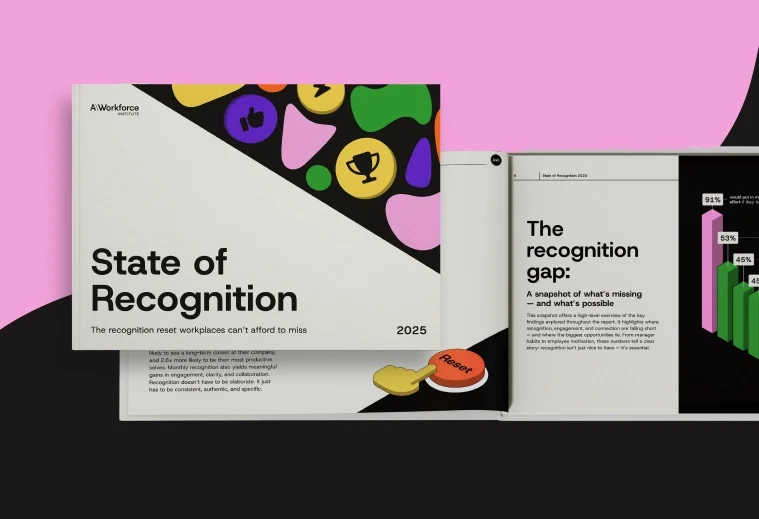
Recent extensive research, including the "State of Recognition Report" which surveyed 2,500 employees across eight diverse regions, underscores a pivotal finding: employees who receive weekly recognition are 2.6 times more likely to perform at their peak. This compelling data simplifies a fundamental truth for business leaders: recognition delivers measurable results when it is frequent, deeply meaningful, and explicitly linked to the behaviors and values an organization aims to cultivate. This guide delves into the mechanisms that render recognition truly impactful, explores effective reward strategies, and offers actionable insights for embedding appreciation as an ingrained organizational habit rather than an occasional afterthought.
The Foundational Link: Recognition, Engagement, and Retention
Employee engagement is not a metric that can be mandated; it is an organic outcome cultivated through deliberate efforts, with recognition standing as one of its most potent catalysts. At its essence, employee recognition involves formally acknowledging and appreciating the diverse contributions, positive behaviors, and significant achievements that propel an organization forward. This can manifest in myriad forms, from a timely, personal "thank you" to a highly visible, company-wide celebration. When executed consistently and authentically, it transforms into a powerful engine for fostering engagement.
The profound importance of this connection cannot be overstated. Recognition directly shapes employees’ perceptions of their work and their workplace environment. According to the Achievers Workforce Institute (AWI), a staggering 75% of employees do not feel consistently appreciated or engaged, indicating a vast untapped potential for most organizations. Conversely, when employees do experience genuine appreciation, the ripple effect is substantial: they become 12 times more likely to perceive their work as meaningful and 17 times more likely to envision a long-term career path within their current company.

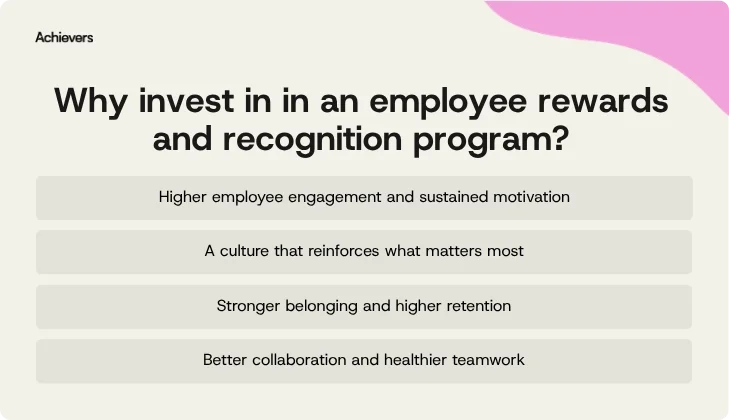
This transformative impact is directly correlated with consistency. Recognition is not a singular event; it is a continuous practice that permeates the daily employee experience. AWI research further reveals that employees receiving frequent, meaningful recognition are 2.6 times more productive and an impressive six times more likely to remain with their employer over the long term. This positions recognition not merely as a "feel-good" initiative but as a strategic business imperative. It fortifies a sense of belonging, clearly delineates successful behaviors, and connects individuals to a broader, shared organizational purpose. When skillfully implemented, recognition programs not only enhance engagement but also drive performance and retention across the entire workforce. This strategic value is further amplified when recognition is underpinned by robust structure and consistency, precisely where formal employee rewards and recognition programs play a crucial role.
Evolving Landscape: Key Trends Shaping Employee Appreciation
Employee recognition is undergoing a significant transformation, evolving from a standalone human resources function into an indispensable driver of organizational success. For executive leadership, understanding these shifts is paramount, as they highlight a clear movement towards more frequent, data-driven, and deeply culturally embedded programs.
Several key trends are currently redefining the landscape of employee recognition:
- Shift to Continuous Recognition: Leading organizations are transitioning from traditional milestone-based recognition (e.g., annual awards, service anniversaries) to continuous recognition models. This approach emphasizes reinforcing positive behaviors and contributions in real time, making appreciation an ongoing part of the daily work experience rather than a delayed, sporadic event. This immediacy strengthens the behavioral link and ensures that efforts are acknowledged promptly.
- Empowerment of Peer-to-Peer Recognition: Expanding the scope of recognition beyond managerial discretion is proving highly effective. Peer-to-peer recognition programs empower colleagues to acknowledge each other’s contributions, increasing the reach and authenticity of appreciation across large workforces. This democratizes recognition, fostering a supportive and collaborative culture where individuals actively celebrate each other’s successes, often capturing valuable contributions that might otherwise go unnoticed by management.
- Value-Aligned and Strategic Recognition: A growing trend involves explicitly linking recognition efforts with core company values and strategic business objectives. By aligning recognition with organizational culture, companies can strategically influence employee behavior, reinforce desired traits (such as innovation, collaboration, or customer-centricity), and ensure that recognition directly contributes to broader strategic goals. This transforms abstract values into actionable, celebrated behaviors.
- Integrated Platforms for Holistic Experience: Companies are increasingly consolidating recognition, rewards, and feedback mechanisms into unified digital platforms. These integrated solutions offer a streamlined, scalable, and measurable approach to managing employee appreciation, making it easier for HR and leadership to deploy, track, and optimize programs across diverse teams and geographies.
- Data-Driven Insights and Analytics: Modern recognition programs leverage data to provide actionable insights. Leaders are utilizing recognition data to monitor participation rates, identify potential engagement gaps within teams, and establish clear connections between recognition efforts and critical business outcomes like employee retention, productivity, and overall organizational health. This data-driven approach enables continuous refinement and optimization of programs.
- Personalized and Timely Appreciation: Employees today expect recognition that is timely, personalized, and genuinely reflects their unique contributions. Generic praise falls flat; instead, appreciation that highlights specific achievements and connects them to a larger purpose resonates more deeply, fostering a stronger sense of value and belonging.
Collectively, these trends signal a definitive shift: recognition is no longer merely a gesture of appreciation but a sophisticated, strategic instrument for shaping workforce behavior and driving tangible business results. Advanced platforms that seamlessly integrate recognition, rewards, and actionable insights enable organizations to operationalize these trends at scale, transforming everyday moments of appreciation into measurable, sustained impact.
Beyond the "Thank You": Dissecting Recognition and Rewards
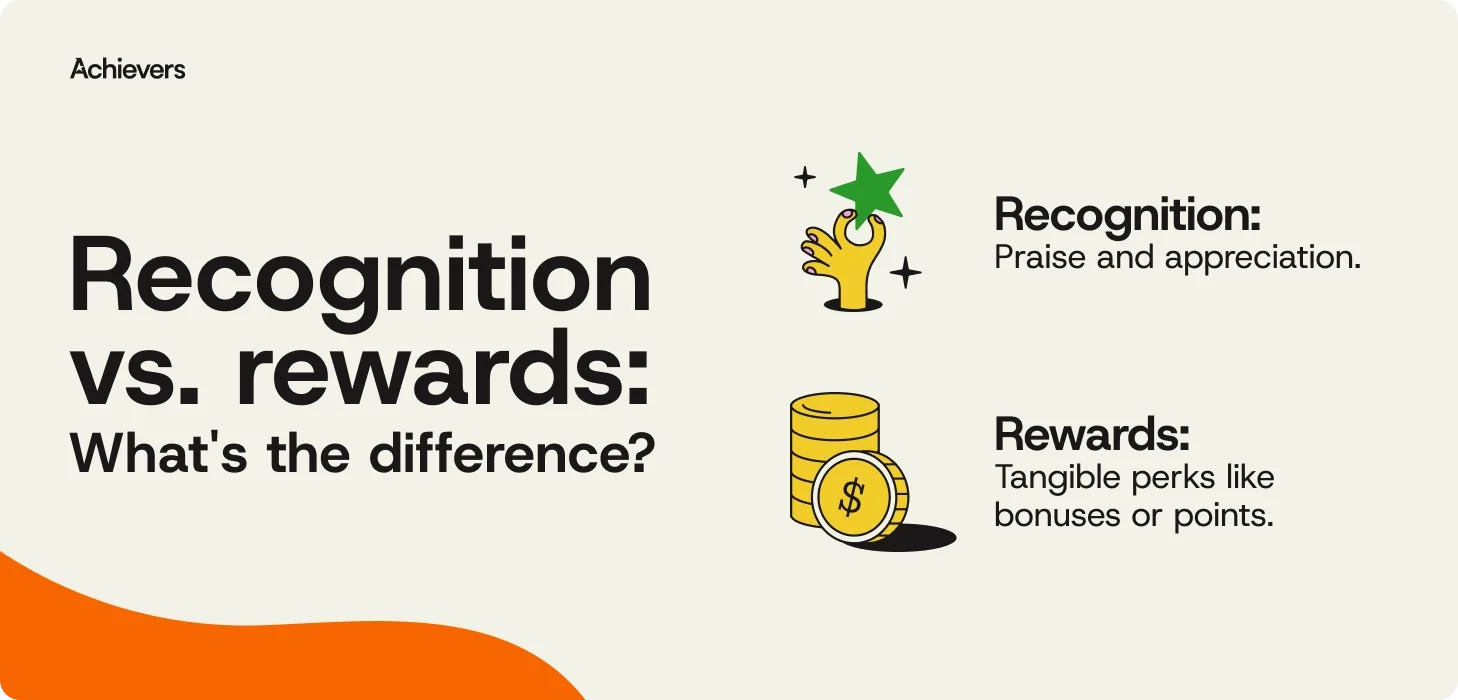
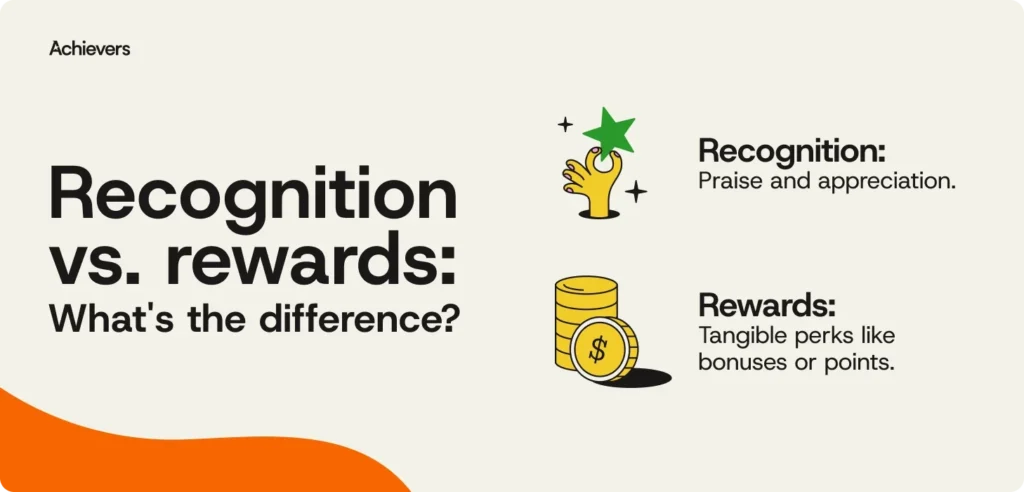
While closely related, employee recognition and employee rewards are distinct concepts, and understanding their individual roles is crucial for designing a truly impactful program. The most robust R&R initiatives intentionally leverage both. For nascent or growing organizations, establishing consistent, visible, and frequent recognition often precedes the formalization of rewards, creating a foundation of appreciation. As teams expand and organizational complexity increases, rewards then add a structured layer of reinforcement.
- Recognition: This is the act of acknowledging an employee’s effort, behavior, or results. It is often social and visible, serving to reinforce desired values and make exemplary work more transparent and replicable. Recognition can be as simple as a heartfelt "thank you" message, a public shout-out in a team meeting, or a detailed note explaining the specific impact of an individual’s contribution. Its primary function is to communicate, "I see what you did, and it truly mattered."
- Rewards: These are tangible benefits provided in conjunction with recognition. Rewards typically encompass items such as monetary bonuses, gift cards, points redeemable for various items, unique experiences, or exclusive perks. They add a material layer of value to recognition, providing a tangible reinforcement of the appreciation conveyed. However, rewards are most effective when paired with clear, specific, and meaningful recognition; without this context, they can become purely transactional. The message conveyed by rewards is, "And we value it."
The most effective R&R programs do not treat these as mutually exclusive options but rather as complementary elements. By combining timely, genuine recognition with thoughtful, meaningful rewards, organizations can powerfully reinforce desired behaviors, thereby driving engagement, performance, and retention without introducing unnecessary complexity into the process.
The Tangible Return: Quantifying the Business Value of Recognition
The intuitive understanding that recognition matters is now firmly supported by robust data, demonstrating its measurable impact when implemented consistently and with clear intent. Insights from Achievers Workforce Institute’s "State of Recognition Report" unequivocally confirm that recognition works, but only when it is architected for scalability and sustained engagement.
- Elevated Engagement: Employees who receive recognition at least once a month exhibit 45% higher engagement levels. This highlights that regular appreciation creates momentum, signaling to employees that their contributions are consistently noticed, rather than acknowledged only during formal performance reviews or when issues arise. Embedding appreciation into the daily rhythm of work significantly boosts overall engagement.
- Reduced Turnover Risk: Consistent recognition from managers reduces the risk of employee turnover by 35%. Managerial recognition holds significant weight because it directly connects effort to organizational expectations and priorities. Regular recognition from direct supervisors builds critical trust, enhances clarity regarding roles and objectives, and fosters confidence – all crucial factors influencing an employee’s decision to remain with an organization versus seeking opportunities elsewhere.
- Positive Business Outcomes from Peer Recognition: Organizations that implement peer-to-peer recognition programs are 37% more likely to report positive business outcomes. Recognition cannot scale effectively if it solely rests with managers. Peer recognition decentralizes appreciation, reinforcing cultural values at every organizational level and making appreciation visible across diverse teams. Furthermore, it captures valuable contributions that leaders might not otherwise observe, transforming recognition into a shared, collective responsibility rather than a top-down mandate.
- Success Through Frequency and Affordability: Recognition programs prioritizing frequent, low-cost moments are 26% more likely to succeed. While significant, high-value rewards are memorable, the sustainability and long-term impact often derive from consistent, smaller moments of appreciation. Programs that focus on regular, meaningful recognition over occasional, high-cost incentives are not only easier to maintain but also far more effective at shaping and reinforcing desired behaviors over time.
- Impact of Social (Non-Monetary) Recognition: Social recognition, which is non-monetary, can account for 60-70% of total recognition efforts and still drive substantial results. Recognition does not require significant financial investment to be impactful. Public praise, heartfelt messages, and visible appreciation fulfill a fundamental human need to feel seen and valued. While monetary rewards add material value, it is social recognition that primarily builds deep connections and a positive organizational culture at scale.
- Value Alignment Drives Performance: An impressive 96% of high-performing recognition programs explicitly align recognition with company values. Highly impactful programs are selective; they prioritize recognizing what truly matters most to the organization. When recognition is directly tied to the organizational culture and core values, it effectively reinforces strategic priorities, guides desired behaviors, and transforms abstract values into tangible, everyday actions that employees can model and repeat.
- Meaningful Milestone Awards: Milestone awards that reflect meaningful moments of growth, impact, and contribution drive 50% higher retention rates compared to generic "years-of-service" awards. Employees are more likely to commit long-term when recognition feels personal, relevant to their journey, and genuinely earned, rather than merely a standard acknowledgment of tenure.
These statistics collectively underscore a vital message for business leaders: achieving substantial impact through recognition does not necessitate an exorbitant budget. Instead, it requires thoughtful intention, a strategic design, and unwavering follow-through to embed appreciation deeply within the organizational fabric.
Building an Impactful Program: Design and Implementation Principles
Creating an R&R program that consistently delivers results need not be overly complex. With a clear structure, a focused approach, and a genuine commitment to appreciation, organizations can cultivate a recognition experience that employees truly value and enjoy. The following principles are crucial for success:
- Frequent and Frictionless Recognition: Frequency is paramount. When recognition is woven into the daily rhythm of work, rather than reserved for birthdays or annual reviews, employees feel consistently seen and supported in real time. The most effective programs actively dismantle barriers to recognition, employing simple, intuitive platforms that empower everyone—from senior executives to new hires—to participate effortlessly.
- Specific and Meaningful Praise: Generic praise is easily forgotten. Recognition achieves maximum impact when it clearly articulates what an individual did and why it mattered. Instead of a vague "great job," leaders should highlight the specific behavior or outcome they wish to reinforce, such as helping a team meet a challenging deadline, proactively assisting a customer, or fostering cross-functional collaboration. Specific recognition builds clarity, reinforces desired behaviors, and makes exemplary work repeatable.
- Solicit and Act on Feedback: The most successful recognition programs are dynamic and evolve over time. Regularly soliciting employee feedback, whether through formal satisfaction surveys, informal pulse checks, or direct conversations, provides invaluable insights into what aspects of the program are resonating and which areas require improvement. Equally important is demonstrating to employees that their input leads to tangible changes. This commitment to listening and acting upon feedback builds trust, enhances program credibility, and fosters long-term engagement.
- Strategic Partnership with the Right Platform: The effectiveness of a recognition program is intrinsically linked to the underlying platform that supports it. A carefully selected third-party solution should not merely simplify the act of recognition; it should actively facilitate the transformation of appreciation into a consistent, measurable, and integrated habit across the entire organization. When evaluating employee recognition platforms, key considerations include ease of use, integration capabilities, comprehensive reward options, and robust analytics.
Architecting the System: Selecting the Right Employee Recognition Platform
Choosing the appropriate recognition system is a foundational step in building an effective program. This decision should be guided by strategic objectives and practical considerations:
- Define Program Purpose and Goals: Before evaluating platforms, clearly articulate what the recognition system is intended to achieve. Goals might include enhancing recognition consistency, increasing manager participation, strengthening alignment with company values, or improving specific performance metrics. A system without a defined purpose risks failing to gain traction and deliver meaningful outcomes.
- Prioritize Simplicity and Intuition: Opt for a platform that enables recognition to be given quickly and easily, ideally with just a few clicks, without requiring extensive training or additional effort. Ease of use is a primary driver of adoption and consistent behavior. If the platform is cumbersome or unclear, employees will bypass it, leading to inconsistent program utilization.
- Seamless Integration into Daily Workflows: Select a system that integrates natively with tools employees already use, such as Microsoft Teams, Outlook, Slack, and Zoom. Systems that operate outside of existing daily workflows create unnecessary friction, requiring employees to switch applications or log into separate platforms, thereby diminishing the impact and frequency of recognition.
- Comprehensive Recognition and Reward Capabilities: The ideal system should support both visible, shared recognition and flexible, meaningful reward options. Recognition should be easy to give and highly visible, while rewards should offer employees a diverse range of choices. Look for features such as interactive newsfeeds to spotlight achievements and an extensive rewards marketplace that can cater to varied employee interests and preferences.
- Alignment with Company Values: Choose a system that actively prompts or encourages employees to link their recognition messages to specific behaviors, company goals, or core values. Built-in value tagging or structured recognition categories make appreciation more consistent, reinforce cultural priorities, and provide clear examples of what high performance looks like in action.
- Robust Reporting and Participation Data: A critical feature is the ability to track and analyze how recognition is being used across the organization, including frequency, reach, and participation rates. Comprehensive dashboards and participation analytics allow leaders to identify gaps, such as teams with low recognition activity or managers who are not actively engaging, enabling timely interventions to maintain program consistency and effectiveness.
- Pre-Rollout Pilot Testing: Before a full organizational rollout, test the platform with a small pilot group of actual employees. This testing phase should confirm seamless integration with their existing workplace tools and accessibility across both desktop and mobile devices. Early feedback also helps determine whether employees naturally adopt the system or if further encouragement and training are required, allowing for necessary adjustments before widespread deployment.
Strategic Allocation: Budgeting for Employee Rewards
Effective budget planning is fundamental to the success and sustainability of an employee rewards program. A pragmatic approach begins with establishing a per-employee budget, often an annual fixed amount. This method simplifies cost forecasting, ensures fairness across the organization, and facilitates scalable program growth as the workforce expands.
Next, define the allocation strategy for this budget. Rather than concentrating funds into a few large, infrequent awards, distribute the budget across several distinct categories to ensure broad and consistent recognition:
- Spot Recognition: Funds for spontaneous, real-time appreciation of everyday efforts.
- Performance-Based Rewards: Allocated for significant achievements linked to specific performance goals.
- Milestone and Service Awards: Budget for celebrating tenure, career growth, and significant project completions.
- Peer-to-Peer Recognition: A portion dedicated to empowering colleagues to reward each other.
This diversified structure helps ensure that recognition is distributed equitably and frequently across all business units.
Rigorous tracking and control are indispensable. Reward programs should offer transparent reporting on fund allocation, utilization rates, and remaining budget balances. This data enables HR and people leaders to make informed adjustments throughout the year, ensuring that budgets are fully leveraged and directly contribute to program objectives.
Finally, connect all budget decisions to demonstrable outcomes. Utilizing tools like an ROI calculator can provide a clear understanding of the financial impact of a rewards program, empowering HR and people leaders to make data-driven budget allocations. A strong budget plan is characterized by its simplicity in management, its capacity to support frequent recognition, and its assurance that every dollar invested translates into meaningful employee impact.
Conclusion: A Cornerstone of Modern Talent Strategy
When executed with precision and genuine intent, a well-structured employee rewards and recognition program transcends its perceived status as an HR perk to become a cornerstone of organizational success. It cultivates an environment where employees feel profoundly valued, fostering a pervasive culture of appreciation that directly influences critical business metrics. Frequent, meaningful recognition, explicitly aligned with company values, actively encourages the positive behaviors that lead to enhanced team dynamics, superior performance, and ultimately, a more robust bottom line.
Whether an organization is formalizing its recognition efforts for the first time or aiming to scale existing programs across a vast and diverse workforce, the strategic choices made today will directly shape its future trajectory. Modern, user-friendly platforms, often mobile-enabled, streamline the entire process, facilitating everything from spontaneous peer-to-peer appreciation to structured manager-driven recognition and flexible, points-based reward systems. By offering a wide array of rewards that genuinely resonate with employees, organizations can craft a recognition experience that not only keeps their workforce highly motivated but also deeply committed, fostering enduring loyalty and a thriving, productive workplace.