Modern employee rewards programs transcend mere gestures of gratitude; they are pivotal strategic tools designed to cultivate engagement, bolster retention, and synchronize an entire workforce towards shared objectives. The impact of well-crafted recognition is profound, with the Achievers State of Recognition Report revealing that employees with access to a personalized global rewards marketplace are 60% more likely to report feeling meaningfully recognized at work. This significant data point underscores the transformative potential of thoughtfully designed recognition initiatives, moving beyond perfunctory acknowledgments to create tangible business value. This comprehensive analysis will dissect the mechanics of effective employee rewards programs, explore the diverse range of valuable incentives, and delineate the critical factors that elevate an average program to an exceptional one, providing a blueprint for organizations aiming to build systems that are both deeply appreciated and demonstrably effective.
The Evolving Landscape of Work and Recognition
The concept of employee recognition has undergone a dramatic evolution, particularly in the wake of significant shifts in the global labor market and technological advancements. Historically, recognition often manifested as annual bonuses, long-service awards, or top-down accolades, often lacking personalization and frequency. However, the rise of the gig economy, the prevalence of remote and hybrid work models, and the "Great Resignation" phenomenon have fundamentally reshaped employee expectations and challenged traditional HR paradigms. Today’s workforce, particularly younger generations, values continuous feedback, meaningful connection, and recognition that acknowledges individual contributions and aligns with personal preferences.
The "Great Resignation," which saw millions of workers voluntarily leave their jobs, highlighted the critical need for organizations to prioritize employee well-being, culture, and recognition as core retention strategies. In this highly competitive talent market, where skilled professionals have more options than ever, a compelling employee value proposition extends far beyond salary and benefits. It encompasses a holistic experience where employees feel seen, heard, and valued. Industry reports from organizations like Gallup consistently show that highly engaged teams outperform disengaged ones across key business metrics, including profitability, productivity, and customer satisfaction. Therefore, investing in robust recognition programs is no longer merely a human resources function but a strategic business imperative that directly impacts an organization’s bottom line and long-term sustainability.
Key Principles for Building High-Impact Programs
Creating an effective employee rewards program is not a one-time deployment but an ongoing, iterative process requiring intentionality and a people-first design. The most successful programs are dynamic, adapting to organizational changes and evolving employee needs.
-
Strategic Alignment: Setting Clear Goals and Tying Rewards to Values
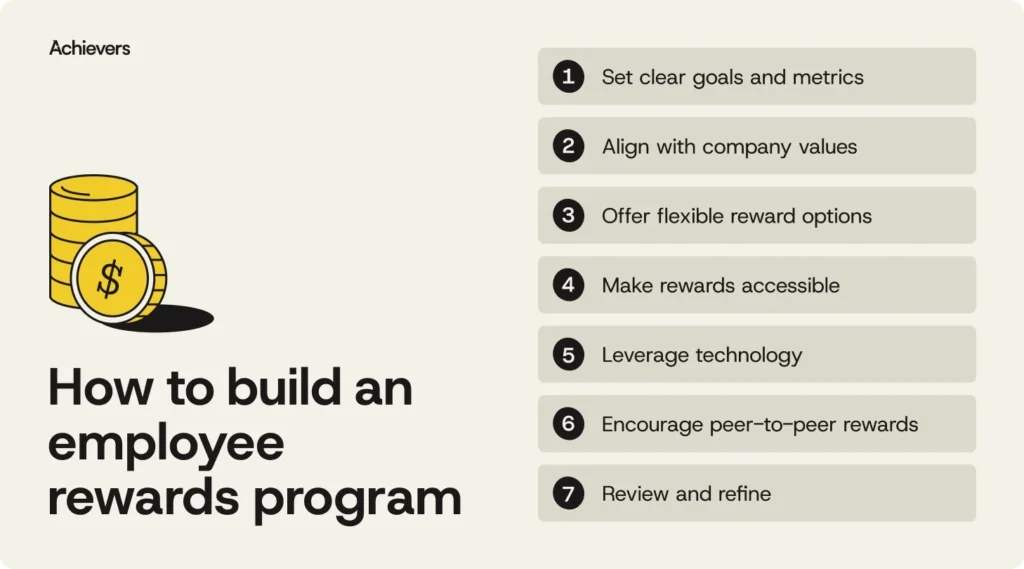
Every successful rewards program must have a defined "why." Before implementation, organizations must articulate clear objectives, whether it’s boosting sales, improving customer satisfaction, enhancing collaboration, or reducing turnover. These goals must be measurable, allowing for continuous evaluation of the program’s impact. For instance, if the goal is to improve team collaboration, rewards could be specifically tied to cross-functional project success or peer nominations for collaborative efforts.Crucially, rewards should also be intrinsically linked to core organizational values. When a "thank you" message or a reward is explicitly connected to a company value—such as innovation, integrity, or customer focus—it reinforces desired behaviors and reminds employees of what truly matters beyond just hitting metrics. This connection transforms recognition from a transactional exchange into a powerful cultural reinforcement mechanism, embedding values into the daily fabric of the workplace.
-
Personalization and Flexibility: Addressing Diverse Preferences
One size rarely fits all in employee recognition. The days of generic branded merchandise or uniform movie tickets as universal motivators are largely over. Research consistently shows that employees have diverse preferences when it comes to rewards. A global workforce, in particular, requires a global rewards marketplace with a wide array of options, from gift cards and charitable donations to unique experiences or opportunities for professional development. Providing flexibility empowers employees to choose rewards that genuinely resonate with them, making the recognition feel more personal and, therefore, more impactful. This personalization significantly increases the likelihood of employees actively engaging with and valuing their rewards.
-
Accessibility and Inclusivity: Reaching Every Employee
An effective rewards program must be universally accessible and inclusive. If a program requires extensive training manuals, complex navigation, or is primarily designed for desk-based employees, it risks alienating a significant portion of the workforce, especially deskless or frontline workers. The design should prioritize ease of use, ensuring that giving and receiving recognition is intuitive and seamless, regardless of an employee’s role, location, or technological proficiency. This inclusivity ensures that every employee, from a remote software engineer to a retail associate or a factory worker, feels equally valued and has the opportunity to participate and be recognized. -
Technological Enablement: Streamlining the Experience
Leveraging the right technology is fundamental to scaling and sustaining a modern recognition program. A robust recognition platform can automate processes, track engagement, provide valuable analytics, and integrate with existing HR and communication tools (e.g., Slack, Microsoft Teams, Workday). This technological integration removes friction for both managers and employees, making it easier to give and receive recognition in the flow of work. For managers, it simplifies the administration of rewards and provides insights into recognition trends. For employees, it offers a user-friendly interface to receive, redeem, and often publicly display their acknowledgments, amplifying their impact. -
Fostering a Culture of Appreciation: The Power of Peer-to-Peer Rewards
Recognition should not exclusively flow from the top down. Some of the most potent and authentic forms of praise originate from peers—the colleagues employees work alongside daily. Encouraging peer-to-peer recognition fosters a culture of mutual respect and appreciation, empowering every employee to acknowledge and celebrate the contributions of others. This democratic approach to recognition can uncover hidden achievements, strengthen team bonds, and create a more positive and supportive work environment. Platforms that facilitate easy peer-to-peer recognition, often with small, value-tied bonuses, are highly effective in cultivating this culture. -
Continuous Improvement: Data-Driven Refinement
A truly successful employee rewards program is never static. It requires regular review and refinement. Organizations must continuously monitor key metrics, gather employee feedback, and analyze redemption patterns to understand what resonates and what falls flat. Are specific reward types more popular? Is recognition happening consistently across departments? Are there any biases in who receives recognition? By maintaining a data-driven approach, companies can identify areas for improvement, adapt their offerings, and ensure the program remains relevant, engaging, and impactful over time. This iterative process prevents the program from becoming stale or underutilized, ensuring budget efficiency and maximizing employee benefit.
The Tangible Benefits: Beyond a Simple ‘Thank You’
When implemented effectively, employee rewards programs yield significant, measurable benefits that extend far beyond simple morale boosting.
- Quantifiable ROI: Engagement, Productivity, and Retention: Engaged employees are more productive, innovative, and committed. A well-designed recognition program directly contributes to higher engagement levels, which, according to various studies, can lead to a 21% increase in profitability. Furthermore, meaningful recognition significantly impacts employee retention. Companies with robust recognition programs experience 31% lower voluntary turnover rates than those without. Given the high cost of employee turnover (often estimated at 1.5-2 times an employee’s annual salary), the ROI of an effective program quickly becomes evident.
- Impact on Company Culture and Employer Branding: Recognition programs are powerful culture shapers. By consistently acknowledging behaviors aligned with company values, organizations reinforce their desired culture. This positive internal culture, in turn, strengthens employer branding, making the company more attractive to prospective talent. A reputation for valuing and appreciating employees is a significant competitive advantage in the war for talent.
- Employee Well-being and Morale: Feeling appreciated is fundamental to human psychology and directly contributes to employee well-being. Regular, meaningful recognition can reduce stress, combat burnout, and enhance overall job satisfaction. This boost in morale translates into more positive attitudes, better teamwork, and a more resilient workforce.
Industry Leaders in Employee Recognition Platforms
The market for employee recognition platforms has matured, offering a diverse range of solutions tailored to different organizational needs. Here are some of the leading providers, each with distinct strengths:
-
Achievers: The Comprehensive Ecosystem
Achievers stands out as a leading employee recognition and rewards platform, engineered to influence behavior and generate measurable business outcomes. Its global rewards marketplace boasts over 3 million options, with fulfillment capabilities in nearly 190 countries, ensuring that employees in mid-market and enterprise organizations worldwide feel acknowledged, valued, and motivated. The breadth of rewards, from gift cards and charitable donations to custom travel experiences, emphasizes meaningfulness and personalization. Achievers prioritizes seamless integration with popular workplace tools such as Workday, Zoom, Slack, and the Microsoft ecosystem, enabling recognition to occur naturally within daily workflows. Its commitment to 24/7 in-language support and zero markups on rewards further enhances value and accessibility, making it a robust solution for diverse and complex teams looking to convert recognition into improved performance, higher retention, and sustained growth. -
Workhuman: Culture and Social Impact
Workhuman differentiates itself by integrating recognition with a strong focus on social impact and culture building. Their platform emphasizes storytelling within recognition moments, encouraging employees to share narratives of positive impact, which deepens emotional connections and reinforces cultural norms. Beyond traditional rewards, Workhuman offers functionalities for continuous peer-to-peer feedback, sophisticated service awards, and regular employee check-ins, promoting a holistic approach to employee experience. This platform appeals to organizations seeking to foster a deeply human-centric culture where appreciation is a shared, celebrated activity.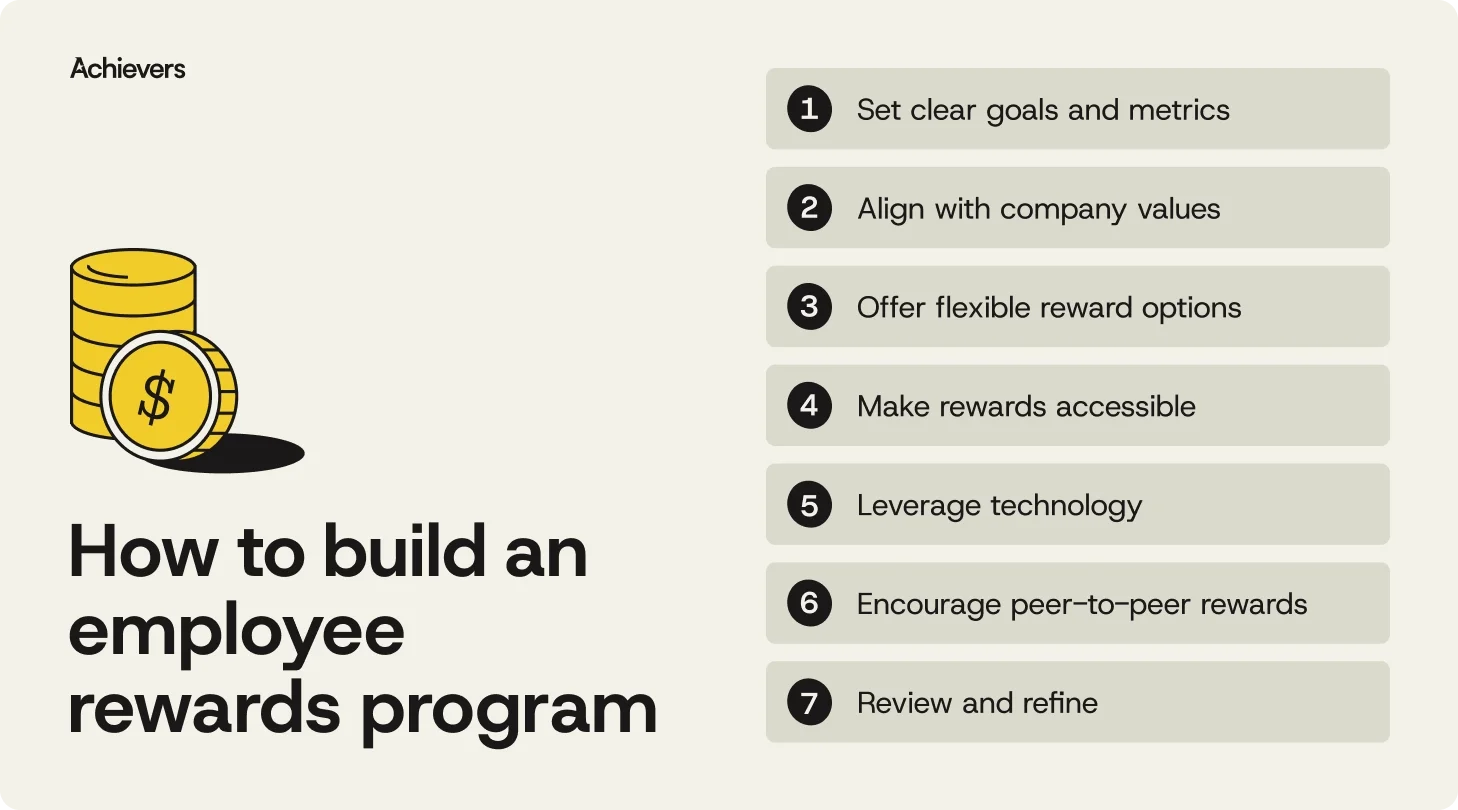
-
O.C. Tanner: Milestones and Legacy
O.C. Tanner has a long-standing reputation for its expertise in recognition, particularly focusing on significant career milestones such as service anniversaries, performance achievements, and team celebrations. Their offerings include a comprehensive global rewards catalog and robust support for company-branded awards, allowing organizations to embed their identity into the recognition experience. O.C. Tanner’s strength lies in helping companies commemorate important moments, building a sense of loyalty and shared history among employees, and ensuring that significant contributions are celebrated with dignity and impact. -
Awardco: Amazon Integration and Choice
Awardco distinguishes itself through its innovative integration with Amazon’s vast global catalog, offering unparalleled flexibility and automation in reward redemption. This partnership allows employees to redeem points for virtually any item available on Amazon, alongside other options like event tickets and charitable contributions. The platform’s focus on choice and ease of use, leveraging a universally familiar retail experience, makes it highly appealing. Awardco is particularly attractive to organizations that want to offer maximum choice and convenience without the administrative overhead of managing a diverse physical rewards inventory. -
Reward Gateway: Holistic Engagement
Reward Gateway provides an all-in-one platform that combines employee engagement, internal communications, and rewards functionalities. Beyond recognition, it offers a comprehensive discount hub, peer recognition tools, and various wellness features. This integrated approach positions Reward Gateway as a holistic solution for organizations looking to streamline multiple employee experience initiatives under a single platform. Its broad suite of tools aims to enhance every aspect of the employee journey, from financial well-being through discounts to mental and physical health via wellness programs. -
Bonusly: Agile Peer Recognition
Bonusly excels as a user-friendly, peer-to-peer recognition platform designed for simplicity and high adoption rates. It enables employees to send small "micro-bonuses" to colleagues, which can be tied to specific company values or positive behaviors. The platform’s lightweight and intuitive interface encourages frequent, informal recognition, making it easy for employees to acknowledge daily contributions. Bonusly is ideal for companies that prioritize fostering a culture of continuous, organic appreciation and want a straightforward system that encourages widespread participation.
The Future of Employee Rewards: Trends and Innovations
The trajectory of employee rewards is marked by continuous innovation, driven by advancements in technology and a deeper understanding of human motivation.
- AI and Predictive Analytics: Artificial intelligence is increasingly being leveraged to analyze recognition patterns, identify potential burnout risks, and even suggest appropriate recognition moments or reward types. Predictive analytics can help HR leaders anticipate turnover by identifying employees who haven’t received recognition in a while or whose engagement scores are declining.
- Hyper-Personalization at Scale: The trend towards personalization will only intensify, moving beyond choice within a marketplace to AI-driven suggestions based on individual preferences, past behaviors, and career goals. This could include personalized learning opportunities, wellness subscriptions, or bespoke experiences.
- Integration with Holistic Employee Experience Platforms: Recognition platforms will become even more deeply embedded within broader employee experience (EX) ecosystems, connecting seamlessly with performance management, learning and development, wellness programs, and internal communications to provide a unified, integrated experience.
- ESG and Social Impact Rewards: As corporate social responsibility and environmental, social, and governance (ESG) factors gain prominence, rewards that enable employees to contribute to social causes, participate in volunteer efforts, or support sustainable initiatives will become more prevalent and valued.
Conclusion
The most impactful employee rewards programs are not accidental; they are meticulously constructed with purpose and foresight. When rewards are strategically aligned with organizational values, when recognition is made effortlessly accessible, and when data-driven insights continuously inform improvements, the impact extends far beyond simple appreciation. It lays the groundwork for a profoundly engaged workforce. Recognition, in its modern iteration, is not merely an expense but a critical investment in human capital, directly influencing performance, retention, and ultimately, an organization’s bottom line.
Platforms like Achievers provide the necessary tools to transform this vision into reality. With a global rewards marketplace, seamless integrations, and AI-powered insights, organizations can pinpoint and celebrate what truly matters, fostering behaviors that propel business objectives forward. In an increasingly competitive and dynamic global landscape, making recognition and rewards work harder for your business is no longer optional; it is a fundamental pillar of sustained success.