The Evolving Landscape of Employee Recognition
Historically, employee recognition often manifested as infrequent, top-down gestures—an annual bonus, a service award pin, or a formal certificate. While well-intentioned, these traditional methods frequently lacked the immediacy, personalization, and broad reach required to foster a consistently appreciative and engaged workforce. The advent of the digital age, coupled with the rapid shift towards remote and hybrid work models, has fundamentally reshaped this paradigm. Today’s workforce, particularly younger generations, expects frequent, meaningful feedback and recognition that aligns with company values and is visible across the organization. This evolution has necessitated sophisticated technological solutions capable of facilitating real-time, peer-to-peer, and manager-led recognition across distributed teams, making appreciation an ingrained part of the daily workflow rather than a ceremonial event. The challenge lies in ensuring recognition feels authentic, occurs with sufficient frequency, and is universally accessible—from frontline staff to the C-suite. This is precisely where specialized recognition platforms demonstrate their indispensable value, moving beyond mere facilitation to embed recognition into the very operating fabric of an organization.

Key Drivers for Modern Recognition Platforms
Several factors underscore the increasing reliance on advanced employee recognition platforms:
- Employee Engagement & Retention: High employee engagement is directly correlated with lower turnover rates, increased productivity, and enhanced profitability. Studies by Gallup consistently show that highly engaged teams exhibit 21% greater profitability. Effective recognition is a cornerstone of engagement.
- Company Culture Reinforcement: Platforms allow organizations to tie recognition directly to core values, reinforcing desired behaviors and creating a shared understanding of what success looks like.
- Talent Acquisition & Employer Branding: A strong culture of appreciation serves as a powerful magnet for top talent, improving employer brand reputation and reducing recruitment costs.
- Remote and Hybrid Work Challenges: Digital platforms bridge geographical distances, enabling seamless recognition and connection among dispersed teams, mitigating feelings of isolation, and maintaining a cohesive culture.
- Data-Driven Insights: Modern platforms provide analytics on recognition trends, participation rates, and sentiment, offering invaluable insights into employee morale and program effectiveness.
Selecting the Optimal Recognition Platform for 2026
With a proliferation of solutions on the market, identifying the "best" employee recognition platform requires a discerning eye. The ideal platform is not just functional but simple, impactful, and seamlessly integrated into the company’s unique cultural ecosystem. When evaluating options, organizations should prioritize platforms that offer a comprehensive suite of features, including:
- Customizable recognition programs: Tailored to specific company values and objectives.
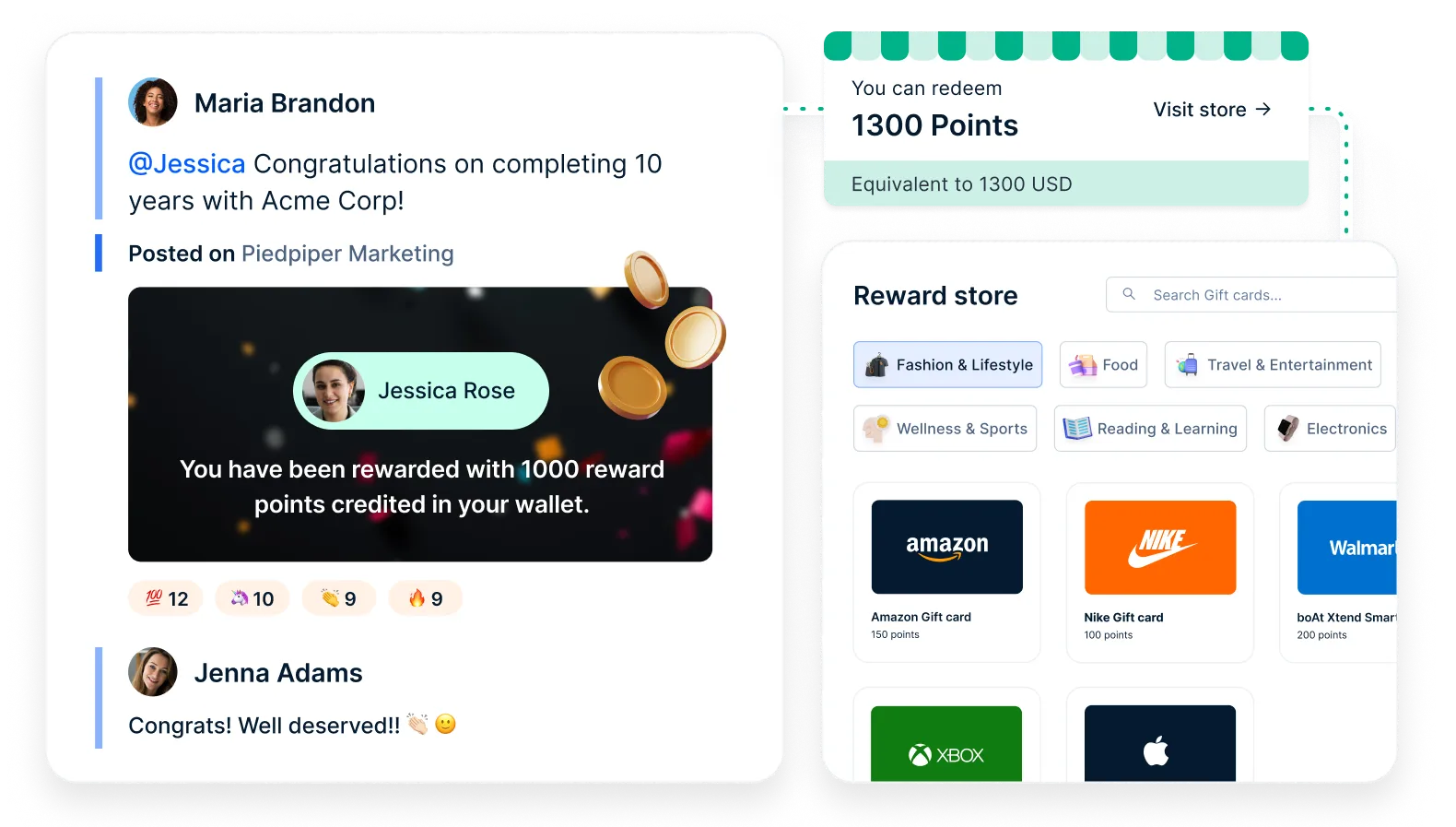
- Global rewards marketplace: Offering diverse, locally relevant options without hidden fees.
- Seamless integrations: With existing HRIS, communication, and collaboration tools (e.g., Slack, Microsoft Teams, Workday).
- Mobile accessibility: Ensuring recognition is possible anytime, anywhere, for all employee types.
- Robust analytics and reporting: Providing actionable insights into program performance and employee sentiment.
- Scalability: Designed to grow with the organization, from mid-market to large enterprise.
- Behavioral science backing: Utilizing proven methodologies to drive desired behaviors and maximize impact.
- Comprehensive support: Including global service and dedicated customer success.
These functionalities collectively ensure that recognition is not only effortless and consistent but also strategically aligned with overarching business objectives.
The 15 Leading Employee Recognition Platforms for 2026: A Detailed Overview
Below is an in-depth look at the top platforms poised to define employee recognition in 2026, each offering unique strengths to cater to diverse organizational needs.
1. Achievers
G2 rating: 4.7/5
Strengths: Achievers stands out as a highly customizable recognition and rewards platform built for scale, serving both mid-market and large enterprise organizations. Its design is deeply informed by behavioral science, spearheaded by its research arm, the Achievers Workforce Institute, connecting appreciation directly to engagement, retention, and performance metrics. The platform boasts industry-leading recognition frequency, with customers often reporting up to five times greater improvements in key outcomes like productivity and cultural strength. Its configurable global rewards marketplace covers over 190 countries with more than 3 million locally relevant options, free from markups or hidden fees. Achievers integrates seamlessly into daily workflows through popular tools like Microsoft Teams, Outlook, Slack, and Workday, complemented by a robust mobile app for remote, hybrid, and frontline teams. Global 24/7 support in over 200 languages and a proven customer success model solidify its position as a comprehensive solution for fostering stronger cultures worldwide.
Best for: Mid-market and enterprise organizations seeking a science-backed recognition and rewards platform that strategically links culture with performance, designed for global scalability.
Key features: AI-driven recognition insights, global rewards marketplace, comprehensive integrations, mobile app, behavioral science principles, dedicated customer success.
Weakness: Its extensive depth, flexibility, and scalability may exceed the requirements or budget of smaller teams, making it potentially over-engineered for organizations with fewer than 500 employees.
Review: "Using Achievers, we have been able to make recognition fun, inclusive, and global at Kellanova. We now have the tool to show our people just how much we value and appreciate them in a public and creative way." – Elizabeth Smith, Sr. Manager, Global Total Health, Kellanova.
2. Mo
G2 rating: 4.6/5
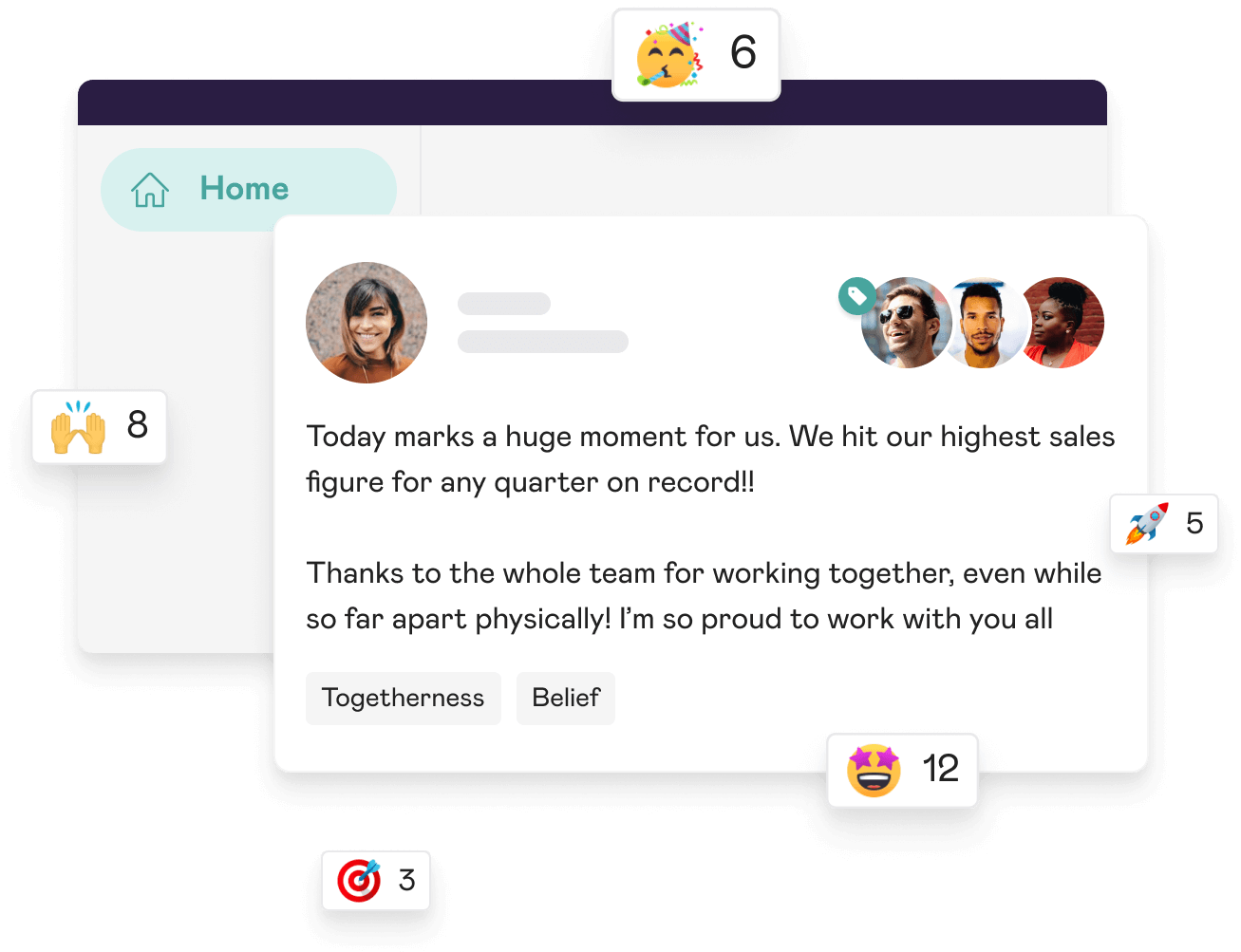
Strengths: Mo is recognized for making appreciation an everyday practice, fostering a social environment where recognition thrives. It supports both manager-led and peer-to-peer appreciation, with integrations into popular communication tools like Microsoft Teams and Slack. Automated features for milestones and values-based recognition ensure consistent acknowledgment, while smart prompts and real-time insights help maintain high visibility and participation across teams. Its intuitive interface encourages widespread adoption.
Best for: Organizations prioritizing a social, user-friendly recognition platform that encourages high participation and connects recognition directly to company values.
Key features: Peer-to-peer "Moments," manager prompts, real-time insights, values-based recognition, integration with communication tools.
Weakness: While strong in recognition and engagement, Mo’s rewards catalog and advanced analytics might not be as extensive or deeply integrated as those offered by more enterprise-focused platforms.
3. Worktango
G2 rating: 4.7/5
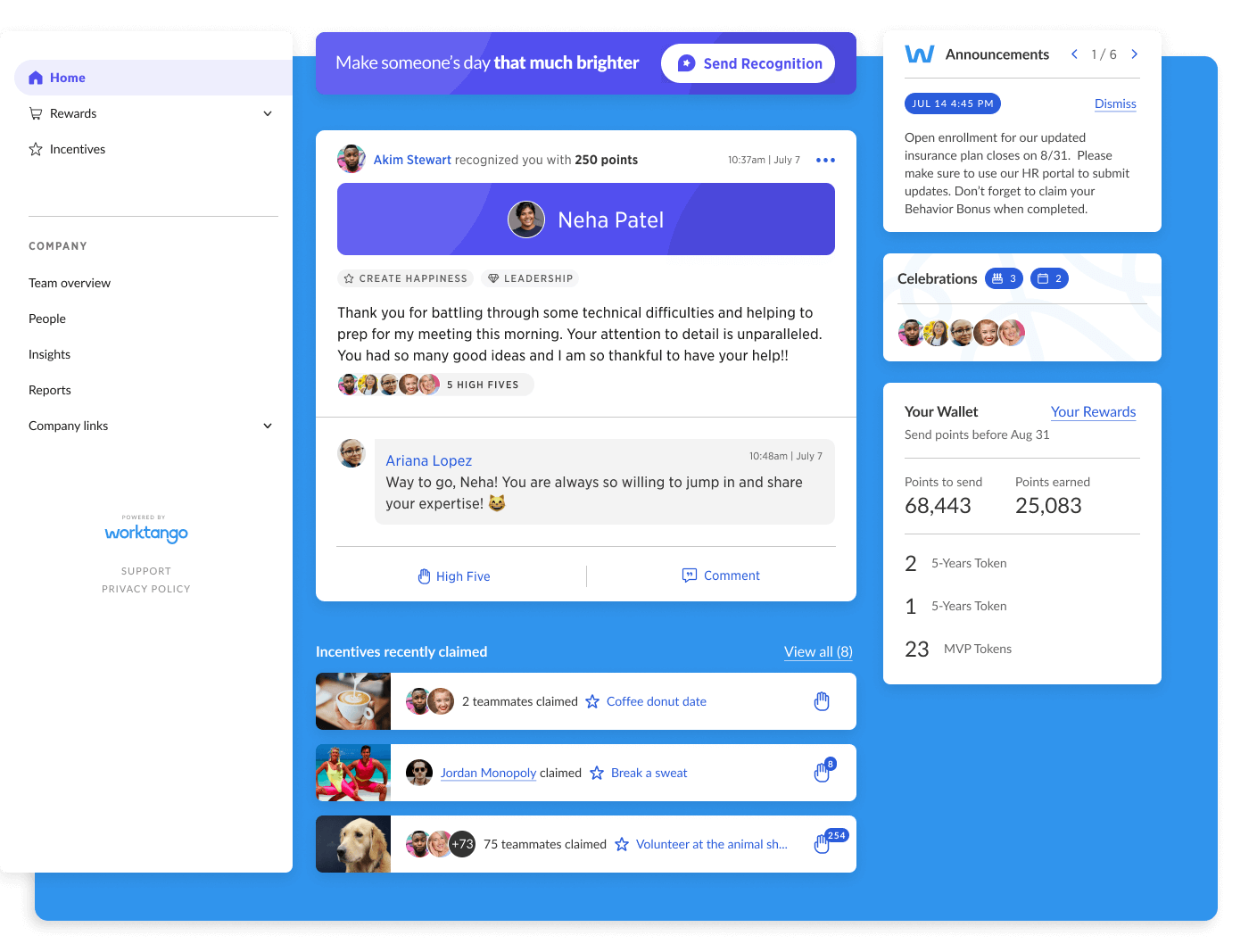
Strengths: WorkTango provides a unified platform for recognition and rewards, designed to streamline appreciation programs and track engagement effectively. It supports both peer and manager-initiated recognition, offering automation for milestone celebrations and incentive programs. Its robust reporting features enable organizations to gain insights into recognition activity across various teams, fostering a data-driven approach to appreciation. Integrations with collaboration tools and access to a diverse rewards marketplace further enhance its utility.
Best for: Organizations seeking an integrated recognition and rewards solution with strong automation capabilities and comprehensive reporting features to monitor program success.
Key features: Recognition and rewards, built-in surveys, automated milestones, robust reporting.
Weakness: WorkTango’s analytical depth regarding behavioral insights, recognition frequency data, or the nuanced metrics offered by platforms built for larger, more complex enterprises may be less pronounced.
4. Motivosity
G2 rating: 4.7/5
Strengths: Motivosity focuses on automated and frequent appreciation, combining peer-to-peer recognition with manager tools. It supports milestone celebrations and spot bonuses, enhanced by built-in features for challenges, awards, and encouraging leader participation. The platform offers intuitive analytics and dashboards to track recognition activity, gauge employee sentiment, and evaluate program performance, providing valuable insights into engagement trends.
Best for: Organizations looking for an automated recognition solution that seamlessly blends peer recognition with manager tools and data-driven insights to foster a culture of frequent appreciation.
Key features: Automated peer recognition, spot bonuses, challenges and awards, analytics dashboards.
Weakness: Motivosity may not offer the same level of enterprise-grade scalability, extensive global support, or the deep behavioral science integration found in larger, more specialized recognition and rewards platforms.
5. Kudoboard
G2 rating: 4.8/5
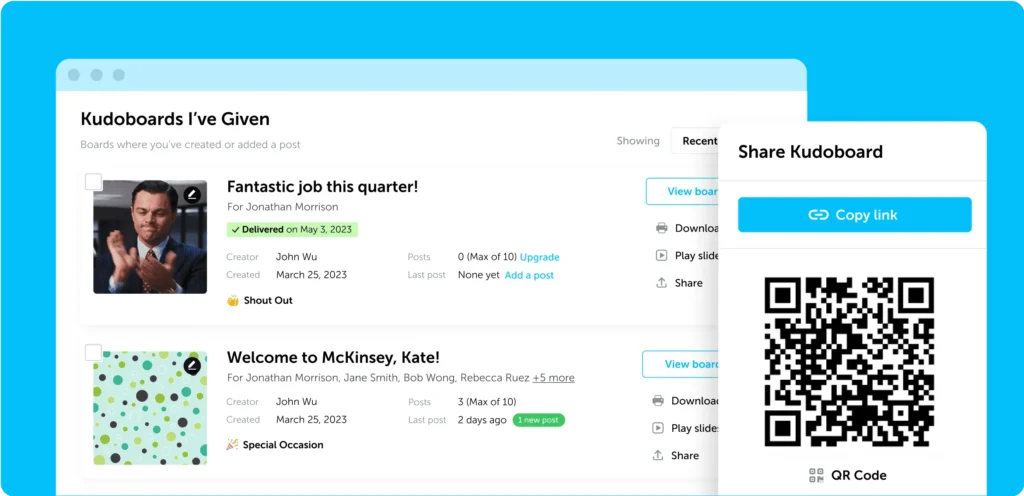
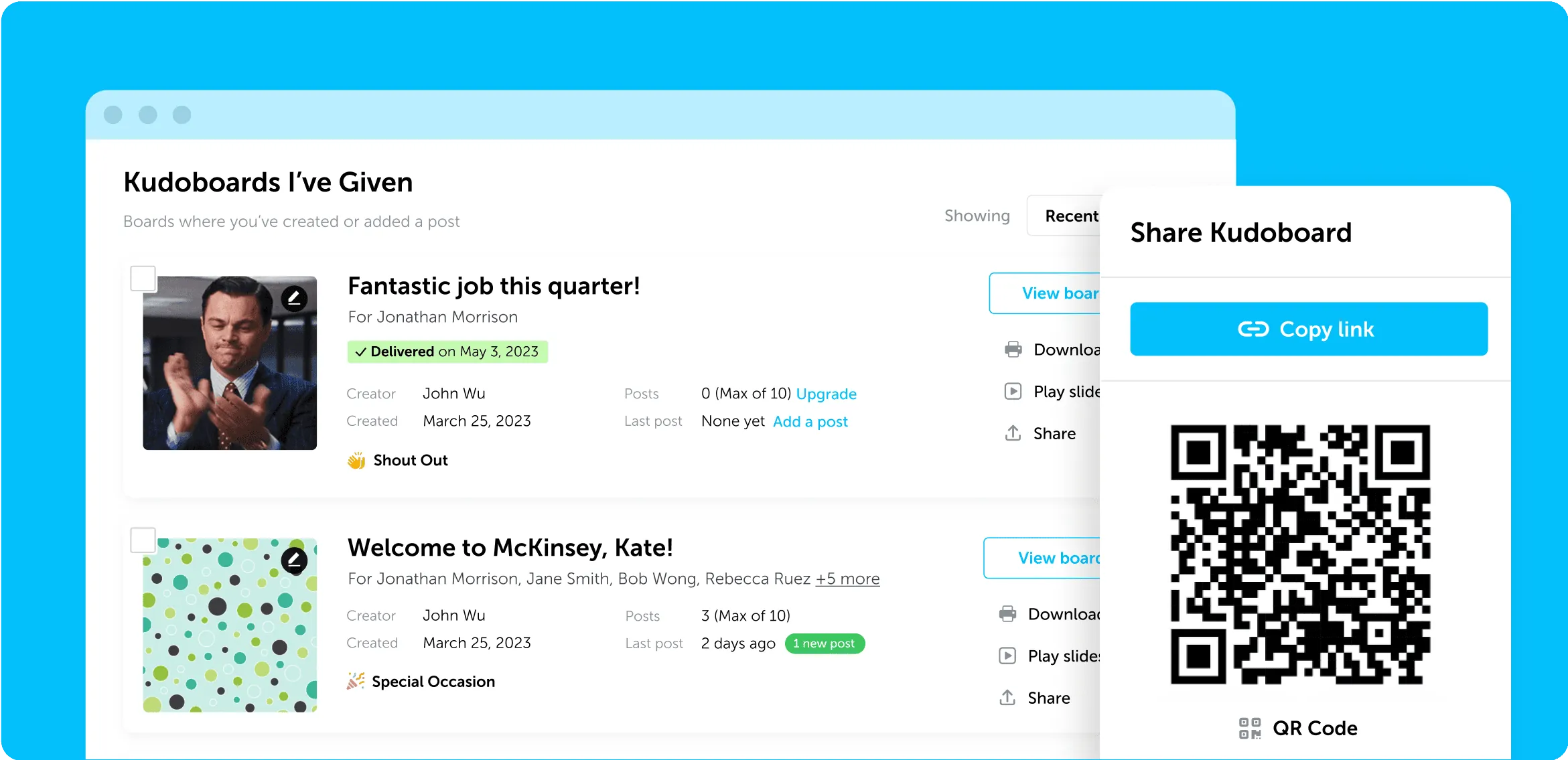
Strengths: Kudoboard offers a unique digital platform for group appreciation through collaborative e-cards and message boards. It enables teams to celebrate a wide array of milestones, events, and daily achievements in a single, shared digital space. With automation for birthdays and anniversaries, customizable branding options, and integrations with common communication tools, Kudoboard excels at creating highly visible, personalized moments of appreciation, particularly valuable for distributed teams.
Best for: Organizations seeking a straightforward, visual, and collaborative method to celebrate milestones and encourage peer recognition, especially in hybrid or fully remote work environments.
Key features: Collaborative group e-cards, automation for milestones, customizable branding, integration with communication tools.
Weakness: Kudoboard’s primary focus is on social recognition and group celebration, meaning it may not provide the detailed behavioral analytics, comprehensive engagement data, or deep recognition insights offered by more all-encompassing platforms.
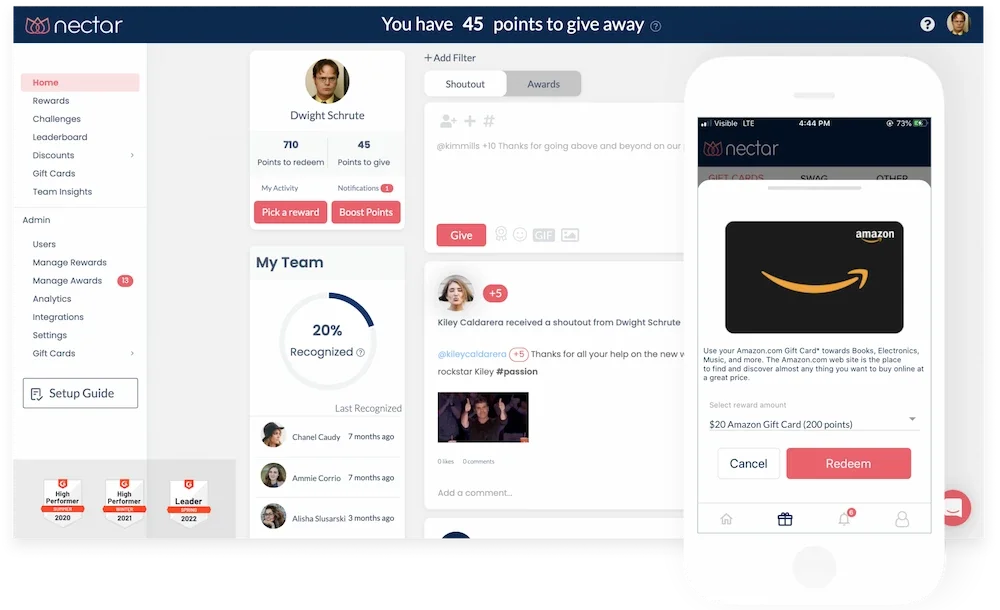
6. Nectar
G2 rating: 4.7/5
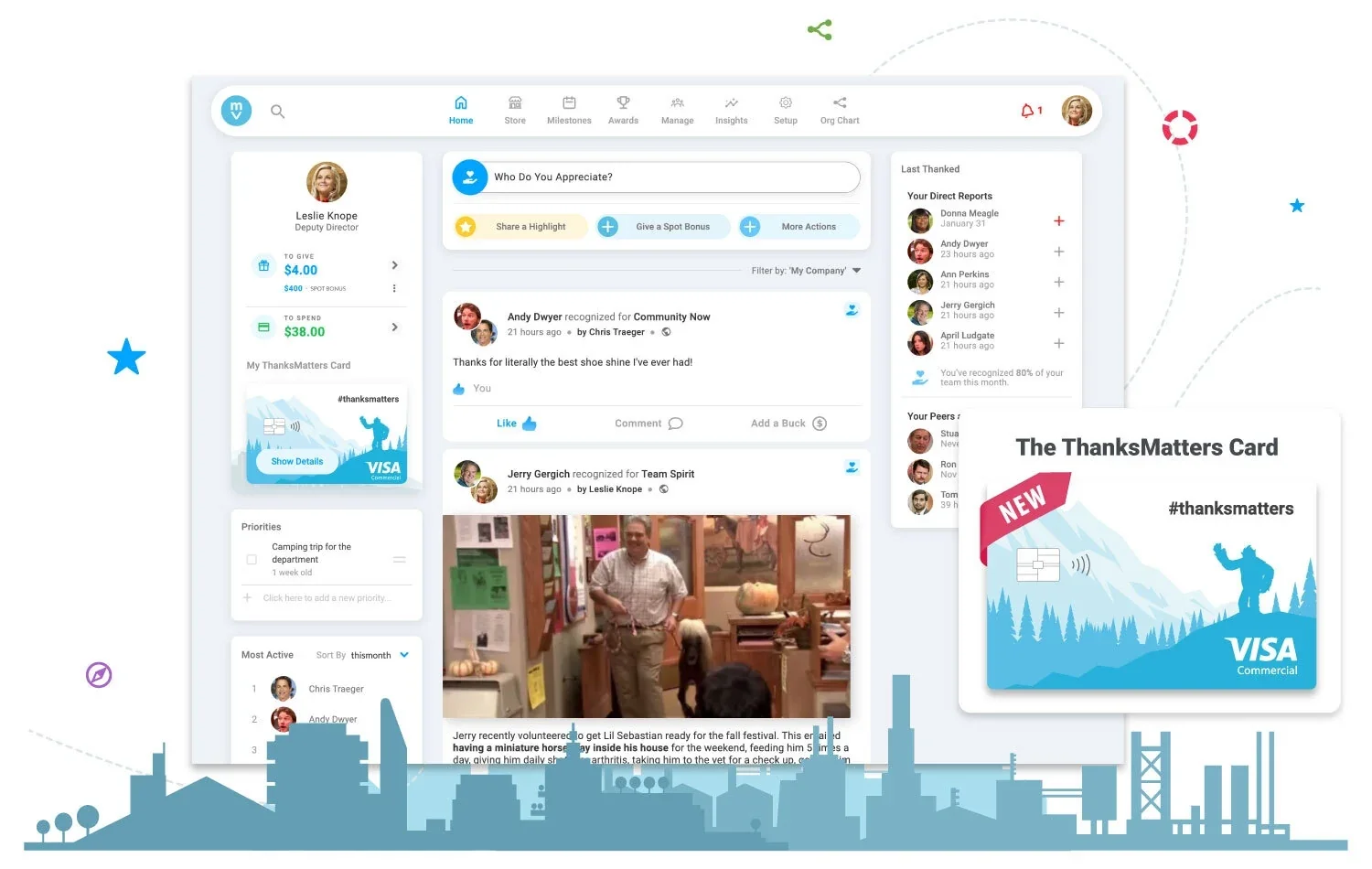
Strengths: Nectar provides a recognition and rewards platform designed to cultivate a strong company culture through frequent appreciation. It supports peer-to-peer recognition, nomination programs, and milestone celebrations, while also incorporating communication tools for company-wide updates. The platform offers a range of customizable reward options, including gift cards and branded merchandise, making recognition tangible and appealing.
Best for: Organizations desiring an all-in-one recognition solution that effectively combines appreciation, nomination programs, and internal communication within a unified platform.
Key features: Peer-to-peer recognition, nomination programs, customizable rewards, internal communication tools.
Weakness: Nectar’s global reach, the depth of its analytical capabilities, or its integration of advanced behavioral science insights might not match those of the most sophisticated, enterprise-level platforms.
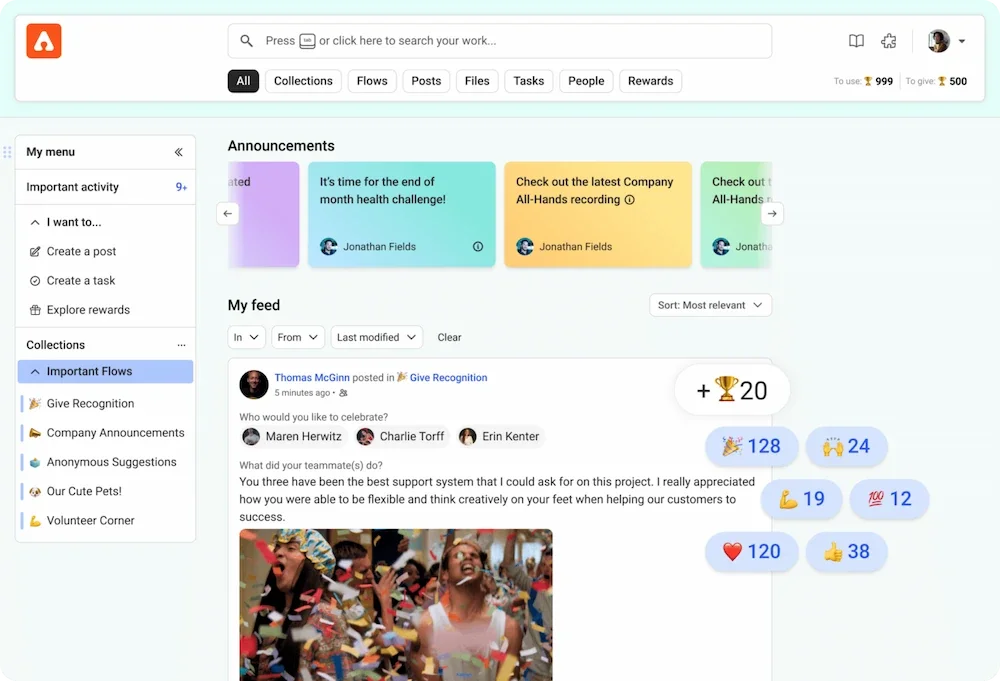
7. Assembly
G2 rating: 4.9/5
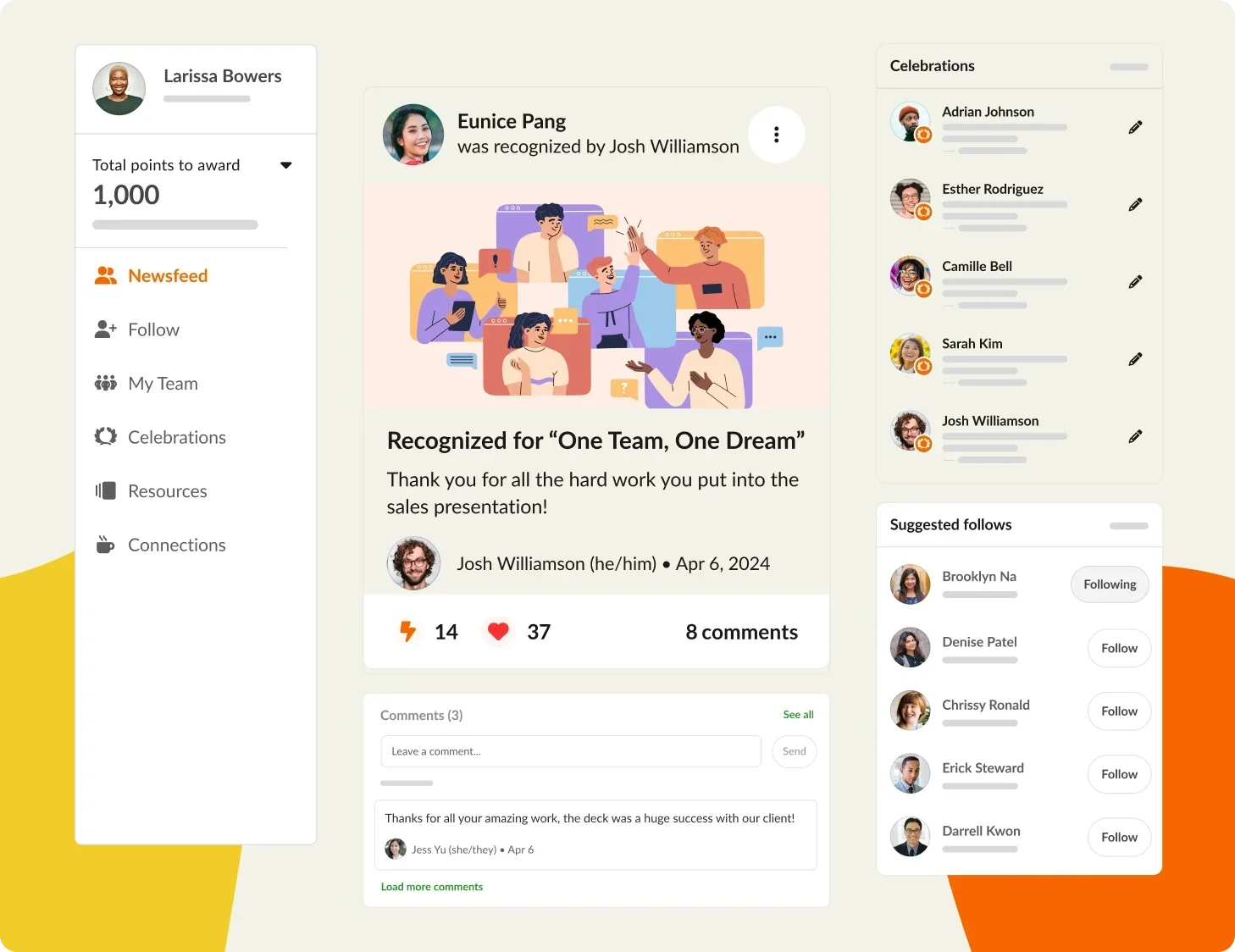
Strengths: Assembly focuses on peer-to-peer appreciation and values-based recognition, enabling employees to give instant recognition directly within their daily communication tools like Slack, Microsoft Teams, or via a web interface. This creates a highly visible social feed for celebrating achievements and milestones. The platform supports awards, challenges, and automated celebrations, with analytics that track engagement and participation across teams, making recognition an organic part of daily interaction.
Best for: Organizations specifically looking for a robust peer recognition platform that seamlessly integrates with and enhances everyday communication tools.
Key features: Peer-to-peer and manager recognition, integration with communication tools, built-in awards and automation, engagement analytics.
Weakness: Assembly may not provide the same depth of comprehensive analytics, advanced behavioral insights, or large-scale customization capabilities that are typically found in more data-driven, enterprise-grade recognition platforms.
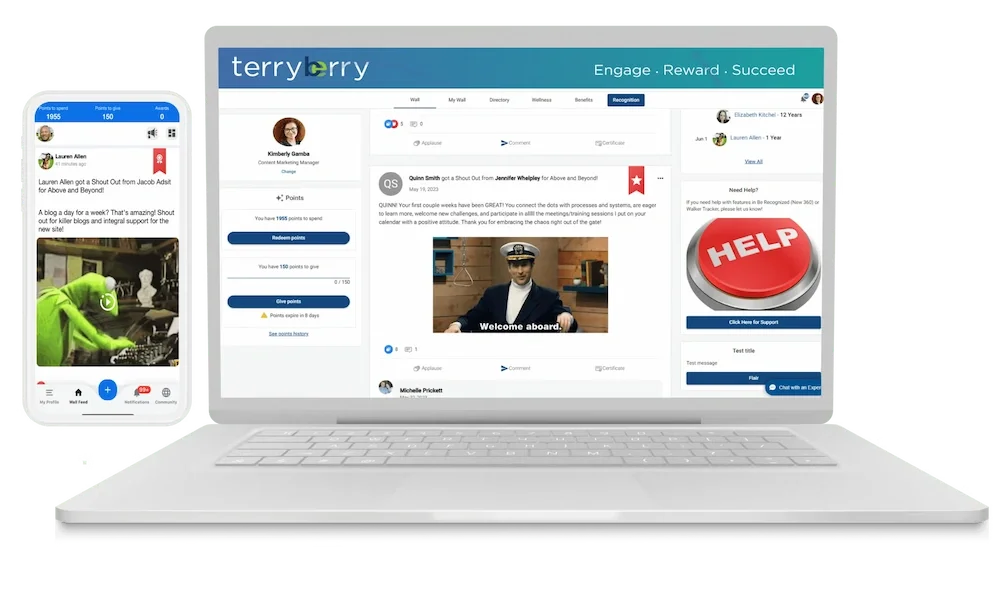
8. Terryberry
G2 rating: 4.6/5
Strengths: Terryberry offers a comprehensive recognition and engagement platform that unifies employee recognition, wellness programs, and feedback mechanisms. It supports traditional service awards, peer recognition, and milestone programs, alongside sentiment surveys and analytics for measuring culture, retention, and eNPS. Designed for diverse workforces, it effectively blends digital and symbolic awards with data-driven insights into employee well-being and engagement.
Best for: Organizations seeking a unified platform to manage recognition, wellness initiatives, and engagement measurement holistically.
Key features: Points-based rewards, global catalog, milestone automation, wellness programs, feedback tools.
Weakness: Terryberry’s offering might not provide the same granularity of recognition frequency data or the extensive variety in its global marketplace compared to platforms that specialize solely in recognition and rewards.
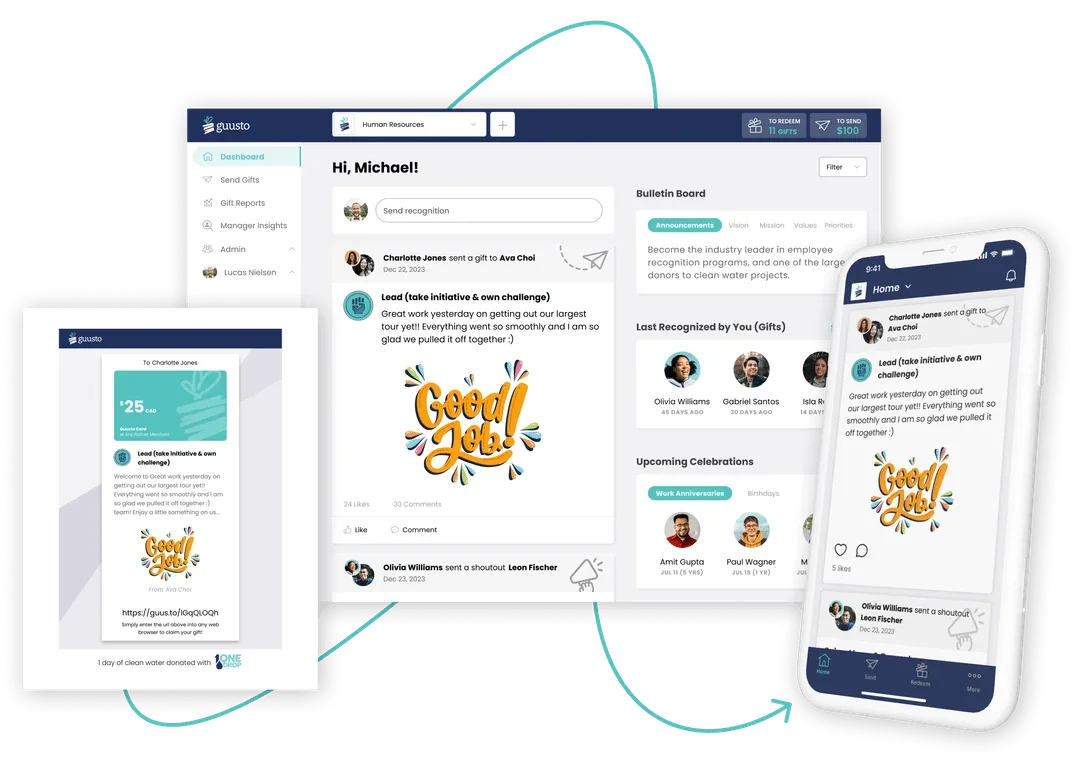
9. Guusto
G2 rating: 4.9/5
Strengths: Guusto is designed for both office and frontline workers, featuring a direct dollar-value reward system instead of points, simplifying the reward process. It allows recognition to be sent to any individual—employees, contractors, or volunteers—without requiring corporate email addresses, enhancing accessibility. The platform supports peer recognition, milestone programs, and manager-led budgets, with flexible digital or printed delivery options, making it ideal for reaching deskless teams effectively.
Best for: Organizations with dispersed or frontline teams that require an accessible and flexible recognition program with a straightforward reward system.
Key features: No-points reward system, global merchant redemption, manager-led budgets, flexible delivery.
Weakness: Guusto’s simplified structure, while user-friendly, may not offer the same level of granular data analytics or extensive program customization found in more scalable and feature-rich recognition platforms.
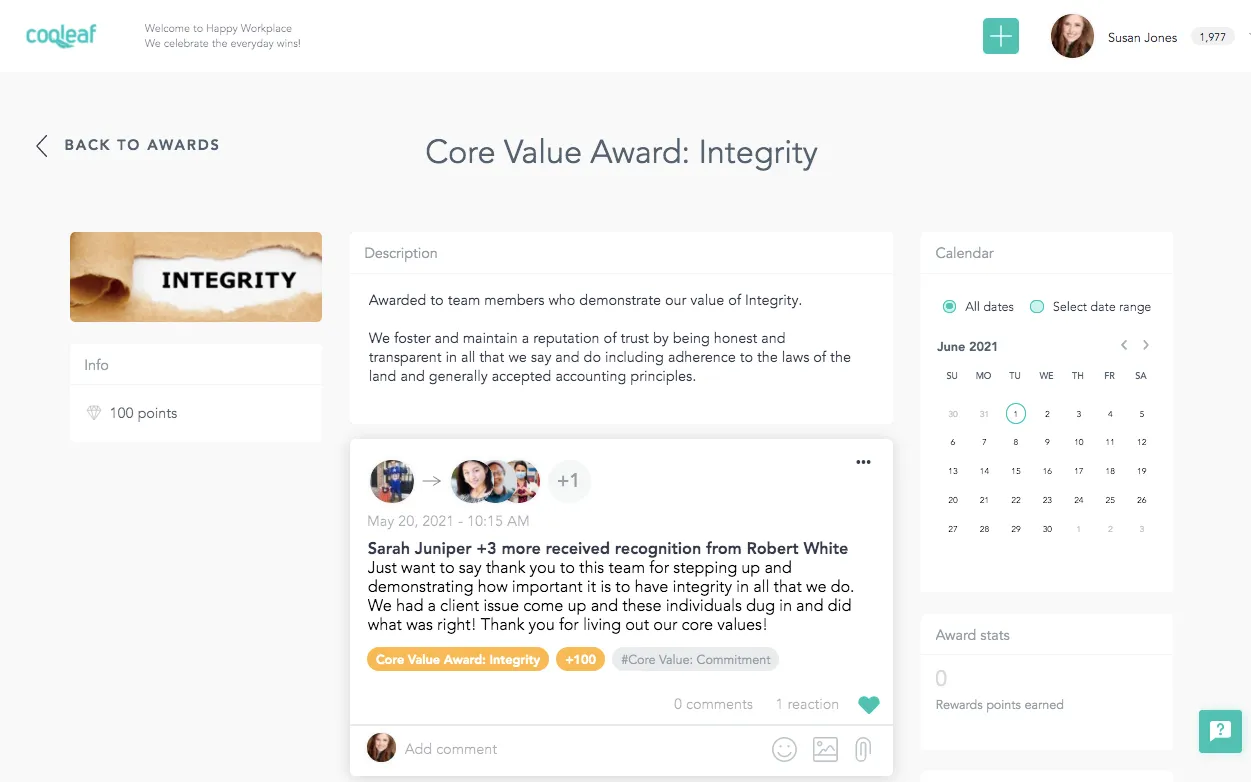
10. Cooleaf
G2 rating: 4.9/5
Strengths: Cooleaf integrates recognition, rewards, engagement programs, and employee feedback into a single, cohesive platform. It enables organizations to celebrate achievements, promote company values, and automate milestones, while simultaneously collecting real-time insights through engagement surveys and comprehensive dashboards. The platform also fosters community building through social feeds, learning initiatives, and DEI-focused programs, creating a holistic engagement ecosystem.
Best for: Companies aiming to manage recognition, broader employee engagement, and feedback initiatives within a single, integrated platform.
Key features: Recognition, rewards, engagement insights, real-time surveys, community building.
Weakness: Cooleaf’s broader focus on overall engagement may result in less specialization and a potentially narrower global rewards variety compared to platforms primarily designed for large-scale, dedicated recognition programs.
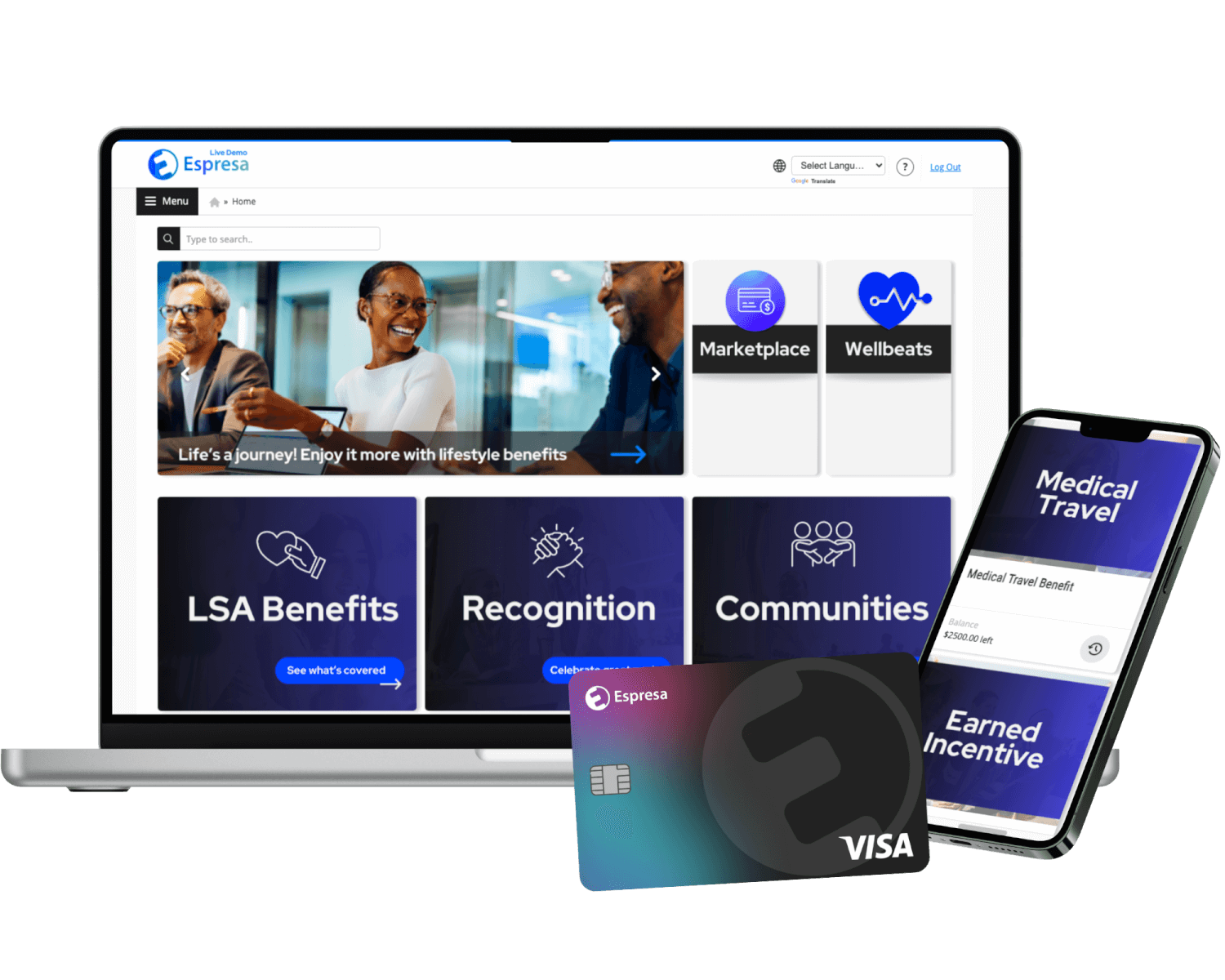
11. Espresa
G2 rating: 4.3/5
Strengths: Espresa provides a comprehensive recognition and rewards platform that uniquely integrates appreciation with wellbeing and lifestyle benefits. It supports peer-to-peer and cross-organizational recognition, offering both monetary and non-monetary options, all accessible through a mobile-first design. This all-in-one approach simplifies benefits management and promotes a holistic view of employee care.
Best for: Organizations looking to consolidate employee recognition, wellbeing programs, and lifestyle benefits within a single, mobile-friendly digital platform.
Key features: Peer-to-peer recognition, global zero-markup rewards marketplace, wellbeing programs, mobile-first design.
Weakness: Espresa’s broad, all-in-one scope means its recognition tools might not delve as deeply into specialized data and behavioral insights as platforms exclusively focused on recognition.
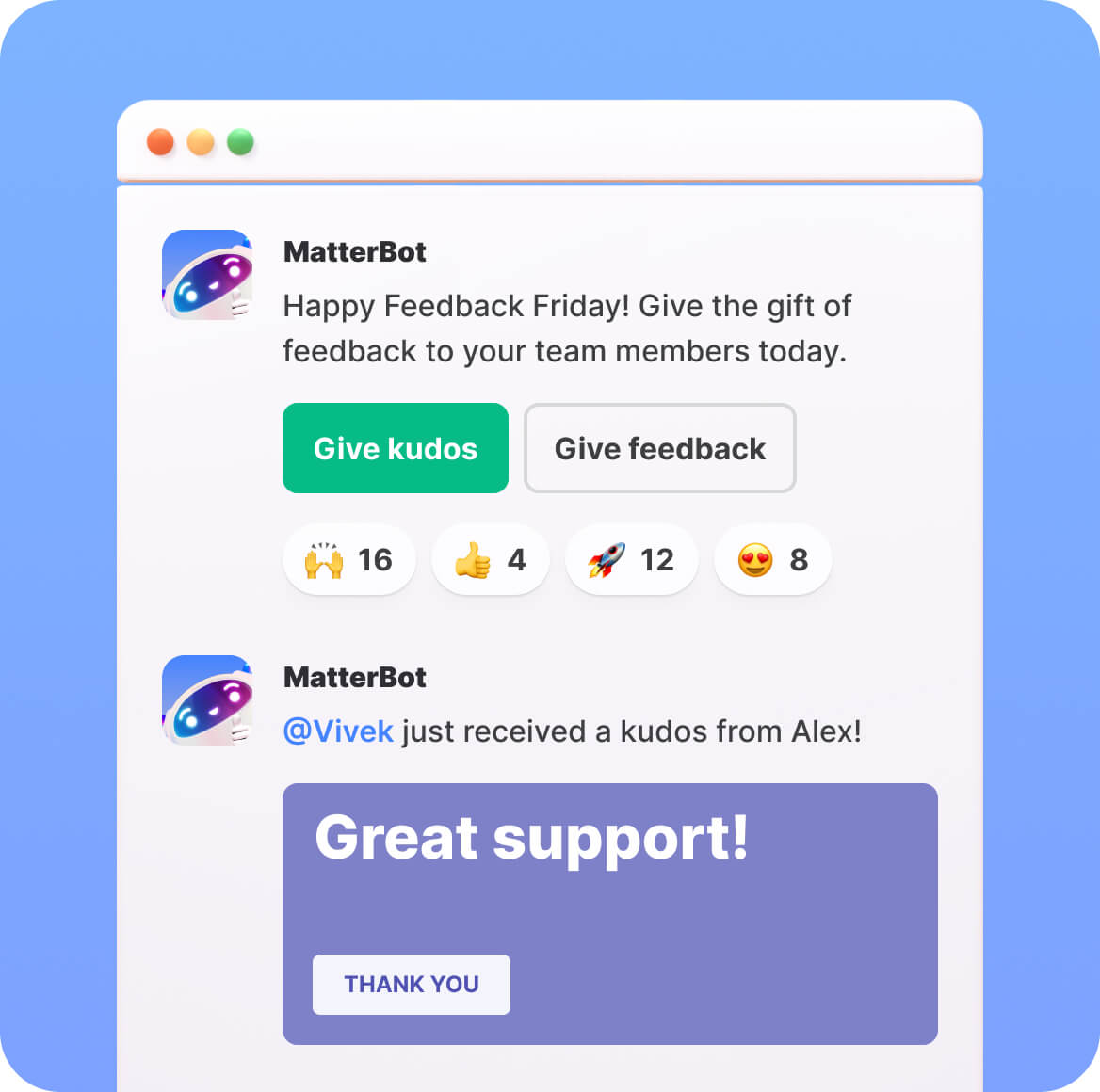
12. Matter
G2 rating: 4.7/5
Strengths: Matter is a recognition and feedback platform seamlessly integrated directly into Slack and Microsoft Teams. It fosters peer-to-peer appreciation through features like kudos, automated celebrations, and customizable templates linked to company values. The platform also includes coins-based rewards, pulse and onboarding surveys, and basic analytics for tracking engagement, making recognition an organic part of daily communication.
Best for: Companies prioritizing an easy-to-use platform that embeds recognition, feedback, and engagement directly into their primary communication tools like Slack or Teams.
Key features: Peer kudos, rewards system, automated celebrations, pulse surveys, integration with communication tools.
Weakness: Matter’s emphasis on simplicity, while beneficial for ease of use, may mean it lacks the more profound reporting, advanced customization, and global scalability typically offered by larger, dedicated recognition platforms.
13. Empuls (Xoxoday)
G2 rating: 4.6/5
Strengths: Empuls by Xoxoday is a comprehensive employee engagement platform that unifies recognition, rewards, surveys, incentives, and communication tools. It facilitates feedback collection, peer recognition, and reward distribution across global teams, enhanced by AI-driven analytics and a wide array of integrations for scalability and ease of use. Its holistic approach aims to cover all facets of employee engagement.
Best for: Organizations seeking a single platform to manage recognition, engagement, and employee communication across diverse, multi-regional teams.
Key features: Recognition, surveys, incentives, AI-powered analytics, global reward distribution.
Weakness: Empuls’ broad focus on overall engagement might limit the depth of customization and the specificity of recognition-focused insights available compared to platforms that specialize exclusively in recognition programs.
14. Connecteam
G2 rating: 4.6/5
Strengths: Connecteam offers an all-in-one platform specifically tailored for managing deskless teams, integrating operations, communication, HR, and engagement tools into a single mobile application. Its recognition and rewards features enable managers to celebrate achievements, issue digital badges, and distribute gift cards directly within the app, making appreciation highly accessible for frontline workers.
Best for: Organizations with large or distributed frontline and deskless workforces that require an integrated mobile application for comprehensive workforce management and recognition.
Key features: Digital badges, rewards, mobile communication, workforce management tools.
Weakness: As a broad workforce management solution, Connecteam’s recognition capabilities might feel secondary and less specialized compared to platforms that exclusively focus on driving engagement and behavioral recognition insights.
15. Vantage Circle
G2 rating: 4.7/5
Strengths: Vantage Circle is an all-in-one platform that combines recognition, wellness, surveys, and perks into a single, easy-to-deploy system with extensive integration options. Its recognition features include social feeds, awards/badges, automated milestones, and access to a vast global rewards catalog, encompassing gift cards, experiences, merchandise, and Amazon Business options. This broad offering aims to cater to a wide range of employee preferences.
Best for: Organizations seeking a consolidated engagement suite that provides robust recognition and a wide array of perks and rewards coverage.
Key features: Awards, leaderboards, global rewards catalog, wellness programs, surveys.
Weakness: Vantage Circle, while comprehensive, may not achieve the same depth of behavioral analytics or advanced recognition science offered by platforms that are more singularly focused on driving specific recognition-driven outcomes.
Strategic Considerations for Platform Selection
Beyond individual features, the strategic selection of an employee recognition platform involves several critical considerations to ensure long-term success and ROI. Organizations must consider:
- Organizational Size and Complexity: Small businesses may thrive with simpler, social recognition tools, while multinational enterprises require platforms with robust global capabilities, multi-language support, and diverse reward options.
- Budget Allocation: Costs can vary significantly, from subscription fees to reward redemption expenses. Transparency in pricing and clear ROI projections are essential.
- Integration Ecosystem: The platform must seamlessly integrate with existing HRIS, payroll, and communication systems to avoid data silos and ensure a smooth user experience.
- Cultural Fit: The platform should align with and reinforce the company’s unique values and desired culture, ensuring recognition feels authentic and meaningful.
- User Adoption Strategy: Ease of use, mobile accessibility, and intuitive design are paramount for high adoption rates across all employee segments, including deskless workers.
- Analytics and Reporting Capabilities: The ability to track recognition trends, measure impact on engagement and retention, and identify areas for improvement is crucial for program optimization.
- Vendor Support and Partnership: A strong vendor relationship, including dedicated customer success managers and ongoing innovation, can significantly influence program effectiveness.
- Future Scalability and Innovation: The chosen platform should be capable of evolving with the organization’s needs and incorporating future trends in employee engagement.
The General Motors Case Study: A Blueprint for Global Recognition
General Motors, a global automotive giant with over 160,000 employees spanning six continents, faced the formidable challenge of unifying a fragmented and inconsistent recognition landscape. Their existing programs were largely manual and localized, making it difficult to consistently reinforce company values, connect a diverse global workforce, and ensure all employees felt seen and valued. This operational inefficiency and lack of standardization hindered a cohesive culture of appreciation.
To address these challenges, GM implemented a single, unified recognition program powered by Achievers. This strategic move aimed to embed recognition directly into the daily workflow of employees worldwide. The platform allowed for instant peer-to-peer recognition, simplified leader participation with minimal administrative burden, and automated milestone celebrations. This eliminated the friction inherent in dozens of disconnected local programs, replacing them with a shared, consistent experience. Recognition at GM became frequent, highly visible, and scalable across its vast operations.
The tangible results underscored the program’s success:
- A staggering 90% global recognition program adoption rate, demonstrating widespread engagement.
- A 95% employee satisfaction score with the recognition program, reflecting its positive reception and perceived value.
- An impressive 80% year-over-year increase in recognition volume, indicating a dramatic shift towards a more appreciative culture.
GM’s success story serves as a powerful testament to the fact that when recognition is user-friendly, visible, and deeply integrated into everyday work, it can rapidly scale to transform organizational culture and drive significant business outcomes.
Conclusion: Recognition as a Strategic Imperative
In the contemporary business environment, employee recognition is far more than a morale booster; it is a strategic imperative directly influencing engagement, productivity, and retention. The leading employee recognition platforms of 2026 are engineered to deliver real, measurable results, transforming everyday moments into lasting business momentum. Platforms like Achievers, with their emphasis on science-backed methodologies, industry-leading recognition frequency, and seamless global integrations, are demonstrating how companies can move the needle on critical HR and business metrics. By thoughtfully selecting and implementing a robust recognition solution, organizations can cultivate vibrant, appreciative cultures that not only attract and retain top talent but also foster an environment where every employee is motivated, loyal, and empowered to perform at their best. The investment in the right recognition platform is an investment in the future resilience and success of the entire enterprise.
Information and pricing in this article were sourced from each vendor’s website and publicly available data at the time of publication.
Employee Recognition Platforms FAQs
Q1: Why is employee recognition more critical now than ever before?
A1: The modern workforce, characterized by remote/hybrid models and evolving expectations, demands frequent, personalized appreciation. Recognition combats isolation, reinforces company values, boosts engagement, and is a key driver of employee retention, particularly in a competitive talent market where turnover costs are significant. It directly impacts productivity, profitability, and overall organizational health.
Q2: How do modern recognition platforms differ from traditional recognition programs?
A2: Traditional programs were often infrequent, top-down, and ceremonial (e.g., annual awards). Modern platforms are digital, real-time, peer-to-peer, and integrated into daily workflows. They offer diverse rewards, analytics, and mobile accessibility, making recognition continuous, inclusive, and measurable, fostering a culture of constant appreciation.
Q3: Can employee recognition platforms truly impact business outcomes like retention and productivity?
A3: Absolutely. Research consistently demonstrates a strong link. For instance, the Achievers’ State of Recognition Report indicates that employees receiving monthly recognition are 4x more likely to envision a long-term career. Highly engaged teams, often a result of effective recognition, show higher productivity and lower absenteeism, directly impacting a company’s bottom line and talent retention efforts.
Q4: What are the most important features to look for in an enterprise-level recognition platform?
A4: For enterprises, key features include global scalability (multi-country, multi-currency, multi-language support), a diverse and locally relevant global rewards marketplace (without markups), deep integrations with existing HRIS and communication tools (e.g., Workday, Slack, Microsoft Teams), robust analytics and reporting on recognition trends and impact, and a design rooted in behavioral science to drive desired actions and cultural values. Dedicated customer success and mobile accessibility are also crucial.
Q5: How can a company ensure high adoption rates for a new recognition platform?
A5: High adoption hinges on several factors: the platform must be intuitive and easy to use (requiring minimal training), integrated seamlessly into existing daily workflows (e.g., via Slack or Teams integrations), accessible on mobile devices for all employees (including deskless workers), and actively championed by leadership. Tying recognition directly to company values and offering desirable, flexible rewards also encourages participation. A strong launch communication strategy and ongoing promotion are vital.
Q6: What role does AI play in the future of employee recognition?
A6: AI is increasingly used to provide smarter recognition insights, identify recognition gaps, suggest timely recognition opportunities, and personalize reward recommendations. It can analyze sentiment, predict turnover risks, and help organizations understand the effectiveness of their recognition programs at a deeper level, allowing for more data-driven and impactful strategies.
Q7: Is there a benefit to connecting recognition to company values?
A7: Yes, explicitly linking recognition to company values reinforces desired behaviors and competencies. It makes appreciation more meaningful by demonstrating how individual contributions align with the organization’s mission, thereby strengthening company culture and fostering a shared sense of purpose.
Q8: Are "points-based" or "direct dollar-value" reward systems better?
A8: Both have merits. Points-based systems offer flexibility, allowing employees to accumulate points for various rewards, often fostering a sense of long-term achievement. Direct dollar-value systems, like Guusto’s, offer immediate, clear value and simplicity, which can be particularly effective for frontline or dispersed teams where clarity and ease of use are paramount. The "better" system depends on organizational culture, reward philosophy, and administrative preferences.