
The modern human resources landscape is characterized by a complex interplay of competing demands. Organizations are increasingly finding themselves at a structural crossroads, where the imperative to drive business objectives can feel at odds with the necessity of cultivating a thriving employee experience. This tension, while not new, has been amplified by evolving workforce expectations and the accelerating pace of business. The challenge for HR leaders is no longer about choosing between optimizing for the business or prioritizing the employee, but rather about creating an environment where both can flourish simultaneously.
At the core of this challenge lies a fundamental duality: businesses require speed and agility, while employees seek clarity and meaningful growth. Companies need to build future-ready talent pools, while individuals desire development opportunities that resonate with their personal and professional aspirations. Furthermore, the drive for sustained performance must be balanced with employees’ need to feel that their contributions are recognized and impactful. This inherent friction often leads to stalled strategies and a sense of stagnation within organizations, as HR departments grapple with how to reconcile these seemingly disparate needs.
The prevailing question for HR leaders today is not how to resolve these tensions, but how to architect the conditions under which both business success and employee well-being become achievable realities. This shift in perspective signifies a fundamental redefinition of the HR function, moving beyond traditional problem-solving to a more proactive and strategic role in shaping organizational culture and operational effectiveness.

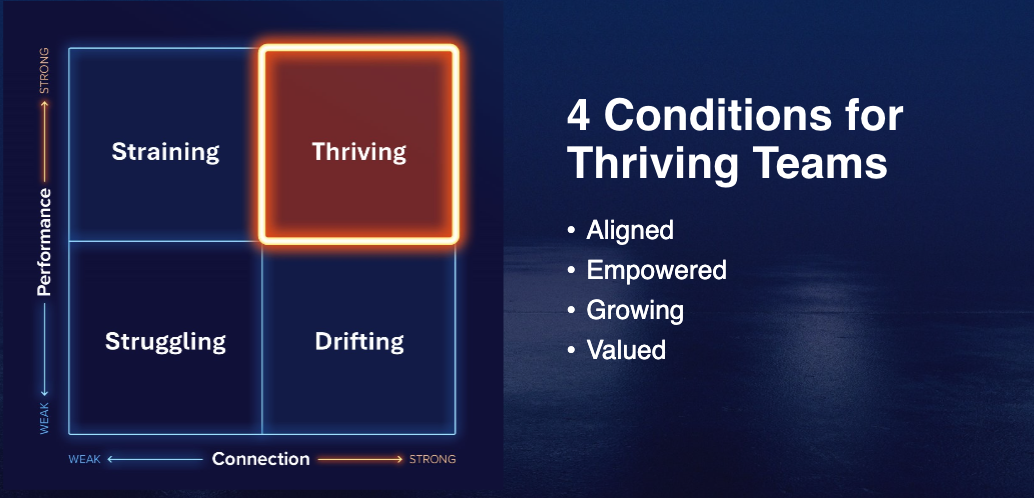
Defining a Thriving Team: Performance and Connection
A truly thriving team, according to analysis by Quantum Workplace, is defined not by an either/or scenario, but by the convergence of strong performance and deep connection. Teams that excel in performance without fostering genuine connection risk burnout and strain, while those that prioritize connection without a strong performance orientation can drift into complacency. Neither scenario is sustainable in the long term.
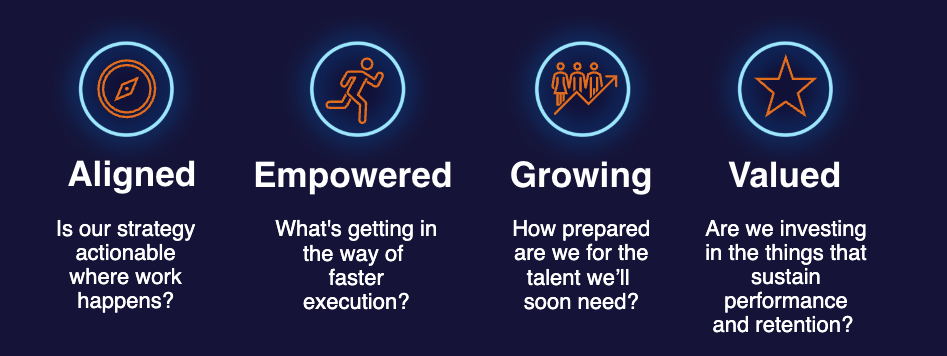
Quantum Workplace posits that organizational thriving can be understood through four interconnected conditions: Aligned, Empowered, Growing, and Valued. Each of these conditions directly addresses a critical tension that HR leaders are actively managing. By honestly assessing these areas, organizations can unlock more effective strategies and actionable insights.
The Four Pillars of Organizational Thriving: Key Diagnostic Questions for HR
1. Aligned: Is Our Strategy Actionable Where Work Happens?
- The Tension: Organizations demand speed; employees require clarity.
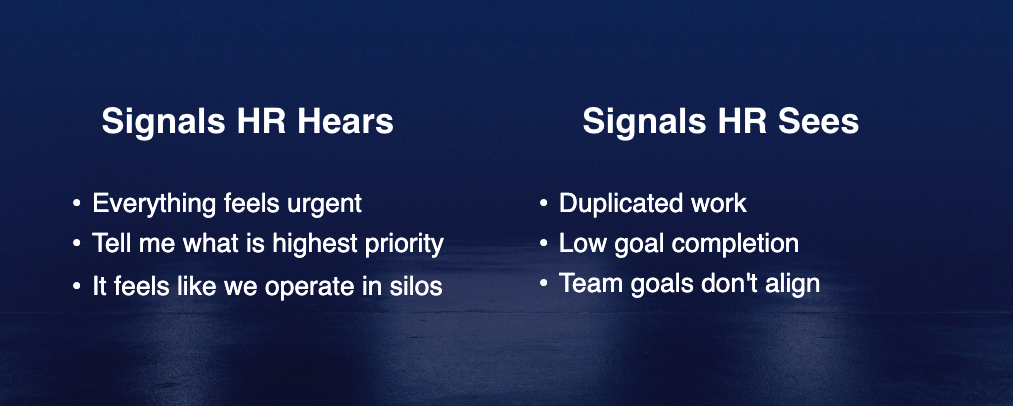
This tension is frequently articulated by HR leaders who report a sense of urgency pervading their organizations, a prevalence of siloed operations, and a constant need to prioritize. Data often reveals duplicated efforts, low goal completion rates, and team objectives that fail to align with broader organizational strategies.
A critical diagnostic question for HR is not merely whether employees understand the company’s strategy, but whether this clarity is consistent across all performance levels. When solid performers lack strategic clarity, it presents a clear coaching opportunity for managers to bridge that gap. However, if top performers are also unclear, it signals an organization-wide problem that manager-led coaching alone cannot rectify.
A deeper examination involves understanding whether teams feel a genuine sense of accountability for the strategy, or if it is perceived as a directive handed down from above. This distinction is crucial. Employee survey responses can offer invaluable insights into genuine alignment versus tacit disconnection. By segmenting these responses, HR can correlate alignment gaps with outcomes such as engagement scores and turnover risk, moving beyond simply identifying the problem to understanding its tangible cost to the organization.
- Actionable Steps for Alignment:
- Translate Strategy into Actionable Goals: Ensure that high-level organizational strategies are broken down into clear, measurable, and achievable goals at the team and individual levels. This requires active collaboration between leadership and frontline managers.
- Regular Communication Cadence: Implement a consistent and transparent communication strategy that keeps employees informed about strategic priorities, progress, and how their work contributes to the larger picture. This could involve town halls, departmental updates, and accessible strategic roadmaps.
- Foster Cross-Functional Collaboration: Break down departmental silos by encouraging cross-functional projects and communication channels. This helps employees understand how different parts of the organization work together and contribute to shared objectives.
- Empower Team-Level Strategic Input: Create mechanisms for teams to provide input on how strategic goals can be best achieved within their operational context. This fosters a sense of ownership and ensures strategies are practical and relevant.
2. Empowered: What’s Hindering Faster Execution?
- The Tension: Organizations need faster execution; employees require fewer barriers.
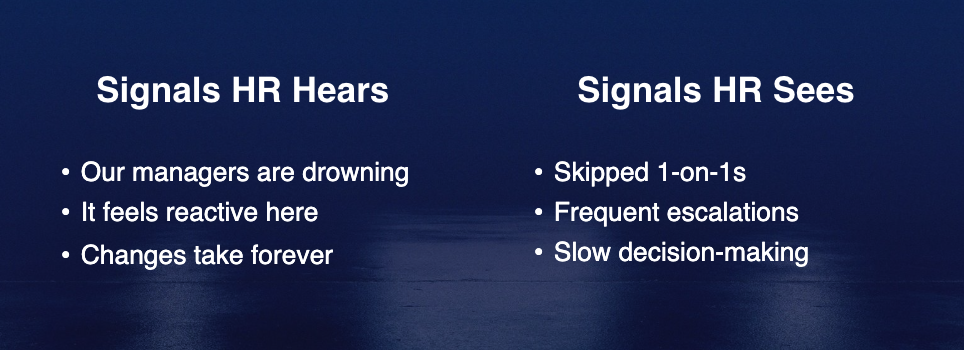
Common signals of this tension include managers feeling overwhelmed, a pervasive sense of reactivity, and lengthy decision-making processes. These manifest as missed one-on-one meetings, frequent escalations, and decisions that languish for days or even weeks.
Connecting business Key Performance Indicators (KPIs) to employee feedback can illuminate surprising barriers to execution. For instance, in one observed case, the availability of materials or equipment was not the primary differentiator for on-time delivery. Instead, the adoption of Artificial Intelligence (AI) tools proved to be a critical factor. Such specific, counterintuitive insights are often revealed only when data from disparate systems is integrated.
A frequently overlooked aspect of this tension is the "manager experience gap." Data from one organization highlighted a significant disparity: managers scored 23 to 30 percentage points lower than non-managers on key metrics such as recognition for contributions, clarity of performance expectations, and understanding their role in future organizational plans. Furthermore, managers reported fewer opportunities for skill development and expressed lower commitment to the organization compared to their non-managerial counterparts. This data underscores a critical point: managers cannot effectively empower their teams if they themselves do not feel empowered. This is a systemic issue, not a matter of individual aptitude.
- Actionable Steps for Empowerment:
- Streamline Decision-Making Processes: Review and simplify approval workflows and decision-making hierarchies to expedite processes. Empower individuals and teams with the authority to make decisions within defined parameters.
- Invest in Manager Development: Equip managers with the necessary skills, resources, and support to effectively lead their teams. This includes training in delegation, feedback, performance management, and conflict resolution. Crucially, ensure managers feel recognized and supported themselves.
- Remove Bureaucratic Obstacles: Identify and eliminate unnecessary administrative burdens and bureaucratic hurdles that impede productivity and slow down execution. This may involve reviewing internal policies and procedures.
- Leverage Technology for Efficiency: Implement and optimize technology solutions that automate routine tasks, improve communication, and provide access to necessary information, thereby freeing up employees and managers to focus on higher-value activities.
- Foster a Culture of Psychological Safety: Create an environment where employees feel safe to take calculated risks, voice concerns, and learn from mistakes without fear of reprisal. This encourages innovation and proactive problem-solving.
3. Growing: How Prepared Are We for Future Talent Needs?
- The Tension: Organizations need future-ready talent; employees seek meaningful growth.
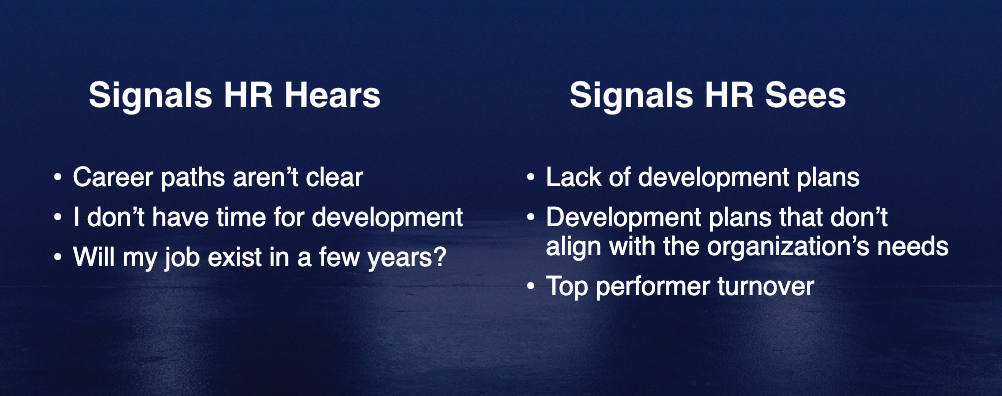
Employees increasingly express concerns about unclear career paths, a lack of dedicated development time, and uncertainty about the longevity of their roles. The question, "Will my job even exist in a few years?" is becoming a significant concern for a growing segment of the workforce.
The most impactful diagnostic question in this domain is not simply whether development plans exist, but whether they are actively utilized and intrinsically linked to an employee’s daily work experience. A documented growth plan that is never referenced offers little value. Conversely, a stretch project that builds skills critical for the organization’s future success represents a powerful growth opportunity.
Succession planning data, when integrated with employee feedback, provides a more nuanced view. By analyzing candidate status alongside survey responses, organizations can ascertain whether they are intentionally developing critical future talent or relying on assumptions. This data can also reveal the effectiveness of current leaders by examining feedback from their teams.
The guiding principle here is to shift growth from a periodic, isolated process to an everyday experience embedded within the workflow. Projects, challenges, and real organizational priorities should serve as the primary vehicles for development.
- Actionable Steps for Growth:
- Integrate Development into Daily Work: Embed learning and development opportunities within ongoing projects, assignments, and daily tasks. Encourage cross-functional projects and stretch assignments that build new skills.
- Provide Clear Career Pathways: Develop transparent and accessible career path frameworks that outline opportunities for advancement, skill acquisition, and role progression within the organization.
- Invest in Skill Development and Reskilling: Proactively identify future skill needs and invest in programs for upskilling and reskilling existing employees to meet evolving business demands. This includes access to training, workshops, certifications, and continuous learning platforms.
- Foster a Culture of Continuous Learning: Encourage curiosity and a growth mindset throughout the organization. Support employees in seeking out new knowledge and developing new competencies.
- Regular Development Conversations: Ensure that regular one-on-one conversations between managers and employees focus not only on performance but also on career aspirations and development needs.
4. Valued: Are We Reinforcing What Matters Most?
- The Tension: Organizations need sustained performance; employees want to feel valued.
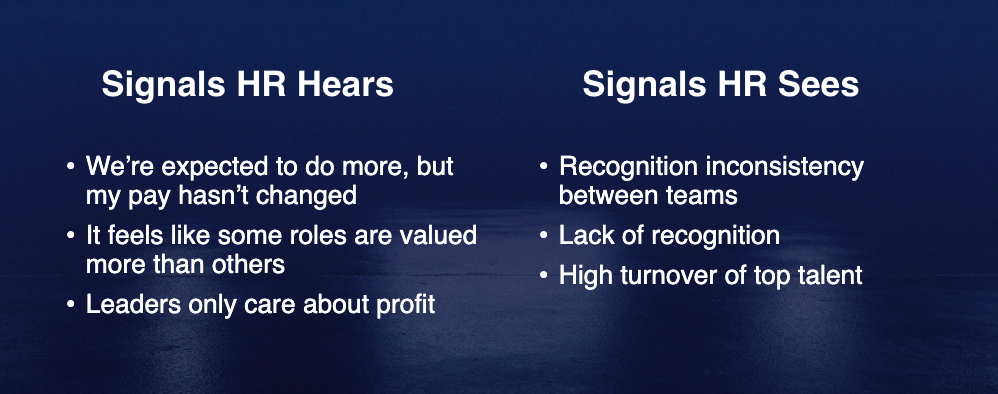
Common sentiments include employees feeling expected to do more with stagnant compensation, a perception that some roles are more valued than others, and a belief that leadership prioritizes profit above all else. Data often indicates significant variability in recognition practices across teams and high turnover among key personnel.
Reframing this conversation around Return on Investment (ROI) is crucial. If employee turnover is driven by a lack of perceived value, recognition becomes a financial imperative, not merely a cultural nicety. By directly linking retention risk to recognition data, organizations can quantify the financial cost of employees feeling undervalued.
It is also important to recognize that feeling valued extends beyond top performers. Solid contributors, who often form the largest segment of the workforce, also need to feel that their impact is significant. Recognition programs that solely target high achievers miss a substantial portion of the employee base. Integrating talent reviews and performance ratings with employee feedback can illuminate these patterns.
- Actionable Steps for Valuing Employees:
- Implement a Comprehensive Recognition Strategy: Develop and implement a multi-faceted recognition program that acknowledges diverse contributions and achievements, encompassing both formal and informal recognition. Ensure recognition is timely, specific, and meaningful.
- Ensure Fair and Transparent Compensation and Benefits: Regularly review compensation and benefits packages to ensure they are competitive and perceived as fair by employees. Communicate clearly about compensation philosophy and reward structures.
- Promote Work-Life Balance and Well-being: Demonstrate genuine care for employee well-being by supporting work-life balance, offering comprehensive benefits, and fostering a supportive work environment.
- Solicit and Act on Employee Feedback: Regularly seek employee input through surveys, focus groups, and direct conversations. Critically, demonstrate that this feedback is heard and acted upon, fostering a sense of being valued and heard.
- Recognize Diverse Contributions: Ensure that recognition programs acknowledge and celebrate a wide range of contributions, including teamwork, innovation, customer service, and operational excellence, not just top sales figures or project completions.
Conclusion: HR as the Architect of Thriving Organizations
While the four tensions—Aligned, Empowered, Growing, and Valued—may appear distinct on the surface, they share a common underlying structure: the perceived opposition between business needs and employee needs, with HR often caught in the middle. The traditional instinct to choose one side over the other is often detrimental. The more effective approach, and the one that leads to sustainable success, is to proactively build the conditions where both business objectives and employee well-being can coexist and thrive.
The role of HR is not to personally solve every organizational tension. Instead, it is to empower the organization to ask and answer more insightful questions, leveraging data and strategic thinking to foster an environment of mutual benefit. Organizations that are aligned, empowered, growing, and valued are not a compromise; they represent the very essence of sustainable business performance.
The right talent platform can facilitate this transformative shift. By integrating insights across engagement, performance, development, and recognition into a unified view, such platforms provide leaders at all levels with the clarity and confidence to address what truly matters. This empowers not just HR professionals, but every manager, at every level, across every team, to contribute to a more thriving workplace. The data required to answer these critical questions already exists within most organizations. The challenge and opportunity lie in connecting it and acting upon it to build a future where both the business and its people flourish.