
San Francisco, CA – [Insert Date] – ServiceNow has unveiled a comprehensive suite of announcements aimed at fundamentally reshaping the enterprise AI landscape, setting an aggressive target to double its revenue to $30 billion within the next four years. The company’s strategic vision centers on establishing itself as the central control point for all AI agents within an organization, encompassing management tools, security protocols, and the primary interface for employee interaction with these intelligent systems. This move, while ambitious and directly competing with giants like Microsoft and Workday, signals a significant shift in how businesses will engage with and govern artificial intelligence.
The enterprise software sector is witnessing a profound transformation, with leading players vying to control the burgeoning AI agent ecosystem. ServiceNow’s latest announcements underscore this competitive dynamic, positioning the company to become the indispensable "tollgate" for AI agent operations. This strategy aims to address what ServiceNow terms "enterprise AI chaos" by imposing order, governance, and security. However, the practical challenge for many organizations lies not just in managing chaos, but in demonstrating tangible return on investment from AI initiatives. ServiceNow’s proposed solutions are designed to facilitate this by offering a framework for control and oversight, which could, in turn, accelerate the adoption and effective deployment of AI across business functions.
The Action Fabric: ServiceNow’s Centralized AI Oversight
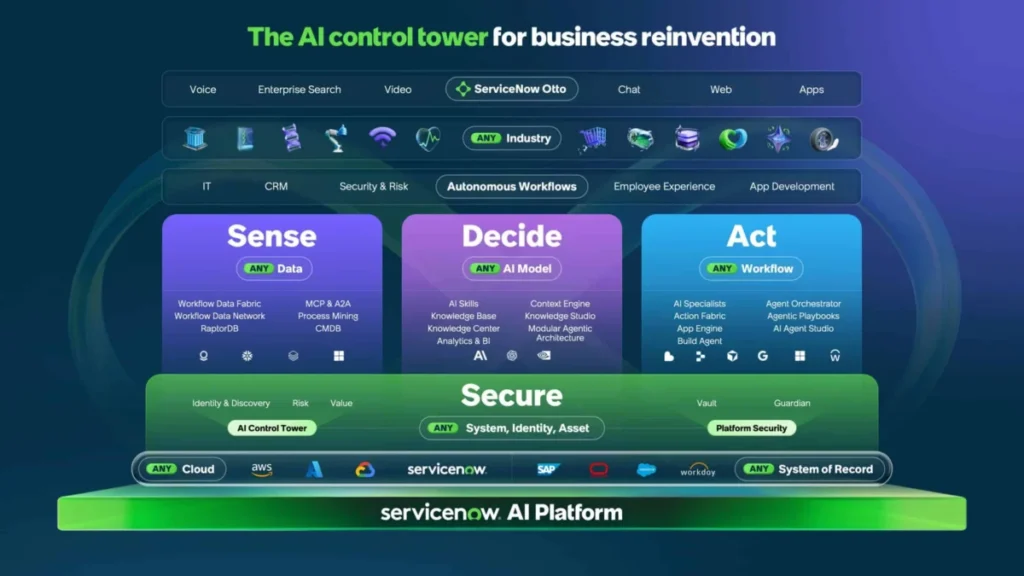
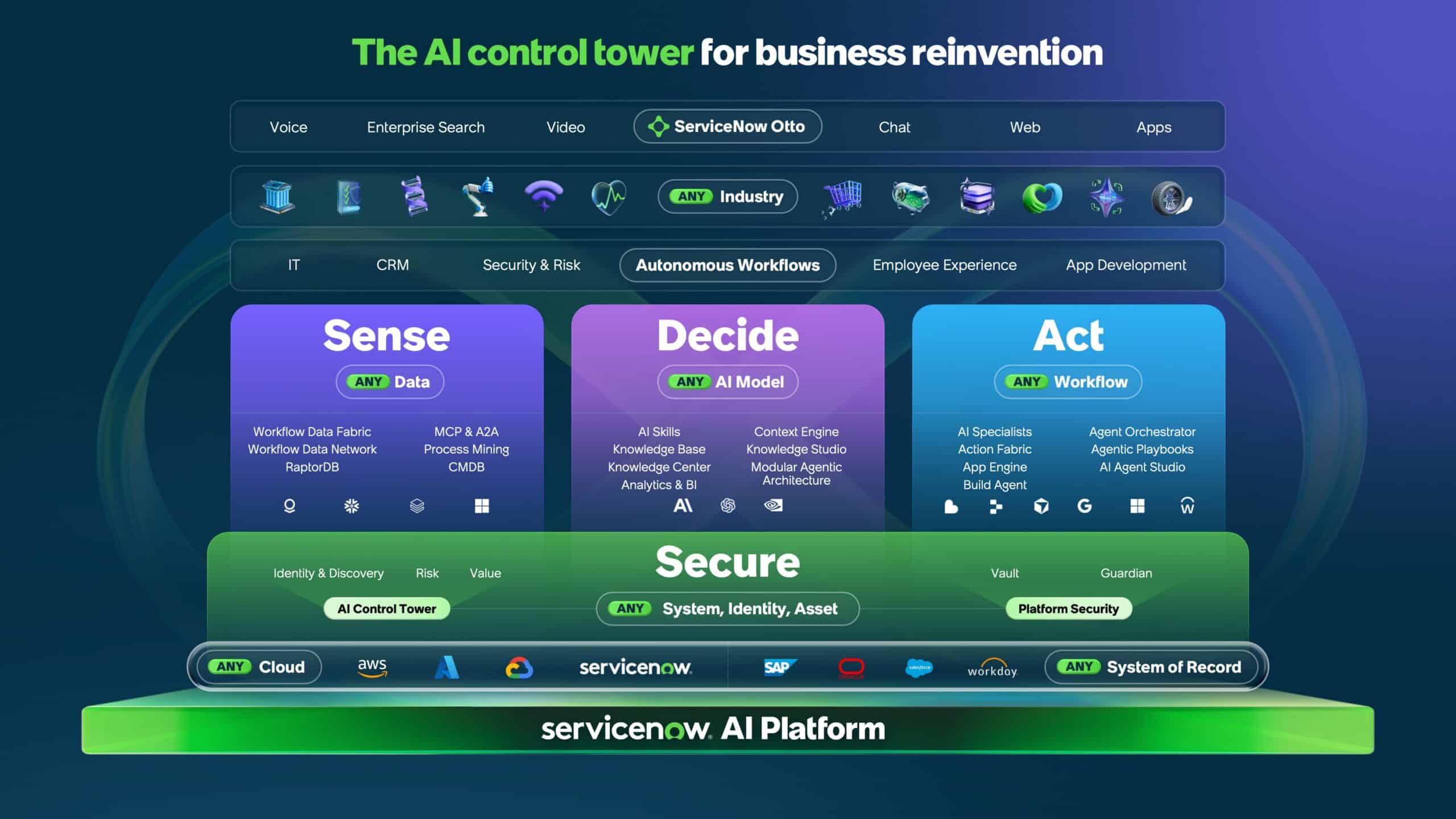
At the heart of ServiceNow’s strategy lies the "Action Fabric," a sophisticated monitoring and management layer designed to govern, oversee, and control all AI agent activities within an enterprise. This initiative mirrors the ambitions of Microsoft with its Agent 365 and Workday’s Agent System of Record, all aiming to provide a unified command center for diverse AI deployments.
The Action Fabric operates on an "any agent, any model" principle, allowing any AI agent, regardless of its origin or underlying technology, to connect and execute tasks through the ServiceNow platform via its proprietary MCP server. This open approach is crucial for fostering widespread adoption and ensuring interoperability in a rapidly evolving AI market. Furthermore, the management tools are designed to be callable by agents themselves, enabling the automation of management scenarios and seamless integration with third-party governance frameworks.
ServiceNow emphasizes "Full Control; Full Trust" by ensuring that all agents are authenticated, their permissions are scoped, and their activities are audited and continuously monitored. This robust security and compliance framework leverages ServiceNow’s two decades of experience in building foundational IT management systems, including its Configuration Management Database (CMDB), Workflow Data Network, established business rules, Security Center, and identity and access controls. This existing infrastructure provides a strong foundation for managing the complexities of AI agents and applications, positioning ServiceNow for a significant role in the "reinvention" of enterprise IT.
This strategic move is not isolated. Workday and SAP are pursuing parallel strategies from their respective domains. Workday’s Agent System of Record and Agent Gateway are opening its established enterprise rails to external agents, with usage being metered. SAP similarly mandates that agents utilize its Business Accelerator Hub to access business rules, which are also subject to usage-based charges. The choice between these platforms will likely hinge on an organization’s existing investment in Workday or SAP business rules and its preference for specific AI development environments.
Otto: The "Front Door" to Enterprise AI and Employee Experience
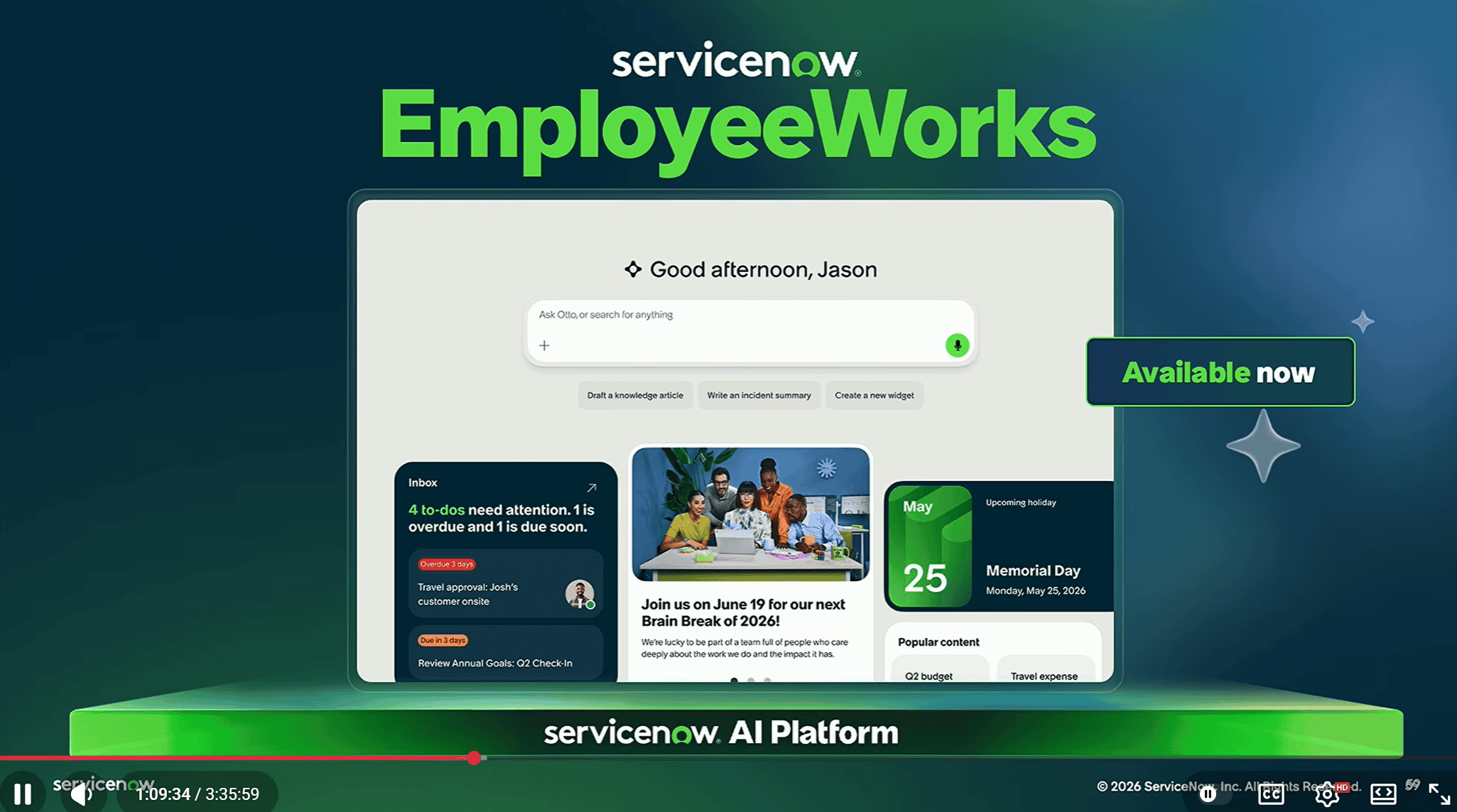
ServiceNow is reinventing its Now Assist offering as "Otto," positioning it as the primary "Front Door" agent for accessing any enterprise resource or function. This rebranding and enhanced functionality echo Workday’s introduction of Sana as its enterprise front door, highlighting a trend towards unified, persona-driven AI interfaces.
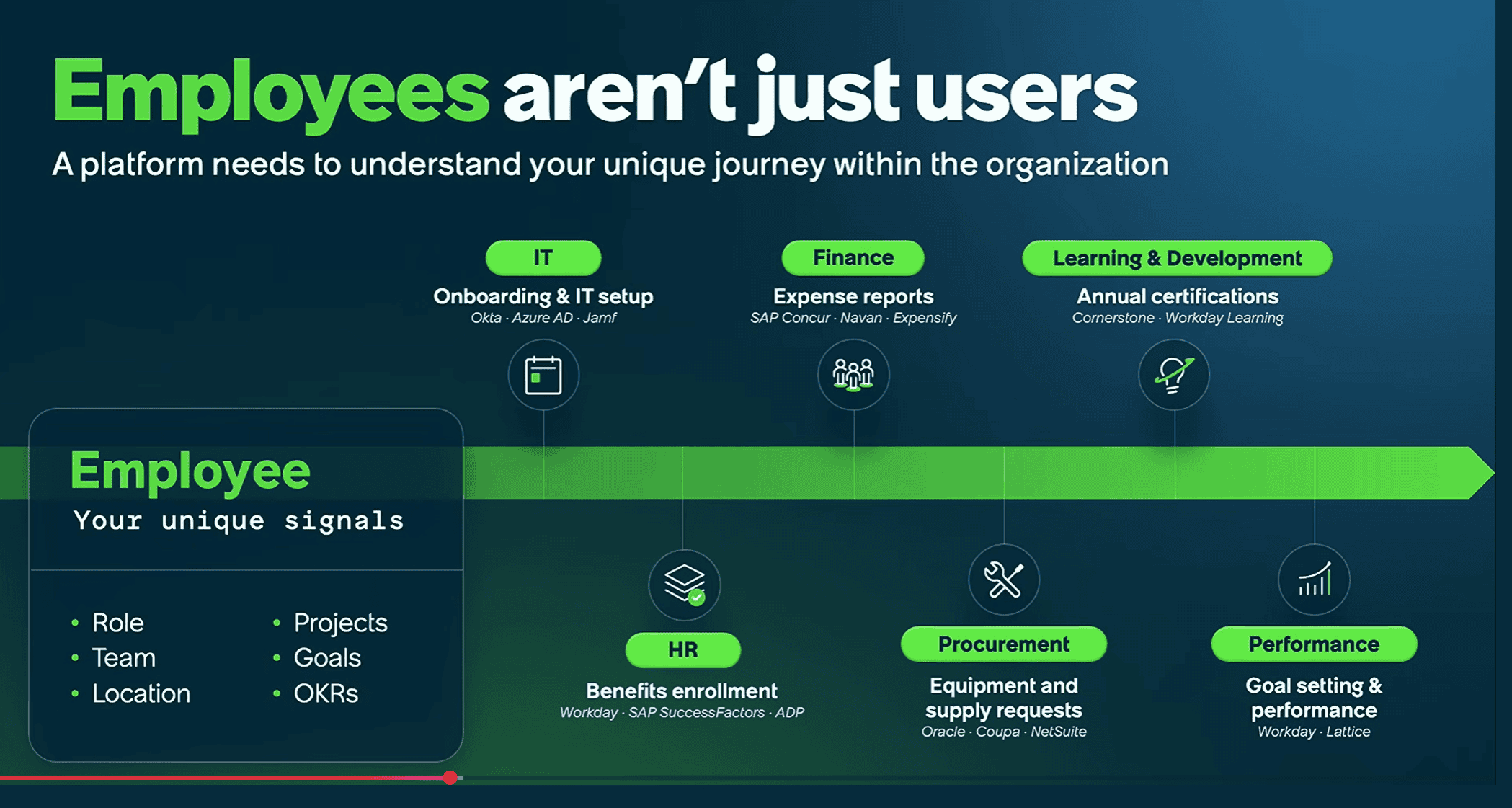
Otto, which integrates Moveworks technology, is designed to serve as a friendly, accessible employee tool for a wide range of needs, including search, knowledge management, and resolving employee queries. While Moveworks and Sana share commonalities in their approach, ServiceNow emphasizes Otto’s role in defining the new Employee Experience. Bhavin Shah, founder of Moveworks, now leads the Otto initiative, which is branded under the umbrella of "EmployeeWorks" to underscore its open and integrated nature. This signifies a move away from the older paradigm of "Employee Self-Service" towards a more proactive and supportive AI-driven employee interaction model.
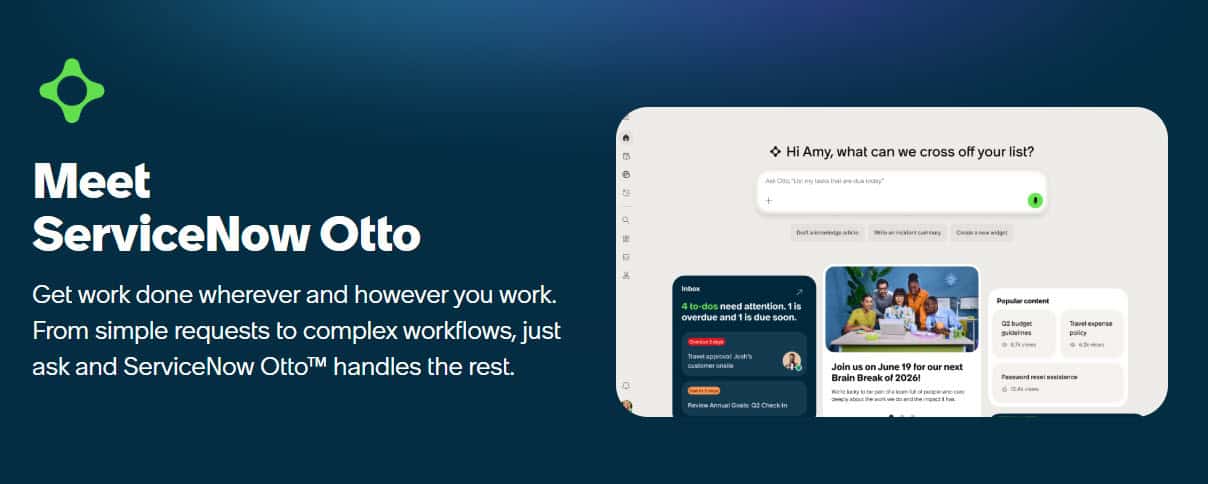
The evolution of Employee Experience (EX) platforms is a complex undertaking. While Otto may appear as a simple chatbot for policy or benefits inquiries, its true value lies in its ability to integrate with a vast array of other systems and address a broad spectrum of employee needs. Comprehensive EX platforms often encompass communications, community building, training, surveys, and support for diverse IT, policy, and general employee issues. For Otto to succeed, it will require extensive integrations with these varied functionalities.
Consider the example of developing a specialized AI agent for crisis management. Such an agent must be capable of handling complex scenarios, including employee trauma, infrastructure failures, and other emergencies, as demonstrated by current global events. These broad support and service tools, whether AI-first or not, present numerous potential use cases for platforms like Otto. The EX market is intensely competitive, with major players like Microsoft and Zoom, alongside numerous Human Capital Management (HCM) vendors, all vying for dominance. ServiceNow’s positioning of Otto as a friendly, AI-powered interface rather than a mere "Employee Self-Service Agent" reflects a forward-looking approach to this market.
The AI Control Tower: Governing and Securing Enterprise AI
ServiceNow’s AI Control Tower is envisioned as an expansive solution that not only monitors and provisions AI agents but also assesses their return on investment (ROI). This capability allows organizations to identify underperforming agents, detect those consuming excessive resources, and proactively manage AI expenditures. The concept bears resemblance to IBM’s SystemView from decades past, which aimed to manage all computing resources within the IBM SNA network.
Bill McDermott, CEO of ServiceNow, articulates a vision of enterprises as complex systems of intertwined workflows and business rules, often poorly understood. The AI Control Tower aims to provide comprehensive management over every identity, encompassing agents, workflows, and human participants. While this vision is bold, its practical implementation and acceptance by businesses will be a key determinant of its success. The emphasis on demonstrating value and mitigating risks, such as data breaches or rogue AI agents, is a powerful selling point for IT departments.
For instance, a live demonstration showcased the AI Control Tower detecting and neutralizing a prompt injection attack on a pricing agent. This sophisticated attack involved embedding malicious instructions across thousands of requests within a short timeframe to manipulate shipping prices. The Control Tower, leveraging signals from leading security vendors, autonomously identified the threat, traced its origin, recommended a kill switch, and neutralized the compromised agent. Such capabilities are highly compelling and address a significant concern for businesses adopting AI.
The Business Case and Economic Realities of AI Management
While the need for enterprise tools to manage AI agents is widely acknowledged, the question remains how much IT departments will invest in infrastructure for nascent AI applications. An interesting economic dynamic is at play: if AI is deployed to replace labor, the cost shifts from payroll to AI token fees. If AI agents do not deliver sufficient value, this new expenditure may not yield a positive return. Recent trends, such as Uber’s decision to scale back on software agents in favor of human workers due to cost considerations, highlight the ongoing economic debate surrounding AI deployment.
The ultimate goal of AI adoption should be the "transformation of work," not merely its automation. Before investing heavily in AI management and security layers, organizations are advised to first focus on redesigning their core processes and workflows. Many companies have been observed to license software they do not yet fully utilize, underscoring the importance of strategic planning over premature infrastructure build-out.
Furthermore, the ease of development plays a crucial role. If platforms like Microsoft Copilot or Workday offer more intuitive agent development environments, their associated management tools may become more attractive. The total cost of AI transformation encompasses not only development and maintenance but also the implementation of business rules and governance frameworks.
Redefining Software Revenue Models in the AI Era
The enterprise AI market is poised to become a trillion-dollar opportunity, with revenue models shifting from traditional per-seat licensing to agent usage-based fees. ServiceNow, Workday, Oracle, and SAP are all recognizing and adapting to this paradigm shift. This evolution is further amplified by strategic partnerships and new ventures. For example, Anthropic has partnered with Blackstone to establish a new services company focused on integrated AI products, while OpenAI has launched its own joint venture with significant private equity backing to expand its service offerings.
The prevailing notion is that "software is a service," and fee-driven services are increasingly replacing extensive human labor in various domains. However, a nuanced perspective is crucial. Drawing parallels to the success of hospitality brands like The Ritz Carlton, where employees are empowered to "use their best judgment" to resolve customer issues, suggests a potential future for AI. AI agents, rather than replacing human ingenuity, could liberate individuals to focus on more complex, strategic, and creative endeavors. The ultimate impact of AI agents will be to augment human capabilities, enabling clearer thinking and bolder aspirations.
ServiceNow’s comprehensive strategy, encompassing the Action Fabric, Otto, the AI Control Tower, and the Autonomous Workforce, represents a significant play to capture a dominant position in the evolving enterprise AI market. The company’s ambition to double revenue hinges on its ability to convince businesses that investing in this robust AI management and governance framework is essential for future success and security in an increasingly AI-driven world. The success of this strategy will be measured not only by ServiceNow’s financial performance but also by its impact on how organizations harness the power of artificial intelligence to drive innovation and operational excellence.







