
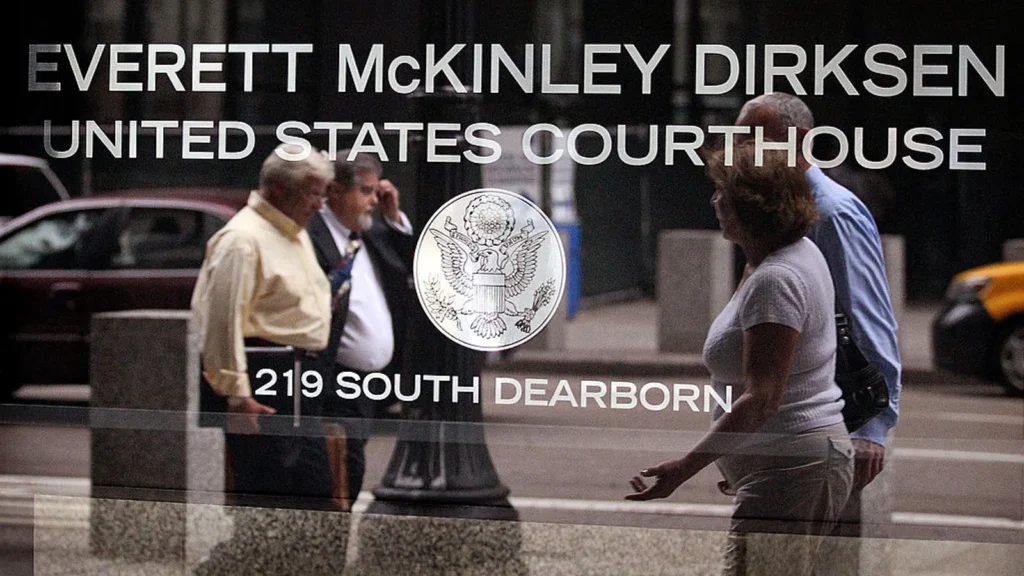
A recent decision from the 7th U.S. Circuit Court of Appeals has cast further light on the evolving legal landscape surrounding Diversity, Equity, and Inclusion (DEI) initiatives in the workplace, particularly within public sector employment. The court delivered a nuanced, bifurcated ruling in a case involving a Wisconsin public employee who alleged she was disciplined for refusing to adopt her employer’s views, which she considered racist and discriminatory against White individuals. While the 7th Circuit affirmed the plaintiff’s First Amendment protection against compelled speech and ideological conformity, it simultaneously dismissed her claims of racial discrimination, finding insufficient evidence to support such allegations. This judgment underscores the complex interplay between an employer’s right to foster an inclusive environment and an employee’s constitutional protections, setting a precedent that will undoubtedly inform future debates and legal challenges in this contentious area.
The Genesis of the Dispute: A Public Employee’s Ideological Stance
The case originated from a public employee’s direct challenge to her employer’s DEI-focused policies and training. The plaintiff, whose role involved coaching, asserted that she was subjected to an environment where specific ideological tenets were mandated, and her refusal to conform to these beliefs led to adverse employment actions. Her primary contention was that the employer’s views were inherently discriminatory and racist towards White people, demanding an adherence to a particular perspective she found objectionable. This claim centered on the idea that the employer sought to impose a "state-selected orthodoxy," forcing employees to internalize and express beliefs that conflicted with their personal convictions. The plaintiff believed that certain aspects of the DEI training and discourse created an unfair burden and ideological demand specifically on White employees, which she argued was not similarly applied to employees of color.
The specifics of the employer’s expectations reportedly included mandates for coaches to "recognize their implicit biases and resist [White] supremacy." While the employer clarified that this did not imply all White people are inherently racist, the plaintiff interpreted these directives as an attempt to coerce a particular viewpoint and as inherently discriminatory. The dispute escalated when the plaintiff declined to fully embrace these views, leading to disciplinary measures that she perceived as retaliatory. This refusal formed the bedrock of her First Amendment claim, arguing that her public employer could not compel her to adopt or express beliefs against her will, particularly when those beliefs touched upon sensitive topics of race and identity.
The 7th Circuit’s Dual Verdict: Free Speech Upheld, Discrimination Dismissed
In its detailed analysis, the 7th Circuit Court of Appeals navigated the intricate legal questions posed by the plaintiff’s allegations, ultimately rendering a decision that offered both a victory and a setback for her case.
First Amendment Safeguards for Public Employees: The court firmly sided with the plaintiff regarding her First Amendment rights. Citing established precedent from both its own jurisdiction and the U.S. Supreme Court, the 7th Circuit reiterated that a public employee cannot be discharged or subjected to adverse actions based on their beliefs, nor can an employer force an employee to conform their beliefs to a "state-selected orthodoxy." The court found that the plaintiff’s explicit statement of declining to accept her employer’s views sufficed to plead a valid claim under applicable law. This aspect of the ruling is significant, reinforcing the constitutional protection afforded to public employees against compelled speech and ideological coercion, even within the context of workplace diversity initiatives. It signals that while employers can promote certain values, they cannot necessarily compel internal belief or external expression of those values, especially if they infringe upon an employee’s protected freedoms. This protection is crucial for maintaining intellectual freedom within public institutions and preventing governmental entities from dictating personal convictions.

Rejection of Race Discrimination Claims: Despite the First Amendment win, the 7th Circuit found no merit in the plaintiff’s claims of racial discrimination. The court concluded that no reasonable jury could infer that the plaintiff had been discriminated against on the basis of her race. Several key factors contributed to this conclusion:
- Plaintiff’s Concession: The plaintiff herself conceded that the defendants would likely have disciplined a Black employee for a similar refusal to comply with employer directives. This admission significantly weakened her argument that the disciplinary action was race-specific.
- Racial Composition of the Team: The court noted that all the coaches on the plaintiff’s project were also White, and she was ultimately replaced by another White female employee. These facts undermined the assertion that White employees were being targeted for discriminatory treatment.
- Universal Application of Policy: The court held that the employer’s directive to "recognize their implicit biases and resist [White] supremacy" was applied to all coaches in the plaintiff’s role, regardless of their race. The employer did not state that all White people are naturally and necessarily racist but rather focused on broader concepts of bias and systemic issues. The court interpreted this as a universal expectation rather than a racially targeted demand.
This part of the ruling highlights the high bar for proving racial discrimination, particularly when policies are applied broadly and when the demographics of those affected do not clearly indicate a discriminatory pattern. It suggests that merely feeling targeted or uncomfortable with DEI content, even if it uses terms like "white supremacy," does not automatically translate into a legally actionable claim of race discrimination if the policy is universally applied and does not explicitly target individuals based on their race.
The Broader Context: DEI Under the Legal Microscope
The 7th Circuit’s decision emerges against a backdrop of increasing scrutiny and legal challenges to Diversity, Equity, and Inclusion programs across both public and private sectors. Once widely embraced as essential for fostering inclusive workplaces and driving innovation, DEI initiatives have become a focal point of political and legal debate, particularly in recent years.
Evolution and Backlash: DEI programs gained significant traction following heightened awareness of systemic inequalities and social justice movements. Companies and organizations invested heavily in training, hiring initiatives, and policy changes aimed at creating more equitable environments. However, this growth has been met with considerable backlash, fueled by concerns that some DEI practices might themselves inadvertently lead to reverse discrimination or create hostile environments for certain groups, particularly White employees or those holding differing political or social viewpoints.
The Trump Administration’s Intervention: A pivotal moment in this evolving debate occurred during the Trump administration. In September 2020, President Trump issued an executive order directing federal agencies to identify and cease funding for any DEI training that promoted "divisive concepts" such as critical race theory, white privilege, or the idea that the U.S. is fundamentally racist. While primarily targeting federal contractors and agencies, this directive sent a clear signal to the private sector about the shifting political winds and the potential for increased regulatory scrutiny. Though rescinded by the Biden administration, its impact lingered, contributing to a more cautious approach to DEI implementation.
EEOC’s Current Stance: The U.S. Equal Employment Opportunity Commission (EEOC), the federal agency responsible for enforcing anti-discrimination laws, has also played a significant role. Under its current Republican majority, the EEOC has consistently cautioned employers about the risks of DEI-related discrimination. In recent guidance, the agency outlined potential examples of unlawful DEI programs, emphasizing that certain training content could be cited as evidence of a hostile work environment or discriminatory practices. This guidance has prompted HR teams to re-evaluate their DEI strategies, seeking to balance the goals of diversity and inclusion with the imperative of legal compliance. The EEOC’s position highlights the tension between promoting equity and ensuring that such efforts do not inadvertently lead to discrimination against any protected class.
A Chronicle of Varying Judicial Outcomes

The 7th Circuit’s ruling is not an isolated incident but rather another data point in a growing body of case law examining challenges to DEI programs. Courts have grappled with similar claims, leading to a spectrum of outcomes that reflect the complexity and novelty of these legal questions.
The 10th Circuit’s Perspective (Colorado Department of Corrections): In May of the previous year, the 10th Circuit Court of Appeals ruled in a case involving the Colorado Department of Corrections. The court held that requiring a plaintiff to attend a training program focused on racial sensitivity and historical suppression of minorities did not create a hostile work environment. Despite the training’s use of terms such as "white fragility" and "white exceptionalism," and the plaintiff’s view that it made "disturbing generalizations" about White people, the 10th Circuit found that the plaintiff failed to demonstrate how the training altered the terms, conditions, or privileges of his job. This decision suggests a higher threshold for proving a hostile work environment claim stemming from DEI training, emphasizing that discomfort or ideological disagreement alone may not be sufficient. It implies that a training, even if controversial, must have a tangible and adverse impact on an employee’s work conditions to be legally actionable as a hostile environment.
The 2nd Circuit’s Revival of a Lawsuit (NYC Teacher): In contrast, the 2nd Circuit Court of Appeals last year revived a lawsuit brought by a White teacher who challenged her employer’s use of a mandatory implicit bias training in New York City. In this case, co-workers reportedly made claims during the training that a rational jury could have considered racist. The 2nd Circuit’s decision to revive the lawsuit suggests that certain elements within DEI training, particularly unchecked expressions from participants that could be construed as discriminatory, might indeed form the basis for a viable legal challenge. This outcome highlights the importance of how DEI training is facilitated and managed, emphasizing that the content and delivery must be carefully controlled to prevent the creation of a discriminatory environment. The distinction here often lies in whether the training itself, or the actions/statements within the training by other participants, created the alleged hostile environment.
These differing outcomes illustrate that courts are evaluating each case on its specific facts, considering the precise content of the training, the nature of the alleged harm, and the employer’s intent and implementation. There is no one-size-fits-all legal answer for DEI challenges, necessitating a meticulous approach from employers.
Legal Implications and Best Practices for Employers
The 7th Circuit’s split ruling, combined with other recent judicial decisions, offers critical insights for employers navigating the complex legal landscape of DEI programs. The message is clear: while fostering an inclusive workplace remains a laudable and often beneficial goal, the methods employed must be carefully scrutinized to ensure compliance with anti-discrimination laws and constitutional protections.
Navigating the Legal Minefield: The primary takeaway is that employers, especially public sector entities, must be acutely aware of First Amendment implications when designing and implementing DEI initiatives. Mandating specific ideological beliefs or compelling employees to express certain viewpoints, particularly on sensitive racial or social issues, carries significant legal risk. While encouraging awareness and education is permissible, forcing conformity of thought or expression is not.
For private employers, while the First Amendment typically doesn’t apply directly to them, state and federal anti-discrimination laws still mandate an equitable workplace. The EEOC’s guidance, as well as the outcomes in cases like the 2nd Circuit’s revival, suggest that DEI programs, if poorly designed or executed, can inadvertently create environments where claims of reverse discrimination or hostile work environments can arise.

Expert Recommendations for Risk Mitigation: Legal experts, such as attorneys from Epstein Becker Green, have offered practical advice for employers seeking to reduce the legal risks associated with DEI programs. Their recommendations, increasingly vital in the current climate, include:
- Focus on Core Principles: Shift the emphasis of DEI training from systemic or group-level concepts that might be perceived as divisive to universally accepted principles of anti-harassment, anti-discrimination, and respectful workplace behavior. This approach aligns with fundamental legal obligations and is less likely to trigger claims of ideological coercion or discrimination.
- Avoid Generalizations and Stereotypes: Employers should rigorously avoid training content that suggests any particular group of employees possesses an inherent bias or specific characteristics based on protected categories. For instance, asserting that all members of a certain race are inherently biased or complicit in systemic issues can be problematic. Training should focus on individual behavior, awareness of personal biases, and promoting equitable treatment for all.
- Ensure Voluntary Participation (where appropriate): While some basic anti-harassment training is mandatory, consider making certain DEI discussions or workshops voluntary, especially those touching on deeply personal or potentially contentious ideological viewpoints. This can help mitigate claims of compelled speech.
- Careful Facilitation: If sensitive topics are discussed, ensure that facilitators are highly skilled in managing discussions, maintaining neutrality, and preventing participants from making discriminatory statements or fostering a hostile environment.
- Review Content Regularly: Regularly review DEI training materials and program content to ensure they are current, legally compliant, and aligned with organizational values without being prescriptive on individual beliefs.
- Focus on Measurable Outcomes: Frame DEI efforts around concrete, measurable goals related to fair hiring practices, equal opportunities, and inclusive policies, rather than solely on ideological shifts.
Broader Impact and Future Outlook
The 7th Circuit’s decision, alongside other recent rulings, serves as a crucial data point in the ongoing evolution of employment law concerning DEI. Its immediate implications are particularly relevant for public sector employers, who must now more carefully balance their commitment to diversity with their constitutional obligations to protect employees’ First Amendment rights.
Impact on Corporate Culture: For both public and private entities, these legal developments necessitate a re-evaluation of how DEI is conceived, communicated, and implemented. Organizations striving for inclusive cultures must find ways to educate and engage employees without infringing upon their fundamental rights or creating environments perceived as discriminatory. This might lead to a greater emphasis on skill-based training, fostering psychological safety, and promoting respectful dialogue, rather than didactic ideological instruction. The challenge lies in creating genuine inclusivity that resonates with all employees, rather than alienating some in the process.
Economic and Reputational Considerations: Beyond legal compliance, companies and public institutions face significant economic and reputational risks. Litigation, regardless of the outcome, is costly in terms of legal fees, lost productivity, and potential damage to an organization’s public image and employee morale. A perceived lack of fairness or ideological overreach can lead to decreased employee engagement, difficulty in recruitment, and negative publicity. Therefore, a legally sound and ethically robust DEI strategy is not just a compliance issue but also a strategic imperative for long-term organizational health.
The Future of DEI: The landscape of DEI is likely to continue evolving, shaped by further judicial rulings, legislative actions, and societal shifts. The trend suggests a move towards more carefully tailored, evidence-based DEI programs that focus on tangible outcomes related to equity and inclusion, while rigorously avoiding practices that could be construed as discriminatory or infringements on individual liberties. The 7th Circuit’s ruling serves as a powerful reminder that while the pursuit of diversity and inclusion is vital, it must always be conducted within the bounds of existing legal frameworks and constitutional protections for all employees. This will require nuanced approaches, thoughtful leadership, and a continuous commitment to fairness and respect in the workplace.






