
The quest for organizational success invariably leads to a critical question: what distinguishes high-performing teams from their average counterparts? It’s a puzzle that has occupied business leaders, researchers, and strategists for decades. The answer, it turns out, is not merely a matter of assembling a collection of talented individuals. Instead, it involves the meticulous cultivation of specific characteristics, behaviors, and best practices that foster an environment of exceptional achievement. This article delves into the core components that define and drive these elite teams, exploring their essential nature, defining attributes, unique methodologies, and the practical steps organizations can take to cultivate such environments.
The very essence of a high-performing team lies in its collective power. These are not just groups of people working together; they are synergistic units that harness their combined skills, diverse perspectives, specialized expertise, and complementary strengths to tackle and conquer formidable challenges. Their focus is razor-sharp, zeroed in on achieving clear, outstanding results. This relentless pursuit of excellence is underpinned by a robust foundation of trust, seamless collaboration, and a deeply ingrained shared sense of purpose. The journey to building such a team is far from serendipitous; it demands a strategic and intentional approach to performance management, one that empowers individuals to collaborate, innovate, and collectively excel.
Why are High-Performing Teams Essential?
The ripple effect of a high-performing team’s success extends far beyond its immediate objectives, directly influencing the overall health and trajectory of an organization. When teams are aligned, well-supported with feedback and coaching, and equipped with the necessary resources, they become powerful engines for driving new ideas, efficiently executing tasks, and achieving ambitious goals. They possess the unique ability to dismantle organizational barriers and consistently deliver impactful results, thereby becoming indispensable assets in today’s competitive landscape.
Characteristics of a High-Performing Team

While each high-performing team may exhibit unique nuances, a set of common characteristics consistently emerges, forming the bedrock of their success.
-
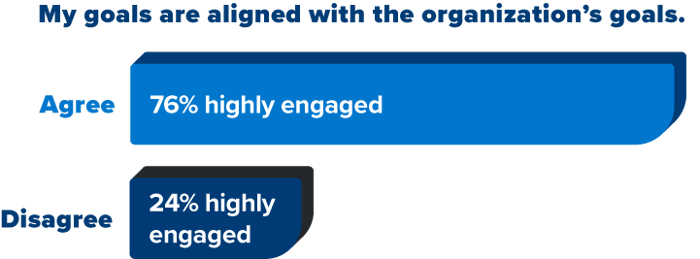
Alignment with Organizational Mission: A fundamental driver of engagement and productivity is the clear understanding of how individual and team efforts contribute to the broader organizational mission and vision. High-performing teams possess this clarity, understanding their "why" and working cohesively to support a shared purpose. Research consistently indicates that highly engaged employees, often found within these elite teams, demonstrate a profound connection to the organization’s overarching goals.
-
Clear, Aligned Goals: These teams operate with an unwavering focus, purpose, and set of priorities. They meticulously establish team and individual goals that directly support this shared vision. The clarity of these goals is paramount; everyone understands precisely what needs to be accomplished and the pathways to achieve it. Data from Quantum Workplace’s extensive research highlights a significant correlation: employees are 3.2 times more likely to be engaged when their individual performance goals are strategically aligned with organizational objectives. This alignment ensures that every effort is directed towards common aims, maximizing impact and efficiency.
-
Defined Roles and Responsibilities: To mitigate unnecessary conflict and ensure smooth operations, high-performing teams clearly delineate each member’s role and responsibilities. This structured approach minimizes ambiguity, allowing individuals to focus on their specific contributions without stepping on toes or duplicating efforts. When roles are well-defined, tasks are executed more efficiently, and the team can dedicate its energy to achieving its objectives rather than navigating internal friction.
-
Clear and Respectful Communication: Effective communication is the lifeblood of any successful team, and its breakdown can swiftly undermine performance. High-performing teams establish explicit communication expectations and cultivate robust channels for interaction. This ensures that everyone knows when, where, and with whom to communicate. While conflict is an inevitable aspect of collaborative work, these teams possess the adeptness to navigate it constructively, transforming potential obstacles into opportunities for growth and resolution.
-
Embrace of Two-Way Feedback: A culture of continuous improvement is fostered through open and constructive two-way feedback. Team members feel empowered to share their ideas, concerns, and suggestions without fear of reprisal. Managers, in turn, actively solicit feedback from their teams, valuing their perspectives and integrating these insights to drive collective growth. This feedback-driven approach not only enhances individual performance but also fortifies team dynamics, leading to greater collaboration and adaptability. The insights gleaned from feedback can then be translated into targeted development opportunities for employees, further fueling their growth.
-
Prioritization and Deadline Management: High-performing teams exhibit a keen understanding of what truly matters. They prioritize tasks based on their impact and urgency, recognizing that not all work carries equal weight. This strategic approach to project management ensures that efforts remain aligned with overarching organizational goals, driving growth and maximizing the value of each team member’s contribution.
-
Manager-Employee Alignment and Connection: The cornerstone of strong team cohesion is the cultivated relationship between managers and employees. Regular one-on-one meetings serve as crucial platforms for fostering clarity and connection. These interactions transcend mere status updates, providing dedicated space for individualized discussions on goals, progress, and challenges. Managers leverage these sessions to understand employee aspirations, offer guidance, and provide essential support, thereby nurturing a sense of belonging and commitment that fuels team success.
-
Mutual Trust and Respect: The synergy required for high achievement is intrinsically linked to a foundation of trust and mutual respect. Members of high-performing teams value each other’s contributions and trust their colleagues to fulfill their responsibilities. They embrace diversity of thought and experience, recognizing that these differences are a source of strength. This culture of trust empowers individuals to contribute their best, knowing their efforts are valued and respected.
-
Celebration of Success and Recognition of Contributions: High-performing teams understand that success is a collective endeavor. They celebrate wins together and make it a priority to recognize and appreciate each member’s contributions. This practice cultivates a strong culture of collaboration and ensures that every individual feels valued and connected to the team’s achievements. Empirical evidence consistently demonstrates that while ratings, rankings, and pay-for-performance metrics may not be primary drivers of engagement, genuine recognition plays a pivotal role. Studies show that highly engaged employees are significantly more likely to feel that their contributions are acknowledged.
-
Commitment to Continuous Learning: Even the most accomplished teams recognize the imperative of ongoing development. They embrace feedback, learn from mistakes, and actively seek opportunities for growth. By nurturing a feedback culture and investing in employee development, these teams propel themselves forward, remaining agile, innovative, and consistently striving for higher levels of achievement.
-
Balancing Short-Term Priorities with Long-Term Growth: A hallmark of elite teams is their ability to strike a critical balance between achieving immediate objectives and investing in sustainable long-term growth. While focused on delivering current results, they proactively engage in learning, skill development, and career advancement initiatives to stay ahead of evolving industry trends. Processes like talent reviews and succession planning are integral to this approach, ensuring a robust pipeline of future leadership and preparedness for emerging challenges. Accessible career pathing further solidifies this commitment, offering employees a clear vision for their future within the organization.
What Do High-Performing Teams Do Differently?
Beyond these foundational characteristics, high-performing teams distinguish themselves through specific, proactive behaviors that elevate their performance above the norm.
-
Embracing Innovation and Adaptability: The only constant in the business world is change. High-performing teams, however, do not shy away from it; they embrace it. They are not afraid to challenge the status quo, actively seeking out new ideas, fostering innovation, and adapting swiftly to evolving circumstances. This inherent flexibility and openness to change allows them to remain agile, resilient, and poised to seize emerging opportunities. Crucially, they are provided with the necessary space, buy-in, tools, and technology to experiment, learn, and even make mistakes, understanding that organizational impact, not just arbitrary KPIs, defines true success.
-
Cross-Functional Collaboration: Organizational silos are a significant impediment to progress, but they rarely hinder high-performing teams. These teams are adept at dismantling silos, actively fostering collaboration across departments, disciplines, and diverse teams. They achieve this by cultivating an environment where individuals freely share knowledge, leverage each other’s strengths, and work collaboratively towards shared objectives. This spirit of cross-functional synergy amplifies their collective impact and strengthens interdepartmental relationships.
-
Focus on Recognition and Achievements: Recognizing that individual contributions vary, high-performing teams understand the nuances of meaningful recognition. They leverage data to celebrate milestones, both significant and incremental, proactively and reactively acknowledging contributions to the broader team. This creates a contagious culture of appreciation that motivates everyone to work smarter and strive for excellence.
-
Leveraging Engaging Performance Processes and Technology: The efficacy of a high-performing team is directly tied to the strength of the processes and tools that support them. They cannot afford to be bogged down by disparate systems or siloed data. To optimize their performance, these teams utilize integrated tools that facilitate seamless collaboration, provide data-driven reporting, and automate repetitive tasks, freeing up valuable time for strategic work.
-
Mutual Accountability: High-performing teams operate on a principle of collective responsibility. They do not point fingers or assign blame; instead, they embrace mutual accountability, holding each other—and themselves—responsible for the team’s overall performance and outcomes. This shared ownership fosters a supportive environment where everyone is invested in the team’s success.
Practical Tips for Building a High-Performing Team
The creation of a high-performing team is a sustained effort, not an overnight achievement. It requires unwavering commitment and strategic investment in continuous growth and development. Organizations can embark on this journey by implementing the following practical strategies:
-
Cultivate a Shared Sense of Purpose: For employees to feel truly connected to their team, a unified purpose is essential. This is achieved through clear goal setting and team alignment. Managers must consistently evaluate priorities and team goals to ensure their effectiveness and alignment with broader organizational objectives. Regularly communicating and connecting these goals to the team’s daily work keeps the overarching vision at the forefront. One-on-one meetings are invaluable for checking in on progress, identifying key priorities, and ensuring that individual work remains aligned with team goals, fostering a shared direction towards enhanced performance.
-
Streamline Communication: Nimbleness and focus are critical for high-performing teams, making clear, streamlined communication indispensable. Establishing explicit processes and expectations for communication ensures everyone remains synchronized. Utilizing tools like Slack for informal updates and team chats, while employing project management platforms such as Asana for housing project data, defining responsibilities, and tracking progress, can be highly effective. Defined communication protocols prevent misunderstandings, ensure that vital information reaches the right people, and prevent critical tasks from falling through the cracks. Encouraging opportunities for team members to share expertise and learn from one another, through workshops or knowledge-sharing sessions, further enhances creativity, problem-solving, and camaraderie.
-
Empower Decision-Making at All Levels: High-performing teams empower their members to make decisions and take ownership of their work. Managers foster an environment where presenting new ideas or solutions is met with encouragement rather than apprehension. They recognize that maximum performance is achieved by empowering employees to take initiative. Encouraging team members to contribute ideas, provide input, and make autonomous decisions within their areas of responsibility cultivates a sense of ownership, accountability, and a culture of trust. Regular recognition for these contributions reinforces how individual efforts benefit the larger organization.
-
Recognize and Reward Achievements: Acknowledging and celebrating both individual and group achievements is fundamental to building and sustaining a high-performing team. Recognition and rewards not only boost morale but also reinforce desired behaviors and motivate team members to excel. This appreciation can be expressed regularly, with weekly one-on-one meetings serving as opportunities to stay connected on team goals and achievements. Recognition should extend beyond major wins, encompassing steady performance and instances where teams have gone above and beyond. It’s crucial to understand that individual preferences for recognition vary, requiring managers to observe and adapt their approach over time. Peer-to-peer recognition, facilitated through platforms like dedicated Slack channels or email threads, can also foster a positive and engaging work environment at every level.
-
Invest in Employee Development: To achieve consistently outstanding results, organizations must cultivate a culture of continuous learning and improvement. High-performing teams are inherently curious, asking questions, exploring possibilities, and adapting based on new knowledge. By continuously building on their expertise and learning from past experiences, teams become more effective, efficient, and innovative. Investing in employees’ growth and development by identifying relevant opportunities that align with team needs, priorities, and individual goals empowers them, enhances their job performance, and fosters a sense of motivation and capability.
Who is Responsible for Building High-Performing Teams?
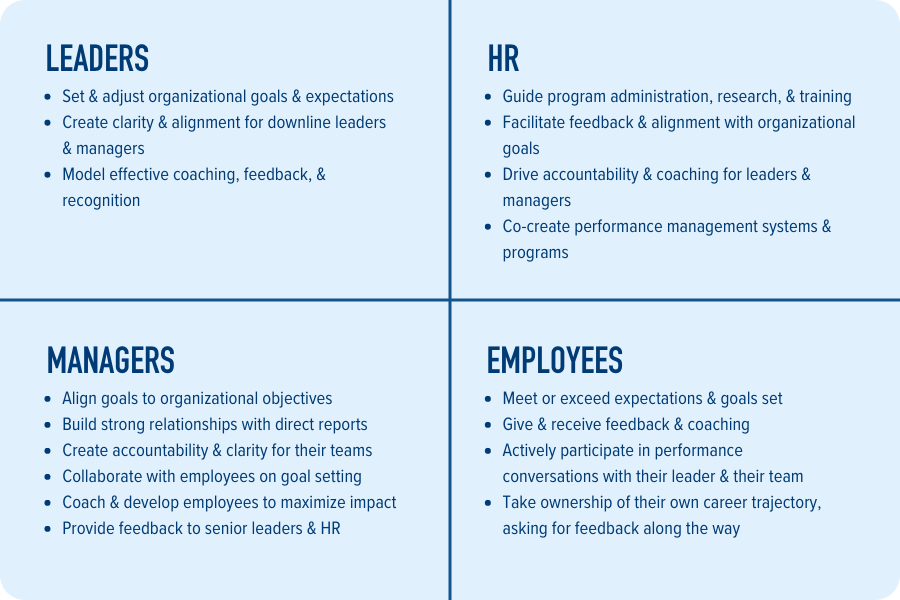
Inspiring significant employee impact requires a human-centered, engaging approach to performance management. This approach helps individuals and teams understand their crucial role in the organization’s success. Employees are motivated to succeed and contribute, but they expect more than perfunctory performance management processes; they anticipate effective guidance and support from their organizations and managers. Building an engaging performance management system is a shared responsibility, involving leaders, HR, managers, and employees alike.
-
The Role of Senior Leaders: Senior leaders are instrumental in setting the strategic direction and establishing clarity around the organization’s most critical goals, adapting as needs evolve. They must set a compelling example of performance, accountability, and effective coaching, focusing on outcomes and impact rather than mere output.
-
The Role of HR: Human Resources plays a pivotal role in driving performance management initiatives and ensuring their effectiveness. HR professionals facilitate performance feedback, align performance metrics with organizational goals, and hold leaders accountable as coaches. By co-creating performance programs with stakeholders and continuously evaluating and adapting them, HR builds dynamic systems that enhance employee impact, development, and overall business success.
-
The Role of Managers: Managers translate organizational goals into actionable team objectives and are key to fostering employee growth and development. They build strong relationships with their direct reports, provide consistent feedback, and ensure clear expectations are set. Managers collaborate with employees to establish goals, offer coaching, and allocate necessary resources for success. Their feedback to senior leadership and HR is vital for refining the performance management process, and their ongoing development enhances their coaching capabilities.
-
The Role of Employees: While leadership and HR can establish robust performance management systems, employee participation is critical for realizing impact. Employees are expected to strive for their goals, actively participate in giving and receiving feedback and coaching, and take ownership of their development and career trajectory, seeking support when needed.
How Performance Management Software Empowers High-Performing Teams
Building a high-performing team is a long-term endeavor that yields significant rewards. By combining the right mix of skills and experience with the nurturing of fundamental team characteristics, organizations can achieve exceptional outcomes. Quantum Workplace offers a suite of performance management tools specifically designed to help organizations grow, manage, and scale their high-performing teams.
-
Clear and Aligned Goals: Setting clear, aligned goals is foundational to high-performing team success. Quantum Workplace’s solutions empower teams to set, monitor, and achieve critical goals through features such as cascading goals, progress tracking, and alignment reporting.
-
Trust and Performance through Feedback: Quantum Workplace’s feedback tools, including 360-degree, peer, and upward feedback, are designed to enhance employee performance, growth, and development, fostering a culture of continuous feedback within teams.
-
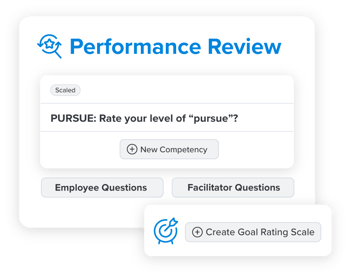
Effective Performance Reviews: Performance reviews remain a vital component of performance management. Quantum Workplace’s platform ensures these conversations are effective, efficient, and engaging, with features for streamlined review processes, feedback consolidation, and goal alignment.
-
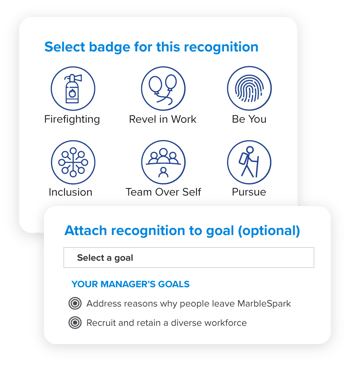
Real-Time Recognition: Motivating employees and celebrating success is made easier with real-time recognition tools. These platforms allow for the easy sharing of success stories, ensuring employees across the organization feel valued and appreciated.
-
Clarity and Connection with 1-on-1 Meetings: Quantum Workplace’s 1-on-1 meeting tools empower meaningful conversations at all levels, fostering communication, clarity, and engagement between managers and employees.
-
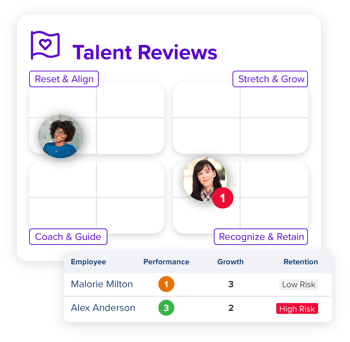
Talent Identification and Development: Objective assessment of performance through talent reviews helps identify high-potential employees and areas of talent risk, enabling strategic talent decisions and development planning.
-
Sustained High Performance with Succession Planning: Proactive identification of gaps and the creation of development plans prepare organizations for the future by ensuring the right successors are identified and developed for critical roles.
The journey to building and sustaining high-performing teams is an ongoing commitment. By understanding and implementing these core characteristics, leveraging the right tools, and fostering a culture of continuous improvement, organizations can unlock their teams’ full potential and drive unprecedented levels of success.