This week, Cornerstone OnDemand, a dominant force in corporate learning technology with an estimated annual revenue of approximately $1 billion, has unveiled a significant strategic pivot, embarking on a profound reinvention centered on artificial intelligence. This move, positioning the company at the vanguard of AI integration within the complex landscape of professional development, comes at a critical juncture for the learning and development (L&D) sector, a field undergoing rapid and fundamental disruption. As industry analysts prepare to release their comprehensive "HR 2030" report, this development signifies a crucial indicator of future trends.
Cornerstone’s Established Leadership and Market Position
For over two decades, Cornerstone has cultivated a formidable presence in the corporate learning technology market. The company boasts an impressive client roster of over 7,000 enterprise customers, including many of the world’s most recognizable brands, collectively serving approximately 140 million users. While its core revenue streams are anchored in Learning Management Systems (LMS) and Learning Experience Platforms (LXP), a substantial portion is also derived from its comprehensive talent management suite.
Founded 27 years ago as an e-learning platform provider, Cornerstone pioneered the "talent-driven learning platform" segment. Its trajectory has been marked by strategic acquisitions and organic growth, allowing it to consistently outperform or absorb nearly every standalone LMS company established in the past 25 years. The total addressable market for corporate learning technology is estimated to be around $30 billion. However, this market is also significantly influenced by major human capital management (HCM) players such as Workday, Oracle, and SAP. Within this competitive arena, Cornerstone has established itself as a leader, often recognized for its superior functionality compared to many competitors.

Since its privatization in 2021 for $5.5 billion, representing roughly five times its current revenue, Cornerstone has strategically expanded its portfolio. Key acquisitions include EdCast (LXP), Skyhive (skills and labor market data), and Tailspin (Virtual Reality). Despite its profitability, the company’s market valuation has seen modest growth, a situation attributed by some observers to the perceived "collapsing" nature of certain segments within the broader learning market, as discussed later.
Cornerstone has been actively addressing these market dynamics. The company has been focused on expanding its sales channels, offering more integrated solutions, and enhancing its feature set. Nevertheless, some industry observers note that the Cornerstone brand, while respected, might be perceived as somewhat dated, leading some clients to explore alternatives during renewal periods. This is a common challenge for established technology providers as the market evolves rapidly. However, the company is widely regarded as well-managed, with experienced and execution-focused leadership teams.
The AI Disruption: A Paradigm Shift in Learning
The landscape of corporate learning is undergoing a seismic shift, largely catalyzed by the emergence and rapid advancement of artificial intelligence. The widespread availability of sophisticated AI tools, exemplified by the public release of ChatGPT in the fall of 2022, has begun to fundamentally alter the "e-learning" and "published training content" markets. This massive, estimated $400 billion market is now being rapidly reinvented at an unprecedented pace by AI technologies.
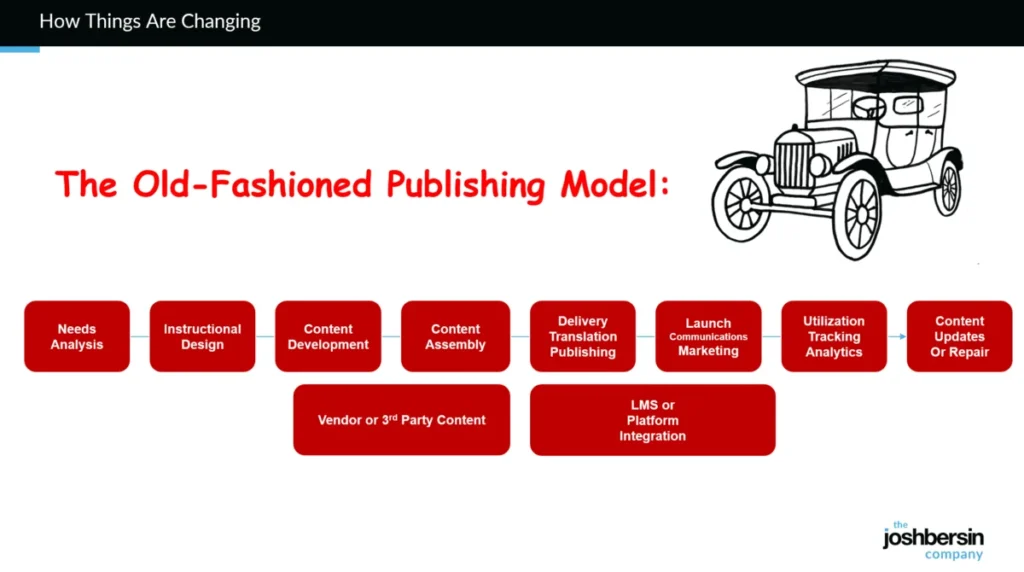
For the past three decades, the creation of corporate training content has followed a labor-intensive, linear process. Companies meticulously authored, published, and licensed content in various formats, including courses, videos, assessments, and simulations. This content development was typically undertaken by instructional designers, graphic artists, and subject matter experts, often requiring significant time and financial investment. For instance, developing a single high-quality course could cost upwards of $50,000, with the entire process from design to publication potentially spanning several months. This traditional model, while delivering valuable learning experiences, was inherently slow and inflexible, making it difficult to update and adapt to rapidly changing business needs. The underlying technology for tracking learner progress, primarily the SCORM standard, developed over 35 years ago, also reflects this older paradigm, focusing on completion rates and pass/fail metrics rather than dynamic learning engagement.
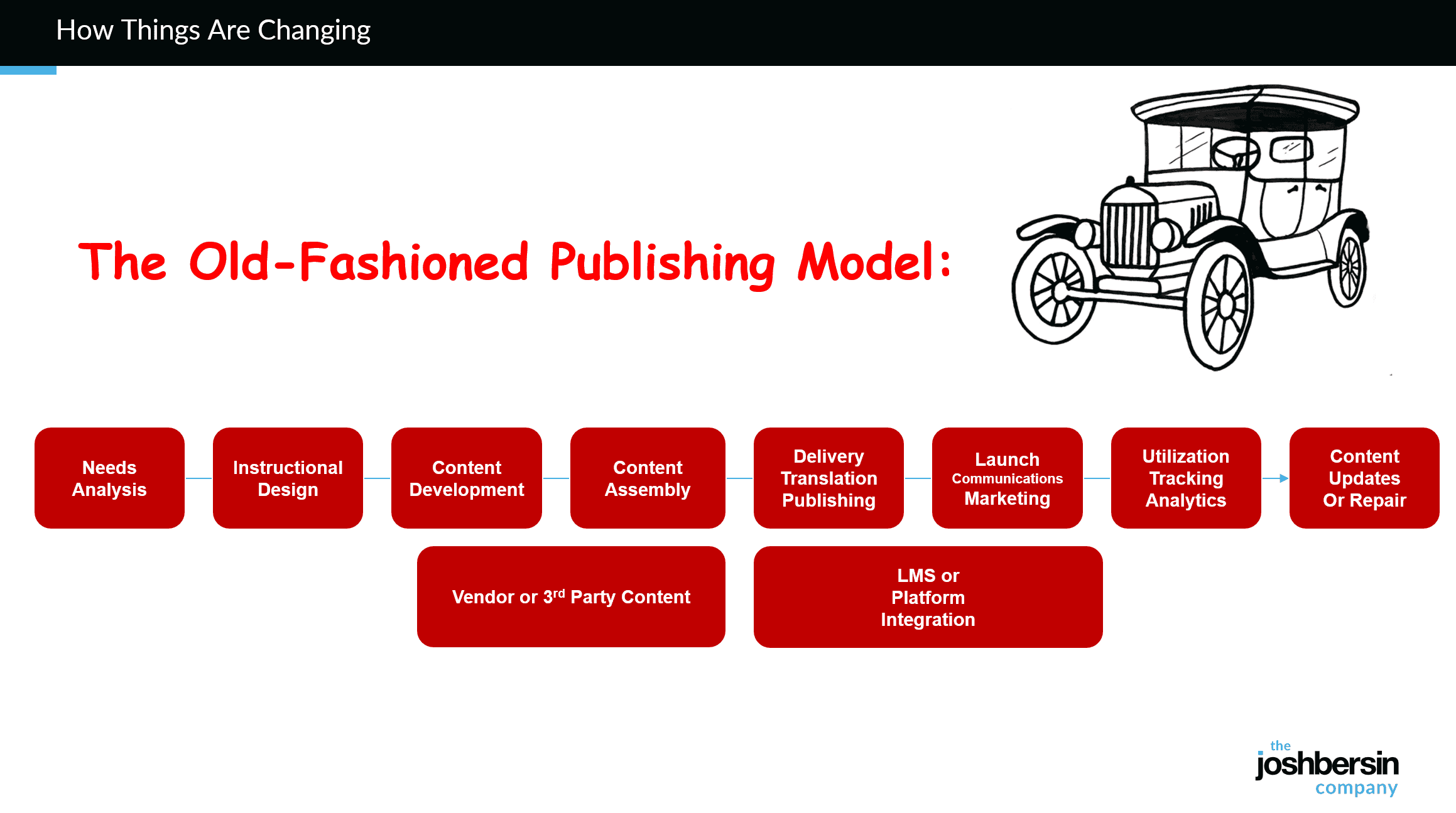
This traditional approach, while employing millions of dedicated learning professionals, is now facing obsolescence. The cost, time commitment, and inherent inflexibility of producing bespoke training materials are increasingly at odds with the speed and agility demanded by today’s business environment. The question of Return on Investment (ROI) for lengthy content development projects is becoming more pertinent, especially when compared to the accessibility and on-demand nature of readily available online resources like YouTube videos, which, despite their informality, offer a more immediate learning experience, albeit without the formal tracking and security of corporate learning platforms. This creates a significant market opportunity, with an estimated $50+ billion market for content poised for transformation.
AI’s Transformative Impact on Learning Content and Delivery
The advent of AI is fundamentally reshaping the creation and consumption of learning content. While early concerns might have focused on the potential for AI-generated content to be rudimentary, as seen with AI-authored essays, the reality is that AI-generated courses are rapidly becoming sophisticated and highly effective. Crucially, the time required for content creation and refinement has been drastically reduced from months to mere days or even hours. Even if an initial AI-generated course is not perfect, the speed of production allows for iterative improvements and rapid customization.
Beyond content generation, AI is revolutionizing the learning experience itself. Instead of navigating through static modules and chapters, learners can now engage with AI-powered content by asking direct questions. This transforms a "course" into a dynamic, interactive learning resource, akin to an expert available on demand. This personalized approach ensures that each employee receives a tailored learning experience, addressing their specific needs and knowledge gaps—a feat that traditional SCORM-compliant materials struggled to achieve.
Furthermore, AI-powered learning platforms offer interconnected knowledge repositories. If an employee needs information on a specific topic, such as safety protocols for handling sulfur dioxide in a refinery, they can simply ask the system. The AI can then instantly retrieve relevant information from various connected courses and resources, eliminating the need to locate a specific "sulfur dioxide safety" course. This immediate access to targeted knowledge is critical for "enablement"—providing employees with the information and support they need to perform their jobs effectively, which constitutes the majority of daily work, rather than solely focusing on formal learning.
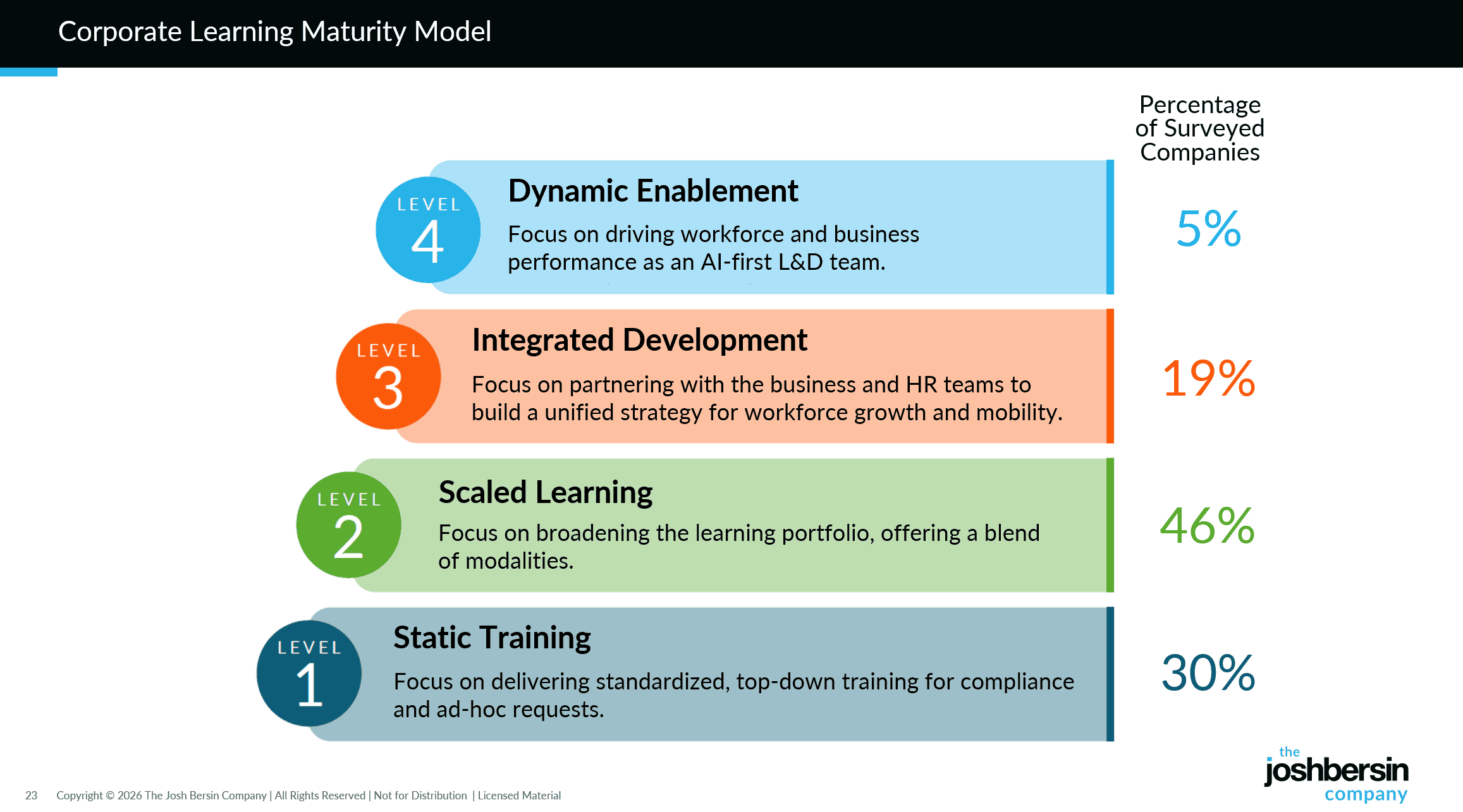
This shift represents a profound "Revolution in L&D," which in turn drives a "Revolution in Business." L&D departments are poised to become more streamlined and strategically integrated into business operations. Instead of being a siloed function, L&D is evolving into a direct business enabler, with its responsibilities extending beyond compliance training to empowering employees with the skills and knowledge required for immediate task execution and long-term career growth. Research, such as the maturity model developed by industry analysts, indicates that companies operating at advanced levels of this transformation are significantly more innovative and agile in their skills development, fostering strong relationships with business units by delivering content and solutions as challenges arise.
Implications for Cornerstone and the Broader Market
The rapid evolution of AI in corporate learning presents both challenges and immense opportunities for established players like Cornerstone. Emerging vendors such as Sana, Docebo, Absorb, and Uplimit are already offering AI-native learning solutions. Furthermore, major AI developers like OpenAI are integrating content from established platforms, and companies like Anthropic are actively assisting enterprises in leveraging AI for learning.
The future landscape of corporate learning is one where every employee will have access to personalized AI agents. These agents, integrated with individual work data—emails, meeting notes, documents, and project artifacts—will possess a deep understanding of an employee’s skills, experiences, strengths, and weaknesses. By incorporating peer feedback and performance data, this "People Graph," a concept central to Cornerstone’s new strategy, will enable AI agents to proactively offer personalized guidance, onboarding plans, and coaching. This represents a departure from traditional, often slow and expensive, learning interventions.
The implications for L&D professionals are significant. Spending on traditional learning tools is expected to decline as budgets shift towards AI-native solutions. L&D leaders who fail to embrace and integrate these new technologies risk diminishing budgets, seniority, and overall relevance within their organizations. The question will increasingly become: "Why are we investing heavily in outdated content delivery methods when AI can provide more effective and efficient solutions?"
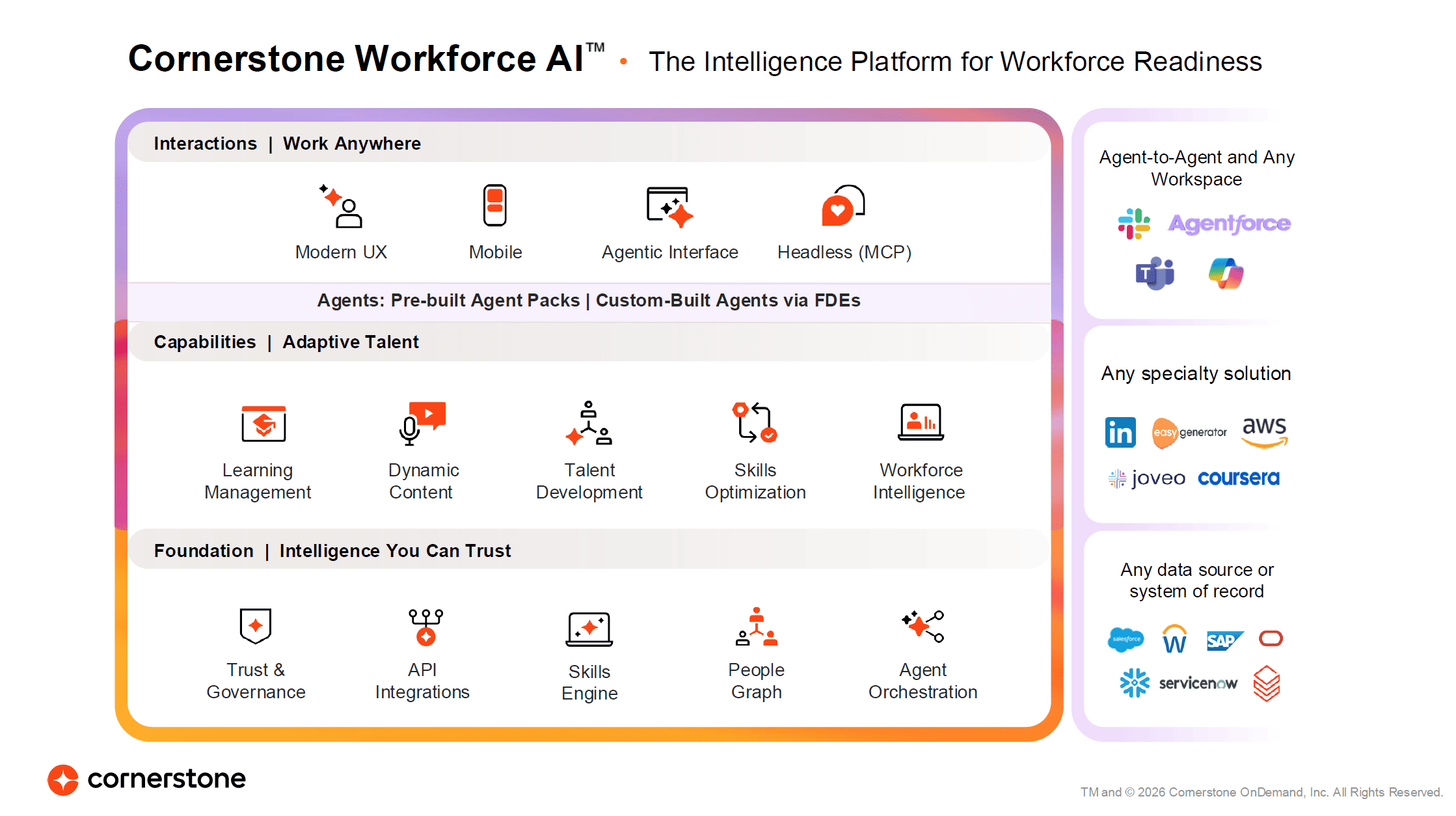
Cornerstone Workforce AI: A Strategic Reinvention
In response to these market imperatives, Cornerstone has launched "Cornerstone Workforce AI," a comprehensive reinvention aimed at positioning the company at the forefront of AI-driven learning. This new platform, spearheaded by an experienced AI team, integrates several key capabilities:
- Skills and Capability Inference: Advanced AI algorithms analyze data to identify and map employee skills and competencies.
- Open "People Graph": This foundational element allows for the aggregation of data from diverse enterprise systems, including HRMS, LMS, project management tools, and employee engagement surveys. This holistic view of employee data is critical for personalized learning and development.
- Data Services: This includes access to labor market intelligence from acquisitions like Skyhive, providing insights into in-demand skills and career pathways.
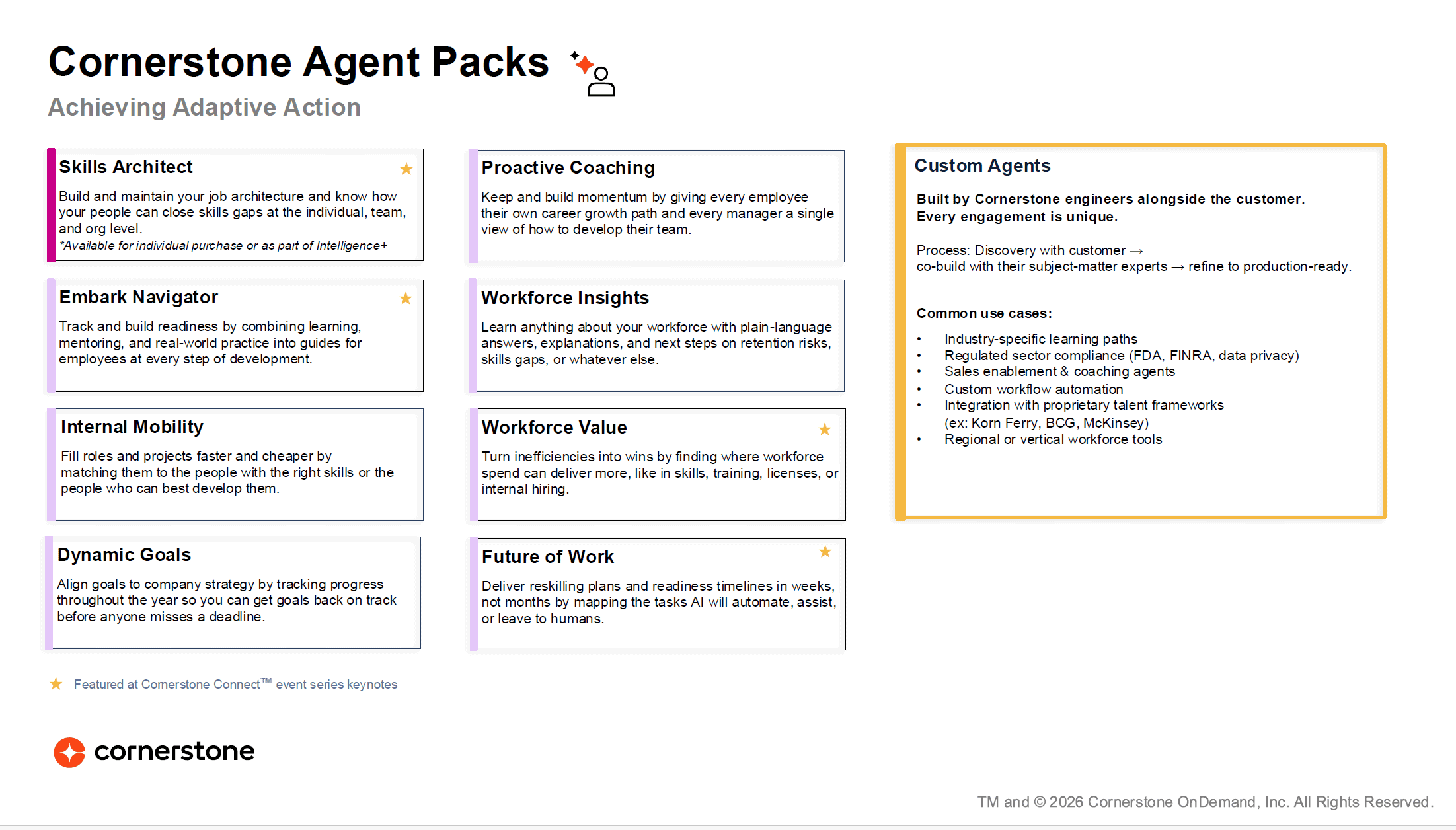
- "Readiness Agents": Pre-built AI agents designed to address immediate business challenges and skill gaps, offering solutions for critical business needs.
While some functionalities are still being integrated from Cornerstone’s existing platform, the core AI capabilities represent a significant leap forward. Customers can adopt these new features either as a standalone offering or by upgrading their existing licenses to unlock the full suite of AI-powered tools.
Early adopters and industry partners, including a wealth management company, a large media organization, and Cisco, have reportedly begun leveraging Cornerstone Workforce AI for critical skill transformation, employee mobility initiatives, and risk mitigation strategies. These implementations highlight the platform’s ability to integrate company-specific information, thereby enhancing employee skills and organizational agility.
Although the platform may not yet be a fully "AI-native" solution in the vein of some newer entrants, it is rapidly converging on that paradigm. Cornerstone has already introduced AI content development tools and administrative assistance agents, with AI-native content features being rolled out across both its legacy and new environments. The current suite of packaged agents, while not fully customizable by end-users, effectively harnesses the comprehensive data and intelligence embedded within the Workforce AI platform.
The Road Ahead: Opportunity and Evolution
Cornerstone’s strategic embrace of AI marks a pivotal moment for the company and the broader corporate learning industry. The management team’s commitment to this reinvention, while acknowledging the need to support existing customers, presents a significant opportunity to shape the future of AI-driven professional development.
The anticipated decline in spending on traditional training solutions, coupled with the growing allocation of budgets towards AI initiatives, positions Cornerstone to capture a substantial market share. While new and innovative vendors are emerging, Cornerstone’s established market presence and its substantial investment in AI offer a compelling proposition.
For organizations ready to embrace this transformative wave, Cornerstone Workforce AI presents a powerful platform for strategic innovation. The platform’s robust AI capabilities empower businesses to envision a future where every employee is equipped with the personalized support and knowledge needed to thrive. The challenge now lies in effectively communicating the value and functionality of this evolving solution within the dynamic and rapidly changing AI market. The success of this ambitious endeavor will depend on Cornerstone’s ability to demonstrate tangible results and clearly articulate its vision for an AI-enabled future of work.