
A groundbreaking survey by Kahoot! has unearthed a startling reality within the modern office: a significant portion of the workforce feels profoundly disconnected from their colleagues. The findings reveal that a substantial 39% of office workers experience a sense of isolation on the job, with nearly one-third reporting that they frequently go an entire workday without engaging in any conversation with a coworker. This pervasive feeling of loneliness, extending beyond mere physical solitude to the absence of meaningful relationships, carries significant implications for team performance, innovation, employee retention, and overall organizational health.
The research, released in early 2025, highlights that Millennials are the generation most susceptible to workplace loneliness. Alarmingly, the study indicates that this disconnect can lead to tangible consequences, with one in five men and one in eight women having previously resigned from a position due to a lack of connection with their colleagues. Further compounding the issue, research from the Harvard Graduate School of Education’s Loneliness in America 2024 report suggests a correlation between income level and loneliness, indicating that those in lower-paying roles are more prone to experiencing isolation. This demographic, often comprising frontline and essential workers, requires particular attention from organizations seeking to foster a more connected environment.
Understanding Loneliness: Beyond Physical Isolation

It is crucial to differentiate workplace loneliness from simply being alone. The sentiment is rooted in the quality of interpersonal relationships. An employee working in a busy retail environment, for instance, might feel more isolated than a remote worker if they do not feel welcomed, supported, or comfortable within their team. This subjective experience underscores the need for proactive strategies that cultivate genuine connection, rather than solely focusing on proximity or shared physical space.
The Societal Ripple Effect of Loneliness
The ramifications of loneliness are not confined to individual well-being; they extend to the broader societal fabric. Communities grappling with higher rates of loneliness often exhibit a range of negative trends that impact public health, social cohesion, and economic stability. While the Kahoot! survey specifically addresses the workplace, its findings resonate with a growing body of research on the epidemic of loneliness sweeping across developed nations. Studies by organizations like the U.S. Surgeon General have classified loneliness as a public health crisis, citing its detrimental effects on mental and physical health, comparable to the risks associated with smoking and obesity. This societal context amplifies the urgency for workplaces to address this issue, as they are integral components of people’s daily lives.
Workplace Consequences: A Drain on Performance and Morale

Within the organizational sphere, the impact of loneliness is multifaceted and detrimental. Employees who feel disconnected are less likely to trust their peers and engage in collaborative efforts, directly hindering innovation and the unlocking of operational efficiencies. Furthermore, lonely employees are more susceptible to illness, burnout, and absenteeism, leading to a decline in overall productivity and engagement. A landmark study by Gallup has corroborated this, finding that lonely employees exhibit significantly lower levels of motivation and engagement. The research specifically identifies Millennials and managers as demographic groups experiencing higher rates of loneliness within the workplace, underscoring the need for targeted interventions.
The Return-to-Work Debate: A Complex Equation
The findings also cast a new light on the ongoing debate surrounding return-to-office mandates. While some proponents argue that a physical return can mitigate loneliness, the data presents a more nuanced picture. Gallup’s research indicates that fully remote employees report higher levels of loneliness (25%) compared to their in-office counterparts (16%). However, employees who are consistently on-site report higher rates of burnout (29%) than those who work remotely (24%). This suggests that neither fully on-site nor fully remote arrangements are inherently superior in addressing employee well-being; the key lies in fostering connection regardless of the work model. Hybrid models, often lauded for their flexibility, may offer a middle ground, but success hinges on intentional strategies to bridge the gaps created by varied work arrangements.
Organizational Strategies to Combat Workplace Loneliness

Recognizing the pervasive nature of this challenge, organizations are increasingly seeking effective strategies to foster connection and combat loneliness. The Kahoot! report emphasizes that managers are often acutely aware of their responsibility for their team’s well-being, with 71% of managers surveyed indicating they feel responsible for their team’s overall welfare. This internal motivation, coupled with strategic organizational support, can pave the way for meaningful change.
Enhancing Social Interaction in Meetings
One of the most accessible avenues for building connection is by integrating social elements into routine meetings. Dedicating the first few minutes of a regular team meeting or a one-on-one session to non-work-related conversation can provide employees with the permission and opportunity to share personal updates and build rapport. For instance, clients like Ulteig have successfully implemented programs that pair employees for informal chats, fostering a deeper understanding of one another. Organizations can formalize such initiatives or simply encourage employees to schedule "connection" meetings with colleagues they may not know as well, creating dedicated time for relationship building.
Weaving Social Threads into Digital Communication
In an era dominated by digital communication, leveraging workplace chat platforms for social engagement is crucial. Integrating non-work-related topics or questions into these channels can spark conversations and build camaraderie. This could range from posing lighthearted questions about summer blockbusters to implementing themed days like "Would You Rather Wednesday," where employees engage with playful, often humorous, scenarios. Managers can lead by example, or empower team members with the creativity and enthusiasm to champion these initiatives, ensuring consistent engagement.
Championing Employee Resource Groups (ERGs)
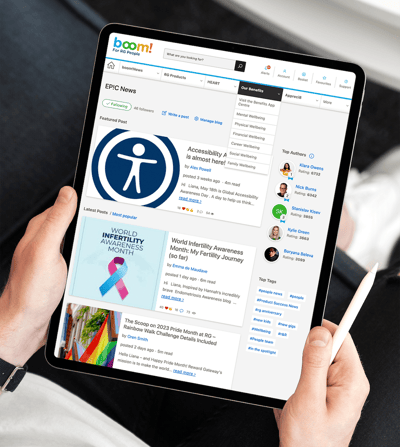
Employee Resource Groups offer a powerful mechanism for fostering connections beyond immediate functional teams. By uniting individuals around shared interests, passions, or identities, ERGs create spaces for authentic engagement and mutual support. Reward Gateway, for example, boasts a diverse range of ERGs, including those focused on Accessibility, Multiculturalism, Social Mobility, LGBTQIA+, Women’s empowerment, and Well-being. Many organizations also support ERGs centered around hobbies and interests like running, crafting, baking, or reading. These groups, often employee-led, provide invaluable opportunities for networking and building a stronger sense of belonging, particularly for individuals who may feel isolated within their day-to-day roles.
Encouraging Commuter and Carpool Networks
Facilitating connections among employees who share similar commutes can serve multiple purposes, from supporting sustainability goals to fostering new friendships. Encouraging carpooling or coordinating public transport can ensure that employees have a familiar face during their daily journeys. For those who cycle to work, the formation of commuter groups can also provide a crucial support network, offering assistance in case of unexpected mechanical issues and fostering a sense of shared experience.
Implementing Quarterly Challenges and Contests
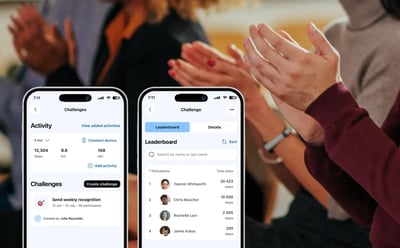
Engaging employees in shared activities through challenges and contests can inject fun and deepen connections. Whether it’s a fantasy sports league, an NCAA bracket challenge, or a well-being initiative, these events provide common ground for banter and friendly competition, extending interactions beyond work-related tasks. Platforms like Reward Gateway’s well-being app often include chat features specifically designed to support these types of informal group activities, encouraging a more lighthearted and connected workplace culture.
Prioritizing and Promoting Recognition
A culture of appreciation and recognition is fundamental to building strong connections and fostering a sense of value. Employees who feel seen and appreciated are more likely to feel connected to their colleagues and the organization. Research consistently shows that a simple "thank you" can significantly improve workplace well-being. Organizations should actively encourage employees to acknowledge and celebrate great work, both publicly and privately. Utilizing social feeds for recognition amplifies positive contributions, allowing the entire organization to learn about successes and build trust, especially among those who may feel overlooked. This can transform perceptions, turning potential frustrations like slow IT response times into understanding and appreciation for the team’s workload.
The Path Forward: Building Human Workplaces
The increasing prevalence of workplace loneliness presents a critical challenge, but also an opportunity for organizations to reimagine their approach to employee engagement and well-being. By implementing intentional strategies that prioritize genuine human connection, companies can cultivate more resilient, innovative, and engaged workforces. The data clearly indicates that fostering a sense of belonging is not merely a perk but a strategic imperative for long-term organizational success. As highlighted in Reward Gateway | Edenred’s "Building Human Workplaces" report, a significant majority of managers already recognize their role in employee well-being. Empowering them with the tools and strategies to foster connection is the next crucial step in addressing the epidemic of loneliness and creating environments where every employee feels valued, supported, and truly connected.
Organizations that proactively address workplace loneliness will not only improve the immediate experience of their employees but also build a more robust and sustainable future, characterized by stronger relationships, enhanced collaboration, and a more positive and productive work environment for all.