
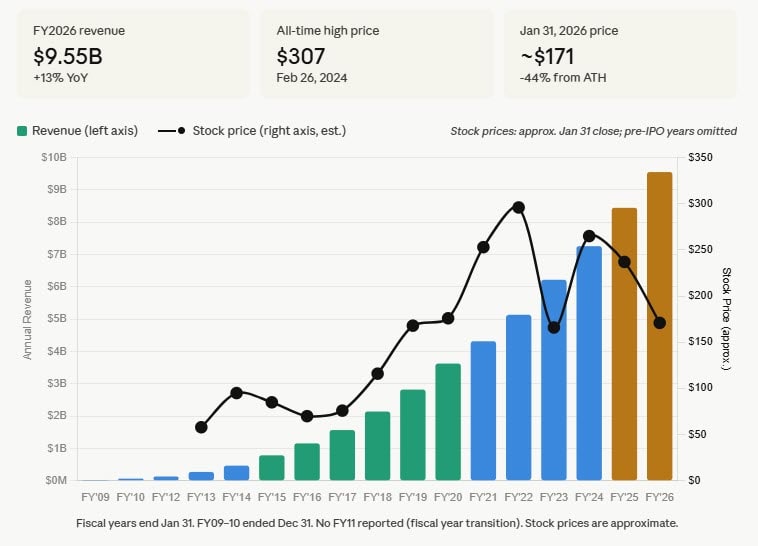
Workday, a long-standing leader in enterprise applications for finance and human resources, has articulated a comprehensive strategy to navigate the rapidly evolving landscape of artificial intelligence, aiming to transform its core offerings into a robust platform for AI agents. This significant strategic pivot, unveiled at a recent company summit, leverages nearly $3 billion in strategic acquisitions, a revamped executive leadership team, and a redefinition of Workday’s role in the burgeoning world of intelligent automation. The move signals a proactive approach to ensuring the company’s continued relevance and leadership in an era increasingly defined by AI-driven capabilities.
The Genesis of Workday’s Reinvention
Workday’s journey began in 2008 with a groundbreaking approach to enterprise software. At a time when businesses were largely reliant on on-premise client/server systems or less integrated Software-as-a-Service (SaaS) and hosted solutions, Workday introduced a novel, cloud-native platform. This architecture, built on an object-oriented database, an integrated security and business rules engine, and a user-friendly interface, represented a significant departure from the status quo. The company’s foundational message, "Power of One," resonated deeply, promising a single, unified system for all HR and financial needs, designed with future scalability and flexibility in mind.
This innovative approach fueled rapid growth, allowing Workday to capture a substantial market share, including over 30% of the Fortune Global 2000 companies. Today, the company boasts more than 11,500 customers and serves over 75 million end-users worldwide. Throughout this period of expansion, Workday cultivated a strong company culture, attracting top talent in HR and IT, and garnering significant investor confidence. Aneel Bhusri, a co-founder and the long-standing CEO, played a pivotal role in shaping this success. However, by 2024, Bhusri transitioned the CEO role to Carl Eschenbach, signaling a new phase for the company.
In early 2024, Bhusri, observing a perceived dilution of the company’s startup culture and a lack of clarity in its AI strategy, resumed the CEO position. His return marked the initiation of a comprehensive reinvention, characterized by rebuilding the executive team and charting a new strategic course. This strategic recalibration is the subject of intense scrutiny and optimism within the industry.

Redefining Workday’s Role: The Platform for Agents
The central challenge Workday faced was defining its value proposition in a world where readily available AI agents could be developed with increasing ease. The question arose: what is the role of a traditional "system of record" in this new paradigm? Workday’s strategic answer is to evolve from being merely a system of record to becoming a "platform for agents."
The core of this transformation lies in unlocking the immense value embedded within enterprise data, security protocols, and business rules. By making these elements accessible and actionable, Workday aims to empower AI agents to operate with unprecedented scale, security, and speed. The company posits that its established infrastructure – encompassing company rules, policies, security models, and compliance frameworks – provides the essential "rails" upon which these agents can reliably function. Replicating this robust foundation outside of Workday is perceived as prohibitively expensive, slow, and fraught with risk.
The Five Pillars of Workday’s Reinvention Strategy
Workday’s new strategic direction is underpinned by five key pillars:
1. AI as a Complement, Not a Replacement, to Enterprise Software
Workday’s argument is that AI, particularly generative AI and reasoning capabilities, cannot autonomously manage core enterprise functions. Tasks such as processing payroll, closing financial books, onboarding new employees, or enforcing segregation of duties require deterministic rules, established approval workflows, and deeply ingrained data models that have been refined over decades. Workday’s approach, therefore, is to combine probabilistic reasoning inherent in AI with the deterministic execution capabilities of its existing enterprise software. This integrated approach aims to deliver "enterprise AI" that is both intelligent and reliable. The company cautions against standalone agent platforms that rely on extracted enterprise data, suggesting these are structurally incomplete and lack the necessary governance.
- Analysis: This position mirrors analogies in other complex systems. For instance, autonomous vehicles, while advanced, cannot operate safely or effectively without the established infrastructure of roads, traffic signals, and regulatory frameworks. Similarly, the widespread adoption of data centers is contingent on the reliable and robust electric grid. Workday’s stance is not merely a defensive play to protect its existing market but a strategic assertion that its established infrastructure is the critical enabler for truly scalable and compliant AI innovation.
2. Workday’s "Rails" as the Foundation for Enterprise AI
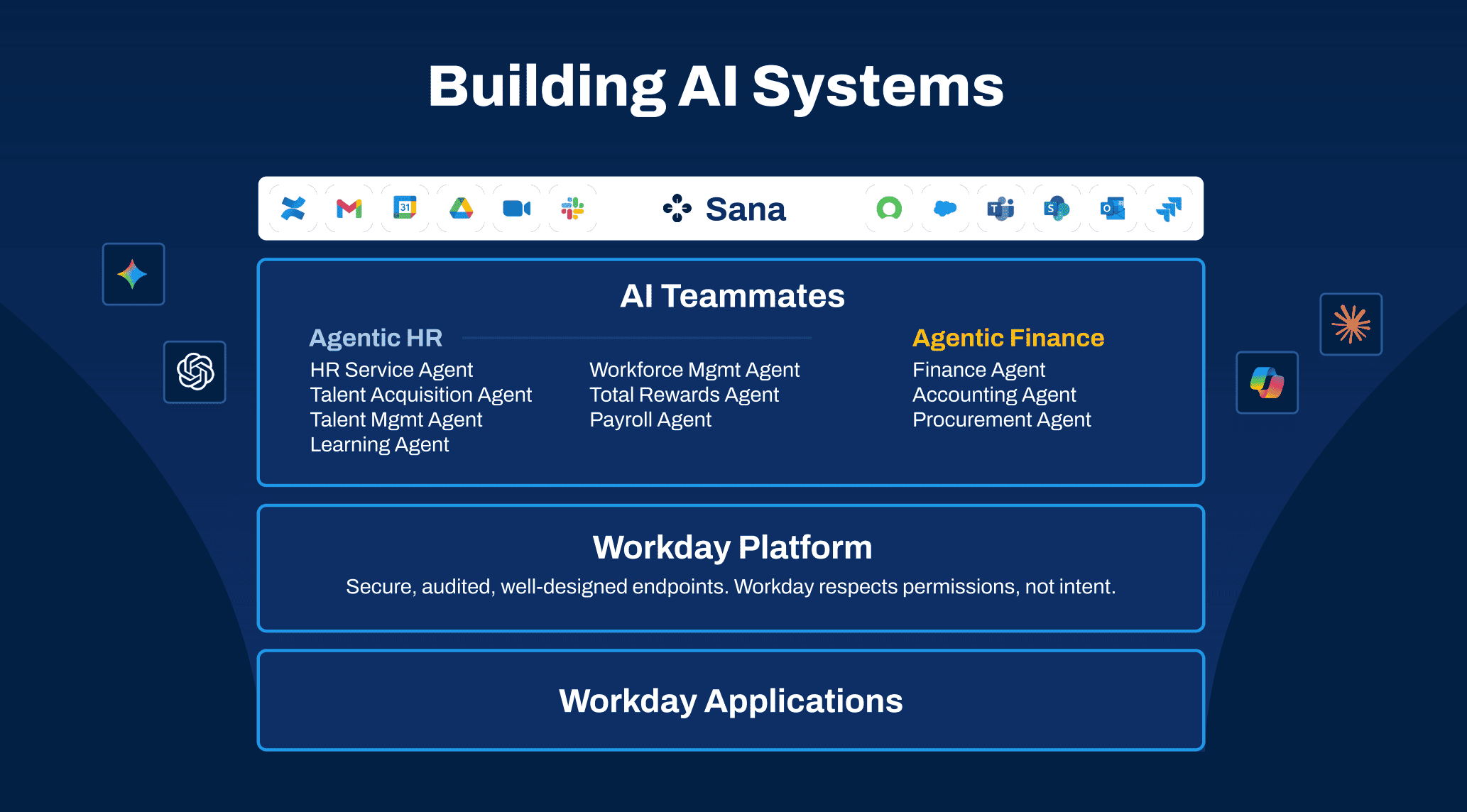
The company emphasizes that its proprietary configuration and business process framework are the core repositories of a company’s unique policies, approval hierarchies, compliance mandates, and organizational structures. These intricate "rules" are, in essence, the operational DNA of a business. Workday contends that AI agents operating outside this framework lack the understanding of these critical business rules, potentially generating outputs that appear reasonable but violate essential compliance and governance standards. By routing agent actions through Workday’s existing configuration, agents are designed to be "lawful by default."
- Analysis: This pillar highlights the inherent need for coordination and rule enforcement in complex operational environments. Building a nest of AI agents from scratch without leveraging existing, validated governance structures is akin to constructing a city without zoning laws or building codes. Workday’s proposition is that its platform provides this essential "coordination" and "rules" layer, making it more efficient and secure for businesses to integrate AI agents.
3. Productizing Governance and Agent Management
Workday recognizes the critical need for robust governance and management tools for AI agents. The company views these capabilities as a fundamental part of its future infrastructure. Agents, much like human employees, are being treated as "first-class citizens" with distinct identities, defined skill sets, scoped authorizations, and auditable trails.
Key product initiatives include:
- The Agent System of Record: Currently used by over twelve hundred customers for observing and registering agents.
- A new standards-based access and privilege management system.
- A single front door for internal and external agents.
These offerings are positioned as enterprise-grade trust infrastructure designed to manage the inevitable "agent sprawl" within organizations.
- Analysis: The AI agent market is still nascent and highly competitive. While Workday is introducing its own solutions, it faces competition from established players like ServiceNow (with its Agent Control Tower) and Microsoft (with Agent 365), as well as emerging platforms like Cursor. Workday customers will likely integrate Workday’s tools for managing agents that interact with Workday data and processes, but may also adopt broader, open management solutions for their overall agent ecosystem.
4. The Unified Experience Powered by Sana
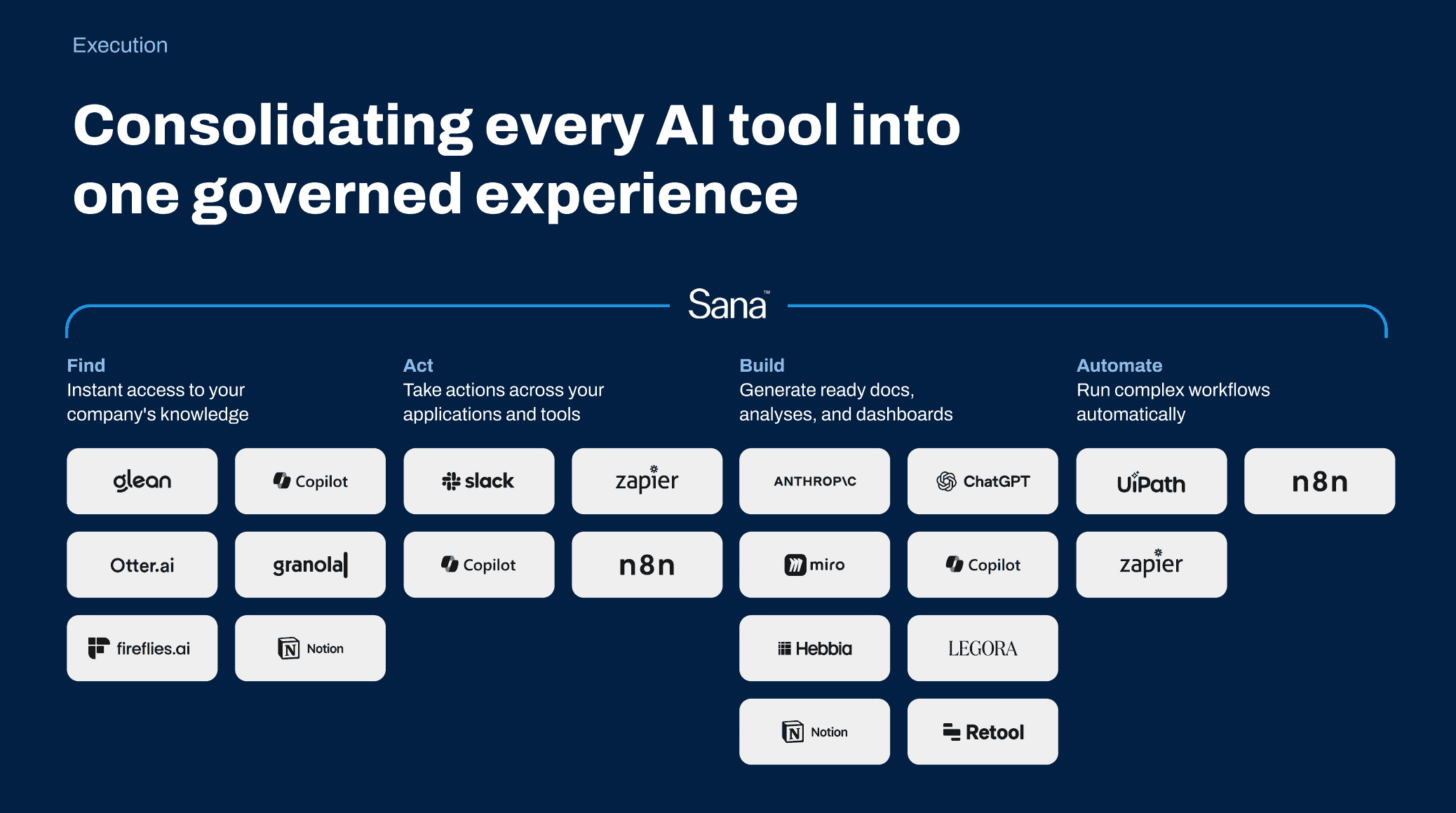
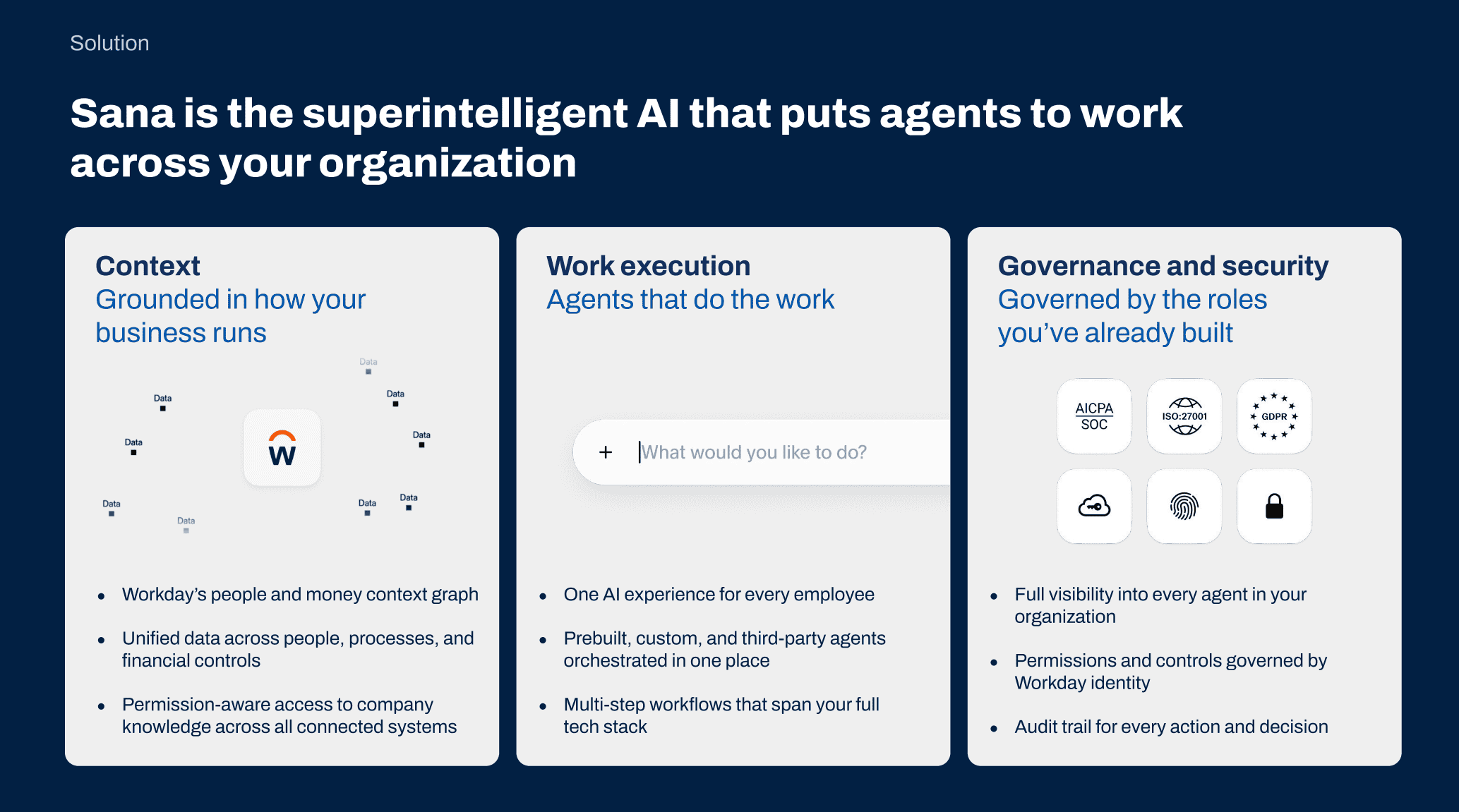
A significant element of Workday’s strategy is the integration of Sana, a new AI-native learning platform acquired by Workday. Sana is being positioned as the default front door for Workday, bundled for all customers and upgradable to extend beyond the Workday ecosystem to other platforms like Salesforce, Slack, Microsoft Teams, and SharePoint. This makes Sana a direct competitor to established front-door agents like Microsoft Copilot.
Workday asserts that Sana represents the last enterprise application employees will ever need to learn, with some industry observers likening its potential to the "DaVinci of Software." Beyond user interaction, Sana also serves as an agent development studio and a learning surface.
- Analysis: The potential of Sana’s dynamic learning platform is profound, extending beyond traditional training to encompass global employee enablement and significant improvements in productivity and reskilling. Workday’s embrace of Sana positions it to capture substantial value in the AI-native learning and employee development space, a market poised for exponential growth.
5. Aligning Commercial Models with Business Outcomes
Workday is shifting its commercial model from a traditional seat-based licensing approach to a hybrid model that incorporates consumption-based pricing. The introduction of Flex Credits as a consumption unit signifies a move towards aligning Workday’s revenue with tangible customer outcomes, such as business growth and enhanced productivity. This new model also extends to APIs, which will be metered on a per-call basis, enabling Workday to capture revenue from external platforms that leverage its services.
- Analysis: This shift represents a fundamental change in how enterprise software value is perceived and priced. Instead of paying for licenses based on employee headcount, customers will increasingly pay for the actual work performed by the "Agentic Business Platform." This outcome-based approach is expected to drive greater adoption and demonstrably link Workday’s value to its customers’ success.
Addressing the "Build from Scratch" Alternative
In an era where tools like Claude Code, GitHub Copilot, and Cursor make it seem feasible to "rebuild" core enterprise functions from scratch, Workday is presenting a compelling counter-argument. The company acknowledges that an HR leader might, in principle, extract Workday data into a data lake, connect a large language model, and attempt to recreate agent capabilities externally.
Workday’s response is that such an approach inevitably leads to a "shadow ERP"—a costly, fragmented, and fragile system. These independently built solutions often miss the crucial elements of a unified object graph, a comprehensive configuration system, robust compliance machinery, and inherent security. The agents developed in isolation are, by design, "lawless," prioritizing task completion over rule adherence, thus introducing significant risk and ultimately necessitating the integration of existing security and workflow tools.
- Analysis: Workday’s assertion is that while building custom agents might seem appealing for specific tasks, it fails to address the systemic requirements of enterprise operations. The company is positioning itself as the provider of a secure, compliant, and integrated environment, arguing that attempting to bypass this foundation leads to inefficiency and increased long-term costs. However, the competitive landscape includes major cloud providers and specialized AI platforms that could offer compelling alternatives for agent development and integration.
Navigating a Multi-Agent Future
Workday acknowledges that organizations will likely employ a diverse array of AI surfaces, including Microsoft Copilot, Anthropic Claude, Gemini Enterprise, Salesforce Agentforce, and various internal custom agents. The company’s strategy accommodates this reality. External agents can access Workday’s capabilities through an Agent Gateway, utilizing open standards like MCP and A2A. These agents can either delegate tasks to Workday’s native agents to leverage its established "rails" or interact directly with Workday APIs. Crucially, when an agent needs to engage with people, financial transactions, or regulated workflows, the reasoning process is handed off to Workday for execution.
- Analysis: This approach positions Workday as a central orchestrator for AI-driven business processes. The success of this strategy will hinge on the ease with which external developers can build and integrate agents using Workday’s tools. The company’s past challenges with developing Workday Extend applications suggest that simplifying the developer experience, particularly through Sana’s Agent Developer tools, will be critical for widespread adoption.
Enhancing Agility: Dynamic Reconfiguration
A historical critique of cloud-based enterprise systems has been their perceived rigidity and slow product release cycles. Workday traditionally updates its system twice a year, with product roadmaps often being complex and interconnected. To address this, Workday has introduced two key innovations:
- Extended Workday with Sana: The new UX and Sana platform enable customers to extend Workday’s capabilities and register agents within the Agent System of Record, facilitating the rapid development of new applications without lengthy wait times. Furthermore, Workday is fostering an Agent Partner Network to provide industry-specific and advisory agents.
- Deployment Agent: This dynamic system testing, configuration, and consultative deployment system allows customers to deploy changes more rapidly. This significantly reduces implementation times, often to a week or less, and diminishes the reliance on expensive third-party systems integrators. Workday anticipates a shift towards more continuous release cycles for new products and features.
- Analysis: This move represents a significant improvement in Workday’s agility and cost-effectiveness. By empowering customers to deploy changes more quickly and reducing the need for external integrators, Workday is lowering the total cost of ownership and accelerating the pace at which its clients can adopt new functionalities. This could also disrupt the business models of traditional Workday implementation partners.
Analysis: A Strategic Turning Point for Workday
The recent summit and the accompanying strategic announcements mark a pivotal moment for Workday, driven by several key factors:
1. The Founder’s Return and Renewed Energy
The return of Aneel Bhusri as CEO has injected a palpable sense of energy and renewed focus into the company. Drawing parallels to leadership turnarounds at Apple and Starbucks, Bhusri’s deep understanding of both technology and the Workday market has empowered him to define a clear "next chapter." This revitalization includes not only the introduction of new leadership but also the implementation of a "General Manager" model for product areas, creating clear ownership for AI initiatives. This structured approach, including monthly cross-functional AI task forces and a focused prioritization of agent projects, suggests a return to a more agile, startup-like culture, mirroring recent strategic consolidations observed at companies like Microsoft for its Copilot engineering.
2. Leading the Charge in Agentic HR and Finance
Workday is strategically positioning itself to lead the transformation in agentic HR and finance. Instead of focusing on numerous small-scale agents within its existing framework, the company is betting on the development of transformative "big agents." The acquisitions of Paradox and Sana, both leaders in AI for recruiting, agents, and learning, bring deep expertise in agentic applications. This enables Workday to showcase how AI agents can redefine business operations by leveraging existing infrastructure, proactively guiding companies toward the future of work.
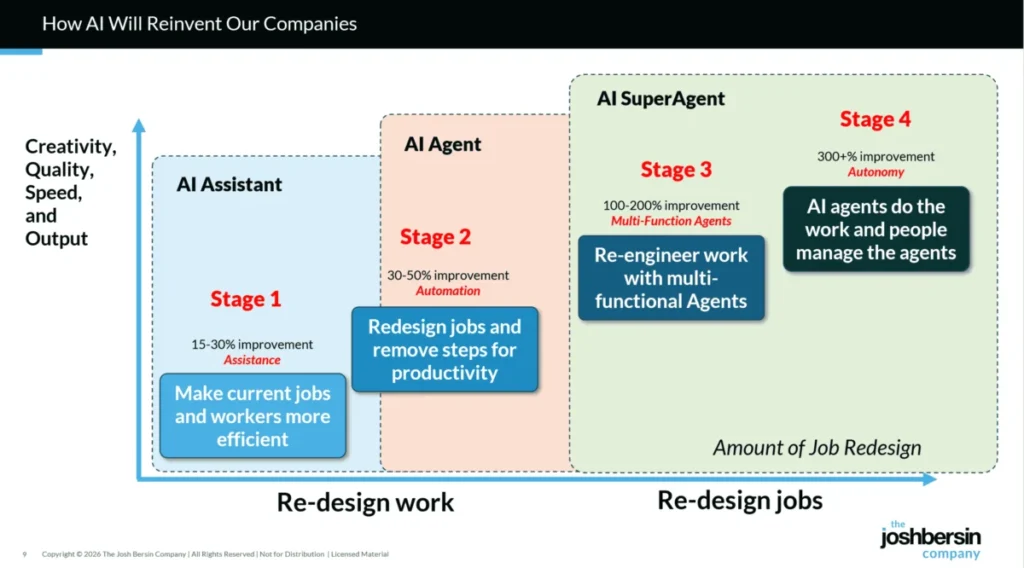
- Analysis: The true ROI of AI in HR and finance often lies not in "agentifying" existing workflows but in developing "Stage 3 agents" that automate entire processes, leading to significant job role evolution and efficiency gains. The integration of Sana and Paradox represents a direct pathway for Workday to deliver these transformative agentic solutions.
3. Sana and Paradox Drive New Leadership and Product Velocity
The integration of Sana and Paradox is not merely about acquiring technology; it’s about bringing in new leadership to drive innovation. Adam Godson, CEO of Paradox, now heads Workday’s entire talent acquisition platform, encompassing AI capabilities acquired from HiredScore. Joel Hellermark, CEO of Sana, now leads Workday’s learning platform and AI layer, consolidating Workday Learning and related AI functionalities. As General Managers, these leaders are accountable for product strategy, revenue, and customer support, fostering a level of agility and competitiveness that was previously challenging for integrated product groups.
- Analysis: The talent acquisition and corporate learning markets are dynamic and highly competitive, with recent significant acquisitions underscoring their value. The combined potential of Paradox and Sana could represent substantial value, potentially exceeding $10 billion in the external market. Their entrepreneurial leadership and focus on AI innovation are expected to accelerate Workday’s product development and market responsiveness in these critical HR domains.
4. Defining Enterprise AI Infrastructure
Workday has a significant opportunity to define the architecture of enterprise AI. The current landscape is complex, with questions surrounding the optimal number of agents, the hierarchy of "superagents" versus "subagents," the distinction between agents of "action" and "observation," and the intricate management of agent permissions and information access. Workday’s established role as a "system of record" provides a foundation for establishing the necessary governance layers for AI. The company is articulating a layered AI architecture encompassing intelligent LLMs, semantic and rules layers, agent code (orchestration, tools, workflows), and a runtime/trust layer (security, compliance, guardrails).
- Analysis: While competing vendors like Microsoft, Anthropic, OpenAI, ServiceNow, and Google are also developing AI infrastructure, Workday’s position in the ERP/HCM space gives it a unique advantage. The challenge will be for Workday to act as a proactive leader, defining best practices and fostering an ecosystem of developers. The company’s investment in its "forward-deployed engineering team" will be crucial in this endeavor.
5. Understanding Context and the Semantic Layer
Joel Hellermark’s observation that "everyone is ignoring the big boring problem of bad context" resonates deeply within Workday’s strategy. The company recognizes that context is paramount for AI value creation and that trust in AI outputs is directly linked to the trustworthiness of the underlying data. Workday is evolving its Data Cloud to incorporate not just raw data but also the rich semantic context of a business, including skills models, cost centers, career paths, and certification workflows.
- Analysis: This focus on knowledge graphs and context engineering demonstrates that Workday is thinking beyond transactional processing and embracing an AI-centric mindset. By understanding and managing the deep semantic layers of a business, Workday is positioning itself to build AI agents that are not merely performing tasks but are truly intelligent and contextually aware, differentiating it from vendors focused solely on building agents within existing workflows.
Conclusion: A Reinvented Workday Poised for the Future
The recent summit and the introduction of new leadership, a refined AI strategy, and enhanced product capabilities signal a significant turning point for Workday. The company appears poised to reinvent itself, pioneer innovative solutions, and empower its customers and partners to embrace the business agent revolution. The strategic integration of acquisitions like Sana and Paradox, coupled with a focus on enabling near real-time system testing and reconfiguration, positions Workday at the forefront of enterprise AI.
For financial analysts, the new product offerings, particularly Sana, Paradox, and the Enterprise AI management tools, are expected to drive immediate revenue growth. The deep value demonstrated by these acquired companies in client implementations provides a strong foundation for Workday’s future success. This strategic reinvention, led by Aneel Bhusri and his revitalized team, suggests Workday is well-positioned to define and lead in the next era of intelligent enterprise operations.







