A recent survey by Kahoot! has illuminated a concerning trend within the contemporary workforce: a significant percentage of office workers are experiencing feelings of disconnection, with profound implications for team performance, innovation, and employee retention. The study reveals that a staggering 39% of office workers feel disconnected on the job, and nearly one-third report going an entire workday without speaking to a colleague. This pervasive sense of isolation is not merely an individual challenge but a collective one, impacting the very fabric of organizational health and societal well-being.
The research, released in early 2024, builds upon existing concerns about loneliness, a phenomenon that has been amplified by evolving work structures and societal shifts. Data from 2025 indicates that Millennials are the demographic most susceptible to workplace loneliness, with one in five men and one in eight women having previously left a job due to a lack of connection with coworkers. Furthermore, a comprehensive study by the Harvard Graduate School of Education on "Loneliness in America 2024" found a direct correlation between income and loneliness, suggesting that individuals in lower-paying roles are more likely to experience isolation. This critical insight points to a particular need for organizations to focus on the well-being of their frontline teams, who may often be overlooked in discussions about workplace culture.

It is crucial to understand that workplace loneliness extends beyond physical isolation. The absence of quality relationships, regardless of an individual’s work environment, can foster a sense of solitude. An employee working in a bustling retail setting, for instance, can feel more alone than a remote worker if they do not experience a sense of belonging or psychological safety within their team. This distinction is vital for employers seeking to implement effective strategies to foster connection.
The Societal Echo of Workplace Loneliness
The impact of loneliness is not confined to individual employees; it reverberates throughout society. Communities grappling with higher levels of loneliness often exhibit broader societal challenges, including increased rates of mental health issues, reduced civic engagement, and a decline in social cohesion. When individuals feel isolated, their capacity to contribute to their communities diminishes, creating a cycle of disengagement that affects us all. This societal backdrop underscores the urgency for workplaces to address loneliness proactively, not just for the benefit of their employees but for the health of the broader social ecosystem.
Workplace Ramifications: A Drain on Productivity and Innovation
The same dynamics that impact communities also manifest within organizations, creating a significant drain on productivity, innovation, and overall organizational health. When employees feel disconnected, their willingness to collaborate and trust diminishes. This erosion of trust directly hinders the free flow of ideas, stifles creativity, and ultimately impedes the unlocking of innovative solutions and operational efficiencies.

Moreover, lonely employees are more susceptible to a range of negative health outcomes. They are more likely to fall ill, experience burnout, and exhibit higher rates of absenteeism. The lack of connection can sap their energy and motivation, preventing them from performing at their peak. Gallup’s research reinforces this, finding that lonely employees are demonstrably less motivated and engaged. Notably, both Millennials and managers are identified as demographics experiencing heightened levels of loneliness within the workplace, suggesting a widespread challenge that transcends hierarchical levels.
The Return-to-Work Debate: A Nuanced Perspective
The ongoing debate surrounding return-to-work policies is further complicated by the issue of loneliness. While fully remote employees report higher levels of loneliness (25% compared to the average 16% in Gallup’s research), those who work fully on-site are more likely to experience burnout (29% versus 24%). This data suggests that neither extreme – complete remoteness nor complete on-site presence – offers a panacea for employee well-being. A hybrid approach, or one that offers flexibility and intentionality in fostering connection regardless of location, may be more effective in mitigating the detrimental effects of isolation and burnout. The challenge lies in finding a balance that supports both individual well-being and organizational objectives.
Strategies for Cultivating Connection: A Proactive Approach
Recognizing the multifaceted nature of workplace loneliness, organizations and teams must adopt proactive strategies to foster a more connected and engaged workforce. Managers, in particular, are increasingly acknowledging their role in employee well-being. A report titled "Building Human Workplaces" indicated that 71% of managers feel responsible for their team’s well-being, highlighting a critical receptiveness to implementing solutions. The question then becomes, what tangible actions can be taken to cultivate these vital connections?

Enhancing Social Interaction in Meetings
Integrating social elements into regular meetings can be a powerful tool for building day-to-day connections. Dedicating the first few minutes of team meetings or one-on-one sessions for informal conversation allows employees to share aspects of their personal lives, fostering a sense of camaraderie. One notable example comes from Ulteig, who, in a recent webinar, shared their practice of pairing employees for informal chats to encourage them to get to know each other. This can be formalized through structured programs or simply by encouraging employees to schedule "connection" meetings with colleagues they may not interact with regularly.
Weaving Social Threads into Digital Communication
In today’s digitally driven work environment, where a significant portion of the workday is spent in chat applications, incorporating social interactions into these platforms can be highly effective. Posing non-work-related questions or topics can encourage engagement and build rapport. This could range from discussing upcoming summer blockbusters to implementing themed days like "Would You Rather Wednesday," where employees grapple with often amusing hypothetical scenarios. These initiatives can be consistently led by managers or driven by team members with a flair for fostering community.
Championing Employee Resource Groups (ERGs)
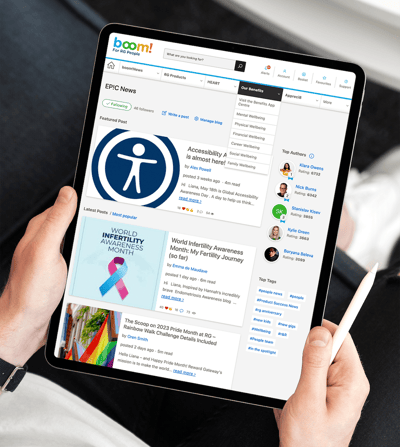
Employee Resource Groups (ERGs) offer a valuable avenue for individuals to connect with colleagues outside of their immediate functional teams, particularly around shared passions and interests. These groups can foster a sense of belonging and provide a platform for diverse perspectives. Reward Gateway | Edenred, for instance, boasts ERGs focused on Accessibility, Multiculturalism, Social Mobility, LGBTQIA+, Women’s Health, and Wellbeing. Many organizations also support ERGs centered around hobbies like running, crafting, baking, or reading. Empowering employees to establish and lead these groups, with appropriate organizational support for communication and coordination, can significantly enhance workplace connectivity.
Encouraging Commuter and Carpooling Networks
Facilitating carpooling or commuter groups can serve a dual purpose: supporting sustainability goals and fostering interpersonal connections. Employees who commute from the same areas can coordinate their travel, providing each other with company and potentially reducing transportation costs. Even for those using public transport, coordinating travel can lead to friendly faces on their daily commute. For employees who cycle to work, having a colleague along can also provide a valuable safety net in case of unforeseen mechanical issues.
Implementing Quarterly Challenges and Competitions
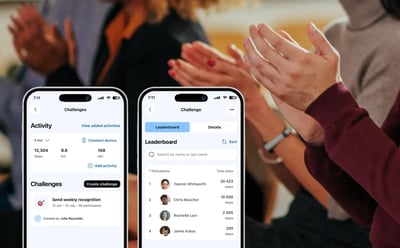
Engaging employees in quarterly challenges or competitions can inject fun and foster deeper connections beyond work-related projects. Whether it’s a fantasy sports league, a bracket challenge during a major sporting event, or a well-being initiative, these activities provide common ground for discussion and lighthearted banter. Many organizations utilize internal communication platforms or dedicated apps to facilitate these challenges, creating a dedicated space for employees to connect over shared interests and friendly rivalries.
Streamlining and Promoting Employee Recognition
The act of acknowledging and appreciating colleagues’ contributions is fundamental to building stronger connections and fostering a positive work environment. Research consistently shows that feeling appreciated significantly impacts employee well-being. Acknowledging great work, whether through informal verbal praise, direct messages, or a public recognition platform, reinforces positive behaviors and builds trust. When employees see their colleagues’ efforts being celebrated, it can foster a greater understanding of the organization’s collective achievements and create a more supportive atmosphere, particularly for those who may feel less connected. Elevated recognition stories can shift perceptions, for example, turning a perception of slow IT response times into an understanding of the IT team’s workload and dedication.
The Path Forward: Building Human Workplaces
The growing awareness of workplace loneliness presents a critical opportunity for organizations to re-evaluate their strategies for fostering employee engagement and well-being. By implementing intentional initiatives that prioritize human connection, businesses can not only mitigate the negative impacts of isolation but also unlock greater potential for innovation, productivity, and employee retention. The evidence suggests that investing in building a more connected and supportive workplace is not just a matter of good practice; it is a strategic imperative for long-term organizational success. As the landscape of work continues to evolve, the fundamental human need for connection remains a constant, underscoring the enduring importance of cultivating truly human workplaces.