The modern workplace stands at a pivotal juncture, undergoing an unprecedented transformation driven by profound demographic shifts. As the vast cohort of Baby Boomers reaches retirement age, their impending exodus from the workforce presents both significant challenges and unique opportunities for organizations globally. Simultaneously, Generation Z is rapidly entering the professional arena, bringing with them distinct values, technological fluency, and expectations that are fundamentally reshaping corporate culture and operational paradigms. Navigating these generational shifts with agility, foresight, and strategic intent is no longer merely an advantage but an existential imperative for companies striving to maintain their competitive edge and ensure long-term sustainability. The retention of the invaluable institutional knowledge and experience held by older workers, coupled with the effective integration and development of new talent, forms the core of this complex HR mandate.
The Great Reshuffling: A Demographic Overview
The current workforce landscape is characterized by a multi-generational dynamic unprecedented in scale. Baby Boomers, born between 1946 and 1964, represent a generation that has profoundly shaped post-war economies and corporate structures. Their prolonged tenure in leadership and expert roles has imbued organizations with deep reservoirs of experience, historical context, and specialized skills. However, as the youngest Boomers now approach their late fifties and early sixties, a massive wave of retirements is projected to accelerate, creating what many experts term a "brain drain" risk. According to a 2023 study by the Pew Research Center, approximately 10,000 Baby Boomers are turning 65 every day, with a significant portion opting for retirement or phased withdrawal from full-time employment. This demographic shift is not a sudden event but the culmination of decades of societal and economic trends, now reaching its critical mass.
In parallel, Generation Z, individuals born roughly between 1997 and 2012, are emerging as the fastest-growing segment of the global workforce. Having grown up in a hyper-connected, digital-first world, Gen Z employees are characterized by their innate technological prowess, a strong emphasis on purpose-driven work, diversity and inclusion, work-life integration, and a preference for continuous feedback and growth opportunities. Their entry marks a departure from traditional workplace norms, compelling companies to rethink everything from communication styles to leadership models and benefits packages.
Bridging these two influential generations is Generation X (born 1965-1980), often referred to as the "sandwich generation." They are increasingly assuming critical leadership roles, poised to take the reins from retiring Boomers while simultaneously mentoring Gen Z. This generation’s pragmatic approach, independence, and adaptability make them crucial conduits for knowledge transfer and cultural continuity within organizations.
The Imperative of Employee Retention: Valuing Experience
To mitigate the potentially disruptive repercussions of simultaneous Baby Boomer retirements, companies must prioritize strategies that leverage their deeply ingrained loyalty and encourage them to prolong their tenure, even if in modified capacities. Retaining older employees is paramount not only for preserving their invaluable knowledge and experience but also for maintaining continuity in critical operations and client relationships.
One highly effective approach is the implementation of flexible retirement arrangements. These are tailored to individual preferences, moving beyond a rigid "all or nothing" retirement model. For instance, offering reduced working hours allows seasoned professionals to scale back their commitments while still contributing their expertise. This strategy is particularly appealing to those who desire to extend their working years but also crave more leisure, flexibility, or time for personal pursuits. A finance director might opt for a Tuesday-Thursday schedule to accommodate more frequent travel, while a communications specialist might prefer evening shifts to assist with childcare during the day. The key here is empathetic, individualized communication. HR departments and direct managers must engage in proactive dialogues with older employees, genuinely listening to their needs, desires, and career aspirations, and then crafting bespoke retention strategies that make them feel valued and heard. This level of personalization fosters a stronger sense of belonging and commitment.
Furthermore, the focus on retention must extend to Generation X. With many Gen Xers only a decade or so away from considering retirement themselves, securing their engagement and commitment is crucial. They are the immediate successors to Baby Boomers, stepping into senior leadership and expert roles. Offering flexible work arrangements, including hybrid or remote options, is particularly attractive to Gen X, many of whom are simultaneously caring for aging parents and raising children. Providing autonomy and opportunities for meaningful impact will encourage current Gen X employees to stay and will also serve as a powerful magnet for attracting external talent from this demographic.
Mastering Succession Planning and Knowledge Transfer
The departure of Baby Boomers carries the inherent risk of a significant loss of institutional memory, specialized skills, and tacit knowledge—the unwritten rules, nuanced client histories, and organizational wisdom accumulated over decades. To ensure a smooth transition without causing major operational disruptions, organizations must establish comprehensive succession plans that extend far beyond simply identifying potential future leaders.

Effective succession planning requires a multi-faceted approach. It must meticulously identify not only technical skills but also critical leadership competencies, strategic thinking, and decision-making capabilities. Preparing future leaders involves deliberate development pathways, including formal training programs, challenging assignments, and cross-functional rotations. Crucially, the focus should also be on cultivating essential soft skills such as emotional intelligence, adaptability, communication, and collaboration, which are vital for navigating complex business environments and leading diverse teams.
Mentorship programs are indispensable tools for facilitating knowledge transfer and bridging generational divides. Encouraging retiring Baby Boomers to take on mentorship roles allows them to systematically share their invaluable experience, insights, and networks with younger generations. This fosters a culture of continuous learning and accelerates the development of rising talent. Mentorship can take various forms:
- Traditional One-on-One Mentoring: Ideal for long-term career development, skill building, and guidance for specific individuals. This involves a sustained relationship where the mentor provides advice, support, and acts as a sounding board.
- Group Mentoring/Master Classes: Retiring experts can lead workshops or master classes on specialized topics, sharing their knowledge with multiple employees simultaneously. This is particularly effective for disseminating niche technical skills or industry-specific insights.
- Flash Mentoring: Short-term, highly focused mentoring engagements designed to address specific questions or skills gaps. This can be agile and responsive, connecting mentees with experts for brief, impactful interactions.
- Reverse Mentoring: An increasingly popular approach where younger employees mentor older colleagues, particularly in areas like digital literacy, social media, and emerging technologies. This fosters mutual learning and breaks down generational stereotypes, creating a more inclusive and dynamic workplace.
Beyond formal mentorship, organizations should invest in robust knowledge management systems. This includes documenting critical processes, creating searchable databases of best practices, and implementing collaborative platforms where employees can easily share information and expertise. Exit interviews should be structured not just for feedback, but also as a final opportunity to capture and codify invaluable insights from departing employees.
Adapting Benefits and HR Strategies for an Evolving Workforce
HR departments are at the vanguard of shaping an organization’s benefits offerings, talent acquisition strategies, and overall employee experience. With the influx of Generation Z and the phased exit of Baby Boomers, adapting to changing needs and expectations is paramount.
The traditional "one-size-fits-all" benefits package is no longer viable. Modern workforces demand personalization and flexibility. HR must actively gather feedback from employees across all generations to understand their priorities. While older workers might prioritize comprehensive healthcare, retirement planning, and flexible hours, Gen Z often values mental health support, professional development, social impact initiatives, and robust technological infrastructure. A 2024 survey by Gartner revealed that personalized benefits offerings can increase employee satisfaction by up to 30%. This necessitates a modular approach to benefits, allowing employees to choose what best fits their life stage and personal circumstances, whether it’s extended parental leave, student loan repayment assistance, or advanced wellness programs.
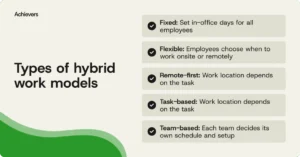
Remote and hybrid work options have become table stakes, particularly for Gen X and Gen Z. Companies that fail to offer adequate flexibility risk losing out on top talent. HR and talent acquisition teams must collaborate closely to align recruitment strategies with the evolving expectations and values of newer generations. This means leveraging digital channels, showcasing a strong employer brand that emphasizes purpose, diversity, equity, and inclusion (DEI), and ensuring a seamless, technology-driven candidate experience. Gen Z, for instance, places a high value on ethical leadership and a company’s commitment to social responsibility. Recruiters must highlight these aspects effectively.
Employee satisfaction, engagement, and feelings of belonging are strongly influenced by a holistic benefits package and a supportive work environment. This includes investing in technology that enhances productivity and collaboration, fostering an inclusive culture where diverse perspectives are valued, and providing continuous opportunities for learning and growth.
Broader Implications and a Forward Look
The generational shifts within the workforce extend beyond individual organizations, carrying significant economic and societal implications. At a macro level, the "silver tsunami" of retirements could lead to labor shortages in critical sectors, impact social security systems, and alter consumer spending patterns. Conversely, the dynamism and innovation brought by Gen Z have the potential to drive new industries and reshape market demands.
For businesses, the ability to successfully navigate these changes will determine their long-term viability. Those that proactively embrace flexible work models, invest in comprehensive succession planning, prioritize knowledge transfer, and cultivate inclusive, adaptive cultures will be best positioned to thrive. Organizations that cling to outdated structures and mindsets risk falling behind, facing talent shortages, decreased productivity, and a loss of competitive advantage.
In conclusion, as the workforce continues its profound evolution with Generation Z’s entrance, Baby Boomers’ strategic exit, and Gen X’s ascendance to key leadership, HR departments and executive leadership play an absolutely pivotal role in ensuring a seamless and productive transition. The key lies in proactive, data-driven HR strategies that not only meet the immediate, diverse needs of a multi-generational workforce but also safeguard the long-term success and resilience of the company. Adapting to the changing workforce is not merely a necessity born of demographic shifts; it is a strategic opportunity for unprecedented growth, innovation, and organizational evolution in the 21st century.